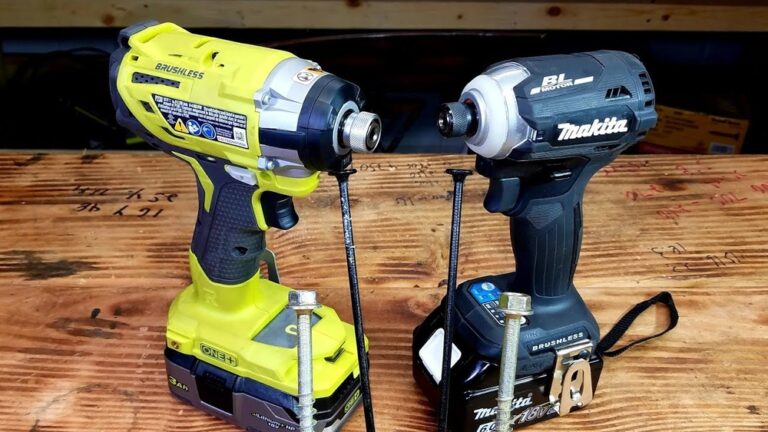
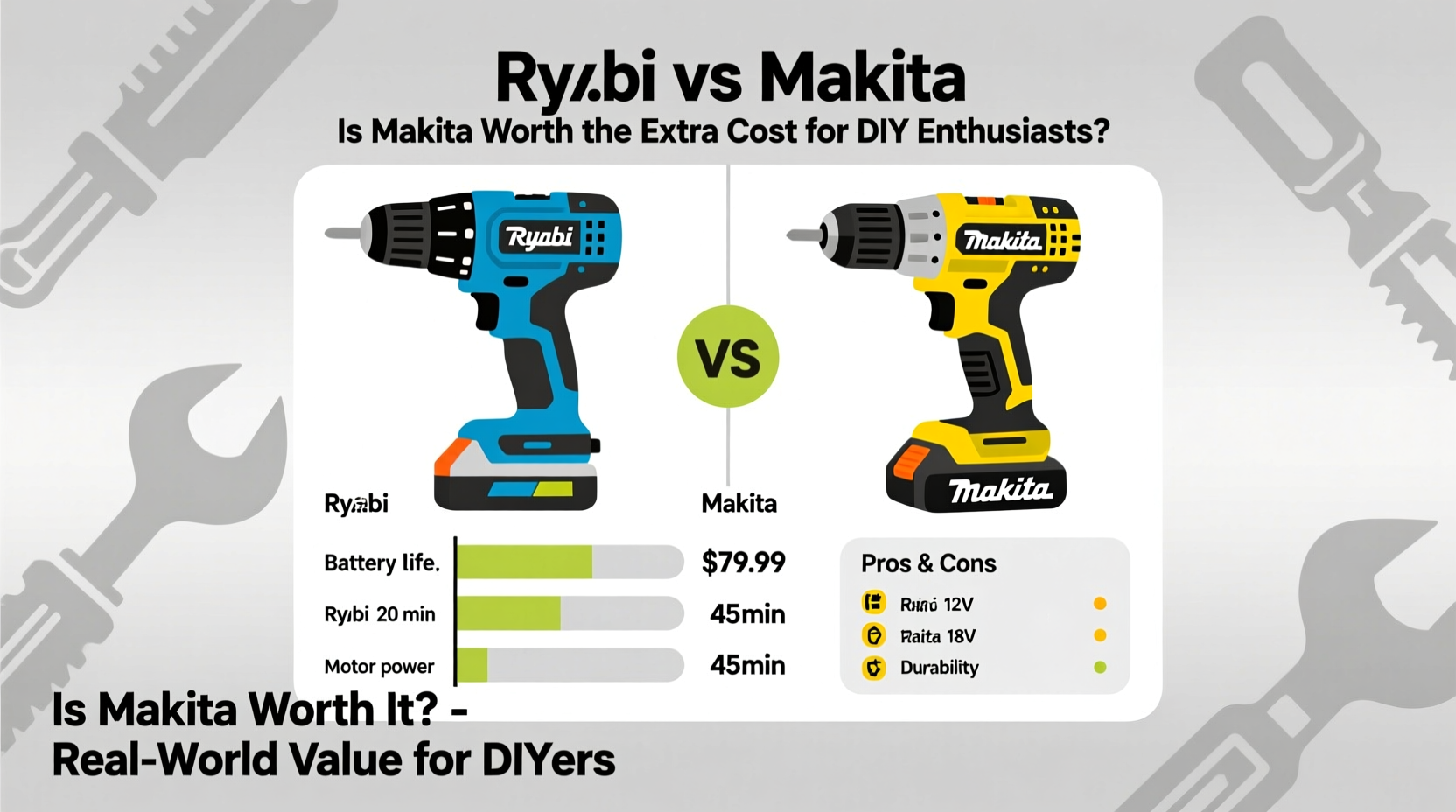
When you need a cordless drill, you probably see two big names: Ryobi and Makita. Both brands are popular, but they have different strengths. Choosing the right drill can save you time, money, and frustration. This guide will help you understand the real differences between Ryobi and Makita cordless drills, so you can pick the best tool for your needs.
Many buyers think all drills are the same, but that’s not true. Some are better for heavy work, others for simple jobs at home. Some have longer battery life, others charge faster. In this article, you’ll learn about the build quality, power, battery systems, price, and more.
You’ll also see real examples, common mistakes to avoid, and answers to key questions. If you want to invest in a cordless drill that fits your style and budget, read on.
Brand Overviews
Ryobi: The Practical Choice
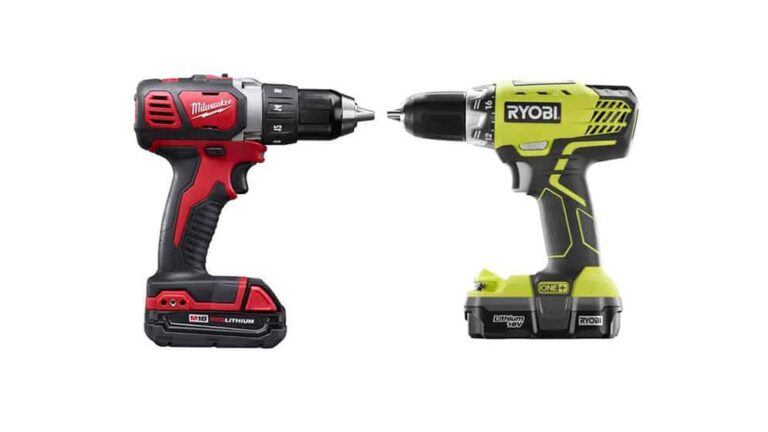
Ryobi is known for making tools that are affordable and reliable. Their cordless drills are popular with DIY users, homeowners, and people who need tools for occasional use. Ryobi’s signature color is bright green, so you can spot their tools easily. They focus on giving good value for money, not just the lowest price.
Ryobi is part of Techtronic Industries (TTI), the same company that owns Milwaukee and Hoover. Most Ryobi drills are sold at big stores like Home Depot. They offer a huge range of cordless tools, all using their ONE+ battery system.
Makita: The Professional’s Brand
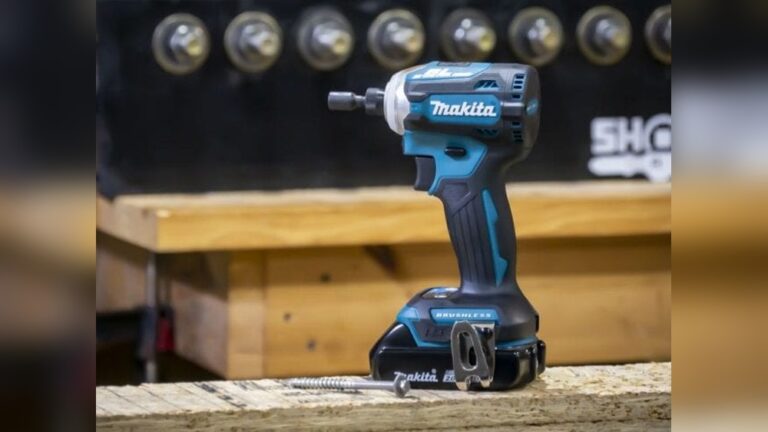
Makita is a Japanese company with a long history of making high-quality power tools. They are famous for strong motors, long-lasting batteries, and tough construction. Professionals in building and woodworking often choose Makita because they trust the brand for tough, daily use.
Makita makes tools for both pros and serious DIYers. Their blue color is easy to spot on any job site. The company invests a lot in battery technology and brushless motors, which gives their tools extra power and lifespan.
Build Quality And Durability
One of the first things people notice is how a drill feels in the hand. The build quality can affect comfort, balance, and how long the tool lasts.
Ryobi Build Quality
Ryobi drills use high-impact plastic for the body, with rubber overmolding for grip. While the tools feel solid, they are not as heavy as professional models. The chuck (the part that holds the bit) is usually made of plastic or lower-grade metal. This makes the tool lighter, but it can wear out faster if used for tough jobs every day.
Ryobi tools are built for home use, not for constant abuse. If you drop a Ryobi drill from a ladder, it will probably survive, but a Makita might fare better in the long run.
Makita Build Quality
Makita focuses on premium materials. The drill body is often reinforced with extra metal parts. The chucks are usually all-metal, which hold bits better and last longer under heavy use. The grip is designed for comfort over long periods.
Makita drills can handle daily construction work. Many users report their Makita drills still work after 5+ years of heavy use. The higher quality also means Makita tools are usually heavier and more expensive.
Motor And Power Differences
The motor is the heart of any cordless drill. It decides how much power, speed, and torque you get.
Ryobi Motors
Most Ryobi drills use brushed motors. These are less expensive but produce more heat and wear out faster than brushless motors. Some higher-end Ryobi models now offer brushless motors, which are more efficient and last longer.
Ryobi’s power rating is usually enough for drilling wood, plastic, and light metal. For example, their popular Ryobi ONE+ 18V drill offers up to 340 in-lbs of torque. This is good for home repairs or building furniture.
Makita Motors
Makita invests heavily in brushless motor technology. Most Makita drills come with brushless motors, giving you more power, better battery life, and less maintenance. Their 18V LXT drill, for example, delivers up to 530 in-lbs of torque—almost 50% more than a typical Ryobi drill.
Makita drills are also known for smooth operation. The motor starts and stops quickly, which helps with precision and safety.
Power Comparison Table
Here’s a direct look at two popular models:
| Feature | Ryobi ONE+ 18V Drill | Makita LXT 18V Drill |
|---|---|---|
| Max Torque | 340 in-lbs | 530 in-lbs |
| Motor Type | Brushed or Brushless (model-dependent) | Brushless |
| Max RPM | 1,600 | 1,900 |
| Clutch Settings | 24 | 21 |
Battery Systems And Runtime
The battery is the lifeblood of a cordless drill. It affects weight, balance, and how long you can work.
Ryobi Battery System
Ryobi’s strength is the ONE+ 18V battery system. All Ryobi 18V tools—from drills to fans—use the same battery. This makes it easy to build a collection of tools without buying new batteries for each one.
Ryobi batteries come in different sizes, from 1.5Ah to 9Ah. The higher the Ah (amp-hour), the longer the runtime. Most Ryobi kits include a 1.5Ah or 2.0Ah battery, which gives about 1 to 2 hours of light use per charge.
Charging time is usually 1 hour with the standard charger. Ryobi offers fast chargers, but they cost extra.
Makita Battery System
Makita uses the LXT 18V battery system. Like Ryobi, all their 18V tools share the same battery. Makita batteries range from 1.5Ah to 6Ah.
Makita batteries are known for longer life and faster charging. The 3.0Ah battery can often be charged in just 30 minutes with a Makita rapid charger. The electronics inside the battery protect against overcharging and overheating, which helps the battery last longer.
Makita also offers 40V Max and 12V CXT lines, but the 18V LXT is the most common for cordless drills.
Battery Comparison Table
Here’s a side-by-side look:
| Feature | Ryobi ONE+ 18V | Makita LXT 18V |
|---|---|---|
| Battery Range | 1.5Ah – 9.0Ah | 1.5Ah – 6.0Ah |
| Average Charge Time | 60 min (2.0Ah) | 30 min (3.0Ah) |
| Compatibility | 100+ tools | 275+ tools |
| Battery Protection | Basic | Advanced electronics |
Non-obvious insight: Many people buy more batteries than they need. Unless you work all day, 2 batteries are usually enough—one to use, one to charge.
Price And Value For Money
Price is a big factor for most buyers. But cheapest is not always best.
Ryobi Pricing
Ryobi drills are among the most affordable from major brands. A basic Ryobi ONE+ drill kit (with one battery and charger) often costs $60–$90. Combo kits with two tools can be found for under $150.
If you already have Ryobi batteries, buying a “bare tool” (no battery) can cost as little as $40. This low price makes Ryobi a favorite for people building a tool collection on a budget.
Makita Pricing
Makita drills are usually $100–$250 for a kit with two batteries and a charger. The higher price reflects the stronger motor, better battery, and higher build quality.
Bare Makita tools are more expensive than Ryobi. However, Makita tools hold their value better if you decide to sell later.
Value Comparison
- Ryobi: Best value for light or medium use, or if you want to expand with many tools.
- Makita: Best value if you need top performance, reliability, and plan to use your tools often.
Non-obvious insight: The real cost is not just the drill, but the batteries and chargers. Always check if the kit includes what you need.
Features And Usability
Beyond power and price, features can make a big difference in daily use.
Ryobi Features
- LED light: Most Ryobi drills have an LED near the trigger to help see in dark spaces.
- MagTray: Some models have a small magnetic tray to hold screws or bits.
- Bit storage: A slot to hold an extra bit on the tool.
- 24 clutch settings: More options for fine control.
Ryobi drills are often a bit bulkier, but the grip is comfortable for most hands. The trigger is responsive, but not as smooth as Makita.
Makita Features
- Dual LED lights: Many Makita drills have two LED lights for better visibility.
- All-metal gears: This means smoother power transfer and longer life.
- Extreme Protection Technology (XPT): Protection against dust and water.
- Automatic speed control: Adjusts speed based on resistance.
- Ergonomic grip: Designed for less fatigue during long use.
Makita drills are usually more compact. The direction switch is smooth and clicks firmly, which helps with one-handed use.
Practical tip: If you often work in tight or dark spaces, Makita’s dual LEDs and smaller size are a real advantage.
Drill Performance: Real-world Scenarios
To see how these drills work in reality, let’s look at common tasks.
Light Home Repairs
For tasks like hanging pictures, assembling furniture, or fixing a loose hinge, both Ryobi and Makita can do the job. Ryobi’s lower price and good enough power make it a smart choice for these tasks.
Heavy-duty Drilling
If you need to drill through thick wood, metal, or concrete, Makita’s higher torque and brushless motor shine. For example, driving 3-inch screws into hardwood is smoother and faster with Makita.
Long Projects
If you work for many hours, Makita’s faster charging, better cooling, and lighter weight help reduce fatigue and downtime.
Occasional Use
For users who only use a drill a few times a month, Ryobi’s lower price and simple features are enough. The batteries hold charge well between uses.
Warranty And Customer Support
A good warranty gives peace of mind. Both brands offer solid support, but there are differences.
Ryobi Warranty
Ryobi offers a 3-year limited warranty on their cordless drills and batteries. You register the tool online or keep your receipt for proof.
Ryobi’s warranty covers defects in materials and workmanship but not normal wear or misuse. Their customer support is easy to reach, but repairs can take longer than Makita.
Makita Warranty
Makita gives a 3-year limited warranty on tools and batteries, similar to Ryobi. However, Makita’s service centers are often faster and have a better reputation for honoring the warranty.
Makita also offers a 30-day satisfaction guarantee. If you don’t like the tool, you can return it for a refund or exchange.
Pro tip: If you live near a big city, Makita’s repair centers can often fix tools within a week.
Compatibility With Other Tools
If you own other cordless tools, battery compatibility is important.
Ryobi Compatibility
The ONE+ 18V system is famous for compatibility. You can use the same battery for over 100 Ryobi tools, from drills to fans, lights, and even lawnmowers.
Makita Compatibility
Makita’s LXT 18V line works with more than 275 tools, including saws, grinders, vacuums, and garden equipment. This is one of the largest cordless tool systems in the world.
Hidden detail: Makita’s 40V and 12V tools use different batteries. Make sure you buy within the same system.
Accessories And Add-ons
The right accessories can make your drill much more useful.
Ryobi Accessories
Ryobi sells many drill bit sets, driver bits, and tool bags. Their bits are affordable, but sometimes wear out faster than premium brands.
Makita Accessories
Makita makes high-quality bits, cases, and chargers. Their bits last longer, especially for metal or masonry work. Some kits include belt clips, side handles, and extra lights.
Expert insight: Investing in better drill bits is more important than having the biggest drill. Even a Ryobi can perform well with quality bits.

Credit: www.youtube.com
Common Mistakes When Choosing
- Focusing only on price: Cheaper drills may cost more if you need to replace them often.
- Ignoring battery system: Mixing brands means extra chargers and batteries.
- Buying too much power: If you only do light work, a heavy-duty drill is a waste.
- Skipping the warranty: Not registering your tool can cost you later.
- Overlooking size and weight: A drill that’s too heavy becomes tiring fast.
Which Should You Choose?
Here’s a quick summary to help you decide:
- Pick Ryobi if you want affordable, reliable tools for home and light projects, or if you want to expand your tool collection cheaply.
- Pick Makita if you need high performance, plan to use your drill often, or want a tool that will last for years in tough conditions.
No tool is perfect for everyone. Think about your real needs, not just the specs.
Real User Experiences
Thousands of users have shared their opinions online. Here are a few examples:
- Homeowner Mike: “I bought a Ryobi drill kit for $70. It’s perfect for fixing shelves and building a playhouse. Batteries last all day for my needs.”
- Contractor Lisa: “I use my Makita LXT every day for work. After three years, it’s still going strong. The battery charges in half an hour, and the drill never overheats.”
- DIYer Sam: “I started with Ryobi, but when I began building decks, I switched to Makita. The extra power and smooth control are worth the price.”
Environmental Impact
Both brands are trying to reduce their environmental footprint.
- Ryobi: Uses recyclable battery packs and works to minimize packaging waste.
- Makita: Invests in longer-lasting batteries and energy-efficient chargers, reducing total waste over time.
If you care about eco-friendly tools, Makita’s longer lifespan can mean less electronic waste.

Credit: www.youtube.com
Where To Buy
Ryobi is widely available at Home Depot and other large hardware stores. Makita is sold at many tool retailers, both in stores and online.
For more details about tool history and industry standards, see the Cordless Drill Wikipedia page.
Frequently Asked Questions
What Is The Main Difference Between Ryobi And Makita Cordless Drills?
The biggest difference is build quality and motor strength. Ryobi is made for home and light use, with good features at a low price. Makita is built for professionals, with stronger motors, longer battery life, and higher durability.
Can Ryobi Batteries Fit Makita Drills?
No. Ryobi and Makita use different battery shapes and connectors. You cannot swap batteries between brands. Always buy extra batteries that match your tool’s brand and system.
Are Makita Drills Worth The Higher Price?
If you need more power, longer life, and plan to use your drill often, Makita is worth the price. For light home use, Ryobi offers better value. Think about how much you will use the tool before spending more.
How Long Do Ryobi And Makita Batteries Last?
With normal use, Ryobi batteries last 2–4 years, while Makita batteries can last 3–5 years or more. Battery life depends on how often you use and charge them. Storing batteries in a cool, dry place helps them last longer.
What Should I Look For When Buying A Cordless Drill?
Check the motor type (brushless is better), battery size, weight, and warranty. Make sure the drill is comfortable in your hand and has the features you need, like an LED light or keyless chuck.
Choosing between Ryobi and Makita cordless drills depends on your needs, budget, and how often you use your tools. With the right information, you can make a smart choice and get a drill that will serve you well for years to come.
Credit: www.alibaba.com