If you are searching for a new cordless drill, you may have seen two popular lines from DeWalt: the DeWalt XR and the DeWalt Atomic. Both lines promise power, reliability, and the freedom to work without cords. But which one fits your needs best? With dozens of models and specifications, it’s easy to get confused. Choosing the wrong drill can waste money and slow down your work. This guide will help you understand the differences, strengths, and best uses for both XR and Atomic drills—so you can make a confident, informed decision.
Understanding The Dewalt Drill Lineup
DeWalt is a well-known name in power tools, and their cordless drills are used by both professionals and DIYers. The company offers several lines, but the XR and Atomic ranges are two of the most talked-about options. Both use lithium-ion batteries and brushless motors, but each line targets a different type of user and job.
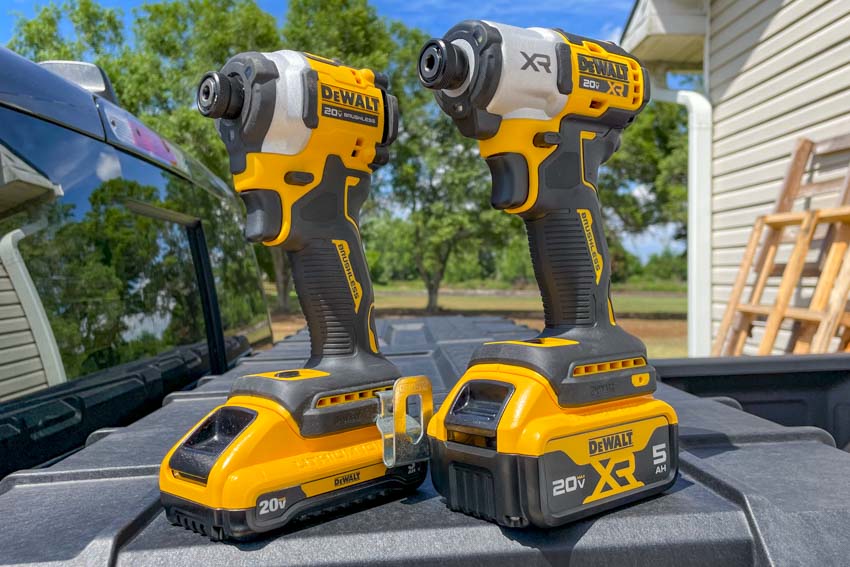
The XR line stands for “eXtreme Runtime.” These drills focus on long battery life and maximum power. They are built for heavy use and tough applications. The XR range has been around for years and is trusted by many professionals.
The Atomic line is newer. DeWalt markets these drills as compact, lightweight, and easy to handle. They are meant for users who need to work in tight spaces or carry their tools all day, but still want solid performance. Atomic drills are often less expensive than XR models, but they may not have as many features or as much raw power.
Key Differences Between Dewalt Xr And Atomic Drills
Choosing between the XR and Atomic lines means looking at several factors: size, weight, power, features, price, and intended use. Let’s break down these differences.
Size And Weight
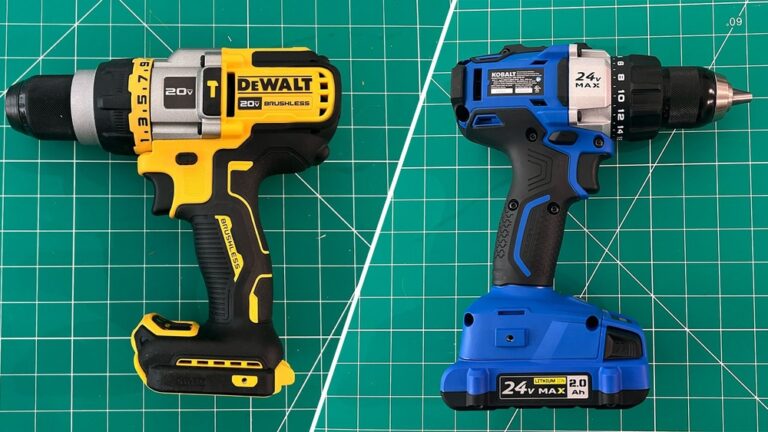
The most obvious difference is size. Atomic drills are smaller and lighter. For example, the DeWalt DCD708C2 Atomic drill is just 6.3 inches long and weighs about 2.4 pounds (without a battery). The XR equivalent, the DCD791D2, is 6.9 inches long and weighs around 3.4 pounds.
A lighter, shorter drill is easier to use in tight spaces, overhead, or for long periods. Atomic wins here if portability is your priority.
Power And Performance
XR drills are more powerful. They often have higher torque and faster speeds. This makes a big difference when drilling through tough materials like hardwood or thick metal.
For example:
- Atomic DCD708: Up to 340 UWO (unit watts out)
- XR DCD791: Up to 460 UWO
That means the XR can handle more demanding jobs with less strain.
Battery Life
Both lines use DeWalt’s 20V Max lithium-ion batteries, but XR drills are optimized for longer runtime. Their brushless motors and efficient electronics help you work longer between charges. If you use your drill all day, XR is the better bet.
Features And Build Quality
XR models often include extra features:
- LED work lights with multiple settings
- Metal chucks for added durability
- Multiple speed settings and advanced clutch systems
- Belt clips and bit holders
Atomic drills usually have simpler designs and fewer extras. This keeps the weight down and makes them cheaper, but some users may miss these features.
Price
Atomic drills cost less than XR drills. You can often save $40-$60 by choosing Atomic, especially if you only need basic drilling and driving.
Intended Use
- XR drills are best for professionals, contractors, or anyone who needs maximum power and runtime.
- Atomic drills are great for DIYers, homeowners, or users who value portability and work in tight spaces.
Side-by-side Comparison: Dewalt Xr Vs Atomic Drill
To make it easier to compare, here is a direct look at the two most popular models from each line.
| Feature | DeWalt XR (DCD791D2) | DeWalt Atomic (DCD708C2) |
|---|---|---|
| Motor | Brushless | Brushless |
| Max Torque | 460 UWO | 340 UWO |
| Speed Settings | 2 (0-550/0-2000 RPM) | 2 (0-450/0-1650 RPM) |
| Length | 6.9 in | 6.3 in |
| Weight (no battery) | 3.4 lbs | 2.4 lbs |
| Chuck | Metal 1/2″ ratcheting | Plastic 1/2″ |
| LED Light | 3 modes, spotlight | Single LED |
| Price (kit) | $180-$200 | $120-$140 |
Performance In Real-world Tasks
Drilling Into Wood
Both drills can handle basic drilling tasks in wood, such as making holes for shelves or cabinets. The Atomic’s compact size is helpful for working inside cabinets or closets. However, the XR’s extra power means it will drill faster and with less effort, especially when using larger drill bits.
Drilling Into Metal
This is where the difference becomes clear. The XR’s higher torque and better chuck grip make it a stronger choice for drilling into steel or thick aluminum. The Atomic can do it, but you may notice it bogs down or slows when you push it hard.
Driving Screws
For most household screws—like drywall, furniture, or decking—either drill works well. The Atomic’s light weight makes it less tiring for long projects. But if you need to drive long lag bolts or heavy-duty screws, the XR’s power will save you time.
Overhead And Tight Spaces
Atomic drills really shine when you’re working overhead (like installing ceiling fixtures) or in tight places (between wall studs, under sinks). The smaller size and lower weight reduce arm fatigue and make it easier to maneuver.
All-day, Heavy-duty Use
If you work on job sites or have a big project, the XR’s longer battery life and tough build make it the smart choice. The Atomic can keep up for smaller tasks, but its lighter build may wear out faster under constant, heavy use.

Credit: www.youtube.com
Durability And Build Quality
Both lines use brushless motors, which last longer and are more energy-efficient than brushed motors. However, XR drills generally have more metal parts (like the chuck and gearbox) and thicker casings. This means they can take more abuse, survive drops, and keep working in rough environments.
Atomic drills use more plastic in their construction to keep weight and cost down. They are still well-made, but not as rugged as XR models. If you’re tough on your tools, XR is the safer investment.
Battery Compatibility And Runtime
DeWalt’s 20V Max batteries work with both XR and Atomic drills. This is a big plus if you already own other DeWalt tools. You can swap batteries freely between drills, saws, impact drivers, and more.
XR drills are more efficient and can run longer on a single charge. Some users report getting several hours more runtime from the same battery compared to Atomic models, especially under heavy load.
Atomic drills use less power for light jobs, so if you only do quick tasks, you might not notice the difference. But for big projects, XR’s efficiency adds up.
Price And Value For Money
Price is a big factor for most buyers. Here’s a quick price comparison for the most common drill kits (including two batteries, charger, and case):
| Model | Kit Price (USD) | Best For |
|---|---|---|
| XR DCD791D2 | $180–$200 | Professionals, heavy users |
| Atomic DCD708C2 | $120–$140 | DIYers, occasional use |
Atomic kits are more affordable, making them attractive for homeowners or beginners. XR kits cost more, but you get higher performance, more features, and better durability.
One thing many beginners miss: the cost of extra batteries. XR drills may justify buying a second battery if you work long hours, so factor this into your budget.
Which Drill Is Right For You?
Deciding between the DeWalt XR and Atomic drill depends on your needs, work style, and budget. Here are some clear scenarios:
- Choose XR if:
- You need maximum power and long runtime.
- You drill into hard materials (metal, concrete, hardwood) often.
- You use your drill for hours every day or on job sites.
- You want the best durability and extra features.
- Choose Atomic if:
- You want a light, compact drill for tight spaces.
- You mostly do home repairs, furniture assembly, or light-duty work.
- You have a smaller budget.
- You value comfort and portability over raw power.
It’s also worth noting that many professionals own both types. They use the Atomic for light, quick jobs and the XR for big, tough tasks.
Non-obvious Insights For Buyers
- Balance and Ergonomics Matter More Than You Think: Many new users focus only on power specs. But how the drill feels in your hand makes a big difference after an hour of work. Try holding both models in-store if you can. Sometimes, the slightly heavier XR feels better balanced, especially with larger batteries.
- Charger Speed Can Affect Your Workflow: The standard charger in most Atomic kits is slower than the one in XR kits. If you plan to use your drill often, a fast charger (included with most XR kits) can keep you working without long breaks.
- LED Light Placement Affects Visibility: The XR’s advanced LED system can shine directly on your work, especially in dark corners. Atomic’s simpler light is helpful but less powerful. For jobs in low light, this small detail can make a big difference.
- Bit Grip and Chuck Quality: XR drills typically have a metal ratcheting chuck, which holds bits tighter and lasts longer. Atomic drills use more plastic. If you change bits often or use large bits, XR is more reliable.
- Warranty and Service: Both lines come with DeWalt’s standard 3-year warranty. However, XR models are often prioritized for repairs at DeWalt service centers, as they are considered “pro” tools. This can lead to faster turnaround if you need service.
User Experiences: What Owners Say
Most users are happy with both lines, but their reviews highlight the differences.
XR owners often praise the drill’s long battery life and ability to handle any job. Many mention using the XR model daily for years without issues. The extra power is especially valued for building decks, metal work, and renovation projects.
Atomic owners love the light weight and how easy the drill is to carry around. Many say it’s perfect for working inside cabinets, under sinks, or on ladders. Some users note that the Atomic struggles a bit with heavy-duty tasks, but for everyday drilling and driving, it gets the job done.
A common mistake beginners make: buying the Atomic for heavy construction work and being disappointed by its limits. For large jobs, XR is the safer choice.
Credit: www.protoolreviews.com
Availability And Model Variations
Both XR and Atomic lines offer several models, including drill/drivers, hammer drills, and combo kits. XR has a wider selection, including higher-end models with more features. Atomic focuses on core models and value kits.
It’s important to check the model number before buying. For example, DCD791 is an XR drill/driver, while DCD996 is an XR hammer drill. Atomic drills include DCD708 (drill/driver) and DCD709 (hammer drill). Make sure you choose the right type for your needs.
Accessories And Compatibility
Both lines work with standard 20V Max DeWalt batteries and chargers. You can use the same batteries across drills, saws, impact drivers, and more. This is a big advantage if you already own other DeWalt tools.
Atomic drills may come with smaller, lighter batteries (1. 3Ah), while XR kits often include higher-capacity packs (2. 0Ah or more). Higher amp-hour (Ah) batteries run longer but are heavier.
If you plan to expand your tool collection, it’s smart to start with a system (XR or Atomic) that matches your future needs.
Environmental And Health Considerations
Both XR and Atomic drills are made to high safety standards. The brushless motors produce less heat and noise, which is better for long-term use. The lighter Atomic models may reduce strain and fatigue, lowering the risk of repetitive stress injuries for some users.
Batteries contain lithium and should be recycled properly. DeWalt offers recycling programs for old batteries—check your local area for drop-off points.
Where To Buy
You can find both XR and Atomic drills at most hardware stores, big box retailers, and online shops. Prices may vary, so it’s worth watching for sales or bundle deals. Always buy from an authorized dealer to ensure you get the genuine product and full warranty.
For full technical details, you can visit the official DeWalt Drill Page.

Credit: www.reddit.com
Frequently Asked Questions
What Does Xr Mean On Dewalt Drills?
XR stands for “eXtreme Runtime.” It means the drill is designed for longer battery life and higher performance, using a brushless motor and advanced electronics. XR drills are often built for professional or heavy-duty use.
Are Atomic Drills Less Powerful Than Xr?
Yes, Atomic drills are generally less powerful than XR models. Atomic drills focus on compact size and light weight, while XR drills are built for maximum power and performance.
Can I Use The Same Batteries For Xr And Atomic Drills?
Yes, both XR and Atomic drills use DeWalt’s 20V Max batteries. You can swap batteries between them and other 20V Max DeWalt tools, making it easy to build a tool system.
Which Drill Should I Buy For Home Use?
For most home users, the Atomic drill is a good choice because it’s light, compact, and affordable. If you plan to do heavy-duty projects or work on renovations, the XR drill is worth the extra investment.
Are Dewalt Xr Drills Worth The Higher Price?
If you need more power, longer runtime, and extra features, XR drills are worth the higher price. They last longer and handle tough jobs better. For light, occasional use, the Atomic line gives good value.
Choosing the right drill can make every project easier. By understanding the differences between DeWalt XR and Atomic drills, you can pick the tool that fits your work, your hand, and your budget. Whether you’re a pro or a beginner, the right drill will help you get the job done with confidence.