Drilling and tapping are two key steps in many metalworking and construction projects. If you need to create a threaded hole for a 5/8 tap, choosing the right drill bit size is essential. Using the wrong size can lead to threads that are too loose, too tight, or even damaged. This article will guide you through every aspect of selecting the correct drill bit size for a 5/8 tap, explain the reasons behind the recommendation, and cover the 8 most important related considerations. Whether you are a beginner or an experienced machinist, understanding the specifics can help you avoid common mistakes and get strong, reliable threads every time.
Selecting the right drill bit is not just about following a chart. Different thread pitches, materials, and project needs can all affect the best choice. Many guides give a quick answer, but they often miss details that are crucial for high-quality results.
Here, you’ll find practical advice, real examples, and clear explanations based on industry standards. By the end, you’ll feel confident about choosing the right drill bit for any 5/8 tap job and understand why that choice matters.
Understanding Tap And Drill Sizes
Before focusing on the 5/8 tap, it’s important to know what tap sizes and drill bit sizes mean. Tapping is the process of cutting threads inside a drilled hole so a screw or bolt can fit. The drill bit creates the initial hole, and the tap forms the threads. If the hole is too small, the tap may break. If it’s too large, the threads will be weak.
For every tap size, there is a recommended drill size. This is called the tap drill size. The goal is to leave enough material for the threads but not so much that tapping is difficult or impossible.
Types Of Tap Threads
There are two main types of threads for taps:
- Coarse threads (UNC): Fewer threads per inch, deeper threads, used for general applications.
- Fine threads (UNF): More threads per inch, shallower threads, used when better hold or finer adjustment is needed.
The thread type affects the correct drill bit size. For a 5/8 tap, you must know the thread pitch (threads per inch, or TPI) to choose the right drill bit.
The Standard Drill Bit Size For A 5/8 Tap
For most 5/8 taps, the standard thread is 5/8-11 UNC, which means 5/8 inch diameter with 11 threads per inch (TPI). The recommended drill bit size for this is 17/32 inch.
Let’s look at the key numbers:
- Tap size: 5/8-11 UNC
- Drill bit size: 17/32 inch (0.53125 inches)
- Thread percentage: About 75% (this is the standard for strong, usable threads)
Why 17/32 inch? This size removes enough material for the tap to cut threads without being so large that the threads are weak. Using a smaller drill bit makes tapping harder and can break the tap, especially in hard metals.
8 Key Factors When Choosing Drill Bit Size For A 5/8 Tap
When selecting a drill bit for a 5/8 tap, there are 8 critical items you must consider. Each one can affect the final result, and understanding them will help you make the best choice for your project.
1. Thread Pitch (tpi)
The thread pitch is the number of threads per inch. For 5/8 taps, there are usually two common options:
- 5/8-11 UNC (Coarse): 11 threads per inch
- 5/8-18 UNF (Fine): 18 threads per inch
Each needs a different drill bit size:
- 5/8-11 UNC: Use 17/32 inch drill bit
- 5/8-18 UNF: Use 37/64 inch drill bit
Fine threads use a slightly larger drill bit because the threads are shallower.
Example:
If your bolt is 5/8-11, use 17/32 inch. If it’s 5/8-18, use 37/64 inch.
2. Material Being Drilled
The material affects how the drill bit and tap behave. Softer metals like aluminum are easier to drill and tap. Harder metals like stainless steel or cast iron are more difficult and can break taps.
For harder materials, some machinists use a slightly larger drill bit than the standard size. This reduces the force needed to tap and lowers the risk of breaking the tap, but it also creates slightly weaker threads.
Practical Tip:
- For mild steel: Use the standard drill size (17/32 inch for 5/8-11).
- For stainless steel or hard metals: You can use a drill bit up to 1/64 inch larger (e.g., 33/64 inch for 5/8-11) if tapping is too difficult.
3. Desired Thread Engagement
Thread engagement is how much the threads grip between the screw and the hole. The standard is about 75% engagement, which balances strength and ease of tapping.
- More engagement (smaller drill bit): Threads are stronger but harder to tap. There’s a higher risk of breaking the tap.
- Less engagement (larger drill bit): Easier to tap but weaker threads.
Most applications use the standard drill size for about 75% engagement. For critical, high-strength connections, stick to this standard. For temporary or low-stress connections, you can use a slightly larger drill bit.
4. Type Of Tap Used
There are different types of taps, such as:
- Hand taps: For manual tapping, slower, more controlled.
- Machine taps: For power tapping, faster, but require accurate alignment.
- Spiral point taps: Push chips ahead, good for through holes.
- Spiral flute taps: Pull chips back, good for blind holes.
Some taps work better with slightly different drill sizes, especially in hard materials or deep holes. Always check the tap manufacturer’s recommendations.
5. Depth Of The Hole
The depth of the tapped hole can affect which drill bit size you choose.
- Shallow holes: Standard size is fine.
- Deep holes: Tapping is harder, and chip removal becomes an issue. Using a slightly larger drill bit can help, but don’t go too large or you’ll lose thread strength.
Example:
If you are tapping a hole that is more than 2 times the diameter deep (e. g. , more than 1-1/4 inches for a 5/8 tap), consider using a tap with better chip removal or a slightly larger drill bit.
6. Drill Bit Quality And Condition
Using a worn out or low-quality drill bit will not give the right hole size. Bits wear down, especially in hard materials, and drilled holes become smaller than expected. This can make tapping very difficult.
Always use a sharp, high-quality drill bit, especially for larger sizes like 17/32 inch. Check the bit’s condition before starting.
Non-obvious Insight:
Many beginners don’t realize that a dull bit can make a hole 0. 005 to 0. 015 inches smaller than intended. This small difference can make tapping much harder.
7. Lubrication And Cooling
Drilling and tapping generate heat. Using cutting oil or lubricant helps in several ways:
- Reduces friction
- Helps remove chips
- Increases tool life
- Makes tapping easier
For hard metals or deep holes, lubrication is even more important. It can help you get better threads even if the drill bit size is not perfect.
8. Measuring Tools And Accuracy
Accurate measurement is crucial. Use the right tools to check both the drill bit and the finished hole. Calipers or micrometers can confirm you have the right size.
If you use a drill press, make sure it’s aligned. Handheld drills can wander, making holes slightly larger or smaller than expected. Always check before tapping.
Example:
If you drill by hand, measure the hole before tapping. If it’s too small, run the drill through again.
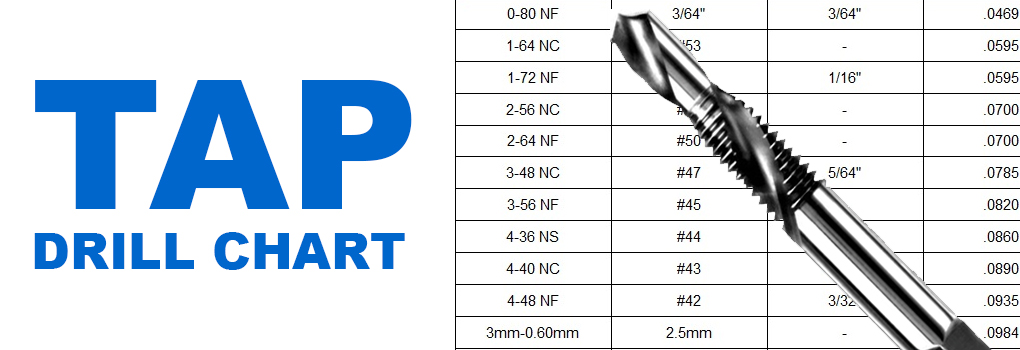
Comparison Table: 5/8 Tap Drill Bit Sizes By Thread Pitch
To help you choose the correct drill bit, here’s a quick comparison of the most common thread pitches for a 5/8 tap:
| Tap Size | Thread Pitch | Recommended Drill Bit Size | Decimal Equivalent (inches) |
|---|---|---|---|
| 5/8-11 UNC | 11 TPI (Coarse) | 17/32″ | 0.53125 |
| 5/8-18 UNF | 18 TPI (Fine) | 37/64″ | 0.578125 |
Credit: www.fastenere.com
How To Drill And Tap For A 5/8 Tap: Step-by-step
Getting a perfect threaded hole is about more than just picking a number from a chart. Here’s a step-by-step process to get reliable results.
1. Mark And Center Punch
Use a center punch to mark the drill spot. This keeps the drill bit from wandering and helps accuracy.
2. Drill The Hole
Use the correct drill bit for your tap size:
- For 5/8-11 tap: 17/32 inch drill bit
- For 5/8-18 tap: 37/64 inch drill bit
Drill slowly, especially in hard metals. Use lubricant to reduce friction and heat.
3. Deburr The Hole
After drilling, deburr the hole with a countersink or a file. This removes sharp edges and helps the tap start straight.
4. Align The Tap
Start the tap square to the surface. Use a tap guide if possible. If tapping by hand, go slowly and keep the tap straight.
5. Tap The Hole
Turn the tap slowly. Every full turn, back off a quarter turn to break the chips. Use more lubricant if needed. For deep holes, remove the tap often to clear chips.
6. Clean And Test
After tapping, clean the hole with compressed air or a brush. Test with the correct bolt to make sure the threads are clean and strong.
Table: Effects Of Drill Size On Thread Strength
Small changes in drill bit size can have a big effect on thread strength and tapping difficulty. Here’s how different drill sizes affect a 5/8-11 tap:
| Drill Bit Size | Thread Engagement (%) | Tapping Difficulty | Thread Strength |
|---|---|---|---|
| 33/64″ (0.5156″) | 85% | Very Hard | Very Strong |
| 17/32″ (0.53125″) | 75% | Normal | Strong |
| 35/64″ (0.5469″) | 65% | Easy | Medium |
This shows why using the standard size (17/32 inch) is usually best. Going smaller can break taps, while larger sizes reduce thread strength.
Non-obvious Insights For Better Results
Many beginners think drill bit size is the only thing that matters. However, here are two insights that are often missed:
- Tap Drill Depth: The drilled hole must be deeper than the final thread length. For a 5/8 tap, drill at least 1/4 to 3/8 inch deeper than the desired thread depth. This prevents the tap from bottoming out and damaging threads at the bottom.
- Thread Percentage and Application: You don’t always need 75% thread engagement. In high-volume manufacturing, using a slightly larger drill size (for example, 9/16 inch for 5/8-11) can speed up tapping and still provide enough strength for non-critical parts.
Common Mistakes To Avoid
Many problems with tapping come from simple mistakes. Here’s how to avoid them:
- Using the wrong drill size: Always double-check the thread pitch and recommended drill size.
- Skipping lubrication: Dry tapping increases friction and risk of broken taps.
- Not checking hole depth: Too shallow, and you won’t get full threads.
- Using a dull drill bit: Leads to undersized holes.
- Forcing the tap: Always back off to break chips and use steady, even pressure.
Table: Drill Bit Size Conversion (fractional, Letter, Metric)
Sometimes you may not have the exact fractional drill bit. Here are the closest alternatives for a 5/8-11 tap:
| Fractional Size | Letter Size | Metric Size | Difference from 17/32″ |
|---|---|---|---|
| 17/32″ (0.53125″) | — | 13.5 mm (0.5315″) | +0.00025″ |
| — | W (0.386″) | — | -0.14525″ |
| — | — | 13 mm (0.5118″) | -0.01945″ |
If you don’t have a 17/32 inch drill bit, a 13. 5 mm bit is the closest metric alternative.
When To Use A Different Drill Bit Size
There are times when you might use a different size than the standard 17/32 inch for a 5/8-11 tap:
- Very hard materials: Use the next size up, but only if thread strength is less critical.
- Manual tapping in deep holes: A slightly larger hole reduces effort.
- Loose fit needed: If the bolt does not need to be super tight, a larger drill bit makes assembly easier.
- High-precision work: Always use the standard size and check your tools.
Real-world Example: Repairing A Stripped Thread
Suppose you need to repair a stripped 5/8-11 thread in a steel part. After drilling out the damaged threads, you want to tap new ones.
- Step 1: Drill out the old threads with a 17/32 inch bit.
- Step 2: Use a tap guide to align the 5/8-11 tap.
- Step 3: Tap slowly, using lubricant.
- Result: Clean, strong threads ready for use.
If you use a smaller drill bit, the tap may break. If you use a larger bit, the new threads may not hold.
Tapping In Different Materials
Different materials react differently when drilled and tapped.
- Aluminum: Easy to drill and tap. Standard drill size (17/32 inch) works well.
- Brass: Similar to aluminum, but taps can grab. Use plenty of lubricant.
- Stainless steel: Hard to tap. Use cutting oil and consider the next size up for the drill bit if needed.
- Cast iron: Brittle, produces powdery chips. Use the standard drill size and go slowly.
Key Takeaways For A 5/8 Tap Drill Bit Size
- Standard size for 5/8-11 tap: 17/32 inch drill bit
- For 5/8-18 tap: 37/64 inch drill bit
- Always match drill bit to thread pitch
- Check material and application before deciding
- Use sharp, high-quality tools and lubrication
- Drill hole deeper than thread length
- Measure before tapping
Frequently Asked Questions

Credit: drillsandcutters.com
What Is The Correct Drill Bit Size For A 5/8-11 Tap?
The recommended drill bit size is 17/32 inch for a 5/8-11 tap. This size gives about 75% thread engagement, which is ideal for most applications. Using a different size can affect thread strength and tapping difficulty.
Can I Use A Metric Drill Bit For A 5/8 Tap?
Yes, if you don’t have a 17/32 inch drill bit, you can use a 13.5 mm bit, which is almost exactly the same size. Make sure to check the actual hole size with calipers before tapping.

Credit: marzamonopoli.it
What If My Hole Is Too Small For The Tap?
If the hole is too small, tapping will be very difficult and you risk breaking the tap. You should drill the hole again with the correct size before tapping. Never force a tap into an undersized hole.
Does The Type Of Metal Change The Drill Bit Size I Should Use?
For very hard metals like stainless steel, some machinists use a slightly larger drill bit (such as 33/64 inch for 5/8-11) to make tapping easier. For softer metals, use the standard size. Always balance ease of tapping with desired thread strength.
Where Can I Find More Information About Tap Drill Sizes?
A reliable source for tap drill sizes and charts is the Wikipedia page on Tap and Die. It includes tables and extra information for many different thread sizes and pitches.
Choosing the right drill bit size for a 5/8 tap is more than just picking a number. By considering thread pitch, material, engagement, and all eight key factors, you can get strong, reliable threads every time. Pay attention to details, use good tools, and don’t skip steps. This careful approach will save you time, money, and frustration on every project.