Drilling into walls is a common task, whether you’re hanging a picture frame, installing shelves, or running wires for a new TV. But not all walls are the same, and neither are the drill bits you use. Many DIYers and beginners wonder: can you use a wood drill bit on drywall? What happens if you do? And what’s the difference between these bits anyway? Making the right choice is more than just grabbing what’s handy—it can save your tools, your wall, and your time.
Let’s take a close look at wood drill bits and drywall, how they interact, and what you really need to know for your next project. You’ll learn how each tool works, the risks of using the wrong bit, and smart tips to get clean, safe holes every time.
Understanding Wood Drill Bits
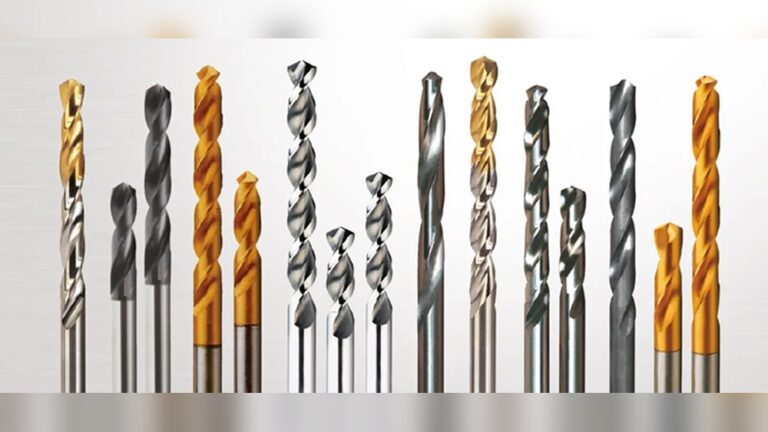
Before you grab a drill, it helps to know what a wood drill bit is designed for. These bits are made specifically for cutting through soft and hard woods, plywood, and sometimes plastic. There are several types, but most for home use share some features:
- Sharp point at the tip for easy starting
- Spiral flutes that remove wood chips as you drill
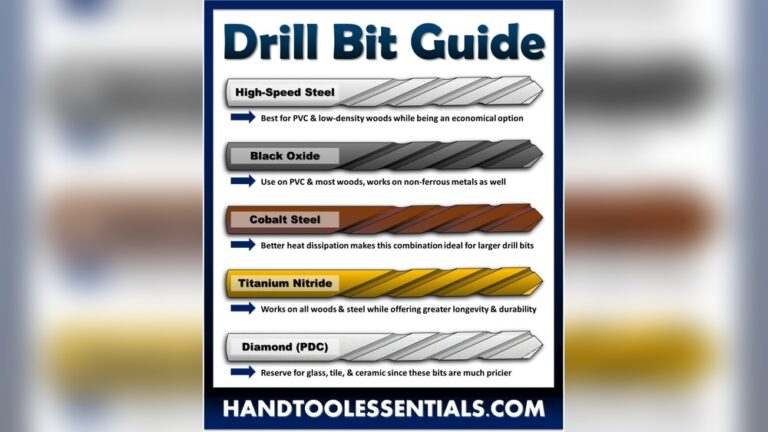
- Made from high-speed steel or carbon steel
Some common wood drill bits include:
- Twist bits – standard, all-purpose bits for wood and plastic
- Spade bits – flat blades for fast, large holes
- Brad point bits – with a sharp center point for clean entry holes
- Auger bits – deep, spiral bits for thick wood
The design gives smooth holes with little splintering. The sharp tip helps you drill exactly where you want, without the bit slipping or “walking” across the surface.
How A Wood Bit Works
When a wood drill bit spins, the sharp tip bites into the wood, and the flutes pull out the chips. Wood is strong but soft enough for the bit to cut through cleanly. If you use the right bit and keep it sharp, you get a neat, round hole.
What Is Drywall?
Drywall, also called gypsum board or plasterboard, is a common wall material in homes and offices. It’s made from a layer of gypsum plaster between two sheets of paper. Drywall is easy to cut and install, which is why it’s used almost everywhere for interior walls and ceilings.
Some key facts about drywall:
- Standard thickness is 1/2 inch (12.7mm), but it comes in other sizes
- It’s soft and fragile compared to wood or concrete
- The paper surface can tear if not handled carefully
- Used for both walls and ceilings
Because drywall is so soft, it’s much easier to damage than wood. Hanging objects on drywall often needs special anchors, not just screws.

Credit: www.youtube.com
Using Wood Drill Bits On Drywall: What Happens?
Many people use wood drill bits on drywall, especially for simple jobs like hanging pictures. But is this the best choice? Let’s look at what actually happens.
The Good
- Wood bits are sharp, so they cut through drywall easily.
- For small holes (up to 1/4 inch), wood bits often work fine.
- Most DIYers already have these bits at home.
The Bad
- The sharp tip can “punch” through the soft drywall too quickly, causing a messy hole.
- The bit may tear the paper surface, making it hard for anchors or screws to grip.
- Bits can clog with gypsum dust, making drilling less smooth.
- Large wood bits (spade or auger) can crack the drywall.
The Ugly
- If you’re not careful, you can break the drywall or create a “blown out” hole.
- Torn paper weakens the wall, so screws or anchors may pull out later.
Key Insight: While wood bits are “good enough” for small holes, they’re not ideal for neat, strong holes in drywall—especially for heavy objects or larger holes.
Drill Bit Types: What’s Best For Drywall?
Now let’s compare wood drill bits with other bits you might use on drywall. Here’s a quick overview:
| Bit Type | Best For | Drywall Suitability | Notes |
|---|---|---|---|
| Wood Drill Bit | Wood, plywood, soft materials | Okay for small holes | Can tear paper, messy holes |
| Masonry Bit | Brick, concrete, stone | Not recommended | Tip too blunt for drywall |
| Multi-purpose Bit | Wood, plastic, drywall, soft metal | Good | Does not tear drywall easily |
| Spade Bit | Large holes in wood | Risk of cracking drywall | Use with caution |
| Hole Saw | Large holes (wiring, pipes) | Excellent | Use pilot bit for clean start |
Multi-purpose bits or a hole saw are usually better for drywall, especially for holes larger than 1/4 inch.

Credit: www.wikihow.com
Risks Of Using The Wrong Bit
Choosing the wrong bit does more than make a messy hole. It can damage your wall, your tools, and your project. Here are the main risks:
- Torn Paper: The paper surface on drywall gives it much of its strength. When torn, the wall can crumble around the hole.
- Oversized Holes: Wood bits can “chew” drywall, making holes too large for anchors or screws.
- Blowouts: Drilling too fast or with the wrong bit can break off the back of the drywall, leaving a large, weak area.
- Anchor Failure: Most drywall anchors need a precise hole to grip. A rough hole means the anchor won’t hold.
- Bit Damage: Gypsum dust can dull wood bits or cause them to overheat.
Non-obvious Insight: Many beginners don’t realize that torn drywall paper can lead to long-term problems. Moisture can seep in, causing mold or weakening the wall even more.
How To Drill Clean Holes In Drywall
If you want neat holes in drywall, here’s how to do it right—even if you only have wood drill bits.
- Mark the Spot: Use a pencil to lightly mark where you want the hole.
- Use Painter’s Tape: Place a small square of tape over the spot to keep the paper from tearing.
- Start Slowly: Drill at low speed until the bit just breaks through the paper.
- Steady Pressure: Let the drill do the work—don’t push too hard.
- Stop at the Paper: For anchors, drill only as deep as needed.
- Clean the Hole: Brush away dust for a tight anchor fit.
If using a spade or auger bit, go even slower and avoid pushing through quickly.
Pro Tip: If you tear the paper, seal the hole edges with a little white glue before inserting an anchor. This strengthens the spot and prevents crumbling.

Credit: www.youtube.com
Drywall-specific Drill Bits
For frequent drilling into drywall, consider a drywall drill bit or a multi-material bit. These are designed to cut cleanly through soft materials without tearing the paper.
- Drywall bits have a blunt tip and wider flutes.
- Multi-material bits can handle wood, drywall, and plastic.
- Both types are widely available in hardware stores.
Are Drywall Bits Worth It?
If you do a lot of wall work—like hanging shelves, running cables, or mounting TVs—having the right bit saves time and frustration. For occasional home use, a sharp wood bit works, but invest in a drywall bit if you want perfect holes.
Anchors, Screws, And The Importance Of Hole Size
Drilling in drywall is just the first step. Most screws need an anchor to hold weight, since drywall is too soft for screws alone. The anchor expands inside the wall, holding the screw firmly.
Anchor types include:
- Plastic expansion anchors (for light loads)
- Toggle bolts (for heavy loads)
- Molly bolts (medium to heavy)
- Self-drilling anchors (no pre-drilling needed)
If the hole is too large or rough, anchors won’t grip. Always match the bit size to the anchor instructions.
| Anchor Type | Recommended Hole Size | Weight Limit | Notes |
|---|---|---|---|
| Plastic Expansion | Same as anchor diameter | 10-25 lbs | For pictures, small shelves |
| Toggle Bolt | 1/2 to 3/4 inch | Up to 100 lbs | Requires larger hole |
| Molly Bolt | Same as anchor | Up to 50 lbs | Works in thin drywall |
| Self-Drilling Anchor | No pre-drilling | Up to 50 lbs | Fast, but less precise |
Non-obvious Insight: Some anchors can crack drywall if the hole is too tight, so always double-check your bit size before drilling.
Repairing Damaged Drywall Holes
If you do end up with a torn or oversized hole, don’t worry. Here’s how to fix it:
- Remove Loose Paper: Peel off any loose or torn paper around the hole.
- Seal with Glue: Brush on a bit of white glue and let it dry. This hardens the edge.
- Fill the Hole: Use a small amount of joint compound (also called drywall mud) to fill and smooth the hole.
- Let Dry and Sand: Once dry, sand smooth with fine sandpaper.
- Redrill Carefully: After repair, drill a new, smaller hole if needed.
This repair keeps your wall strong and ready for anchors or screws.
Safety When Drilling Drywall
Drilling into drywall seems easy, but there are real dangers if you’re not careful:
- Hidden Wires or Pipes: Walls often have electrical wires, plumbing, or gas lines behind them. Drilling into these can be dangerous.
- Dust: Drilling makes fine dust—wear a mask and use a vacuum.
- Eye Protection: Even soft drywall can send dust or bits into your eyes.
- Ladder Safety: If working high up, use a stable ladder and don’t stretch.
Pro Tip: Use a stud finder with a wire-detection feature before drilling. It helps you avoid hidden surprises.
When To Use A Wood Bit Vs. Other Bits
Here’s a quick guide for common home drilling jobs:
- Hanging a picture (small hole): Wood bit is fine, but go slow.
- Installing a TV mount (large hole): Use a hole saw or multi-purpose bit.
- Running wires (large hole): Hole saw or spade bit with tape for a clean edge.
- Drilling in wood trim: Use a wood bit.
- Drilling in tile or brick: Use a masonry bit (never a wood bit).
Real-world Examples
To give you a clear picture, here are a few scenarios:
Example 1: Hanging a Clock
You need one small hole. A wood bit works, but place tape over the spot first. Drill slowly to avoid tearing the paper. Insert a plastic anchor.
Example 2: Installing Curtain Rods
Curtain rods need multiple holes, and the brackets can be heavy. Use a multi-purpose bit for a cleaner hole. Find a wall stud if possible for extra strength.
Example 3: Cutting a Hole for a Light Switch
You need a 2-inch hole. Use a hole saw with a pilot bit. Drill slowly to avoid cracking the wall. Support the area around the hole with your hand.
Common Mistakes When Drilling Drywall
Even experienced DIYers make mistakes with drywall. Here are a few to watch out for:
- Drilling too fast: This tears the paper and creates a weak hole.
- Using a dull bit: Dull bits crush drywall instead of cutting it.
- Wrong anchor size: If the anchor doesn’t fit snugly, it won’t hold.
- Skipping tape: Drilling without tape often leads to torn paper.
- Not checking for wires: Hitting a wire can be dangerous and expensive.
Pro Tip: Always check your bit for sharpness before starting, and replace dull bits. It makes a big difference in drywall.
Long-term Effects: Why It Matters
Why does a clean hole in drywall matter? Over time, damaged drywall can cause:
- Cracks around the hole
- Screws or anchors pulling out
- Moisture problems (if the paper is exposed)
- More repairs needed
A little extra care saves you from bigger repairs later.
Sustainable Choices: Minimizing Waste
Drilling only the holes you need, using the right bit, and repairing damage quickly all help your walls last longer. If you ever need to remove an anchor or screw, patch the hole right away. This stops the wall from getting worse.
Using a multi-purpose bit instead of a wood bit for drywall also means you don’t dull or break your wood bits, so your tools last longer.
Comparing Costs And Lifespan
How much does it matter which bit you use? Let’s look at costs:
- Wood drill bits: $2–$6 each, last a long time with wood, wear out quickly on drywall if used often.
- Multi-purpose bits: $5–$10 each, last longer on drywall and other materials.
- Drywall repair: A small repair kit costs $5–$15.
If you drill into drywall often, investing in the right bit saves money and repairs over time.
What The Pros Say
Professional handymen and contractors almost always use multi-purpose or drywall bits for wall jobs. They know that a clean hole means fewer call-backs and happier clients. If you want pro results, follow their lead.
For a deeper dive into drill bits and materials, check out this detailed resource from Wikipedia.
Frequently Asked Questions
What Happens If I Use A Wood Drill Bit On Drywall?
A wood drill bit will easily cut through drywall, but the sharp tip can tear the paper surface. This may create a messy hole and weaken the spot, making it harder for anchors or screws to hold. For small jobs, it’s usually fine, but for best results, use a multi-purpose bit.
Can I Use The Same Bit For Wood And Drywall?
Yes, you can use a multi-purpose bit for both wood and drywall. These bits are designed to handle both materials without tearing or dulling quickly. If you use a wood bit on drywall, keep it sharp and drill slowly.
What’s The Best Way To Avoid Damaging Drywall When Drilling?
Place a piece of painter’s tape over your mark before drilling. Drill slowly and stop as soon as you break through the paper. Use a sharp bit, and clean out the hole before inserting anchors or screws.
Do I Need Anchors In Drywall, Or Can I Screw Directly?
For most loads, you need an anchor. Drywall alone is too soft to hold screws securely. Only very light items (like small hooks) can use screws alone. Always follow anchor instructions for hole size and weight limits.
How Do I Fix A Hole I Drilled Too Large In Drywall?
Remove any loose paper, brush on some white glue to seal the edges, then fill the hole with joint compound. Once dry, sand it smooth and redrill a smaller hole if needed. This restores strength to the wall.
Choosing the right drill bit for drywall is a small detail that makes a big difference. By understanding your tools, your wall, and a few simple tricks, you can tackle any project with confidence and get lasting, pro-level results.