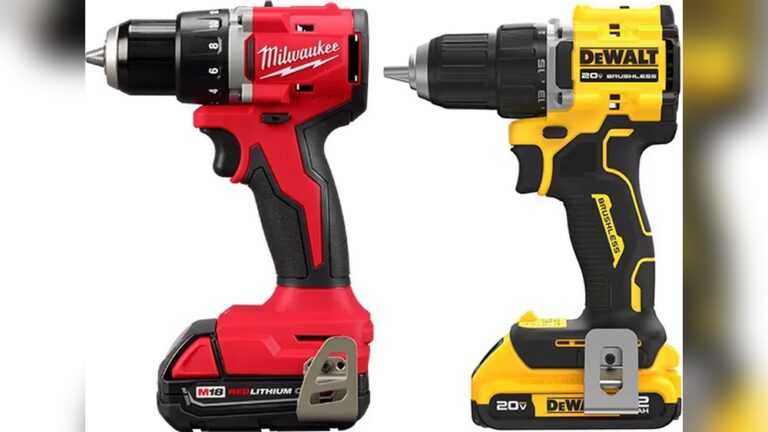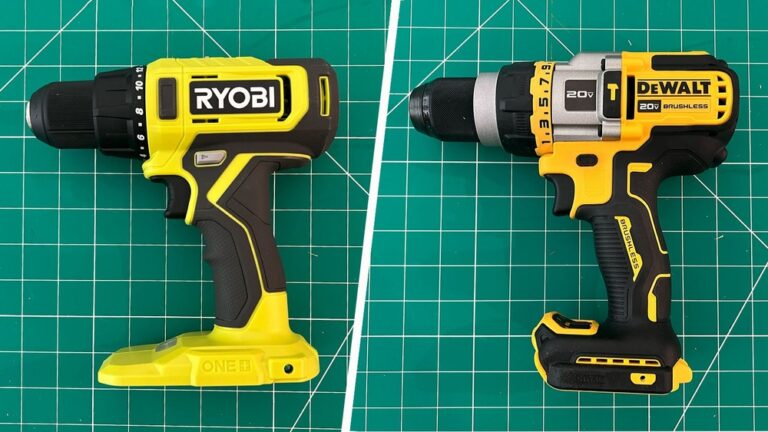
Choosing the right rotary hammer drill can make your work faster, easier, and safer—especially when facing tough concrete, brick, or stone. Two top brands dominate this world: Dewalt and Milwaukee. Both promise professional performance and have loyal fans, but which one is truly the better choice for you? The answer is not simple, because each brand brings different strengths, technologies, and user experiences. This guide gives you a deep look at Dewalt vs Milwaukee rotary hammer drills, so you can decide confidently and avoid the mistakes many buyers make.
What Is A Rotary Hammer Drill?
A rotary hammer drill is a powerful tool used mainly for drilling into hard materials like concrete, masonry, and stone. It uses a piston mechanism that delivers a rapid hammering action while the drill bit spins. This allows the drill to break up tough material more efficiently than a regular hammer drill or impact driver. Rotary hammer drills are essential for construction, renovation, and heavy-duty DIY projects.
Why Dewalt And Milwaukee Stand Out
Both Dewalt and Milwaukee have built reputations for quality, durability, and innovation. Professionals and serious DIYers often consider only these two when buying a new rotary hammer drill. But what makes them stand out?
- Dewalt: Known for reliable, user-friendly tools with a focus on safety and ergonomic design.
- Milwaukee: Famous for advanced technology, raw power, and rugged build quality.
Their rotary hammer drills are trusted on job sites worldwide, but each takes a different approach to performance and features.
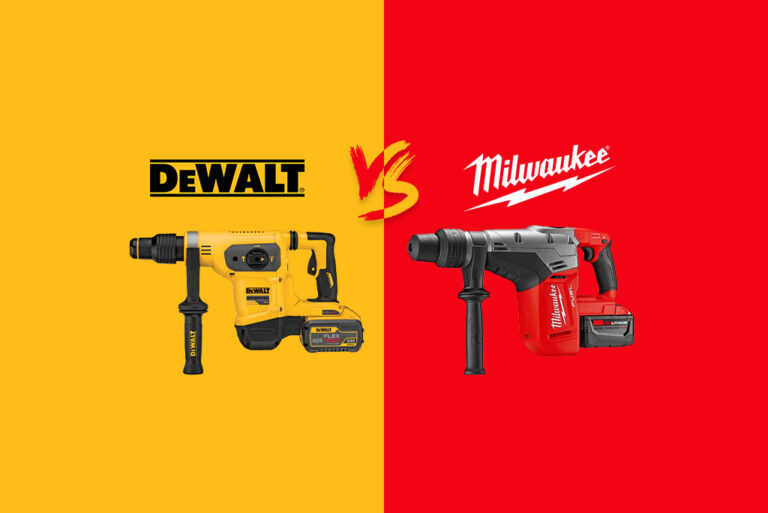
Credit: resources.ksrsales.com
Key Features To Consider When Comparing Dewalt And Milwaukee
Before deciding which brand suits you best, it’s important to understand the main factors that matter when choosing a rotary hammer drill.
1. Power And Performance
The most important thing for any rotary hammer drill is its drilling power. This includes:
- Impact energy (measured in Joules): Shows the strength of each hammer blow.
- No-load speed: How fast the bit spins when not under load.
- Blows per minute (BPM): How many hammer actions the tool delivers per minute.
A higher impact energy means the drill can handle tougher materials more easily.
2. Size And Weight
Rotary hammer drills come in different sizes and weights. Lighter models are easier to use for extended periods, especially above your head. Heavier models may offer more power, but can cause fatigue.
3. Vibration Control
Drilling into hard materials causes vibration, which can lead to user fatigue and even injury. Both Dewalt and Milwaukee use special technologies to reduce vibration, but their systems work differently.
4. Battery Vs Corded Models
Deciding between cordless (battery-powered) and corded (plug-in) models is key. Cordless models offer more freedom, but corded options can run longer without needing a recharge.
5. Chuck Type And Bit Compatibility
Most rotary hammer drills use SDS-Plus or SDS-Max chucks, which are designed for quick bit changes and better grip. Bit compatibility can affect which jobs you can do.
6. Durability And Warranty
These drills are an investment. You want a tool that lasts for years and a warranty that protects you from defects.
7. Price And Value
More expensive does not always mean better. Comparing price to features and long-term reliability is crucial.
Dewalt Rotary Hammer Drills: Overview And Strengths
Dewalt has a long history in power tools, and their rotary hammer drills reflect their reputation for reliability and user safety.
Dewalt’s Top Technologies
- SHOCKS™ Active Vibration Control: Reduces vibration, making work more comfortable.
- E-CLUTCH® system: Automatically shuts off the drill if it binds, protecting the user.
- Brushless motors: Found in most new models, these motors run cooler and last longer.
- FlexVolt® battery system: Allows higher voltage tools to run on the same batteries.
Popular Dewalt Rotary Hammer Models
Some of Dewalt’s most respected rotary hammer drills include:
- DCH273B 20V MAX SDS-Plus: Lightweight, cordless, excellent for overhead drilling.
- D25263K 8.5 Amp SDS-Plus: Corded, with strong impact energy and SHOCKS control.
- DCH481X2 60V MAX SDS-Max: Heavy-duty, cordless, for the toughest jobs.
Dewalt’s Main Advantages
- User comfort: Dewalt often leads in ergonomic design and vibration reduction.
- Safety features: E-CLUTCH and SHOCKS help prevent injuries.
- Wide battery compatibility: FlexVolt batteries work across many Dewalt tools.
- Reasonable pricing: Dewalt generally costs less than Milwaukee for similar features.
Where Dewalt Falls Short
- Less raw power: Dewalt sometimes offers lower impact energy than Milwaukee.
- Limited advanced electronics: Fewer smart features compared to Milwaukee.

Credit: www.youtube.com
Milwaukee Rotary Hammer Drills: Overview And Strengths
Milwaukee is known for pushing the limits of power and technology in their tools. Their rotary hammer drills are built for demanding users who need top performance.
Milwaukee’s Top Technologies
- AVS (Anti-Vibration System): Reduces vibration to protect users.
- REDLINK PLUS™ Intelligence: Advanced electronics that prevent overheating and maximize tool life.
- POWERSTATE™ brushless motors: Deliver more torque and longer tool life.
- M18™ and M28™ battery systems: Deliver strong, consistent power.
Popular Milwaukee Rotary Hammer Models
- 2712-20 M18 Fuel SDS-Plus: Cordless, strong impact energy, REDLINK electronics.
- 5262-21 1” SDS-Plus: Corded, lightweight, great for precise work.
- 2717-20 M18 Fuel SDS-Max: Heavy-duty, cordless, with high impact energy.
Milwaukee’s Main Advantages
- Superior power: Milwaukee often leads in impact energy and drilling speed.
- Smart electronics: REDLINK PLUS protects your tool and battery.
- Durable construction: These tools are built for tough job sites.
- Excellent battery life: M18 batteries are famous for lasting longer on a charge.
Where Milwaukee Falls Short
- Higher price: Milwaukee is usually more expensive.
- Heavier weight: Their most powerful models can be bulky and tiring.
Direct Comparison: Dewalt Vs Milwaukee Rotary Hammer Drills
To help you quickly see the differences, here’s a side-by-side look at two of the most popular cordless SDS-Plus rotary hammer drills from each brand.
| Feature | Dewalt DCH273B 20V MAX | Milwaukee 2712-20 M18 Fuel |
|---|---|---|
| Impact Energy | 2.1 Joules | 2.1 Joules |
| BPM (Blows/Min) | 0-4,600 | 0-4,900 |
| No-Load Speed | 0-1,100 RPM | 0-1,400 RPM |
| Weight (w/o battery) | 6.4 lbs (2.9 kg) | 7.0 lbs (3.2 kg) |
| Vibration Control | SHOCKS™ | AVS |
| Battery System | 20V MAX | M18 |
| Price Range | $250-300 (tool only) | $280-330 (tool only) |
Key insight: Both offer similar impact energy, but Milwaukee’s higher speed and BPM mean faster drilling in hard material. Dewalt is lighter and focuses more on user comfort.
Corded Models: Head-to-head
Corded rotary hammer drills are still popular for heavy, all-day use. Here’s a comparison of two respected corded SDS-Plus models.
| Feature | Dewalt D25263K | Milwaukee 5262-21 |
|---|---|---|
| Impact Energy | 3.0 Joules | 2.1 Joules |
| BPM (Blows/Min) | 0-4,500 | 0-4,620 |
| No-Load Speed | 0-1,450 RPM | 0-1,500 RPM |
| Weight | 6.8 lbs (3.1 kg) | 6.1 lbs (2.8 kg) |
| Vibration Control | SHOCKS™ | AVS |
| Price Range | $180-220 | $170-210 |
Key insight: Dewalt offers more impact energy, ideal for tough concrete. Milwaukee is lighter and drills slightly faster, which is useful for frequent use.
Sds-max Models For Heavy-duty Jobs
If you need maximum power for large holes or demolition, SDS-Max models are the top choice. Here’s how each brand’s cordless SDS-Max rotary hammer compares.
| Feature | Dewalt DCH481X2 60V MAX | Milwaukee 2717-20 M18 Fuel |
|---|---|---|
| Impact Energy | 6.1 Joules | 6.1 Joules |
| BPM (Blows/Min) | 0-3,050 | 0-2,900 |
| No-Load Speed | 0-540 RPM | 0-450 RPM |
| Weight (w/ battery) | 13.7 lbs (6.2 kg) | 12.9 lbs (5.8 kg) |
| Battery System | FlexVolt 60V MAX | M18 |
| Price Range | $650-700 (kit) | $700-800 (tool only) |
Key insight: Both offer serious power. Dewalt is faster and has a higher BPM, while Milwaukee is slightly lighter.
Real-world Performance: What Users Say
People who use these tools every day have strong opinions. Here’s what stands out in real job site use:
- Dewalt wins praise for lower vibration, lighter feel, and user safety. Many say it is better for long jobs or overhead drilling.
- Milwaukee gets top marks for speed and power. Users say it powers through concrete faster, especially with larger bits.
- Both brands have strong battery systems. However, Milwaukee’s M18 batteries often last longer under heavy use, while Dewalt’s FlexVolt offers more flexibility across different tools.
- Dewalt’s chucks are sometimes easier to change bits on, which speeds up workflow.
Non-obvious Insights Beginners Miss
- Battery platform matters for the future. If you already own tools from one brand, buying the same brand for your rotary hammer lets you use your existing batteries and chargers. This saves money and reduces downtime.
- Vibration affects job quality. Less vibration doesn’t just make you feel better—it also helps you drill straight, prevents mistakes, and reduces long-term hand and arm injury.
- Corded is not always better for long jobs. Modern high-capacity batteries now let cordless models work all day, especially with fast chargers and spare packs. Corded is only necessary if you never want to stop for battery swaps.
Common Buyer Mistakes
- Chasing the highest power. Many buyers think more Joules means better, but in real use, control and comfort often matter more, especially for smaller holes or overhead work.
- Ignoring vibration control. Fatigue from vibration can slow you down and cause mistakes. Always check what vibration control system the tool offers.
- Mixing battery platforms. Switching brands means extra chargers and batteries, which increases costs and clutter.
- Underestimating tool weight. Heavier tools are harder to use for long periods, especially for overhead or wall drilling.
Practical Tips For Choosing The Right Rotary Hammer Drill
- Match the tool to the job. For small anchors in masonry, an SDS-Plus cordless is usually enough. For large holes or demolition, consider an SDS-Max.
- Test the grip. Comfort and control are critical. Visit a store and hold both brands if possible.
- Check for safety features. An E-CLUTCH or electronic clutch is essential for preventing injuries from bit jams.
- Plan for accessories. Quality bits and dust extraction attachments can make a huge difference.
- Think about long-term value. A slightly higher price for durability and a strong warranty often pays off after years of use.
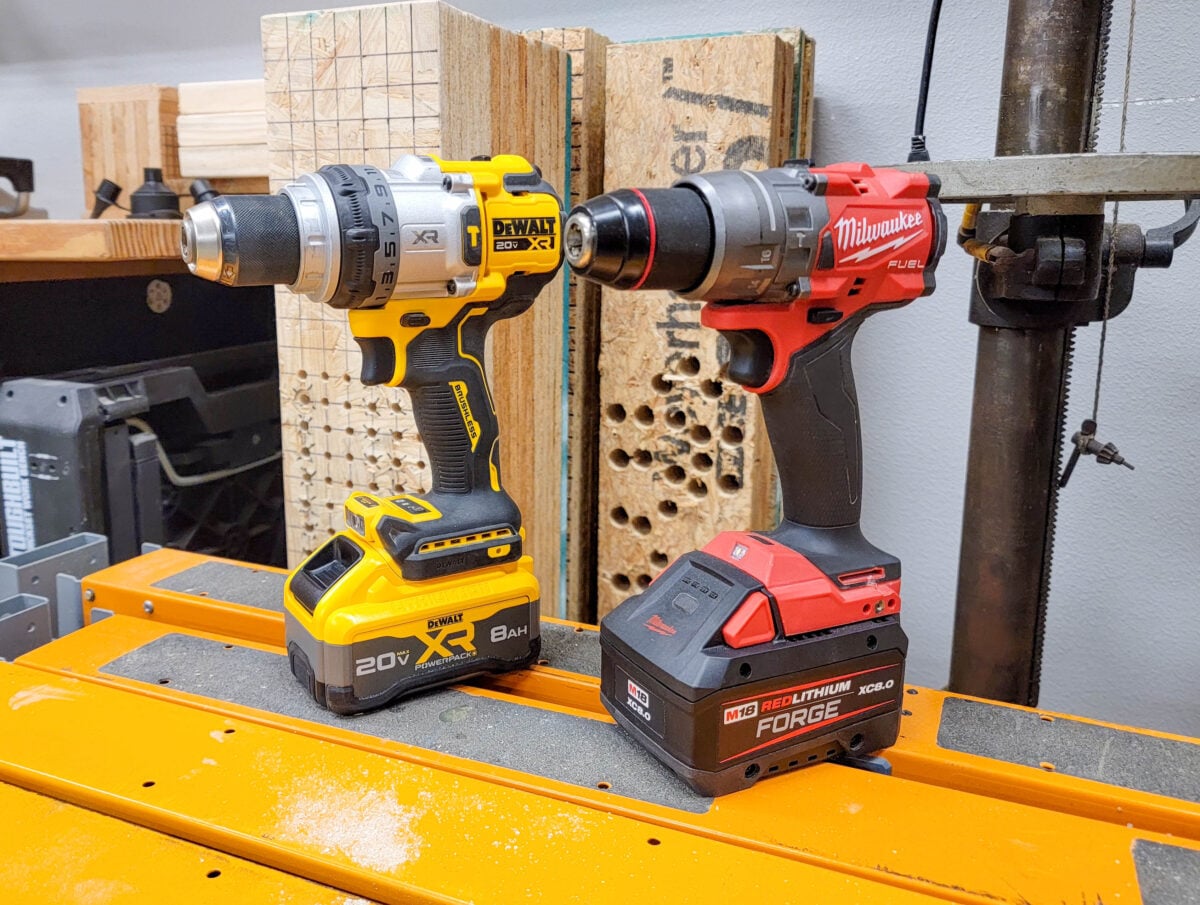
Credit: www.protoolreviews.com
Which Brand Is Best For You?
Dewalt is often the better choice if you value comfort, lower vibration, and safety features. It’s excellent for long hours, overhead work, and users who want a user-friendly experience. Dewalt’s battery flexibility also makes it a top pick if you already own other Dewalt cordless tools.
Milwaukee shines when you need maximum power, speed, and advanced electronics. If you’re drilling a lot of large holes or working with the hardest concrete, Milwaukee’s rotary hammer drills are usually faster and tougher. Milwaukee is also best if you already own other Milwaukee cordless tools.
Situations That Favor Dewalt
- You do a lot of overhead drilling (lighter, less vibration).
- You value safety features like E-CLUTCH.
- You want a lower price for similar specs.
- You already own Dewalt batteries and chargers.
Situations That Favor Milwaukee
- You need the highest speed and power.
- You drill large holes in tough material.
- You want the latest smart tool technology.
- You already use Milwaukee’s M18 system.
When To Choose A Different Brand
While Dewalt and Milwaukee are leaders, brands like Bosch and Makita also offer excellent rotary hammer drills, sometimes with better value or unique features. Research and compare if you want the absolute best fit for a special need.
If you want to see more about tool standards and types, the official Wikipedia rotary hammer drill page offers good background.
Frequently Asked Questions
What Is The Main Difference Between Sds-plus And Sds-max Rotary Hammers?
SDS-Plus is designed for smaller holes (up to about 1 inch/25mm) and uses lighter, more compact tools. SDS-Max is made for larger holes and heavier demolition work, with a thicker shank and more impact energy. Choose SDS-Plus for most anchors and light-duty work, SDS-Max for serious concrete jobs.
Are Dewalt Or Milwaukee Rotary Hammer Drills Better For Diy?
Both are excellent, but Dewalt often wins for DIY use due to lighter weight, lower vibration, and user-friendly features. Milwaukee shines for heavy, professional use.
Can I Use Dewalt Batteries With Milwaukee Tools?
No, Dewalt and Milwaukee have different battery systems. You cannot use Dewalt batteries in Milwaukee tools, or the other way around. Always choose tools that match your battery platform.
How Long Do Cordless Rotary Hammer Drill Batteries Last On A Single Charge?
It depends on battery size, tool power, and drilling conditions. For example, a Milwaukee M18 5. 0Ah battery can usually drill 40–50 1/4” holes (1 inch deep) in concrete per charge. Dewalt’s 5. 0Ah battery offers similar results. Heavier use or bigger holes drain batteries faster.
What Safety Features Should I Look For In A Rotary Hammer Drill?
Look for electronic clutches (like Dewalt’s E-CLUTCH), vibration control systems, and overload protection (like Milwaukee’s REDLINK PLUS). These features protect you from injuries and extend the tool’s life.
Choosing between Dewalt and Milwaukee rotary hammer drills is not just about brand loyalty—it’s about matching the right tool to your work style and needs. Focus on the features that matter most to you, and you’ll get a tool that serves you well for years.