Screwdriver Vs Drill: Which Tool Should You Choose And Why?
If you’ve ever tried to assemble furniture, hang a shelf, or tackle a home project, you’ve likely faced the classic debate: screwdriver vs drill. Both are essential tools in any toolbox, but they serve different purposes. Some people reach for a screwdriver without thinking, while others grab a drill for almost every task. But using the wrong tool can lead to wasted time, stripped screws, or even damage to your project. Understanding the differences, benefits, and limitations of each tool will help you work faster, safer, and with better results.
This article will guide you through everything you need to know about screwdrivers and drills. You’ll learn how each tool works, when to use one over the other, and which tool is best for specific jobs. We’ll cover their main features, types, pros and cons, practical examples, and even some common mistakes to avoid.
By the end, you’ll feel confident choosing the right tool for any task, whether you’re a beginner or an experienced DIY enthusiast.
What Is A Screwdriver?
A screwdriver is a hand tool designed for turning screws. It has a handle and a shaft with a tip that matches the head of a screw. Screwdrivers come in many shapes and sizes, with different tips for different screw heads, such as flathead, Phillips, Torx, and more.
Manual screwdrivers rely on your hand strength and wrist movement. They are straightforward, easy to use, and require no power source. Some screwdrivers have special features, like a ratcheting mechanism, magnetic tips, or interchangeable bits.
Main Types Of Screwdrivers
- Flathead (Slotted): A single flat blade, used for slotted screws.
- Phillips: A cross-shaped tip, designed for Phillips screws.
- Torx: Star-shaped, common in electronics and automotive work.
- Hex (Allen): Six-sided, used with hex screws, often in furniture and bicycles.
- Pozidriv: Similar to Phillips but with more contact points.
Each type is suited for different screws and tasks. For example, Phillips screwdrivers are common in household projects, while Torx drivers are found in electronics repair.
When To Use A Screwdriver
- Tightening or loosening a few screws
- Working in tight or delicate spaces
- Assembling furniture with pre-drilled holes
- Tasks where careful control is needed
- Projects involving electronics, eyeglasses, or small appliances
Manual screwdrivers are ideal for tasks where you need precision and a gentle touch. They’re also safer for delicate jobs, as you have more control and less risk of over-tightening or damaging the screw head.
What Is A Drill?
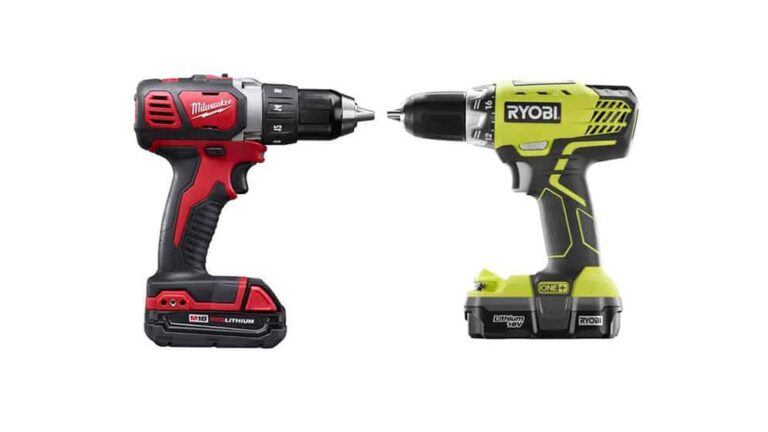
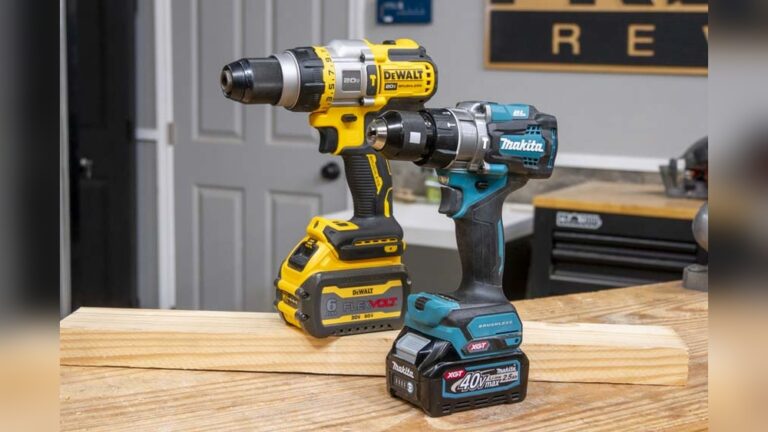
A drill is a power tool that uses a motor to rotate a drill bit or screwdriver bit at high speed. Drills are much more powerful than manual screwdrivers and can handle tougher materials, like wood, metal, and plastic. They can be corded (plugged into an outlet) or cordless (powered by rechargeable batteries).
Drills are not just for drilling holes—they can also drive screws quickly and efficiently. By attaching a screwdriver bit, a drill becomes a powerful screw-driving machine. Some advanced drills, like impact drivers and hammer drills, offer extra force for tough jobs.
Main Types Of Drills
- Drill Driver: Standard drill for drilling holes and driving screws; most common for home use.
- Impact Driver: Provides extra torque for driving large screws or bolts; great for construction.
- Hammer Drill: Adds a hammering action for drilling into concrete or brick.
- Corded Drill: Runs on electricity; offers consistent power but less mobility.
- Cordless Drill: Battery-powered; more portable and versatile.
Each type has its strengths. For instance, an impact driver is excellent for heavy-duty work, while a standard cordless drill is perfect for most household tasks.
When To Use A Drill
- Drilling holes in wood, metal, plastic, or masonry
- Driving many screws quickly (e.g., building a deck)
- Working with large or long screws
- Projects that require speed and power
- Removing stubborn or rusted screws
Drills make repetitive tasks faster and easier. They’re invaluable for construction, renovation, or any job where hand tools would take too long or require too much effort.
Key Differences Between Screwdrivers And Drills
To help you understand the differences more clearly, here is a comparison table:
| Feature | Screwdriver | Drill |
|---|---|---|
| Power Source | Manual (hand-powered) | Electric (corded or cordless) |
| Speed | Slow, controlled | Fast, adjustable |
| Precision | High | Medium to low |
| Best Use | Light tasks, delicate work | Heavy tasks, drilling, many screws |
| Cost | Low | Medium to high |
| Maintenance | Minimal | Needs charging or care |
| Noise | Silent | Loud |
| Weight | Light | Heavier |
One key insight is that drills can replace screwdrivers for many tasks, but not all. Manual screwdrivers still have an advantage in tight spaces, electronics, and situations where gentle force is required.
Advantages And Disadvantages
Pros And Cons Of Screwdrivers
Advantages:
- Simple to use and maintain
- Precise control, less risk of damaging screw or material
- Inexpensive and widely available
- Quiet, safe for all ages
- Lightweight and portable
Disadvantages:
- Slow for driving many screws
- Requires more physical effort
- Not suitable for hard materials or large screws
- Limited to screw-driving, can’t drill holes
Pros And Cons Of Drills
Advantages:
- Fast and efficient for many screws
- Can drill holes and drive screws
- Handles tough materials and bigger jobs
- Reduces physical strain
Disadvantages:
- More expensive
- Heavier, bulkier
- Risk of over-tightening or damaging screws
- Needs power (battery or cord)
- Can be noisy
Knowing these pros and cons helps you choose the right tool for your needs. For example, if you’re assembling a bookcase with 50 screws, a drill is a time-saver. But if you’re fixing a pair of glasses, a screwdriver is the safer option.
Real-world Examples: When To Use Each Tool
Let’s look at some practical examples:
- Building flat-pack furniture: A drill will save you time, but use a screwdriver for final tightening to avoid stripping the screws.
- Fixing a door hinge: Use a drill to remove and insert screws quickly, but switch to a screwdriver for precise alignment.
- Installing a wall shelf: Use a drill to make pilot holes in the wall, then drive screws with the same tool.
- Repairing electronics: Always use a small, manual screwdriver to avoid damaging components.
- Outdoor construction (like decking): A cordless drill or impact driver is essential due to the number and size of screws.
A common mistake is using a drill for delicate tasks. Drills are powerful and can easily strip screw heads, especially if you don’t set the clutch (torque control) properly. For tasks needing care, always finish by hand with a screwdriver.
Key Features To Look For
Choosing A Screwdriver
- Comfortable handle: Look for an ergonomic grip to reduce hand fatigue.
- Correct tip shape: Match the tip to your screw type for best results.
- Quality material: Hardened steel tips last longer.
- Magnetic tip: Helps hold screws in place, especially in tight spots.
- Ratcheting mechanism: Makes repetitive tasks easier.
Choosing A Drill
- Adjustable clutch: Controls torque to prevent over-tightening.
- Variable speed: Lets you control the drilling/driving speed.
- Battery life (for cordless): Longer run time is helpful for big projects.
- Power (voltage): Higher voltage (18V or more) means more power.
- Weight and balance: Choose a drill that feels comfortable to hold.
- Keyless chuck: Makes it easy to change bits without tools.
Beginners often overlook the importance of adjustable clutch settings on drills. Setting the clutch too high can strip screws or damage material. Always start on a lower setting and increase only if needed.
Cost Comparison: Screwdriver Vs Drill
Many people wonder about the price difference between these tools. Here’s a basic cost comparison:
| Tool | Price Range | Long-term Value |
|---|---|---|
| Screwdriver (manual) | $2 – $20 each | Lasts many years, low maintenance |
| Screwdriver set (multiple types) | $10 – $50 | Handles most home tasks, still cheap |
| Cordless drill | $40 – $200+ | Versatile, needs batteries and care |
| Impact driver | $70 – $250+ | Best for heavy-duty work |
While drills cost more upfront, their versatility makes them a good investment if you do many projects. A manual screwdriver is cheap, lasts almost forever, and is essential for any home or office.
Safety And Maintenance
Safety Tips For Screwdrivers
- Always use the correct size and type of tip.
- Do not use a screwdriver as a chisel or pry bar.
- Keep the handle dry to avoid slipping.
- Store in a toolbox or rack to prevent damage.
- Replace worn or damaged tips.
Safety Tips For Drills
- Wear safety glasses to protect your eyes from debris.
- Use the right bit for the material.
- Start with a slow speed, then increase as needed.
- Do not force the drill; let the tool do the work.
- Remove the battery or unplug before changing bits.
- Keep hair, jewelry, and loose clothing away from moving parts.
Maintenance Tips
- For screwdrivers: Wipe clean after use, occasionally oil the shaft, store tips dry.
- For drills: Keep batteries charged, clean vents to avoid overheating, check for loose parts, and store in a dry place.
Many beginners forget to check drill bits and screwdriver tips for wear. A worn bit can slip and damage screws or the material. Replace damaged bits immediately for best results.

Credit: www.reddit.com
Which Tool Is Best For You?
The choice depends on your needs:
- If you do occasional repairs or work with delicate items, a good set of screwdrivers is enough.
- If you build furniture, hang shelves, or do DIY often, a cordless drill will save you time and effort.
- For serious construction or renovation, both tools are necessary: Use the drill for speed, the screwdriver for control.
Remember, there is no “one tool fits all. ” Many professionals carry both—a drill for bulk work, a screwdriver for finishing and precise tasks.
Common Mistakes And How To Avoid Them
- Using the wrong tip: Leads to stripped screws. Always match the tip to the screw head.
- Over-tightening with a drill: Can damage the screw, material, or tool. Use the clutch setting.
- Ignoring safety: Not wearing eye protection or loose clothing can lead to injury.
- Forcing the tool: Let the tool do the work; forcing can cause slips or breakage.
- Not checking bit condition: Worn bits lead to poor results and wasted effort.
A non-obvious insight: Some screws require a pre-drilled hole (pilot hole) to avoid splitting wood. Drills can quickly make pilot holes, while screwdrivers can be used to start the screw gently.
Environmental Impact
Manual screwdrivers have a small environmental impact—they last a long time, require no batteries, and are recyclable. Drills, especially cordless models, use batteries that eventually need replacement and proper recycling. Choosing a quality drill and maintaining the battery extends its life and reduces waste.
For those concerned about energy use, manual screwdrivers are the most eco-friendly option for small tasks.
The Role Of Technology
Advances in technology have improved both tools. Modern drills are more powerful, lighter, and have longer battery life. Ratcheting screwdrivers and magnetic tips make manual work faster and easier. Some drills now come with brushless motors, which are more efficient and last longer.
If you want to explore more about tool evolution, you can read this article on the history of drills.
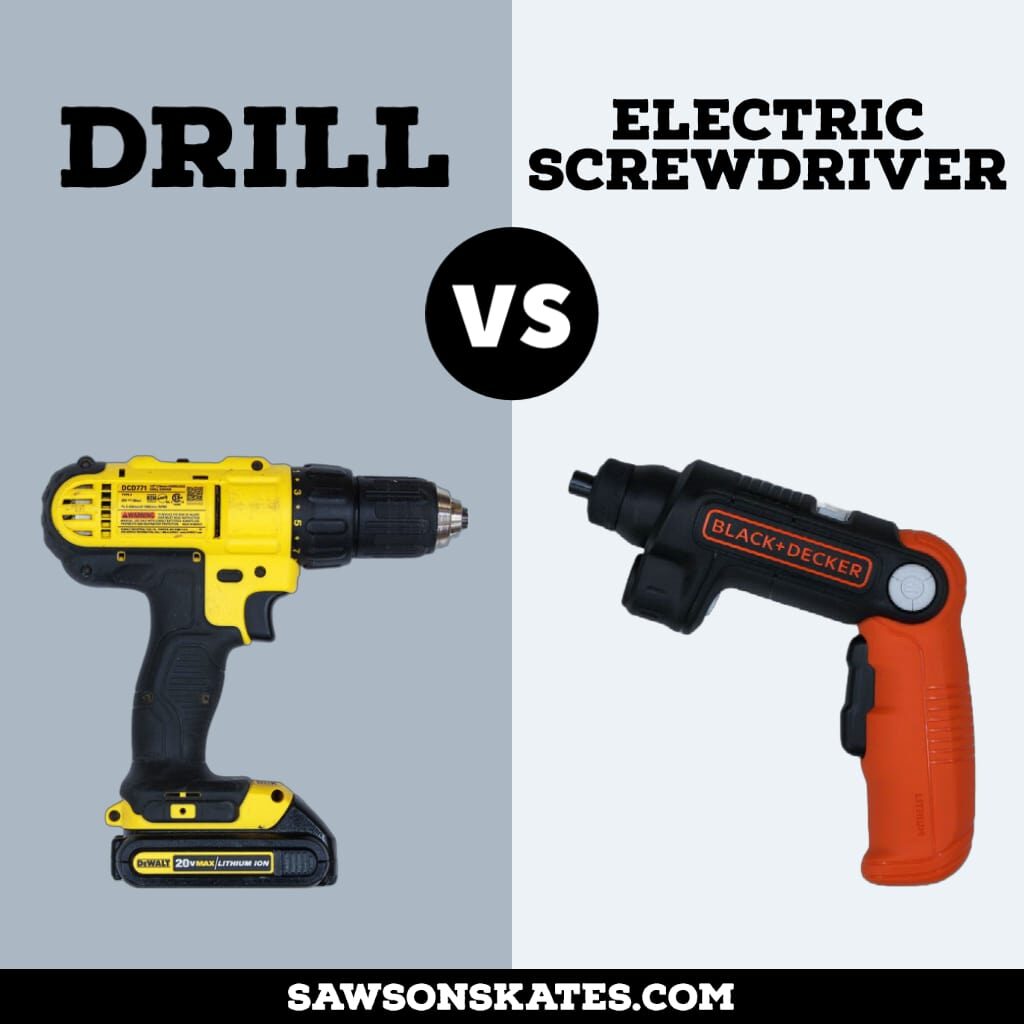
Credit: sawsonskates.com
Practical Tips For Beginners
- Start with a basic set: One flathead and one Phillips screwdriver, plus a mid-range cordless drill.
- Practice on scrap material to get a feel for how much force is needed.
- Use pilot holes for large screws or hard materials.
- Keep your tools clean and organized.
- Watch out for cheap, poorly made tools—they can break and cause injury.
A simple trick: For stubborn screws, rub the threads with a little soap or wax. This reduces friction, making it easier to drive the screw, especially with a manual screwdriver.
Frequently Asked Questions
What Is The Main Difference Between A Screwdriver And A Drill?
A screwdriver is a manual tool for turning screws, offering precision and control. A drill is a power tool that can drive screws much faster and drill holes in various materials, but it requires more care to avoid over-tightening or stripping screws.
Can I Use A Drill As A Screwdriver?
Yes, most drills can drive screws if you use a suitable screwdriver bit. However, for delicate tasks or final tightening, a manual screwdriver is safer and provides better control.
Which Is Better For Assembling Furniture?
A drill makes assembly much faster, especially for projects with many screws. However, finishing with a screwdriver avoids over-tightening and ensures screws are flush without damaging the material.
Do I Need Both Tools?
For most homes, having both is ideal. A drill saves time and effort for big jobs, while a screwdriver is essential for small repairs and delicate work. Many professionals carry both for flexibility.
How Can I Avoid Stripping Screws With A Drill?
Use the correct bit, set the drill’s clutch to a lower setting, and stop as soon as the screw is tight. For final tightening or delicate jobs, switch to a manual screwdriver.
Choosing between a screwdriver and a drill is not always simple, but with the right knowledge, you’ll select the best tool for every job. Both have a place in your toolbox, and mastering their use will make your DIY projects smoother, safer, and more enjoyable.

Credit: www.reddit.com