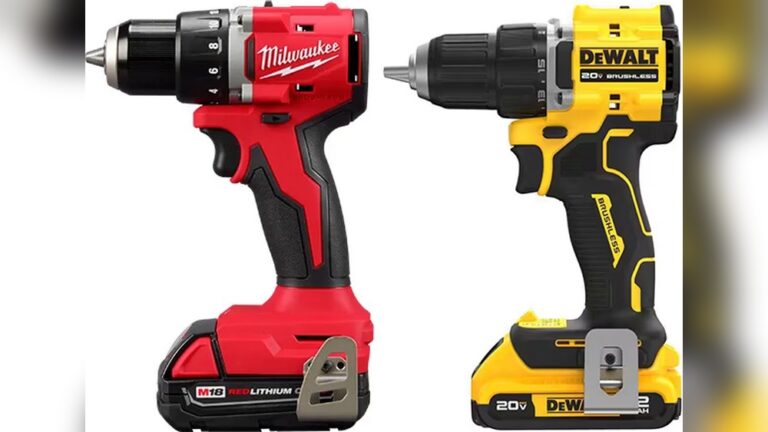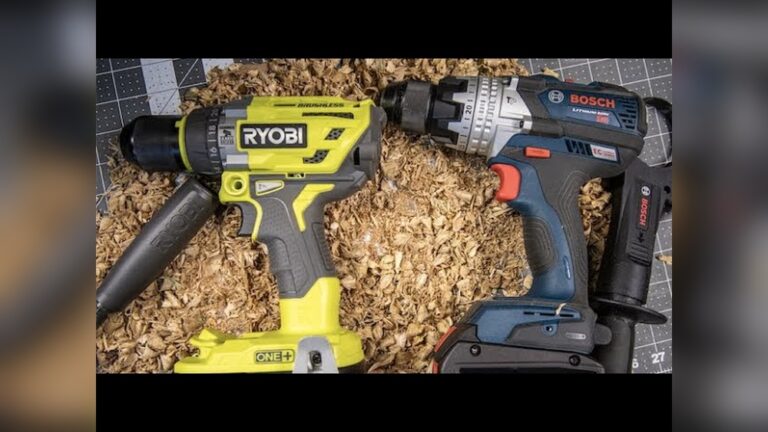
When you need to drill into tough materials like concrete, brick, or stone, a hammer drill makes the job much easier. Two of the most popular brands for both professionals and DIY users are Dewalt and Makita. Each company has a long history, passionate followers, and a reputation for making strong, reliable tools. But which brand should you choose for your next hammer drill? The answer is not simple because both have strengths, weaknesses, and unique features. This article will explore Dewalt and Makita hammer drills in detail, compare their performance, design, and value, and help you make a smart decision based on your needs.
Brand Backgrounds
Before looking at the drills, it helps to understand the companies behind them. Dewalt began in 1924 in the USA and quickly became known for innovation in power tools. Today, Dewalt is part of Stanley Black & Decker and is famous for its tough, job-site-ready tools. Many contractors trust Dewalt for heavy-duty work.
Makita started in Japan in 1915. Over the decades, Makita has built a reputation for smooth, high-quality tools with precise engineering. Their tools are often lighter and more compact than the competition, which appeals to professionals who need to work all day.
Both brands have global support, wide product lines, and strong warranties. But each brings its own approach to making hammer drills.
What Is A Hammer Drill?
A hammer drill is not just a regular drill. It adds a pounding action to the spinning motion of the bit. This makes it possible to drill into hard materials like masonry, concrete, and stone. With a switch, you can usually turn off the hammer action and use it as a regular drill, making it versatile for wood, metal, and plastic.
There are two main types: corded (plugged into the wall) and cordless (battery-powered). Most users today prefer cordless models for their convenience, but corded drills still have a place for heavy, continuous work.
Key Factors To Compare
When choosing between Dewalt and Makita hammer drills, several details matter. You should compare:
- Performance and Power
- Build Quality and Durability
- Ergonomics and Design
- Battery System (for cordless)
- Features and Accessories
- Price and Value
- Warranty and Support
Let’s take a closer look at each.
Performance And Power
Hammer drills must deliver enough torque (twisting force), BPM (blows per minute), and RPM (rotations per minute) to handle tough jobs.
Dewalt Hammer Drills
Dewalt’s best-selling cordless hammer drills, such as the DCD996 or DCD999, offer:
- Up to 820 unit watts out (UWO) of power
- 0-38,250 BPM for fast concrete drilling
- 3-speed all-metal transmission for control and flexibility
- Brushless motor for higher efficiency and life
In real use, these Dewalt drills can easily drive large bits into concrete, mix thick materials, and switch to regular drilling with no problem.
Makita Hammer Drills
Makita’s top models, like the XPH07Z or XPH14Z, are known for:
- 1,090 in-lbs. Of torque (industry-leading for its class)
- 0-31,500 BPM
- Mechanical and electronic clutch for precise control
- Advanced brushless motors
Makita often leads in torque, which means more raw power for tough drilling.
Real-world Example
If you need to drill multiple 1/2-inch holes in hard concrete, both brands will do the job, but Makita’s higher torque can make a noticeable difference with larger bits or in dense material. Dewalt, however, is known for a slightly faster drilling speed in lighter tasks.
Build Quality And Durability
A hammer drill must survive dust, drops, and heavy use. Both brands have invested in strong materials and smart design.
Dewalt
- Metal chuck and gear housing for strength
- Sealed switches to keep out dust and debris
- Improved cooling in brushless motors
Dewalt drills feel solid and are famous for taking job-site abuse. The yellow and black casing is not just for looks—it’s thick and impact-resistant.
Makita
- All-metal gear construction
- Extreme Protection Technology (XPT) for water and dust resistance
- Compact design reduces leverage damage if dropped
Makita’s quality control is strict. Many users notice fewer manufacturing defects in Makita tools. The blue-green casing is also strong, but the design focuses more on balance and comfort.
Non-obvious Insight
Many beginners overlook that Makita’s XPT system is especially helpful if you work outdoors or in dusty environments. It’s not just a marketing term—internal seals truly block fine particles that can kill lesser tools.
Ergonomics And Design
Comfort matters, especially if you drill for hours. Hand fatigue leads to mistakes and even injuries.
Dewalt
- Chunkier grip, fits larger hands well
- Heavier in the front, which helps with downward drilling
- Bright LED light near the trigger
- 3-speed transmission gives control for every job
Some users find Dewalt’s weight gives confidence, while others feel it gets heavy during overhead work.
Makita
- Lighter overall weight, often 0.5-1 pound less than Dewalt
- Thinner grip, suitable for smaller hands or precision work
- Well-balanced body, reduces wrist strain
- Dual-position LED lights for better visibility
Makita’s lighter weight makes it easier for long work sessions or tight spaces.
Data Comparison
Here is a quick look at two comparable flagship models:
| Model | Weight (w/ battery) | Length | LED Light |
|---|---|---|---|
| Dewalt DCD996 | 4.7 lbs | 8.4 in | Single, base-mounted |
| Makita XPH07Z | 5.9 lbs | 8.1 in | Dual, head-mounted |
Makita is usually a bit lighter, but Dewalt is more compact in length. LED placement can also matter in dark areas.
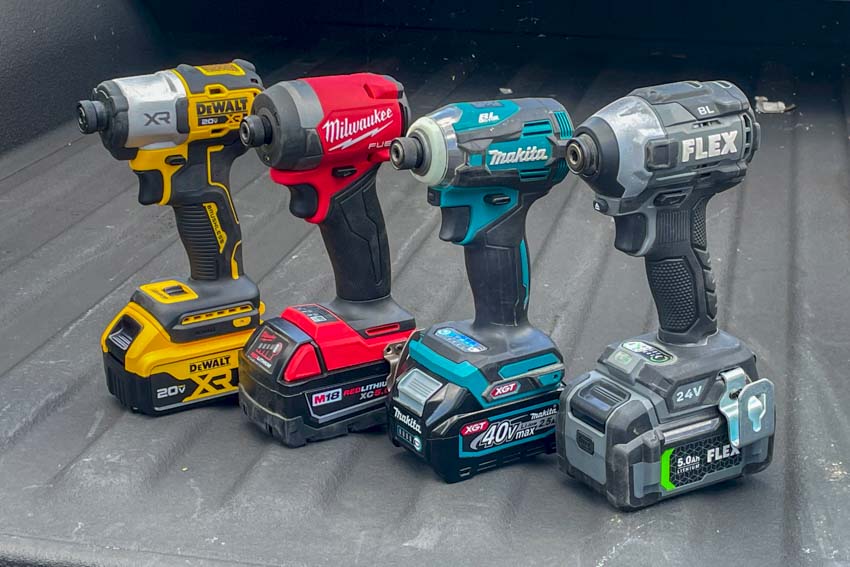
Credit: www.protoolreviews.com
Battery System And Runtime
With cordless drills, the battery platform can be more important than the tool itself. Both Dewalt and Makita use lithium-ion batteries but have different approaches.
Dewalt
- Uses the 20V MAX system (actually 18V nominal)
- FlexVolt batteries can switch between 20V and 60V for bigger tools
- Batteries fit a wide range of Dewalt tools
- Fuel gauge on most batteries
Dewalt batteries are known for fast charging and good cold-weather performance. FlexVolt is unique—no other major brand offers batteries that change voltage for bigger saws or drills.
Makita
- Uses the 18V LXT platform
- Some models offer X2 (using two batteries for 36V tools)
- Extremely fast chargers (some charge in as little as 22 minutes)
- Batteries are lighter for the same capacity
Makita’s battery system is more established globally. Their chargers are praised for cooling batteries while charging, which extends battery life.
Non-obvious Insight
If you already own tools from one brand, sticking with that battery platform saves a lot of money. Mixing brands means buying separate chargers and batteries, which adds up quickly.
Features And Accessories
Hammer drills are loaded with features, but not all are equally useful. Here’s how Dewalt and Makita compare:
Dewalt
- 3-speed transmission for precise control
- Side handle for stability during tough drilling
- Bit holder on the tool body
- LED spotlight mode with afterglow
The three speeds make Dewalt very flexible. The spotlight mode is handy when working in dark corners or attics.
Makita
- Variable speed trigger for fine control
- Mechanical/electronic clutch prevents overdriving screws
- Quick-shift mode for switching between drilling and driving
- Side handle and depth stop included in most kits
Makita’s clutch system is great for delicate jobs where you don’t want to strip screws. The depth stop helps with repeatable holes.
Accessories
Both brands offer kits with:
- Multiple drill bits for masonry and wood
- Extra batteries and a fast charger
- Hard or soft carrying cases
- Side handles and belt clips
But Makita often includes more accessories in the standard kit, while Dewalt sells more as add-ons.
Price And Value
The cost of a hammer drill depends on power, features, and included accessories.
Dewalt
- Mid to high price range
- Kits usually cost $180–$280 (with battery and charger)
- Bare tools (no battery) cost around $120–$180
Makita
- Similar price range, sometimes $10–$30 less for bare tools
- Kits run $170–$270, but often include more bits or accessories
- Batteries are slightly more expensive than Dewalt
Value Comparison
If you need a complete kit (drill, charger, battery, case), Makita is often a little cheaper. But Dewalt’s FlexVolt system can be a better value if you plan to buy more large tools in the future.
Warranty And Support
Both companies offer good support, but there are small differences.
Dewalt
- 3-year limited warranty
- 1-year free service
- 90-day money-back guarantee
- Wide network of service centers
Makita
- 3-year limited warranty on tools and batteries
- 30-day satisfaction guarantee
- Slightly fewer service centers in North America, but excellent support in Asia and Europe
Real-world Example
A Dewalt drill with a broken trigger was repaired under warranty in two weeks at a local center. A Makita user had a battery replaced free of charge with only a photo as proof.

Credit: www.youtube.com
Which Is Better For You?
The answer depends on your needs:
- Heavy-duty, all-day drilling: Makita’s higher torque and lighter weight may save fatigue.
- Versatility and future expansion: Dewalt’s FlexVolt system lets you use one battery for many tools.
- Accessory value: Makita kits often include more extras.
- Existing tools: Stick with your current battery platform unless you want to switch everything.
If you want the absolute most powerful cordless hammer drill, Makita’s XPH14Z is hard to beat. For a tough, flexible workhorse that handles anything from concrete to wood, Dewalt’s DCD996 is a safe bet.
Pros And Cons Summary
Here’s a quick summary to help you decide:
| Brand | Pros | Cons |
|---|---|---|
| Dewalt |
|
|
| Makita |
|
|

Credit: www.youtube.com
Common Mistakes When Buying
Many users make the following errors:
- Choosing by price only. The cheapest drill is not always the best value. Weak tools break faster or cannot handle tough jobs.
- Ignoring battery platform. Mixing brands means buying more batteries and chargers.
- Overlooking weight and size. A heavy drill can cause fatigue, especially for overhead work.
- Not checking warranty coverage. Service networks matter if something breaks.
- Forgetting about accessories. Kits may look more expensive but can save money compared to buying bits and batteries separately.
Practical Tips For Buyers
- Test the grip in-store if possible. Comfort is personal.
- Check kit contents. Sometimes a more expensive kit is a better deal when you need the extra batteries or bits.
- Read real-world reviews. Specs are one thing, but user experiences show true durability and performance.
- Look for deals on kits during holidays or tool promos.
- Consider weight and balance if you plan long work sessions.
Real User Stories
One contractor switched from Dewalt to Makita after his team complained about wrist fatigue. They found Makita’s lighter weight helpful for overhead drilling. However, he missed Dewalt’s tougher feel and ended up using both brands for different jobs.
A DIY homeowner bought Dewalt because his other tools were the same brand. He liked that the batteries were interchangeable but noticed the drill felt heavier after long projects.
Where To Learn More
If you want deep technical comparisons, check out the manufacturers’ official sites. For detailed specs and manuals, visit the Makita Official Website.
Frequently Asked Questions
Which Brand Has Better Battery Life, Dewalt Or Makita?
Makita batteries often last longer per charge because of efficient brushless motors and advanced chargers. However, Dewalt’s FlexVolt batteries can handle more demanding tools. In general, both offer good battery life for most users.
Can Dewalt And Makita Batteries Be Used Interchangeably?
No. Dewalt and Makita use different designs and voltages. Their batteries, chargers, and tools are not compatible. Mixing brands means you need to own separate batteries and chargers.
Is A Hammer Drill From Makita Lighter Than Dewalt?
Usually, yes. Makita’s hammer drills are often lighter by half a pound or more, especially in the same power class. This makes Makita a popular choice for long or overhead work.
Which Is More Suitable For Beginners?
Both are easy to use, but Makita’s lighter weight and simple controls may be better for beginners. Dewalt’s durability and clear labeling also help new users. Choose based on your preferred grip and feel.
Are Dewalt Hammer Drills More Expensive?
Prices are similar, but Dewalt kits can be slightly higher, especially with FlexVolt batteries. Makita often includes more accessories in the kit, which can give better value for the money.
Final Thoughts
Dewalt and Makita are both excellent choices for hammer drills, and you will not regret picking either. Dewalt offers toughness, flexibility, and a strong battery system. Makita leads with higher torque, lighter design, and advanced protection. The best choice depends on your needs, tool collection, and comfort in hand.
Remember, a good tool is an investment in your work—choose the one that fits you best, and it will serve you for many years.