Titanium drill bits are everywhere in workshops, factories, and home tool kits. But what makes them so popular? Why do professionals and hobbyists reach for these shiny, gold-colored bits when drilling into tough materials? The answer is not just their eye-catching look, but their performance, durability, and versatility.
Many people think titanium drill bits are made completely from titanium, but the truth is a bit different—and more interesting.
In this guide, you’ll discover exactly what titanium drill bits are used for, how they compare to other types, and why they matter for drilling tasks. We’ll explore their strengths, best practices, common mistakes, and even answer the most asked questions.
If you want to get the best results from your drilling projects and avoid wasting money or damaging your tools, understanding titanium drill bits is essential.
What Are Titanium Drill Bits?
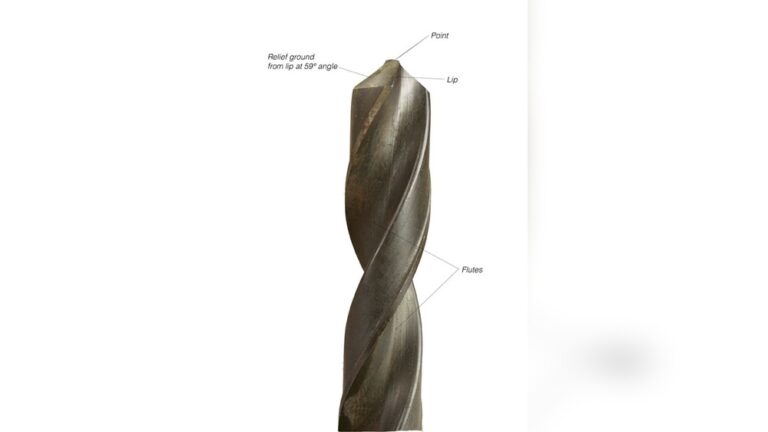
Titanium drill bits are not pure titanium. Instead, they are usually made from high-speed steel (HSS) and coated with a thin layer of titanium nitride (TiN), titanium carbonitride (TiCN), or titanium aluminum nitride (TiAlN). This coating makes the bits harder, smoother, and more resistant to heat and wear. The gold color comes from the titanium coating, which also gives them a professional look.
How Titanium Coating Works
The titanium coating is only a few microns thick, but it transforms the drill bit’s performance. Here’s how:
- Reduces friction between the bit and the material
- Increases hardness, letting the bit stay sharper longer
- Improves heat resistance, so the bit doesn’t dull quickly
- Extends lifespan compared to standard HSS bits
However, once the coating wears off, the benefits fade. Many beginners miss this: the coating is not permanent. If you sharpen a titanium bit, you often remove the coating, turning it back into a regular HSS bit.
What Makes Titanium Drill Bits Special?
Titanium drill bits are known for three main qualities: speed, durability, and versatility. But they also have limits. Understanding both sides helps you choose wisely and avoid common mistakes.
Key Advantages
- Faster drilling: Titanium bits cut cleaner and faster because of reduced friction.
- Longer life: They last up to 3X longer than uncoated HSS bits in normal use.
- Better heat resistance: Less risk of dulling due to overheating.
- Smooth chip removal: The coating helps chips slide off, reducing clogging.
- Wide compatibility: Can drill various materials (details below).
Common Limitations
- Not for hardened steel: They struggle with very hard metals.
- Coating wears off: Sharpening removes benefits.
- Not suitable for masonry: Concrete, brick, and stone require special bits.
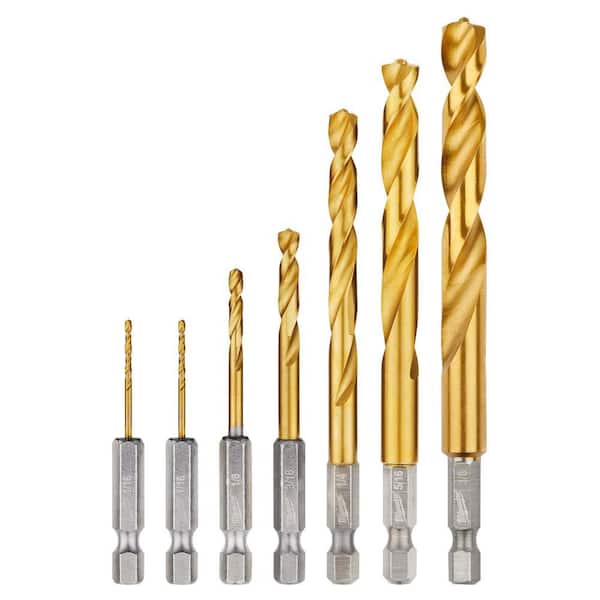
Credit: www.homedepot.com
What Are Titanium Drill Bits Used For?
Titanium drill bits are popular for many tasks. Let’s look at their main uses, with real-world examples.
1. Drilling Into Metal
Titanium drill bits excel at drilling into soft metals like aluminum, copper, brass, and mild steel. Their coating reduces friction, so they cut faster and stay sharp longer.
Example:
If you’re building a metal frame or installing shelves, titanium bits let you drill clean holes in steel without burning out quickly. For small-scale metal fabrication, they’re ideal.
2. Woodworking Projects
You might not expect a metal-focused bit to be good for wood, but titanium drill bits are great for woodworking. Their sharp edges and smooth coating help drill clean holes in hardwood, softwood, plywood, and MDF.
Example:
When making furniture or assembling cabinets, titanium bits create precise holes for screws or dowels. They minimize splintering, especially in hard woods.
3. Plastic And Acrylic
Plastics like PVC, polycarbonate, and acrylic often melt or crack with the wrong bit. Titanium drill bits are smooth and sharp, reducing heat buildup and preventing material damage.
Example:
If you’re installing plumbing pipes or making acrylic signs, titanium bits cut clean holes without melting the edges.
4. Sheet Metal Work
When working with sheet metal (thin steel, aluminum, copper), titanium bits are preferred for their speed and longevity. They reduce burrs and produce neat edges.
Example:
In HVAC installations or car repairs, you often need to drill through sheet metal for mounting parts or running wires. Titanium bits handle these jobs well.
5. Diy And Home Repairs
Titanium drill bits are perfect for general DIY tasks around the house. From hanging pictures to assembling furniture, their versatility makes them a go-to tool.
Example:
Mounting curtain rods, drilling pilot holes for screws in walls, or fixing door hinges—all can be done with titanium bits.
6. Electrical Work
Electricians use titanium bits to drill holes in electrical boxes, panels, and conduit pipes. The bits’ durability and clean cutting action make them suitable for these tasks.
Example:
Running new wiring or installing outlets often requires precise holes in metal or plastic boxes. Titanium bits help avoid messy edges.
7. Automotive Repairs
Mechanics and car enthusiasts use titanium drill bits for modifying or repairing vehicles. Drilling into metal body panels, brackets, or engine parts is easier with titanium-coated bits.
Example:
Installing custom lights, repairing rust holes, or adding hardware to your car is simpler and faster with these bits.
8. Assembly Line Manufacturing
In factories, time is money. Titanium bits speed up drilling tasks on assembly lines, especially for products made of metal or plastic.
Example:
Manufacturing electrical appliances or metal furniture involves drilling hundreds of holes. Titanium bits reduce downtime and tool changes.
9. Construction And Renovation
Builders and renovators use titanium bits for drilling into wood, soft metals, and plastics during construction projects. Their versatility cuts down on the need for multiple bit types.
Example:
Building a deck or renovating a kitchen means drilling through metal brackets, wood beams, and plastic pipes—all tasks suited to titanium bits.
10. Hobby And Craft Projects
Artists and hobbyists use titanium bits for precise holes in materials like wood, metal, plastic, and even bone or shells.
Example:
Making jewelry, model airplanes, or art installations often requires delicate drilling. Titanium bits offer control and clean results.
Materials Titanium Drill Bits Can Drill
Titanium drill bits work well on many materials, but some are better than others. Here’s a clear overview:
| Material | Performance | Notes |
|---|---|---|
| Aluminum | Excellent | Fast, clean holes |
| Mild Steel | Good | Lasts longer than HSS |
| Brass/Copper | Excellent | No clogging |
| Wood | Very Good | Clean edges |
| Plastic/Acrylic | Good | Low melting risk |
| Stainless Steel | Fair | Coating wears quickly |
| Concrete/Brick | Poor | Not recommended |
Non-obvious insight: Many people assume titanium bits are great for all metals, but on stainless steel and hardened steel, the coating wears off rapidly, reducing their lifespan and efficiency.
Titanium Drill Bits Vs. Other Drill Bits
Choosing the right drill bit is critical. Let’s compare titanium drill bits to other common types.
| Bit Type | Main Use | Durability | Price Range |
|---|---|---|---|
| HSS (High-Speed Steel) | General purpose | Basic | Low |
| Titanium-Coated | Wood, metal, plastic | Good | Medium |
| Cobalt | Hardened steel, stainless | Excellent | High |
| Carbide | Masonry, tile, stone | Superior | Very High |
Key Differences
- Titanium bits: Great for speed and longevity on soft metals, wood, and plastic.
- Cobalt bits: The best choice for tough metals, but more expensive.
- Carbide bits: Needed for masonry, but brittle and costly.
- HSS bits: Cheap but wear out quickly.
Non-obvious insight: Don’t use titanium bits for masonry or hardened steel. For those materials, carbide or cobalt bits are needed. Using titanium bits on hard materials is a common beginner mistake.
Types Of Titanium Drill Bits
Not all titanium drill bits are the same. There are several coatings and designs, each suited for different tasks.
Titanium Nitride (tin)
- Most common coating
- Gold color
- Good for general purpose on wood, metal, and plastic
Titanium Carbonitride (ticn)
- Harder and tougher
- Blue-gray color
- Better for abrasive materials and slightly harder metals
Titanium Aluminum Nitride (tialn)
- Best heat resistance
- Dark gray color
- Used in high-speed, industrial applications
Bit Shapes
Titanium bits come in several shapes:
- Twist bits: Standard shape, used for most materials
- Step bits: Used for enlarging holes in thin metal or plastic
- Brad point bits: For woodworking, provides clean entry and exit holes
How To Use Titanium Drill Bits Properly
Knowing how to use titanium drill bits the right way is just as important as picking the right bit. Here are practical steps and tips:
Step-by-step Guide
- Choose the correct bit size and shape for your material and hole.
- Secure your material using clamps to prevent movement.
- Mark the spot with a center punch for metal or a pencil for wood.
- Set drill speed: Use slower speeds for metal, higher for wood or plastic.
- Start drilling slowly to avoid wandering.
- Apply steady pressure—not too hard, not too soft.
- Use cutting oil for metal to keep the bit cool and prolong life.
- Clean the bit and hole after drilling.
Practical Examples
- For sheet metal, use a step bit for enlarging holes without tearing.
- For hardwood, use a brad point bit for precision.
- For plastic, keep speed low to avoid melting.
Common mistake: Many beginners drill too fast in metal, causing heat buildup and dulling the bit quickly. Always use the right speed.
Safety Tips When Using Titanium Drill Bits
Safety matters when working with any drill bit. Here are key tips:
- Wear safety glasses to protect eyes from flying chips.
- Use gloves when handling metal or sharp bits.
- Clamp the workpiece to prevent slipping.
- Keep hair and loose clothing away from moving parts.
- Check bits for damage before use.
Bonus tip: Never force a dull bit. It can break and cause injury.

Credit: www.reddit.com
How To Extend The Life Of Titanium Drill Bits
Titanium bits are durable, but you can make them last even longer with the right habits.
1. Use Correct Speed And Pressure
Drilling too fast or pressing too hard wears out the coating. Follow manufacturer guidelines.
2. Use Cutting Lubricant
For metal, a drop of oil keeps the bit cool and prevents coating loss.
3. Clean After Use
Wipe bits clean to remove debris and moisture.
4. Store Properly
Keep bits in a dry, organized case. Avoid throwing them in a drawer.
5. Avoid Sharpening
If you sharpen a titanium bit, you remove the coating. Replace when dull.
How To Choose The Right Titanium Drill Bit
Picking the right bit can save time and money. Here’s what really matters:
- Coating type: TiN is fine for most jobs; TiCN or TiAlN for tougher tasks.
- Size and shape: Match bit to material and hole size.
- Brand and quality: Cheap bits often have thin coating; trusted brands last longer.
- Price vs. value: Don’t just buy the cheapest—look for reliable performance.
Practical tip: For frequent metal drilling, invest in a set with step bits and cutting oil.
Real-world Examples Of Titanium Drill Bit Uses
Let’s look at three scenarios:
Example 1: Home Renovation
A homeowner wants to hang shelves. They need to drill through wooden studs and metal brackets. Using titanium bits, they get clean holes quickly and don’t need to switch bits.
Example 2: Car Repair
A mechanic needs to drill new holes in a car’s body panel for mounting hardware. Titanium bits cut through the mild steel without overheating, speeding up the process.
Example 3: Diy Electronics
A hobbyist builds a robot and drills holes in plastic and aluminum for mounting sensors. Titanium bits make clean, accurate holes and reduce the risk of cracking the parts.
Cost And Value: Are Titanium Drill Bits Worth It?
Titanium drill bits cost more than standard HSS bits, but less than cobalt or carbide bits. Is the price worth it?
Average Prices
- Titanium bit set (10–15 pieces): $15–$40
- HSS bit set: $8–$20
- Cobalt bit set: $30–$70
For most DIY and workshop tasks, titanium bits offer the best balance of cost and performance. They last longer than HSS, cut faster, and save time on projects. But if you need to drill hardened steel, invest in cobalt bits.
Data point: Tests show titanium bits last 2–3 times longer than HSS bits in mild steel.
Where To Buy Titanium Drill Bits
You can find titanium drill bits at hardware stores, online retailers, and tool specialty shops. Look for well-known brands like DeWalt, Bosch, and Irwin for reliable quality.
For more details on drill bit types and coatings, you can check Wikipedia.
Frequently Asked Questions
What Materials Can Titanium Drill Bits Drill?
Titanium drill bits work best on wood, soft metals (aluminum, brass, mild steel), and plastic. They can handle stainless steel, but the coating wears off quickly. Avoid using them on concrete, stone, or hardened steel.
Are Titanium Drill Bits Made Entirely From Titanium?
No, they are made from high-speed steel (HSS) and coated with titanium nitride (TiN) or similar materials. The coating improves hardness and performance, but the core is steel.
Can I Sharpen Titanium Drill Bits?
You can sharpen them, but you’ll lose the titanium coating. After sharpening, the bit performs like a regular HSS bit, with lower durability and heat resistance.
How Do Titanium Drill Bits Compare To Cobalt Drill Bits?
Titanium drill bits are great for speed and longevity on soft metals, wood, and plastic. Cobalt drill bits are better for hard metals like stainless steel and last longer in tough conditions. Cobalt bits cost more but are necessary for demanding jobs.
What Is The Most Common Mistake When Using Titanium Drill Bits?
Many people use them on hardened steel or masonry, which quickly ruins the coating and dulls the bit. Always match the bit to the material, and use proper speed and cutting oil for metal.
Titanium drill bits are a smart choice for many drilling tasks. Their coating gives you faster, cleaner, and longer-lasting performance on wood, soft metals, and plastic. By understanding their strengths, limits, and care tips, you can finish projects faster and with better results.
Whether you’re a pro or a beginner, knowing when and how to use titanium drill bits makes your work easier and safer.

Credit: www.reddit.com