If you’re shopping for a new drill, you might find yourself deciding between Dewalt and Porter Cable. Both brands are well-known for making power tools, and both have loyal fans. But when you start comparing their drills, things can get confusing. Which one is better for you? Is Dewalt really worth the extra cost? Or does Porter Cable offer enough power for most jobs? This guide will help you understand the main differences, the strengths and weaknesses of each, and how to choose the right drill for your needs.
Brand Backgrounds: Dewalt And Porter Cable
Before we dive into the drills, it helps to know a bit about the companies behind them. Dewalt has been around since 1924 and is famous for its yellow and black tools. Many professionals trust Dewalt for tough jobs because their products are known for durability and innovation. They often lead in developing new battery technology and tool features.
Porter Cable started even earlier, in 1906. While they’ve made high-quality tools for decades, today they are seen as a more budget-friendly brand. Porter Cable tools are popular with homeowners, DIYers, and anyone looking for reliable tools that don’t break the bank. Both brands are now owned by Stanley Black & Decker, but they keep their own styles and features.
Comparing Dewalt And Porter Cable Drills: What Matters Most
When choosing between Dewalt and Porter Cable drills, focus on the things that matter for real-life use. Here’s what most buyers care about:
- Power and Performance
- Build Quality and Durability
- Battery Technology
- Comfort and Ergonomics
- Features and Versatility
- Price and Value
- Warranty and Support
Let’s look at each of these areas in detail, with examples and data to help you decide.
Power And Performance
The power of a drill usually comes from its motor and battery (for cordless models). Dewalt and Porter Cable both offer corded and cordless drills, but most people today prefer cordless.
Drill Power Ratings Explained
Cordless drills are often rated by voltage. Higher voltage usually means more power. Most common are 12V, 18V, and 20V models. Both brands offer 20V drills, but the way they measure voltage can be confusing. Dewalt’s “20V Max” and Porter Cable’s “20V Max” are both based on maximum possible voltage, but in real use, they run at about 18V.
Dewalt Performance
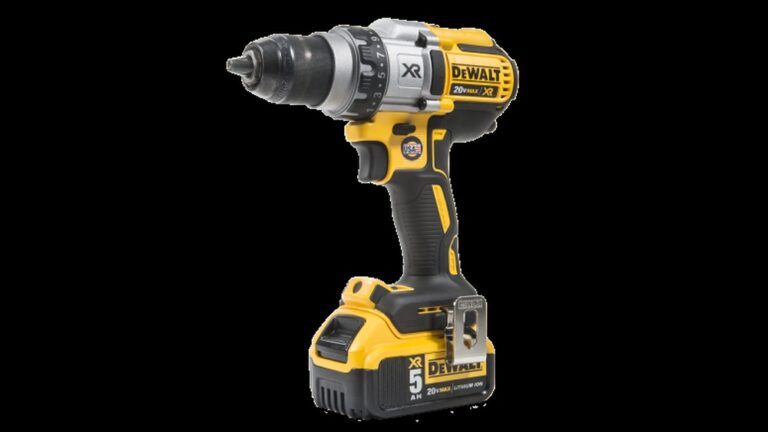
Dewalt drills often come with brushless motors, which are more efficient and last longer. For example, the Dewalt DCD791D2 20V MAX XR drill has a brushless motor that delivers up to 2,000 RPM and 530 in-lbs of torque. This kind of power is great for heavy-duty jobs like drilling into thick wood, metal, or masonry.
Porter Cable Performance
Porter Cable’s PCC601LB 20V MAX drill is a popular choice for home users. It has a brushed motor and offers up to 1,500 RPM and about 283 in-lbs of torque. This is enough for most household tasks, like hanging shelves, assembling furniture, or drilling into drywall.
Direct Comparison Example
Here’s a direct look at typical mid-range cordless drill specs from each brand:
| Brand/Model | Max Torque | Max RPM | Motor Type | Battery Voltage |
|---|---|---|---|---|
| Dewalt DCD791D2 | 530 in-lbs | 2,000 | Brushless | 20V Max |
| Porter Cable PCC601LB | 283 in-lbs | 1,500 | Brushed | 20V Max |
Insight: Many beginners only look at voltage. In reality, torque and motor type matter just as much. Dewalt offers higher torque and brushless motors more often, which means better performance for demanding jobs.
Build Quality And Durability
Dewalt is famous for building tough tools. Their drills often use high-quality plastics and metal gear casings. Many Dewalt drills are tested for drops and extreme conditions. That’s why construction workers and contractors often choose Dewalt for job sites.
Porter Cable drills use solid materials but focus more on keeping costs down. Most Porter Cable models use plastic gear housings and less rubber over-molding. They still last for years with moderate use, but they’re not built to handle heavy abuse every day.
Real-world Durability
- Dewalt drills can survive drops from ladders or rough transport in work vans.
- Porter Cable drills are great for around-the-house projects, but repeated rough treatment can cause parts to wear faster.
Hidden detail: Dewalt often uses metal chucks, which grip bits more securely and last longer. Porter Cable usually uses plastic chucks, which are lighter but can wear out faster if used hard.
Battery Technology
Cordless drills rely on their batteries. Both Dewalt and Porter Cable use lithium-ion batteries, but there are big differences.
Dewalt Batteries
Dewalt’s 20V Max batteries are known for long life and fast charging. They offer batteries in various sizes, from compact 1. 5Ah to heavy-duty 5. 0Ah or more. Dewalt also has “Flexvolt” batteries, which can switch between 20V and 60V for even more power.
Porter Cable Batteries
Porter Cable’s 20V Max batteries are compatible across their tool line, but usually come in 1. 3Ah or 1. 5Ah sizes. Larger 4. 0Ah batteries are available, but not as common. Charging time is usually a bit slower compared to Dewalt.
Battery Life Comparison
| Brand | Standard Battery (Ah) | Max Battery (Ah) | Average Charge Time |
|---|---|---|---|
| Dewalt | 2.0Ah | 9.0Ah (Flexvolt) | ~30 min (2.0Ah) |
| Porter Cable | 1.5Ah | 4.0Ah | ~45 min (1.5Ah) |
Key tip: If you plan to use your drill for long periods or heavy jobs, Dewalt’s higher-capacity batteries and faster chargers are a real advantage.
Comfort And Ergonomics
The way a drill feels in your hand makes a big difference, especially if you use it for hours.
Dewalt Ergonomics
Dewalt spends a lot of time designing their tools to be balanced and comfortable. Their handles are often rubberized and shaped to fit most hand sizes. Weight is usually well-balanced, so the drill doesn’t feel “top-heavy. ”
Porter Cable Ergonomics
Porter Cable drills are lighter, which can help reduce fatigue. The handles are also shaped for comfort, but may feel a bit bulkier for small hands. Because the materials are lighter, there’s a small trade-off in how solid the drill feels.
Pro insight: Professionals often notice less vibration with Dewalt drills, thanks to better motor and gear design. This matters if you do a lot of drilling in hard materials.
Features And Versatility
Modern drills come with extra features to make your life easier. Here’s how Dewalt and Porter Cable compare.
Speed Settings And Clutch
Both brands offer multiple speed settings and adjustable clutches. Dewalt often includes 2 or 3-speed transmissions, while Porter Cable sticks to 2 speeds in most models. The number of clutch settings (which control torque for driving screws) is similar—usually 15 to 20.
Built-in Light
Most Dewalt and Porter Cable drills have built-in LED lights, but Dewalt’s are usually brighter and better positioned. Some Dewalt models have a 20-minute shut-off delay, so the light stays on after you release the trigger.
Belt Clips And Bit Holders
Dewalt often includes a sturdy belt clip and magnetic bit holder on their drills. Porter Cable sometimes skips these, or the clips are smaller.
Specialty Models
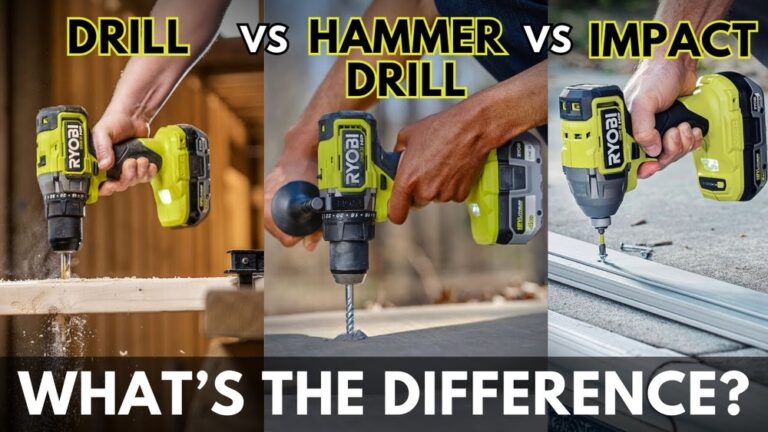
Dewalt offers more options, like hammer drills (for drilling into concrete), compact drills, and high-torque models. Porter Cable’s range is simpler, focusing on basic drills and driver kits.
Non-obvious feature: Dewalt’s XR line uses brushless motors, which not only boost power but also extend battery life and reduce maintenance needs. Many beginners miss how much this helps in real use.
Price And Value
Cost is a big factor for most buyers. Dewalt drills are usually more expensive—sometimes twice the price of a similar Porter Cable model.
Example Price Comparison
- Dewalt DCD791D2 20V MAX XR Kit: Around $180–$200 (includes 2 batteries, charger, case)
- Porter Cable PCC601LB 20V MAX Kit: Around $80–$100 (includes 2 batteries, charger, bag)
Why the big difference? Dewalt’s higher price comes from better motors, higher torque, stronger materials, and longer battery life. Porter Cable aims to give you “good enough” performance for a lower price.
Value For Money
- Choose Dewalt if you need a drill for professional work, want extra power, or expect to use it daily for years.
- Choose Porter Cable if you need a drill for home repairs, light carpentry, or projects a few times a month.
Hidden value: Dewalt batteries and chargers work across a huge range of tools. If you plan to buy other tools (like saws or impact drivers), this can save money in the long run.

Credit: www.youtube.com
Warranty And Support
Both brands offer warranties, but there are important differences.
Dewalt Warranty
Dewalt usually gives a 3-year limited warranty, 1 year of free service, and a 90-day money-back guarantee. Support is strong, with many service centers and online help.
Porter Cable Warranty
Porter Cable typically offers a 3-year limited warranty, but the details are slightly less generous. There’s a 1-year service agreement, but fewer service locations and support options.
Quick tip: Always register your tool online after buying to make warranty claims faster and easier.
Use Cases: Which Brand Fits Your Needs?
Every user is different. Here’s a summary of which brand fits certain needs best.
For Professionals And Contractors
- Heavy daily use
- Drilling into tough materials
- Need for reliability and power
Best fit: Dewalt
For Diyers And Homeowners
- Occasional repairs and projects
- Light to medium-duty drilling and driving
- Budget-conscious
Best fit: Porter Cable
For Hobbyists And Beginners
- Learning tool basics
- Small woodworking or crafts
Best fit: Porter Cable (unless you want to invest for the long term)
Insight: Many people overbuy—choosing a pro-grade Dewalt when a Porter Cable would do the job. Think about your actual needs, not just the brand name.
Credit: powertoolsadapters.com
Real User Experiences
Looking at reviews and user feedback can reveal things you won’t find in the specs.
- Dewalt users often mention their drills lasting 5–10 years, surviving drops, and powering through tough jobs without overheating.
- Porter Cable users praise the value for money, light weight, and ease of use for home projects. However, some report batteries wearing out faster or the chuck loosening over time with heavy use.
One example: A contractor who switched from Porter Cable to Dewalt reported fewer stalled drills and less battery swapping on big jobs. A homeowner who bought Porter Cable was happy after three years of casual use, with only minor battery loss.
Side-by-side Feature Comparison
For a quick at-a-glance view, here’s a table comparing the most important features between a typical Dewalt and Porter Cable drill.
| Feature | Dewalt | Porter Cable |
|---|---|---|
| Motor Type | Brushless/Brushed | Brushed |
| Max Torque | Up to 530 in-lbs | Up to 283 in-lbs |
| Battery Options | 1.5Ah–9.0Ah | 1.3Ah–4.0Ah |
| LED Light | Yes, bright and delayed shutoff | Yes, basic |
| Build Quality | High, metal parts | Good, more plastic |
| Warranty | 3 years, 1 year service | 3 years, 1 year service |
| Price Range | $$$ | $$ |
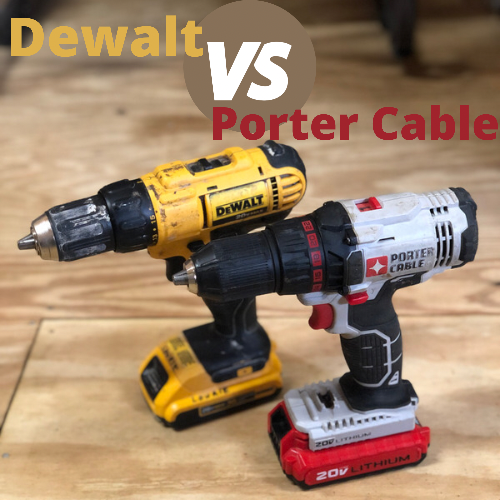
Credit: mysplitlevel.com
Common Buyer Mistakes
Even experienced buyers sometimes make the wrong choice. Here are common mistakes to avoid:
- Only looking at voltage. Higher voltage doesn’t always mean better performance. Check torque and motor type.
- Ignoring battery size and compatibility. Small batteries drain fast. Make sure your drill can use larger batteries if needed.
- Forgetting about tool families. If you want to add more tools later, staying with one brand saves money on batteries and chargers.
- Overbuying features. Extra speed settings or a hammer function are great, but only if you’ll use them.
- Not considering weight. Heavier drills tire your arm quickly. Test the feel before buying if possible.
Practical advice: Write down what jobs you expect to do in the next year. Then match the drill to those needs, not to the “best” on paper.
Which Should You Buy: Dewalt Or Porter Cable?
If you need a tool for professional work, or you want something that will last a decade, Dewalt is the better investment. The higher price brings more power, better batteries, and a stronger build. For heavy-duty drilling, construction, or everyday use, Dewalt’s reliability pays off.
If you’re a homeowner, hobbyist, or just starting out, Porter Cable gives you great value. It’s powerful enough for most tasks, costs much less, and is easy to use. As long as you don’t need to drill into masonry every day, Porter Cable is a smart choice.
In the end, both brands can do the job. The best choice depends on how much you’ll use the drill, your budget, and whether you plan to build a set of matching tools.
For more detailed specs and reviews, you can check the official Dewalt and Porter Cable sites or a trusted resource like Consumer Reports.
Frequently Asked Questions
Which Brand Is Better For Beginners, Dewalt Or Porter Cable?
Porter Cable is usually better for beginners. The drills are lighter, simpler, and cost less. They’re easy to handle for most home projects. Dewalt is a good choice if you want to learn with a pro tool from the start, but most beginners won’t need the extra power.
Do Dewalt And Porter Cable Batteries Work With Each Other?
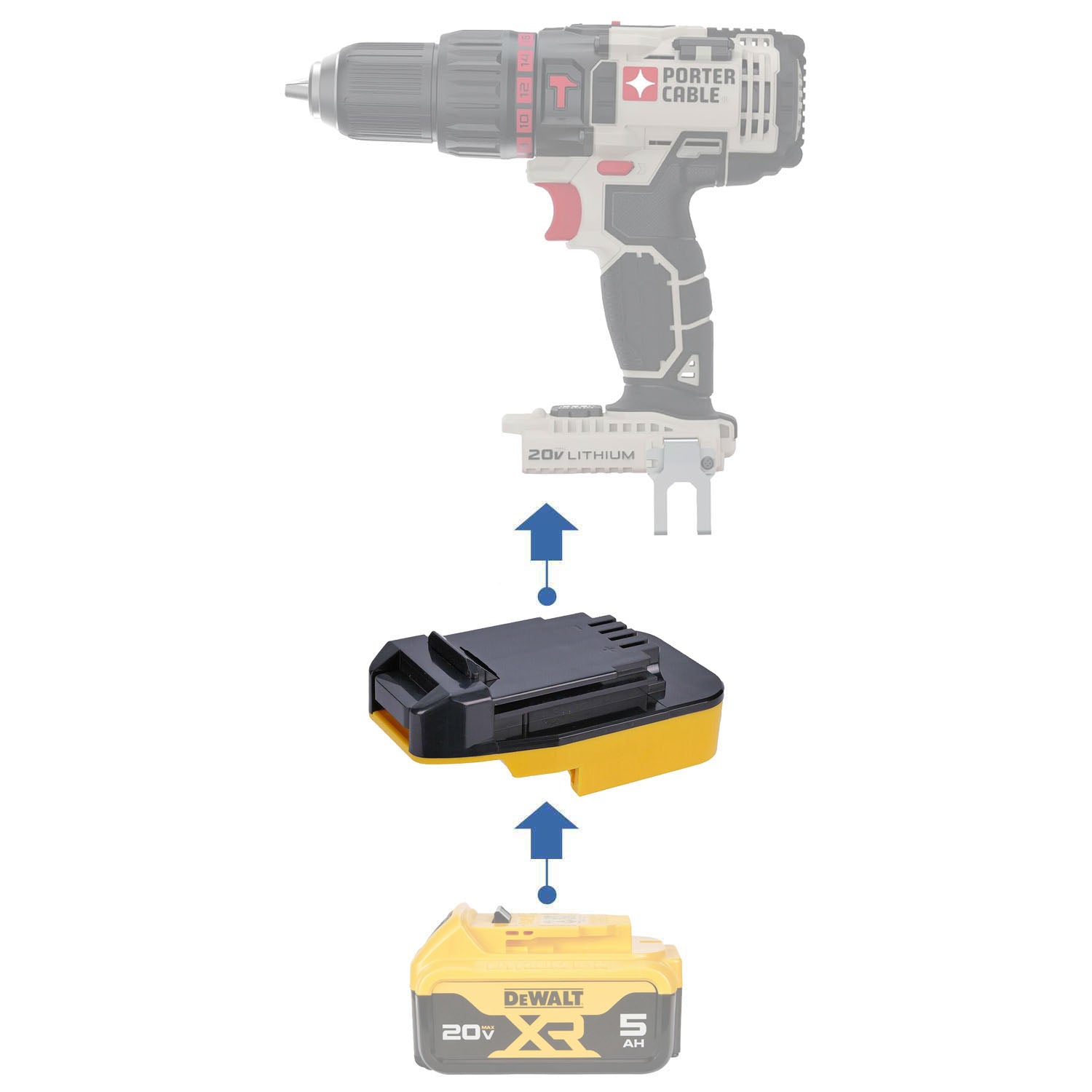
No, Dewalt and Porter Cable batteries are not cross-compatible. Even though both use 20V Max batteries, their shapes and connections are different. You must buy batteries and chargers from the same brand.
Is A Brushless Motor Really Important?
A brushless motor is more efficient, lasts longer, and creates less heat. If you use your drill often or for heavy jobs, brushless is worth it. For light, occasional use, a brushed motor (found in most Porter Cable drills) is fine.
How Long Do Dewalt And Porter Cable Drills Last?
With normal use, Dewalt drills can last 5–10 years or more. Porter Cable drills usually last 3–5 years with home use. Lifespan depends on how hard you use the tool and if you take care of it.
Can I Use Dewalt Or Porter Cable Drills For Masonry Or Concrete?
For drilling into masonry or concrete, you need a hammer drill. Dewalt offers several hammer drill models with enough power. Porter Cable has fewer hammer drill options and less power, so it may struggle with tough concrete.
Both Dewalt and Porter Cable have their place in the tool world. Think about what you really need, compare the features, and you’ll find the drill that fits your work style and budget.