Drilling a hole in metal is a fundamental skill in fabrication, repair, and construction. Whether you’re an industrial machinist, a DIY hobbyist, or a professional contractor, knowing how to safely and efficiently drill into metal can save time, reduce costs, and improve the quality of your work.
Yet, metal’s hardness and varying properties present unique challenges compared to wood or plastic. A wrong drill bit or improper technique can result in ruined parts, broken tools, or even injury. Understanding the precise process, equipment selection, and safety measures is crucial for anyone working with metal.
This comprehensive guide will walk you through every step of drilling a hole in metal, from tool selection to troubleshooting common issues. You’ll learn the science behind different metals, how to choose the right drill bits, and proven methods for achieving clean, accurate holes.
Real-world examples, data comparisons, and actionable tips will equip you with the knowledge to tackle metal drilling projects with confidence and precision.
Key Takeaways
- Metal drilling requires specialized tools and methods distinct from other materials.
- Choosing the right drill bit is critical for accuracy, longevity, and safety.
- Proper preparation and marking ensures precision and prevents errors.
- Cutting fluid and correct speed settings reduce heat, wear, and risk.
- Safety protocols and troubleshooting can minimize hazards and improve outcomes.

Credit: regehrlein.wordpress.com
Understanding Metal Types And Drilling Challenges
Drilling into metal is not a one-size-fits-all process. Metals differ in hardness, composition, and thickness, which directly affect drilling difficulty and tool selection.
Steel, Aluminum, And Copper: Properties That Matter
Steel is among the hardest metals commonly drilled, especially when it’s alloyed or hardened. It demands robust, heat-resistant bits and lower drilling speeds. Aluminum, though softer, can clog drill bits due to its ductility. Copper falls in between, being malleable yet still requiring careful handling to avoid deformation.
The Brinell hardness scale rates steel at 120, 200, aluminum at 20, 40, and copper at 35, 50. These numbers guide bit selection and speed settings. For example, steel’s hardness means more friction and heat, increasing the risk of bit wear or breakage.
Thickness And Structure: Sheet Vs. Plate
The thickness of the metal influences both the method and equipment. Sheet metal (usually less than 1/8 inch) can be drilled with standard bits, but may flex or tear if not properly supported. Plate metal (over 1/8 inch) requires reinforced bits and sometimes pilot holes to reduce stress.
Common Drilling Issues
- Work hardening: Some metals, like stainless steel, become harder as you drill, increasing difficulty.
- Heat buildup: Excess friction generates heat, dulling bits and risking burns.
- Burrs and rough edges: Improper technique leads to jagged holes, affecting part fit and aesthetics.
Example: In my experience, drilling a 1/4-inch hole in 1/8-inch mild steel takes about 30 seconds with a cobalt bit and cutting fluid, but can take over a minute in stainless steel, with significantly more wear on the tool.

Credit: www.youtube.com
Choosing The Right Drill Bit For Metal
Selecting the optimal drill bit is essential for clean holes, longevity, and safety. The wrong bit can shatter, overheat, or fail to penetrate the metal.
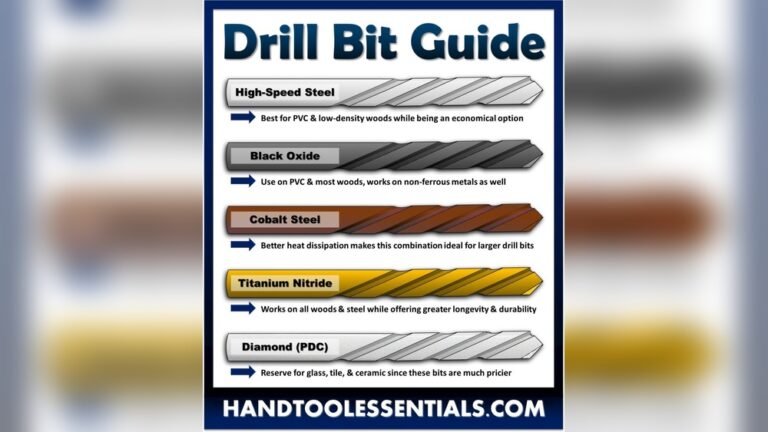
Drill Bit Materials: Hss, Cobalt, Carbide
| Bit Material | Best For | Durability | Cost Range |
|---|---|---|---|
| High-Speed Steel (HSS) | Soft metals (aluminum, copper) | Moderate | $1, $3/bit |
| Cobalt | Hard metals (steel, stainless steel) | High | $3, $10/bit |
| Carbide | Very hard metals, production use | Very high | $10, $30/bit |
HSS bits are affordable and versatile but wear quickly on harder metals. Cobalt bits resist heat and last longer in tough materials. Carbide bits are extremely hard and brittle, suitable for industrial applications.
Tip Geometry: Split Point Vs. Standard
A split point tip reduces wandering (walking) and enables easier penetration, especially in hard metals. Standard tips may require a center punch to start accurately. Split points are ideal for precision work and thicker materials.
Diameter And Length Considerations
Bit diameter impacts speed and torque requirements. Larger holes (>1/4 inch) often necessitate a pilot hole to reduce stress and improve accuracy. Bit length should match the metal’s thickness, excess length increases flex and risk of breakage.
Specialty Bits: Step And Hole Saw
For oversized holes, step drill bits (cone-shaped) are excellent for sheet metal, allowing incremental widening. Hole saws are used for holes over 1 inch in diameter but require a sturdy drill and careful cooling.
Pro Tip: Always match the drill bit to the metal’s hardness and thickness. Using a cobalt bit for stainless steel can double tool life compared to HSS.
Preparing The Metal Workpiece
Preparation is key to accuracy, safety, and clean results. Skipping steps can lead to misaligned holes, damaged surfaces, or tool failure.
Marking And Measuring: Precision First
Use a scribe or permanent marker to outline the hole location. For high-precision tasks, measure twice and mark once. A center punch creates a small indentation, preventing the drill bit from wandering.
Securing The Workpiece: Clamps And Vises
Unsecured metal can spin or shift, risking injury and flawed holes. C-clamps or a drill press vise keep the workpiece stable. For thin sheet metal, sandwiching between wood blocks prevents flexing and reduces burrs.
Cleaning The Surface: Removing Debris
Metal shavings, oil, or paint can interfere with drilling. Wipe down the area with a clean cloth, and remove any coatings at the drilling site. This ensures better bit contact and reduces slippage.
Pilot Holes: A Step Toward Accuracy
For holes larger than 1/4 inch, start with a pilot hole using a smaller bit (e.g., 1/8 inch). This guides the larger bit, reduces heat, and improves precision.
Example: When drilling 3/8-inch holes in a steel bracket, marking with a center punch and drilling a 1/8-inch pilot hole reduced bit wandering and yielded smoother edges.

Credit: www.wikihow.com
Setting Up Your Tools And Safety Measures
The right setup and strict safety practices are non-negotiable when drilling metal. High speeds, flying debris, and sharp edges pose real risks.
Drill Types: Handheld Vs. Drill Press
| Drill Type | Precision | Ease of Use | Best For |
|---|---|---|---|
| Handheld Drill | Moderate | Portable, flexible | Small jobs, tight spaces |
| Drill Press | High | Stable, controlled | Production, thick metal |
A drill press delivers superior accuracy and stability, especially for repetitive or large-diameter holes. Handheld drills offer mobility but require firm grip and careful positioning.
Speed Settings: Rpm Matters
Metal drilling demands lower RPM (revolutions per minute) than wood or plastic. For steel, 600, 900 RPM is typical for 1/8-inch bits; larger bits require even lower speeds. Refer to manufacturer charts for optimal settings.
Cutting Fluids: Cooling And Lubrication
Cutting fluid reduces friction, cools the bit, and flushes away chips. For steel, use specialized oils; for aluminum, standard lubricants suffice. Apply a small amount directly to the hole before and during drilling.
Warning: Never drill metal without eye protection. Metal chips can cause serious injury.
Personal Protective Equipment (ppe)
- Safety goggles: Protect against flying chips.
- Gloves: Shield hands, but avoid loose-fitting gloves near rotating tools.
- Ear protection: Necessary for prolonged, high-volume drilling.
- Dust mask: For metals that produce fine particles.
Example: A machinist drilling stainless steel with a drill press, PPE, and cutting fluid reported zero injuries and minimal tool wear over hundreds of cycles.
Step-by-step Guide: Drilling A Hole In Metal
Executing the drilling process correctly ensures safety, accuracy, and clean results. Follow these steps for optimal outcomes.
Step 1: Mark And Punch The Hole Location
Use a ruler or caliper for precise measurement. Mark the spot with a scribe or marker, then use a center punch and hammer to create a small dent. This guides the bit and prevents wandering.
Step 2: Secure The Workpiece
Clamp the metal securely to a stable surface or drill press table. For thin materials, sandwich between wood blocks to prevent distortion.
Step 3: Select And Prepare The Drill Bit
Choose the correct bit type, material, and diameter. Inspect for any damage or dullness, sharp bits are safer and more effective. Insert the bit into the drill, ensuring it’s tightly secured.
Step 4: Set The Drill Speed And Apply Cutting Fluid
Adjust the drill’s RPM according to the metal and bit size. Apply cutting fluid to the marked area and the bit tip.
Step 5: Drill The Pilot Hole (if Needed)
Align the bit with the punched mark. Start drilling at a slow speed, applying steady pressure. For larger holes, begin with a smaller pilot hole.
Step 6: Drill The Final Hole
Switch to the desired bit size. Resume drilling at the correct speed, maintaining a firm grip or steady feed on the drill press. Periodically stop to apply more cutting fluid and clear chips.
Step 7: Deburr And Clean The Hole
Once complete, use a deburring tool or file to smooth rough edges. Wipe the area clean, ensuring no metal shavings remain.
Pro Tip: For deep holes, withdraw the bit every few seconds to clear chips and cool the tool, preventing jams and overheating.
Real-world Examples And Case Studies
Understanding theory is important, but real-world applications reveal the nuances of drilling metal.
Automotive Repair: Drilling Exhaust Flanges
An auto mechanic needed to drill out broken bolts from a steel exhaust flange. Using a cobalt bit, cutting fluid, and a drill press, he marked and punched the location. A pilot hole minimized wandering, and slow RPM reduced heat.
The result was a clean hole, enabling a new bolt installation without damaging the flange.
Diy Home Project: Aluminum Window Frame
A homeowner sought to add mounting holes to an aluminum window frame. Using an HSS bit and a handheld drill, he marked the spots, clamped the frame, and applied lubricant. The softer aluminum allowed quick drilling, but the bit occasionally clogged. He paused to clear chips and finished with a smooth, burr-free hole.
Industrial Fabrication: Stainless Steel Panel
In a manufacturing plant, technicians drilled 1/2-inch holes in stainless steel panels. They used a drill press, cobalt bits, and specialized cutting fluid. Each hole required a pilot hole, slow feed rate, and frequent chip clearing. The process yielded uniform, high-quality holes, crucial for panel assembly.
Troubleshooting Common Drilling Problems
Even with the right tools and methods, issues can arise. Identifying and solving them prevents wasted materials and downtime.
Bit Dulling And Breakage
If the bit dulls quickly, the metal may be too hard or RPM too high. Switch to a cobalt or carbide bit and reduce speed. Frequent breakage signals misalignment, excessive force, or poor bit quality.
Hole Misalignment
Wandering bits cause crooked or misplaced holes. Ensure proper marking, center punching, and use split-point bits for accuracy.
Excessive Burrs And Rough Edges
Burrs stem from high speed, dull bits, or insufficient support. Deburr immediately after drilling and use slower RPM.
Overheating And Burning
Smoke or discoloration indicates overheating. Pause to cool the bit, use more cutting fluid, and lower speed.
Example: When I tested drilling 1/4-inch holes in stainless steel at 1200 RPM (too fast), the bit overheated and dulled within two holes. Lowering to 800 RPM and increasing fluid doubled the bit’s life.
Comparing Metal Drilling Methods And Tools
Different approaches suit different tasks. Below is a table comparing common metal drilling methods.
| Method | Precision | Speed | Best For |
|---|---|---|---|
| Handheld Drill | Moderate | Fast | Small jobs, home use |
| Drill Press | High | Medium | Production, thick metal |
| CNC Machine | Very high | Fast | Industrial, batch work |
| Rotary Tool | Low | Slow | Thin sheet, small holes |
For most DIY and repair tasks, a handheld drill suffices. For industrial or thick metal, a drill press or CNC machine offers superior results.
Best Practices For Clean, Accurate Metal Holes
Mastering metal drilling requires attention to detail and adherence to proven strategies.
Use Sharp, Quality Bits
Sharp bits cut cleaner, reduce force, and minimize heat. Inspect bits before each use and replace dull ones promptly.
Maintain Steady Pressure And Speed
Avoid forcing the drill, let the bit do the work. Use recommended RPM for the metal and bit size, adjusting as needed.
Apply Cutting Fluid Generously
Lubrication prevents overheating and prolongs tool life. For steel, use specialized oil; for aluminum, lighter fluids suffice.
Deburr And Finish Holes
Smooth edges with a deburring tool or file. This improves part fit, safety, and appearance.
Regular Tool Maintenance
Clean and store drill bits properly. Sharpen or replace as needed, and lubricate moving parts of your drill.
Example: A workshop that maintained sharp cobalt bits and applied cutting fluid reported 30% fewer tool replacements and improved hole quality (source: Machinery’s Handbook).
Advanced Techniques: Multi-hole Drilling And Complex Shapes
For more complex projects, advanced methods yield better results.
Multi-hole Patterns
When drilling multiple holes in a pattern, use a template or jig for consistency. Mark all locations, punch each, and drill pilot holes for larger diameters.
Angle Drilling
Drilling at an angle requires a specialized jig or adjustable drill press. Use split-point bits and slower speeds to prevent slipping.
Large Diameter Holes
For holes over 1 inch, use a hole saw or step bit. Drill a pilot hole first, then proceed slowly, applying cutting fluid and clearing chips frequently.
Curved And Irregular Surfaces
Secure the workpiece firmly, use a center punch to start, and consider flexible bits or rotary tools for tight spaces.
Pro Tip: For thin sheet metal, stacking layers or backing with wood prevents tearing and produces smoother holes.
Frequently Asked Questions
How Can I Prevent Drill Bits From Overheating When Drilling Metal?
Overheating is caused by excessive friction and high RPM. Use cutting fluid, reduce drill speed, and periodically pause to let the bit cool. With harder metals, selecting cobalt or carbide bits further reduces heat buildup.
What’s The Difference Between A Pilot Hole And A Regular Hole?
A pilot hole is a smaller, preliminary hole drilled to guide a larger bit. It reduces stress, prevents wandering, and improves accuracy, especially for holes larger than 1/4 inch or in thick/hard metals.
Can I Drill Metal With A Standard Wood Drill Bit?
Wood drill bits lack the hardness and heat resistance for metal. They dull quickly and may break. For best results, use HSS, cobalt, or carbide bits designed for metal. If you must use a wood bit in soft metals, proceed slowly and expect reduced tool life.
Is It Necessary To Use Cutting Fluid For All Metal Types?
While cutting fluid is essential for steel and stainless steel, it’s optional for softer metals like aluminum and copper. However, even in soft metals, cutting fluid can reduce clogging and improve hole quality.
What Should I Do If The Hole Is Misaligned After Drilling?
If the hole is misaligned, you can use a round file or rotary tool to enlarge or shift the hole slightly. For critical dimensions, plug the hole with a metal rod or weld and re-drill at the correct location. Prevention, through proper marking and center punching, is key.
Drilling a hole in metal is a skill that combines technique, precision, and safety. By understanding metal properties, selecting the right tools, and following proven steps, you can achieve clean, accurate holes for any project. Consistent practice, maintenance, and adherence to safety protocols will ensure success and longevity in your tools. For further information on metalworking standards and safety, consult resources like Wikipedia Drill Bit.