When you need to drill into the toughest materials, the strength of your drill bit makes all the difference. Many people ask, “What is the hardest drill bit? ” because choosing the right bit can save time, reduce tool wear, and make your work much easier.
But the answer is not simple, as different tasks need different types of hardness and durability. This article will take you deep into the world of drill bits, exploring what “hardest” really means, which materials matter, and how to select a bit that won’t let you down.
Understanding Drill Bit Hardness
The word hardness can mean a few things in the world of tools. In simple terms, it’s how well a material resists being scratched, dented, or worn down. For drill bits, hardness is important because a harder bit can cut through tougher materials. But, the hardest drill bit is not always the best for every job. Sometimes, a bit that’s too hard can become brittle and break easily. It’s about finding the right balance.
Materials are tested using different scales, such as the Rockwell or Vickers hardness tests. These tests show how well a drill bit stands up against force and wear. But remember, the “hardest” drill bit is not just about numbers—design and coating also play a big role.
What Makes A Drill Bit Hard?
Several factors combine to create a hard drill bit:
- Base Material: The metal or alloy from which the bit is made affects its core hardness.
- Heat Treatment: Heating and cooling the bit changes its internal structure, making it harder.
- Coatings: Special surfaces, such as titanium nitride or diamond, make bits even tougher.
- Design: The shape and tip angle matter for how the bit handles stress.
A beginner often overlooks how much coatings and heat treatments improve performance, not just the base metal.
Types Of Drill Bit Materials Ranked By Hardness
Let’s compare the most common drill bit materials and see where each stands in terms of hardness and ideal use.
| Drill Bit Material | Relative Hardness | Best For |
|---|---|---|
| High-Speed Steel (HSS) | Moderate | Wood, soft metals, plastics |
| Cobalt Steel Alloy | High | Stainless steel, hardened metals |
| Tungsten Carbide | Very High | Ceramics, hardened steel, masonry |
| Diamond-Coated | Extreme | Glass, tile, stone |
| Solid Carbide | Very High | Hard metals, composites |
The Hardest Drill Bit: Tungsten Carbide And Diamond
When people talk about the “hardest” drill bits, they usually mean tungsten carbide and diamond-coated bits.
Tungsten Carbide Drill Bits
Tungsten carbide is a compound made from tungsten and carbon. It’s much harder than regular steel and can cut through very tough materials. These bits are used in industry for drilling into hardened steel, cast iron, and even some ceramics.
- Hardness: Around 1600–1800 HV (Vickers Hardness)
- Strengths: High heat resistance, stays sharp longer, cuts hard metals easily.
- Weaknesses: Brittle—can break if used with too much force or at the wrong angle.
Diamond-coated Drill Bits
Diamond-coated bits are not made from solid diamond but have a layer of industrial diamond dust on the tip or edge. Diamond is the hardest natural material, so these bits can cut through glass, tile, stone, and even some metals.
- Hardness: Up to 10,000 HV (Vickers Hardness, for the diamond layer)
- Strengths: Unmatched hardness, perfect for brittle or very hard materials.
- Weaknesses: Can wear out quickly if used on the wrong materials, expensive.
Diamond-coated bits are often the first choice for drilling glass or ceramic, where other bits would simply slide and never start a hole.

Credit: www.servicecore.com
How Hardness Affects Performance
A harder drill bit does not always mean a better one for every job. Here’s why:
- Hard bits stay sharp longer but can break if pushed too hard.
- Softer bits bend rather than break, but dull quickly.
- Coatings can make a big difference, giving extra hardness without making the whole bit brittle.
For example, cobalt bits are popular for metalworking because they are hard but not as brittle as carbide.
Comparing Drill Bit Materials: Hardness Vs. Toughness
It’s easy to confuse hardness with toughness. Toughness is a material’s ability to absorb energy without breaking. The hardest drill bits (like diamond) are not always the toughest. Cobalt bits, for example, are tougher than carbide and can handle more shock.
Here’s a simple comparison:
| Material | Hardness | Toughness | Best Use |
|---|---|---|---|
| HSS | Medium | High | General drilling |
| Cobalt | High | Medium-High | Stainless steel, hard metals |
| Carbide | Very High | Low | Hardened steel, masonry |
| Diamond-Coated | Extreme | Very Low | Glass, stone, tile |
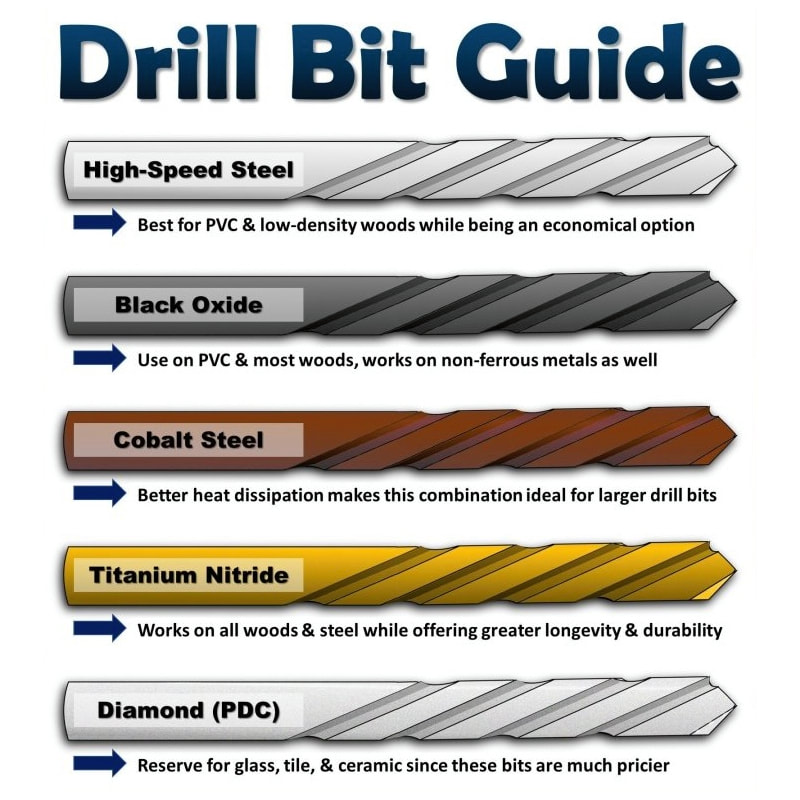
Specialty Drill Bit Coatings
Besides the core material, coatings add another layer of hardness and performance. Here are some common types:
- Titanium Nitride (TiN): Gives the bit a gold color. Increases surface hardness and reduces friction.
- Titanium Carbonitride (TiCN): Blue-gray coating, even harder and more wear-resistant than TiN.
- Titanium Aluminum Nitride (TiAlN): Purple-black, resists high heat, great for dry drilling.
- Black Oxide: Boosts corrosion resistance and lubricity.
- Diamond: For the hardest jobs—glass, stone, and ceramics.
A key insight: Many beginners do not realize that these coatings wear off. Once the coating is gone, the bit behaves like its base material. That’s why coated HSS bits are not a substitute for solid carbide or diamond bits on tough jobs.
Real-world Scenarios: Choosing The Hardest Drill Bit
Let’s look at some practical situations:
Drilling Glass Or Tile
Here, only a diamond-coated bit will do. Regular steel bits will just skate on the surface and never start a hole. Start at a slow speed, keep the bit cool with water, and never push too hard.
Drilling Hardened Steel
A carbide-tipped or solid carbide bit is best. Cobalt bits can work for less-hardened steel, but for truly hardened workpieces, carbide is a must. Use cutting oil and go slow.
Drilling Masonry Or Concrete
You need a carbide-tipped masonry bit. These have a tough steel shank and a hard, brazed-on carbide tip. Impact drills or hammer drills work best with these.
Everyday Metal Drilling
Cobalt steel bits strike the right balance of hardness and toughness. They can handle stainless steel and are less likely to snap than carbide bits.
Key Factors To Consider When Choosing Drill Bit Hardness
It’s easy to get lost in technical details, but here are the main things to consider:
- Material to Drill: Harder bits for harder materials.
- Tool Type: Hand drill, drill press, or hammer drill? Harder bits can break in handheld tools.
- Speed and Feed: Hard bits prefer slower speeds and steady pressure.
- Cost: Carbide and diamond bits are expensive but last longer for the right jobs.
- Sharpening: Some hard bits are almost impossible to sharpen at home.
One common mistake: Using a very hard bit (like carbide or diamond) in a handheld drill. This often leads to breakage because these bits are not tough enough for uneven pressure.
Hardness Ratings: How Are Drill Bits Tested?
Drill bits are rated using several hardness tests:
- Rockwell Hardness (HRC): Measures how deep a diamond indenter can press into the material. High numbers mean harder bits. Carbide bits are usually HRC 75–80.
- Vickers Hardness (HV): Measures how hard a material is against a diamond pyramid pressed into it.
- Knoop Hardness (HK): Used for thin coatings, like diamond.
Manufacturers sometimes print these ratings on the package, but not always. If you want to compare brands, check their technical data sheets.
Credit: www.servicecore.com
Myths About Hard Drill Bits
Many people believe that the hardest bit is always the best. In fact, the hardest drill bits can be the worst choice for some jobs. Here are some common myths:
- Myth: Hard bits last longer for all jobs.
- Reality: They last longer only on the right materials. On soft wood, hard bits can chip or break.
- Myth: Diamond bits are best for all metal.
- Reality: Diamond bits are for glass, stone, and tile—not metal.
- Myth: Cobalt bits are unbreakable.
- Reality: They are tougher than carbide, but still can snap if misused.
How To Make Drill Bits Last Longer
If you invest in a hard bit, protect your investment with these tips:
- Use the correct speed: Hard bits prefer slower speeds, especially on metals.
- Lubricate: Use cutting oil or water as needed.
- Cool the bit: Overheating ruins hardness.
- Apply steady pressure: Avoid sudden force.
- Sharpen only if possible: Some coatings and carbide bits need special equipment.
A mistake even experienced users make: Not cooling the bit. This leads to loss of hardness and early failure.
When Not To Use The Hardest Drill Bit
Sometimes, a softer bit is actually better. For example:
- Woodworking: Softer HSS bits are less likely to split wood.
- Plastic: Hard bits can melt and clog soft plastics.
- Thin metals: Hard bits can catch and tear thin sheet metal.
Choose the bit for the material, not just for the highest hardness.
Are Expensive Drill Bits Worth It?
If you drill hard materials often, a carbide or diamond bit is a smart investment. But for home use, coated HSS or cobalt bits are usually enough. Professional shops use expensive bits because they save time and money in the long run.
Here’s a rough comparison:
| Bit Type | Average Price | Expected Lifespan (on correct material) |
|---|---|---|
| HSS | $2–$5 | Short |
| Coated HSS | $4–$8 | Medium |
| Cobalt | $8–$15 | Medium-Long |
| Carbide | $15–$50 | Long |
| Diamond-Coated | $20–$60 | Medium (brittle, may wear quickly) |
Common Mistakes When Using Hard Drill Bits
- Using the wrong bit for the material: Carbide or diamond bits break easily in soft or uneven materials.
- Drilling too fast: High speed heats up the bit and destroys hardness.
- No lubrication: Especially when drilling metals or glass.
- No pilot hole: Hard bits need a starter hole for best results.
- Ignoring break-in procedures: Some bits need a gentle start to maximize life.
A non-obvious tip: Always check your drill’s speed range. Many home drills spin too fast for carbide or diamond bits.
How Manufacturers Improve Bit Hardness
Manufacturers use several methods:
- Alloying: Adding elements like cobalt or vanadium.
- Powder metallurgy: For carbide bits, mixes powders under high pressure.
- Sintering: Pressing and heating powders to bond them.
- Coating: Applying very thin, hard layers to reduce wear.
These processes make modern drill bits far better than those from a few decades ago.
The Future Of Hard Drill Bits
Technology keeps advancing. New coatings, like nanocomposite ceramics, are even harder and last longer. Some companies are experimenting with artificial diamond and advanced carbides for specialized uses, such as aerospace and medical device manufacturing.
A little-known fact: Some laboratory drill bits use pure diamond or special ceramics, but these are too expensive for normal use.
Summary: What Is The Hardest Drill Bit?
The answer depends on your needs:
- For glass, tile, or stone, the hardest is a diamond-coated bit.
- For hardened steel or concrete, tungsten carbide is the hardest practical choice.
- For general metalworking, cobalt alloy bits balance hardness and toughness.
- Remember, the hardest bit is not always the best—choose for your material, your tool, and your budget.
If you want to learn more about material hardness and how it’s measured, check out this Wikipedia article on hardness.
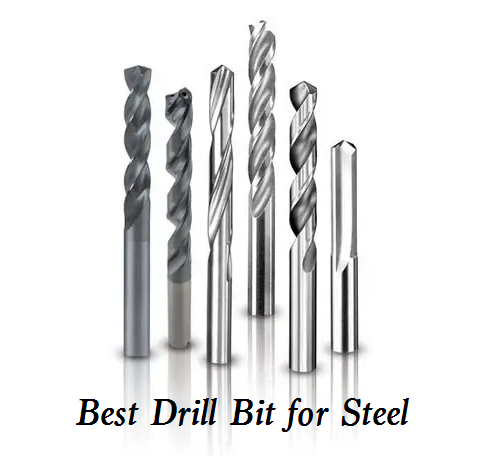
Credit: www.cnclathing.com
Frequently Asked Questions
What Is The Hardest Drill Bit Material?
The hardest drill bit material is diamond—specifically, industrial diamond used as a coating. For metals, tungsten carbide is the hardest widely-used material.
Can I Use A Diamond Drill Bit On Metal?
Diamond bits are designed for stone, glass, and ceramics. They usually do not work well on metals, as metal can overheat and wear down the diamond coating quickly.
Are Carbide Bits Better Than Cobalt Bits?
Carbide bits are harder and can cut tougher materials, but they are more brittle. Cobalt bits are a better choice for everyday metal drilling because they are tougher and less likely to snap.
How Long Do Hard Drill Bits Last?
The lifespan depends on the material, coating, and proper use. Hard bits like carbide or diamond can last many times longer than HSS bits if used correctly, but can break quickly if misused.
What Is The Best Drill Bit For Stainless Steel?
Cobalt alloy bits are best for stainless steel because they balance hardness and toughness. Carbide bits work for very hard stainless, but are more brittle and expensive.
Choosing the right drill bit saves time, money, and frustration. Remember, the hardest drill bit is only “best” if matched to the job—so make your choice wisely, and your tools will serve you well for years to come.