Choosing the right cordless drill can make a big difference in any project. Whether you are a professional contractor or a weekend DIYer, the tools you use directly affect your results and your experience. Two names stand out in the power tool world: Dewalt and Milwaukee. Both brands have loyal fans, strong reputations, and a range of cordless drills that fit many needs. But which one is the better choice for you? This in-depth comparison will explore every important detail, from performance and battery life to value for money and brand support.
Brand Backgrounds And Reputation
Both Dewalt and Milwaukee have long histories in the tool industry. Dewalt started in 1924 and became famous for innovation and reliability. Their tools are a common sight on construction sites and in workshops worldwide. Dewalt is known for tough, practical designs and a focus on the professional market, but they also serve serious DIYers.
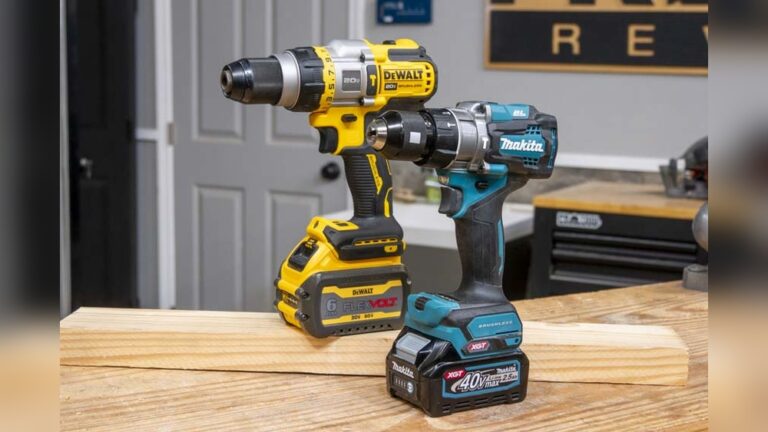
Milwaukee, founded in 1924 as well, quickly became a leader in tool technology. Over the years, Milwaukee has built a reputation for durability, advanced features, and a strong focus on jobsite solutions. Their signature color is red, while Dewalt’s is yellow, making them easy to spot.
Many users see Dewalt as the safe, reliable choice, while Milwaukee often attracts those who want cutting-edge technology or extra power. However, both brands have evolved, and their differences are not always as clear as people think.
Product Range And Popular Models
Both companies offer a wide range of cordless drills, from basic models for simple tasks to heavy-duty hammer drills for demanding jobs. Here are some of their most popular models:
- Dewalt DCD791D2: Compact, brushless, great for general use
- Dewalt DCD996B: Hammer drill, high power for tough materials
- Milwaukee M18 2801-20: Compact, brushless, strong for its size
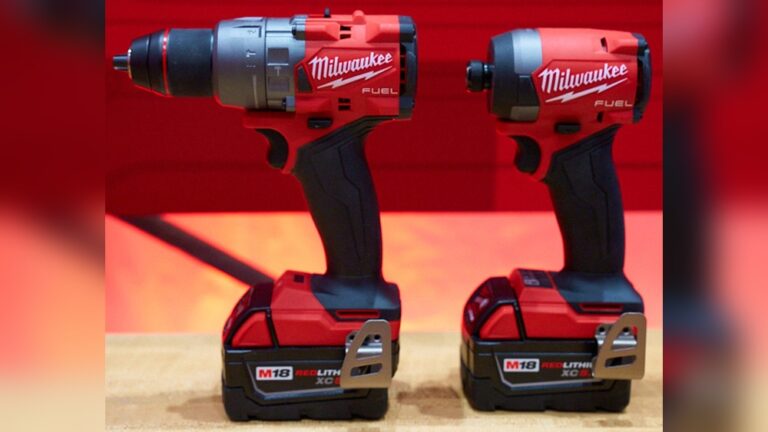
- Milwaukee M18 FUEL 2804-20: Hammer drill, extreme torque and features
Each brand’s lineup covers 12V, 18V/20V, and even 60V (Dewalt FLEXVOLT) or 28V (Milwaukee M28) systems. For most users, the 18V/20V tools are the most common and practical.
Power And Performance
When comparing cordless drills, two things matter most: torque (twisting force) and speed (rotations per minute, or RPM). Torque helps you drive screws or drill into hard materials, while speed is useful for drilling holes quickly.
Here is a quick look at how two flagship models compare:
| Feature | Dewalt DCD996B | Milwaukee M18 FUEL 2804-20 |
|---|---|---|
| Max Torque | 820 UWO (units watts out, approx. 75 Nm) | 1,200 in-lbs (approx. 135 Nm) |
| Max Speed | 2,250 RPM | 2,000 RPM |
| Hammer Mode | Yes | Yes |
| Brushless Motor | Yes | Yes |
Milwaukee often leads in raw torque, making their drills a top pick for heavy-duty tasks. Dewalt, on the other hand, usually offers slightly higher speed, which is useful for drilling clean holes in wood or metal. For most DIY and professional users, both brands offer more power than you will ever need, but if you often face the toughest materials, Milwaukee may give you an edge.
Battery Technology And Runtime
A cordless drill is only as good as its battery. Both Dewalt and Milwaukee have invested heavily in battery technology over the last decade.
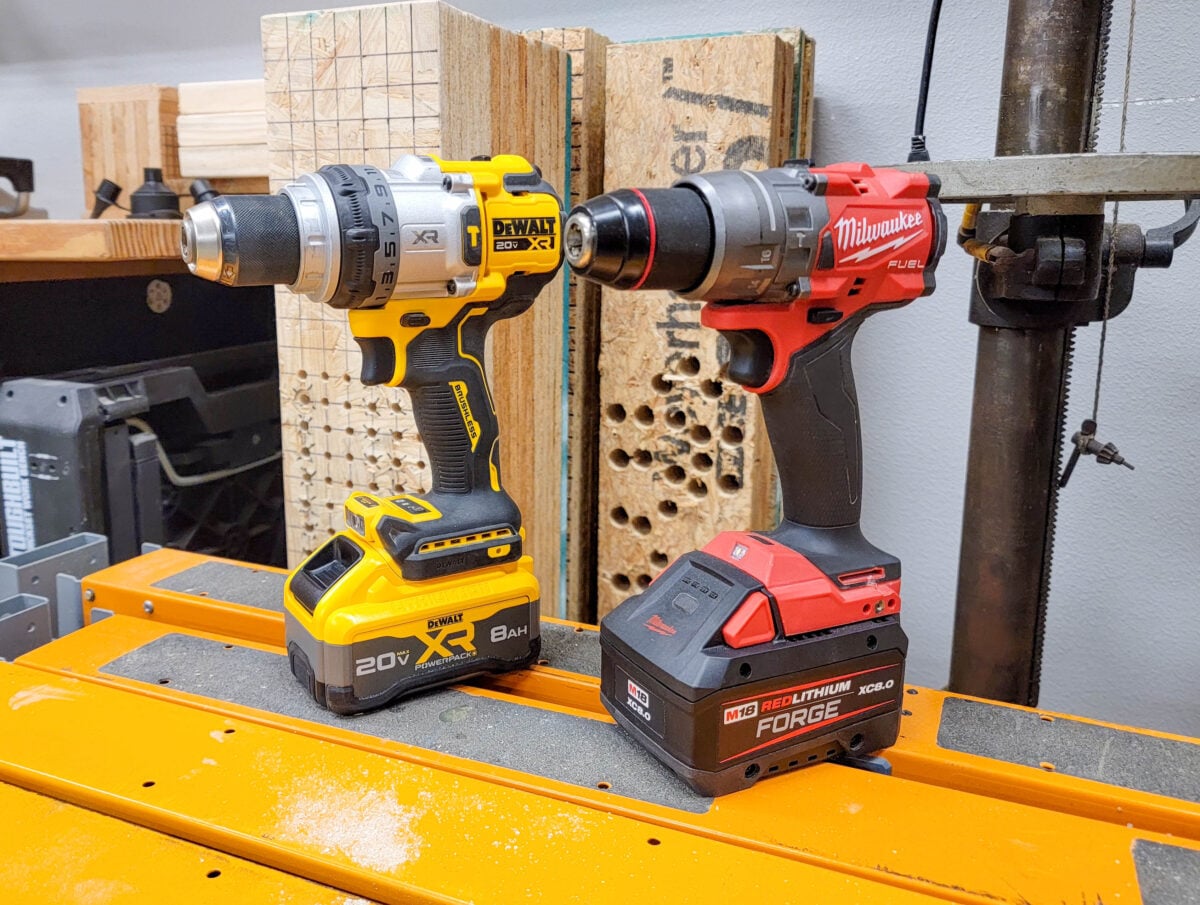
Dewalt uses the 20V MAX system (actually 18V nominal, 20V max charge) and the high-powered FLEXVOLT batteries, which can switch between 20V and 60V tools. Milwaukee has the M18 system, famous for its REDLITHIUM batteries, and the new HIGH OUTPUT packs for longer runtime.
Let’s compare battery options:
| Brand | Standard Battery (Ah) | High-Capacity Battery (Ah) | Unique Features |
|---|---|---|---|
| Dewalt | 2.0Ah, 4.0Ah, 5.0Ah | 9.0Ah FLEXVOLT | FLEXVOLT multi-voltage |
| Milwaukee | 2.0Ah, 5.0Ah | 12.0Ah HIGH OUTPUT | REDLINK intelligence |
Milwaukee’s REDLINK electronics protect the tool and battery from overheating or overloading. Dewalt’s FLEXVOLT gives you flexibility if you own other high-voltage Dewalt tools. For most people, a 4.0Ah or 5.0Ah battery is enough for a full day of work. Milwaukee’s HIGH OUTPUT batteries can run longer and deliver more power in extreme conditions, but they are heavier and more expensive.
A non-obvious insight: Battery compatibility is often overlooked. If you already have Dewalt or Milwaukee tools, sticking with the same brand will save you money and storage space because batteries are interchangeable within the same line.
Credit: www.protoolreviews.com
Ergonomics And Design
Comfort is more important than people think. A drill that feels good in your hand will cause less fatigue and give you better control.
Dewalt tends to have slightly lighter and more balanced drills, thanks to their compact designs. The handles are usually coated with a soft rubber grip. The center of gravity in Dewalt drills often sits closer to the trigger, which helps reduce wrist strain during long use.
Milwaukee drills are often a bit heavier, especially the most powerful models, but the extra weight can help with stability when drilling into hard materials. Their handles are also ergonomic, but some users with smaller hands find Dewalt more comfortable for extended work.
One detail many new users miss: Chuck quality. Both brands use metal ratcheting chucks on their mid- and high-end models. Milwaukee’s chucks are known for a firmer grip on the bit, which reduces slipping, especially at high torque.
Durability And Build Quality
Reliability is a key reason why professionals trust Dewalt and Milwaukee. Both brands use high-quality materials and advanced manufacturing, but their approaches are a bit different.
Dewalt cases and gearboxes are often reinforced with steel and tough plastics. Many Dewalt drills have a reputation for surviving drops, dust, and jobsite abuse. Their motors are sealed to keep debris out.
Milwaukee drills are famous for their all-metal gearboxes and solid construction. The M18 FUEL series, in particular, is built to handle the most demanding environments. Milwaukee’s signature REDLINK Plus electronics add another layer of protection against overheating or misuse.
Long-term users report that both Dewalt and Milwaukee drills can last many years, even with daily use. However, Milwaukee’s flagship models sometimes edge out Dewalt in extreme durability tests. If you work in especially harsh conditions, Milwaukee may offer a slight advantage.
Features And Innovation
Both brands push the limits of what a cordless drill can do. Here are some standout features:
- Brushless motors: Both Dewalt and Milwaukee use brushless technology for more power, less heat, and longer life.
- LED work lights: Most models include built-in lights to illuminate your work area.
- Multiple speed settings: Switch between high speed for drilling and high torque for driving.
- Smart electronics: Milwaukee’s ONE-KEY system lets you track your tool, customize settings, and even lock it remotely with a smartphone app. Dewalt’s Tool Connect offers similar smart features on selected models.
- Hammer mode: Available on many drills for drilling into masonry or concrete.
- Belt hooks and bit holders: Small touches that improve convenience on the job.
A hidden gem: Clutch settings. Dewalt often offers more clutch positions, giving you finer control over screw depth. This is useful when working with delicate materials.
Price And Value For Money
When it comes to price, Dewalt and Milwaukee are close, but there are differences. Dewalt’s mid-range models are often a little less expensive than Milwaukee’s, especially in combo kits. Milwaukee’s top-end FUEL drills are among the most expensive, but many users feel the performance justifies the cost.
Let’s compare pricing for popular drill kits (as of 2024):
- Dewalt DCD791D2 (with 2 batteries): $179–$199
- Dewalt DCD996P2 (with 2 FLEXVOLT batteries): $279–$329
- Milwaukee M18 2801-22 (with 2 batteries): $179–$209
- Milwaukee M18 FUEL 2804-22 (with 2 HIGH OUTPUT batteries): $299–$349
You may find sales, especially around holidays, but Milwaukee rarely discounts its FUEL line. Dewalt, being a larger brand in the consumer market, sometimes offers more promotions.
A common mistake is buying the cheapest kit without considering battery size. It’s better to buy a more expensive kit with higher-capacity batteries if you plan to use the drill often.

Credit: www.youtube.com
Warranty And Customer Support
Both Dewalt and Milwaukee offer strong warranties, but there are some differences:
- Dewalt: 3-year limited warranty, 1-year free service, 90-day money-back guarantee
- Milwaukee: 5-year limited warranty (tools), 2-3 years on batteries
Milwaukee’s tool warranty is longer, but Dewalt’s free service and money-back guarantee offer more flexibility early on.
Customer support is generally good with both brands, but some users report faster repair turnaround with Dewalt in the US. Milwaukee’s service centers are less common in some regions, so check local support before buying.
Accessories And System Compatibility
Buying a drill is often the start of a tool system. Both Dewalt and Milwaukee offer a wide range of compatible tools that use the same batteries—saws, lights, grinders, and more.
- Dewalt’s 20V MAX system covers more than 200 tools
- Milwaukee’s M18 system includes over 200 tools, with additional specialty tools for trades
Milwaukee is especially strong in plumbing, electrical, and specialty trade tools. Dewalt’s strength is in carpentry, woodworking, and general construction. If you plan to expand your tool collection, think about what other tools you might need in the future.
One insight: Some Dewalt batteries work with their older 18V tools via an adapter, while Milwaukee M18 batteries do not fit older 18V NiCad tools. This matters if you have legacy tools.

Credit: www.youtube.com
Real-world User Feedback
Looking at specifications is useful, but real-world experience is even more important. Here’s what users often say:
- Dewalt is praised for reliability, balance, and value. Many users say Dewalt drills last for years with little trouble. Some wish the torque was higher for heavy-duty work.
- Milwaukee gets high marks for power and innovation. Users love the FUEL line’s strength and advanced features. Some find Milwaukee drills heavier, which can be tiring in overhead work.
A practical example: A professional electrician might choose Milwaukee for its advanced electronics and trade-specific tools. A home remodeler may prefer Dewalt for lighter weight and lower cost.
Pros And Cons Summary
To make things clear, here’s a side-by-side look at the main strengths and weaknesses.
| Brand | Pros | Cons |
|---|---|---|
| Dewalt | – Lighter, well-balanced – More affordable kits – Reliable and easy to use – Wide tool selection |
– Slightly less torque – Fewer smart features – FLEXVOLT batteries are expensive |
| Milwaukee | – Highest torque and power – Best for heavy-duty work – Advanced smart features – Excellent durability |
– More expensive, especially FUEL – Heavier, can cause fatigue – Fewer consumer promotions |
Who Should Choose Dewalt?
- People looking for a balanced, lightweight drill
- DIYers or pros who want value for money
- Users with other Dewalt 20V MAX or FLEXVOLT tools
- Anyone who prefers simpler, straightforward operation
Who Should Choose Milwaukee?
- Professionals needing maximum torque and power
- Users who want advanced features (like ONE-KEY)
- Those who need extreme durability on tough jobsites
- People invested in the Milwaukee M18 or M12 system
Common Mistakes When Choosing
- Ignoring battery compatibility. Mixing brands means buying more batteries and chargers.
- Choosing by price alone. The cheapest kit often comes with small batteries or lacks features.
- Overestimating needs. If you rarely drill masonry or thick metal, ultra-high torque may not be necessary.
- Not considering weight. A heavier drill can cause fatigue during long jobs.
- Missing promotions or tool deals. Sometimes, buying a combo kit gives you more value.
Where To Buy And What To Check Before Purchase
You can buy Dewalt and Milwaukee drills at most hardware stores, online retailers, and specialty tool shops. Before buying:
- Check for genuine batteries; counterfeits exist online.
- Look for combo kits if you need extra tools or batteries.
- Register your tool for warranty as soon as you get it.
- Try holding both brands in-store to see which feels better in your hand.
For more information, you can visit the official Dewalt website.
Frequently Asked Questions
What Is The Main Difference Between Dewalt And Milwaukee Cordless Drills?
The main difference is in torque and features. Milwaukee usually offers higher torque and more advanced features, while Dewalt focuses on lighter weight and ease of use. Both brands are reliable, but your choice depends on your needs.
Are Dewalt And Milwaukee Batteries Interchangeable?
No, Dewalt and Milwaukee batteries are not compatible with each other. Each brand uses its own design and voltage system. Stick to one brand to avoid extra costs.
Which Brand Has A Better Warranty?
Milwaukee offers a longer 5-year warranty on tools, compared to Dewalt’s 3 years. Dewalt, however, gives you a 1-year free service and a 90-day money-back guarantee. Both have good customer support.
Do Both Brands Offer Brushless Motors?
Yes, both Dewalt and Milwaukee offer brushless motor cordless drills. Brushless motors last longer, run cooler, and provide more power.
Is One Brand Better For Professionals?
Both brands are popular with professionals. Milwaukee is often preferred for heavy-duty tasks and advanced features, while Dewalt is chosen for lighter weight and reliability. The best choice depends on the type of work you do.
Choosing between Dewalt and Milwaukee cordless drills is not always easy, but understanding your needs and the strengths of each brand will help you make a smart decision. Both brands offer top-quality tools that can last for years if you pick the right model for your work.