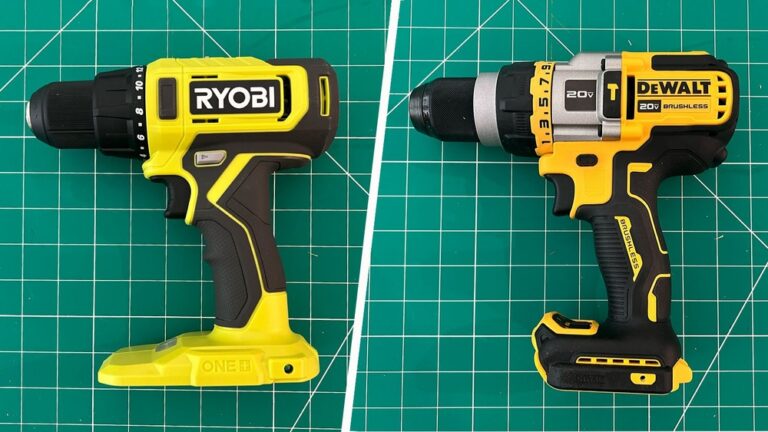
Choosing the right power tool can mean the difference between a smooth, efficient project and one riddled with frustration and wasted effort. For both professionals and DIY enthusiasts, the decision often comes down to two popular options: the hammer drill and the drill driver. While they may look similar on the surface, their internal mechanisms, intended uses, and performance characteristics are fundamentally different. Selecting the wrong tool could not only slow you down but also risk damaging materials or even injury.
In this article, we’ll break down every essential aspect of hammer drills and drill drivers, from how they work, to their best use cases, to real-world examples that demonstrate their strengths and limitations. You’ll find expert insights, actionable tips, side-by-side comparisons, and answers to the most common questions. Whether you’re upgrading your toolbox or buying your first power drill, this guide will equip you to make a confident, informed choice.
Key Takeaways
- Hammer drills excel at drilling into hard materials like concrete and masonry, while drill drivers are best for wood, metal, and general fastening.
- The internal mechanism and impact force differ significantly between the two, affecting both power and precision.
- For most homeowners, a drill driver is sufficient for everyday tasks; professionals and those working with masonry will benefit from a hammer drill.
- Choosing between corded and cordless models impacts portability, power, and runtime.
- Understanding the pros, cons, and real-world performance of each tool helps you avoid costly mistakes.

Credit: www.findbuytool.com
Understanding Hammer Drills And Drill Drivers
What Is A Hammer Drill?
A hammer drill is a specialized power tool designed for drilling into tough materials, especially concrete, brick, and stone. It combines rotational drilling with a rapid hammering action, propelling the bit forward with thousands of impacts per minute. This mechanism allows the bit to pulverize hard surfaces as it drills, making tasks like installing anchors or drilling through masonry blocks possible.
Hammer drills typically offer a switch to toggle between standard drilling and hammer modes, allowing for versatility. Their design makes them bulkier and heavier than standard drills, but this is necessary to house the extra components that generate the hammering motion.
What Is A Drill Driver?
A drill driver is the most common type of power drill, found in toolboxes worldwide. It is optimized for two main tasks: drilling holes (primarily in wood, plastic, and metal) and driving screws. Drill drivers use a variable speed trigger and adjustable clutch, providing control and precision for delicate tasks.
Unlike hammer drills, drill drivers do not have a hammering mechanism. Their simplicity makes them lighter, easier to handle, and more suited for general-purpose use, think assembling furniture, hanging shelves, or installing light fixtures.
Core Differences In Mechanism And Application
The main difference lies in the drilling mechanism:
- Hammer drills: Combine rotary motion with a forward hammering action.
- Drill drivers: Provide only rotary motion.
This difference dictates their best applications. Hammer drills shine where brute force is needed to penetrate stone or concrete; drill drivers excel in precision and control for woodwork and metalwork.
When To Use Each Tool
- Hammer drill: Drilling into concrete, brick, stone, or other masonry surfaces.
- Drill driver: Everyday drilling in wood, metal, plastic, and driving screws.
Pro Tip: Always match your drill bit to both the material and the tool, using the wrong bit can damage the tool, the material, or both.
Technical Specifications And Performance Comparison
Power And Torque
Hammer drills are generally more powerful than drill drivers, with higher torque ratings and more robust motors. This is necessary for the repetitive impact action required to break through tough materials.
Drill drivers, while less powerful, offer finer control. Their adjustable clutch settings allow users to avoid overdriving screws or damaging softer materials.
Speed And Impact Rate
Speed (measured in RPM) and impact rate (measured in BPM, blows per minute) are crucial metrics.
| Feature | Hammer Drill | Drill Driver |
|---|---|---|
| Speed (RPM) | 0, 2,000 | 0, 2,000 |
| Impact Rate (BPM) | Up to 50,000 | 0 (no impact) |
| Torque (in-lbs) | ~400, 1,200 | ~250, 600 |
| Weight (lbs) | 4, 8 | 2, 4 |
Chuck Type And Bit Compatibility
Hammer drills often feature a SDS (Slotted Drive System) or heavy-duty keyless chuck, allowing them to handle larger, more robust masonry bits. Drill drivers use a standard keyless chuck, compatible with most twist bits and screwdriver bits.
Battery And Corded Options
Both tools come in corded and cordless varieties. Cordless models offer portability and convenience, while corded drills generally deliver more consistent power over long periods.
Example: On a job site with no access to power outlets, a cordless hammer drill can be indispensable, though you may need spare batteries for extended use.
Noise And Vibration
Hammer drills generate significantly more noise and vibration due to the percussive action. Prolonged use without proper PPE can lead to fatigue or even hand-arm vibration syndrome. Drill drivers run quieter and are more comfortable for extended projects.

Credit: www.protoolreviews.com
Use Cases And Real-world Scenarios
Hammer Drill In Construction
In commercial construction, hammer drills are essential for tasks like:
- Drilling anchor holes for structural supports in concrete walls.
- Installing rebar dowels or heavy-duty anchors.
- Creating channels for electrical conduits in brickwork.
For instance, a mason installing window frames in a concrete building relies on a hammer drill to quickly bore clean, accurate holes for expansion bolts.
Drill Driver In Home Renovation
Drill drivers are the go-to tool for:
- Assembling kitchen cabinets or flat-pack furniture.
- Hanging drywall or installing shelves.
- Driving screws into wood studs or light-gauge metal.
When I tested a top-rated drill driver while building a deck, its variable speed and clutch let me fasten hundreds of screws without stripping heads or damaging planks.
Diy And Hobbyist Projects
Most home projects, fixing a loose hinge, putting up curtain rods, or making crafts, are well within the capabilities of a drill driver. Hammer drills are overkill unless you need to hang something on a brick or concrete wall.
Professional Applications
Professionals in electrical, HVAC, or plumbing trades frequently use both tools:
- A plumber may use a hammer drill to bore through a block wall, then switch to a drill driver for mounting brackets.
- Electricians typically rely on drill drivers for running wiring through studs but keep a hammer drill handy for concrete slabs.

Credit: www.youtube.com
Pros And Cons Of Hammer Drills Vs Drill Drivers
Hammer Drill: Strengths And Limitations
Advantages:
- Effective for masonry and concrete.
- Versatile with switchable modes.
- Handles larger, tougher bits.
Drawbacks:
- Heavier and bulkier.
- More expensive.
- High noise and vibration.
Drill Driver: Strengths And Limitations
Advantages:
- Lightweight and easy to handle.
- Affordable and widely available.
- Ideal for wood, metal, and screwdriving.
Drawbacks:
- Ineffective for masonry drilling.
- Limited torque for heavy-duty tasks.
Decision-making Factors
Consider the following before buying:
- Material: Masonry or concrete? Choose a hammer drill.
- Frequency: Occasional use? Drill driver may suffice.
- Budget: Drill drivers are typically less expensive.
- Ergonomics: Drill drivers are lighter and easier for prolonged use.
| Use Case | Recommended Tool | Reason |
|---|---|---|
| Drilling into concrete | Hammer Drill | Hammer action needed for hard material |
| Furniture assembly | Drill Driver | Lighter, more precise, less power needed |
| Installing shelves in brick wall | Hammer Drill | Can penetrate masonry with ease |
| General home repairs | Drill Driver | Versatile for most non-masonry tasks |
Choosing The Right Tool For Your Needs
Assessing Your Project Requirements
Start by identifying the most common tasks you’ll tackle. If your work regularly involves drilling into concrete, stone, or brick, a hammer drill is essential. For general carpentry, metalwork, or household repairs, a drill driver is more appropriate.
Budget And Longevity Considerations
While a hammer drill can often perform all the functions of a drill driver (albeit heavier and more expensive), it’s rarely the most efficient choice for light-duty tasks. For many homeowners, investing in a quality drill driver and renting a hammer drill for occasional masonry projects is cost-effective.
Pro Tip: Look for combo kits that offer both tools with interchangeable batteries, these can save money and space.
Ergonomics And User Comfort
If you anticipate long sessions of drilling or screwdriving, weight and balance become critical. Drill drivers are significantly lighter, reducing fatigue over time. Some hammer drills offer vibration-dampening technology, but they still can’t match the comfort of a drill driver for prolonged use.
Corded Vs Cordless Decision
- Cordless: Best for mobility and convenience, especially in locations without easy access to outlets.
- Corded: Delivers consistent power, no battery limitations, often more affordable for the same performance level.
For professionals, owning both corded and cordless options ensures maximum flexibility on the job.
Brand, Warranty, And Support
Reputable brands like DeWalt, Makita, Bosch, and Milwaukee are known for quality and warranty support. Check for available service centers and warranty terms, especially if you plan to use the tool frequently or in harsh conditions.
Features To Compare Before Buying
Adjustable Clutch And Speed Settings
A quality drill driver will have an adjustable clutch, letting you fine-tune the torque for different screw sizes and materials. This prevents overdriving and stripping screws.
Hammer drills often feature multiple speed settings and the ability to switch between rotary and hammer action, adding versatility.
Battery Technology And Runtime
Cordless models rely on Lithium-Ion batteries, offering better performance, lighter weight, and longer runtimes than older NiCd designs. Some models include brushless motors, which improve efficiency and extend battery life.
Example: A 20V brushless hammer drill can often deliver over 80% more runtime compared to a brushed equivalent under similar loads.
Chuck Size And Type
Standard sizes are 3/8-inch and 1/2-inch. Larger chucks allow for bigger, tougher bits, which are necessary for heavy-duty masonry work. SDS chucks (on some hammer drills) provide even more secure bit retention and faster bit changes.
Built-in Led Lights And Accessories
Many modern drills feature integrated LED lights for illuminating dark work areas, as well as belt clips, auxiliary handles, and depth stops for added control.
Safety Features
Look for overload protection, electronic brakes, and anti-vibration systems, especially for hammer drills, where the risk of user fatigue and injury is higher.
Real-world Examples And Case Studies
Example 1: Drilling Into A Concrete Foundation
A residential contractor needed to mount a heavy-duty mailbox onto a poured concrete foundation. Using a standard drill driver, progress was slow and the bit overheated quickly. Switching to a hammer drill in hammer mode with a carbide-tipped masonry bit, the contractor completed the holes in under 10 minutes with minimal effort.
Example 2: Kitchen Remodel
During a kitchen remodel, a DIY homeowner used a drill driver to assemble cabinets, install drawer slides, and attach hardware. The lighter weight and clutch settings prevented overdriving screws into the soft pine wood. When it came time to mount shelves on a brick accent wall, the drill driver struggled; the homeowner borrowed a hammer drill and finished the task in a fraction of the time.
Example 3: Electrical Work In Commercial Building
An electrician working on a commercial retrofit used a hammer drill to bore holes for conduit through concrete block walls, then switched to a compact drill driver for installing electrical boxes and driving screws into metal studs. The ability to switch between tools increased productivity and reduced fatigue.
| Scenario | Tool Used | Outcome |
|---|---|---|
| Mounting mailbox in concrete | Hammer Drill | Fast, efficient drilling |
| Cabinet assembly | Drill Driver | Precise, no material damage |
| Conduit installation in masonry | Hammer Drill | Completed quickly, less bit wear |
| Box installation in metal studs | Drill Driver | Easy screwdriving, reduced fatigue |
Maintenance, Safety, And Longevity
Routine Maintenance
Proper maintenance extends tool life and ensures safety:
- Regularly clean dust and debris from vents and chucks.
- Inspect power cords or battery terminals for wear.
- Lubricate moving parts as recommended by the manufacturer.
- Replace worn brushes or batteries as needed.
Safe Operation Practices
- Always wear safety glasses and hearing protection.
- Use appropriate bits for the material and tool.
- Secure the material being drilled to prevent slipping.
- Do not force the tool; let the bit and motor do the work.
Pro Tip: For hammer drills, use vibration-dampening gloves during extended sessions to reduce fatigue.
Storage And Battery Care
- Store tools in a dry, cool environment.
- Keep batteries partially charged if storing for long periods.
- Avoid exposing cordless tools to extreme temperatures.
Maximizing Tool Lifespan
Investing in high-quality bits and accessories can prolong both the bit and the tool’s life. Follow manufacturer guidelines for bit replacement and tool servicing.
Environmental Impact And Sustainability
Power Consumption
Corded hammer drills consume more electricity during heavy-duty tasks. Cordless models, particularly those with brushless motors, are more energy efficient.
Battery Disposal And Recycling
Lithium-Ion batteries should be disposed of properly, many manufacturers and retailers offer recycling programs. Improper disposal can harm the environment and is illegal in many areas. For more on battery recycling, visit the EPA’s battery recycling page.
Tool Longevity And Waste Reduction
Choosing a durable, repairable tool and following proper maintenance reduces waste and the need for frequent replacement.
Frequently Asked Questions
What Happens If I Use A Drill Driver On Concrete?
Using a drill driver on concrete or masonry is likely to result in poor performance, excessive bit wear, and possible tool damage. Drill drivers lack the hammering mechanism needed to break up hard materials, so the bit may simply spin without making progress. For small holes in softer masonry, it might work with a carbide bit, but it’s not recommended for repeated or large-diameter holes.
Can A Hammer Drill Replace A Regular Drill?
A hammer drill can function as a regular drill by switching off the hammer mode, making it versatile for both masonry and general drilling tasks. However, it is heavier, more expensive, and less comfortable for light-duty or precision work. For users who frequently switch between materials, a hammer drill offers flexibility, but for everyday drilling and screwdriving, a drill driver is usually more practical.
Are Impact Drivers The Same As Hammer Drills?
No, impact drivers and hammer drills serve different purposes. An impact driver is designed primarily for driving screws and bolts with high torque, using a rotational impact mechanism. A hammer drill, on the other hand, uses a forward-pounding motion to drill into hard materials. While some hammer drills can drive screws, they lack the specialized impact mechanism of an impact driver. For more on this distinction, see the Wikipedia entry on impact drivers.
How Do I Choose The Right Drill Bits For Each Tool?
For hammer drills, use masonry bits with carbide tips designed to withstand the hammering action. For drill drivers, use standard twist bits for wood and metal, spade bits for larger holes in wood, and specialty bits as needed. Always check that the shank fits the chuck type (e.g., SDS for some hammer drills).
Do Cordless Hammer Drills Have Enough Power For Concrete?
Modern cordless hammer drills, especially those with brushless motors and higher-voltage batteries (18V, 20V), can handle most light to moderate concrete drilling tasks. For large-diameter holes or extended use, a corded hammer drill may still offer better performance. Always ensure your battery is fully charged, and consider having spares for larger projects.
The choice between a hammer drill and a drill driver ultimately comes down to the tasks you tackle most often. Each tool excels in its own domain, and understanding their differences ensures you get the best results, protect your materials, and work efficiently.
In my experience, investing in quality tools matched to your needs pays off in both productivity and safety. Whether you’re a pro on the job site or a DIYer at home, making the right selection will keep your projects running smoothly and your toolbox well-equipped.