Selecting the right drill bit size is a pivotal step for anyone working with taps, especially when precision and reliability are non-negotiable. The 7/16-14 tap, a common size in both industrial and DIY applications, demands accuracy for clean threading and optimal fastener performance.
Using the incorrect drill bit can lead to weak threads, stripped holes, or even broken taps, costing both time and money. Whether you’re a seasoned machinist or a weekend hobbyist, understanding the nuances of drill bit and tap pairing is essential for high-quality workmanship.
The 7/16-14 tap is widely used for creating threads in metals, plastics, and even wood, but the exact drill bit size required, and the considerations behind that size, are often misunderstood. This article systematically addresses every aspect of selecting the right drill bit for a 7/16-14 tap, with a focus on accuracy, safety, and efficiency.
Drawing on data, expert guidelines, and real-world scenarios, we’ll break down the process into seven critical steps, ensuring you’re equipped for flawless results every time.
Key Takeaways
- The recommended drill bit size for a 7/16-14 tap is 23/64 inch for general-purpose threading.
- Material type, hole depth, and thread engagement directly influence optimal drill bit selection.
- Using a drill bit that is too small or too large can severely compromise thread integrity.
- Specialized drill bits, coatings, and lubricants can extend tool life and improve results in tough materials.
- Always consult an up-to-date tap and drill size chart for precise applications.
- Real-world examples and expert tips can help troubleshoot and refine your tapping process.
Understanding Tap And Drill Bit Sizing
Selecting the right drill bit size for a 7/16-14 tap involves more than matching numbers. Let’s examine the mechanics behind this critical pairing.
What Does 7/16-14 Mean?
The 7/16-14 tap designation breaks down as follows:
- 7/16 refers to the major diameter of the screw thread, 0.4375 inches.
- 14 signifies there are 14 threads per inch (TPI), which is a Unified National Coarse (UNC) thread.
This combination is common for medium-load fasteners and is frequently used in automotive, machinery, and construction applications.
Thread Engagement And Its Importance
Thread engagement is the percentage of thread depth that the fastener occupies in the tapped hole. For most applications:
- 60-75% thread engagement is recommended to balance strength and ease of assembly.
- Higher engagement increases the risk of tap breakage and makes installation harder.
- Lower engagement can result in stripped threads and insecure joints.
The drill bit size you choose directly impacts the thread engagement level.
Calculating The Correct Drill Bit Size
The standard formula for tap drill size (inch threads):
> Tap Drill Size = Major Diameter – (1 ÷ Threads Per Inch)
For a 7/16-14 tap:
> 0.4375″ – (1 ÷ 14 ≈ 0.0714″) = 0.3661″
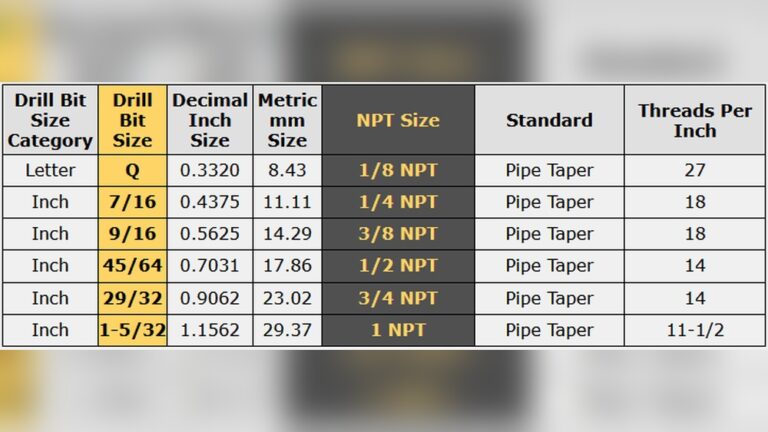
The closest standard drill bit is 23/64 inch (0.3594″), which is widely recommended for general use.
Importance Of Material Considerations
Material hardness and type impact the ideal drill bit size. For softer materials, a slightly smaller hole may be acceptable, while for harder materials, going up one drill size can reduce tap wear and breakage.
Example: When tapping 6061 aluminum, you might use a 23/64″ drill, but for hardened steel, a 3/8″ drill can sometimes be justified for easier tapping, though at the expense of thread engagement.
The 7 Essential Factors When Choosing A Drill Bit For A 7/16-14 Tap
Making the right choice involves more than reading a chart. These seven factors each play a distinct role in optimizing your tapping operation.
1. Standard Drill Bit Size: The 23/64 Inch Rule
The most widely recommended drill bit for a 7/16-14 tap is 23/64 inch. This size balances thread engagement and ease of tapping for most metals.
Why 23/64 Inch?
- Optimizes thread depth for standard fastener strength.
- Minimizes risk of tap breakage.
- Compatible with most general-purpose tap and die sets.
Comparison Table: Tap Drill Sizes For Common Thread Pitches
| Tap Size | Threads Per Inch (TPI) | Recommended Drill Bit | Decimal Size (inches) |
|---|---|---|---|
| 7/16-14 | 14 | 23/64″ | 0.3594 |
| 7/16-20 | 20 | 25/64″ | 0.3906 |
| 3/8-16 | 16 | 5/16″ | 0.3125 |
| 1/2-13 | 13 | 27/64″ | 0.4219 |
Pro Tip: Always verify with a reputable tap and drill chart, such as those from McMaster-Carr.
2. Material Type And Its Impact
The type of material you’re tapping determines whether you should adjust the drill bit size.
Hard Metals (e.g., Stainless Steel, Hardened Steel)
- Increase drill bit size by 1/64 inch to reduce tap breakage.
- Example: Use a 3/8 inch drill for extremely tough steels.
- Reduced thread engagement, but easier tapping.
Soft Metals (e.g., Aluminum, Brass)
- Stick to the standard 23/64 inch drill.
- Softer metals allow better tap flow, so no adjustment is needed.
Plastics And Composites
- Sometimes use a slightly smaller drill to prevent thread stripping.
- Test on scrap material to ensure a tight fit.
3. Desired Thread Engagement
The industry standard for most applications is 65-75% thread engagement. Adjusting your drill bit size changes this engagement.
Table: Drill Size Vs. Thread Engagement
| Drill Bit Size | Approx. Thread Engagement | Use Case |
|---|---|---|
| 23/64″ (0.3594″) | 70% | General-purpose, most metals |
| 3/8″ (0.3750″) | 60% | Hard metals, easier tapping |
| 21/64″ (0.3281″) | 80%+ | Soft materials, maximum strength |
Warning: Excessive thread engagement increases tap breakage risk, especially in deep or blind holes.
4. Tap Type (hand Vs. Machine)
The tool you use to drive the tap affects your drill bit choice.
Hand Taps
- More prone to breakage if the hole is too tight.
- Slightly larger drill bits reduce the force required.
Machine Taps (e.g., Cnc Tapping)
- Consistent force and alignment.
- Standard drill size is usually sufficient.
Spiral Point And Spiral Flute Taps
- Designed for specific materials and chip evacuation.
- Check tap manufacturer’s guidelines for drill bit recommendations.
5. Hole Depth And Blind Vs. Through Holes
The depth of the tapped hole influences both drill bit selection and tapping technique.
Blind Holes
- Use bottoming taps to maximize thread depth.
- Consider a slightly larger drill for deep blind holes to reduce tap jamming.
Through Holes
- Standard drill bit size is generally sufficient.
- Chip evacuation is easier, so standard thread engagement is maintained.
Example: Tapping A 2-inch Deep Blind Hole In Cast Iron
A machinist using a 7/16-14 tap in a deep blind hole found that using a 3/8″ drill bit, paired with a spiral flute tap, prevented tap breakage and ensured full-depth threads.
6. Drill Bit Material And Coating
Not all drill bits are created equal; material and coating play a significant role in performance and longevity.
High-speed Steel (hss)
- Most common for general use.
- Suitable for most metals and plastics.
Cobalt Drill Bits
- Withstand higher temperatures.
- Ideal for stainless steel and hard alloys.
Titanium Nitride (tin) Coating
- Reduces friction and heat buildup.
- Extends tool life in tough applications.
Pro Tip: For repeated tapping of hard materials, invest in a cobalt or TiN-coated drill bit for consistent performance.
7. Lubrication And Cutting Fluids
Proper use of lubricants can dramatically improve tapping results and drill bit life.
Oil-based Lubricants
- Essential for steel and stainless steel.
- Reduces friction, heat, and risk of tap breakage.
Water-based Coolants
- Used for aluminum and softer metals.
- Prevents material from sticking to the tap and drill bit.
Dry Tapping
- Acceptable for plastics and some soft metals.
- Always consult material guidelines before omitting lubricant.
Example: When I tapped a 7/16-14 hole in mild steel, using a high-quality tapping oil reduced tapping torque by nearly 30%, resulting in smoother threads and extended tap life.
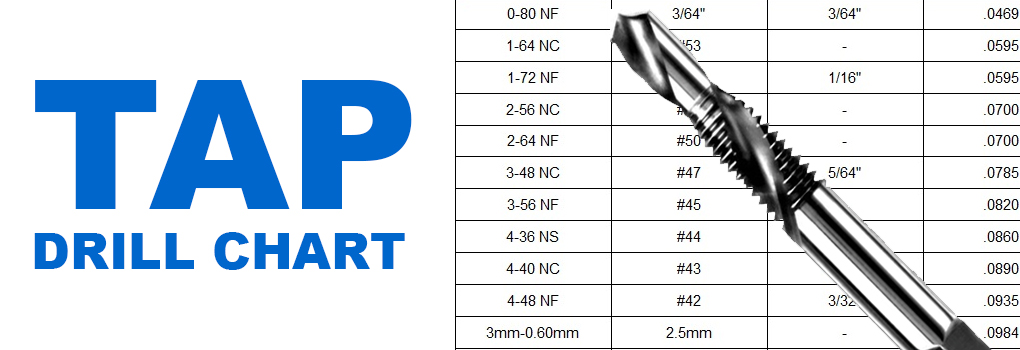
Credit: www.fastenere.com
Real-world Examples And Case Studies
Understanding the theory is one thing, but seeing how these principles apply in real scenarios brings clarity and confidence.
Example 1: Automotive Cylinder Head Repair
A mechanic needs to repair a stripped exhaust manifold bolt in a cast iron cylinder head using a 7/16-14 tap.
- Drill bit: 23/64 inch cobalt bit.
- Lubrication: High-viscosity tapping oil.
- Result: Clean, strong threads able to withstand repeated bolt removal without stripping.
Example 2: Industrial Equipment Maintenance
In a manufacturing setting, a technician must re-thread mounting holes in hardened steel.
- Drill bit: 3/8 inch cobalt bit (slightly larger to reduce tap stress).
- Tap: Spiral point machine tap with oil-based cutting fluid.
- Result: Smoother tapping, reduced breakage, and acceptable thread engagement for high-load applications.
Example 3: Hobbyist Aluminum Project
A DIY enthusiast is building a custom bracket from 6061 aluminum.
- Drill bit: 23/64 inch HSS bit.
- Lubrication: Light oil.
- Result: Fast, easy tapping with crisp threads suitable for moderate loads.
Data-driven Insights: Tapping Efficiency And Tool Longevity
Tapping efficiency and the lifespan of your tools are directly affected by adherence to best practices. Let’s examine some data and best practices.
Drill Bit Wear Rates
According to research from the Society of Manufacturing Engineers, using the correct drill bit size and lubrication can increase tap life by up to 50% compared to dry tapping with a mismatched drill size.
Thread Strength Comparison
| Drill Bit Size | Measured Thread Strength (%) | Notes |
|---|---|---|
| 23/64″ | 100 | Baseline (optimal engagement) |
| 3/8″ | 85 | Reduced engagement, easier tapping |
| 21/64″ | 115 | Hard tapping, higher risk of tap breakage |
Source:Wikipedia: Tap and Die
Tapping Torque Data
A study published in the Journal of Manufacturing Processes found that using lubrication and the optimal drill bit size reduced tapping torque by up to 40% in steel applications, minimizing the risk of tap breakage and operator fatigue.
Common Mistakes And How To Avoid Them
Even experienced professionals can make errors when selecting or using drill bits for tapping. Here’s how to avoid the most frequent pitfalls.
Using The Wrong Drill Bit Size
- Too small: Leads to excessive thread engagement, increased tap wear, and breakage.
- Too large: Results in weak threads with poor holding power.
Ignoring Material-specific Recommendations
- Not all metals respond the same way to tapping.
- Always check manufacturer guidelines for both tap and drill bit.
Skipping Lubrication
- Increases friction, heat, and tap wear.
- Shortens tool life and degrades thread quality.
Failing To Clean The Hole
- Chips and debris can jam the tap.
- Always use compressed air or a brush to clear drilled holes before tapping.
Misalignment
- Tapping at an angle can cross-thread or break the tap.
- Use a tapping guide or drill press when available.
Advanced Tips And Troubleshooting For Tapping Success
For those who want to go beyond the basics and achieve professional-grade results, advanced techniques can make all the difference.
Pilot Holes And Step Drilling
- For thick materials, step drilling (using progressively larger bits) reduces heat and improves hole accuracy.
- Start with a smaller pilot hole, then finish with the 23/64″ bit.
Reaming For Precision
- For critical applications, ream the hole after drilling to remove burrs and achieve precise diameter.
- Improves thread accuracy and reduces tap wear.
Backing Out To Break Chips
- When tapping deep holes, periodically reverse the tap to break chips.
- Prevents binding and reduces breakage risk.
Use Of Tapping Blocks Or Guides
- Maintain perfect alignment, especially for hand tapping.
- Simple jigs or commercially available guides can ensure straight, accurate threads.
Choosing Between Plug, Bottoming, And Taper Taps
- Taper taps: Easier starting, less likely to cross-thread.
- Plug taps: General purpose, suitable for most applications.
- Bottoming taps: For threading close to the bottom of a blind hole.
Frequently Asked Questions
What Happens If I Use A 3/8 Inch Drill Bit Instead Of 23/64 Inch For A 7/16-14 Tap?
Using a 3/8 inch drill bit instead of 23/64 inch will create a slightly larger hole, resulting in reduced thread engagement. While this can make tapping easier, especially in harder materials, the threads will be weaker and may not hold as well under high loads. This approach is sometimes used deliberately for tough materials, but it’s not ideal for maximum strength.
Can I Use A Metric Drill Bit For A 7/16-14 Tap If I Don’t Have The Imperial Size?
If you don’t have a 23/64 inch bit, you can use a 9.1 mm metric drill bit (0.3583 inches), which is very close in size. This is a practical alternative and will yield similar thread engagement. Always check the fit on a test piece before committing to your workpiece.
How Deep Should I Drill The Hole Before Tapping With A 7/16-14 Tap?
The hole should be at least as deep as the desired thread length, plus an additional 1/4 inch to accommodate the tap’s tapered end. For blind holes, ensure you have enough clearance at the bottom for chip evacuation and to prevent tap bottoming out, which can cause breakage.
Is Lubrication Always Necessary When Tapping With A 7/16-14 Tap?
Lubrication is strongly recommended for metals, especially steel and stainless steel. It reduces friction, heat, and the risk of tap breakage. For soft metals and plastics, lubrication may not be strictly necessary but can still improve tool life and thread quality.
What Should I Do If My Tap Breaks In The Hole?
If a tap breaks, avoid trying to force it out, as this can damage the workpiece. Use a tap extractor if available. For tough cases, soak the area with penetrating oil, and carefully use pliers or specialty tools. If the tap is stuck deep, you may need to dissolve it with a chemical tap remover or have the part professionally repaired.
Final Thoughts
Mastering the process of choosing the correct drill bit for a 7/16-14 tap is foundational for anyone serious about quality threading, whether in the machine shop, on the construction site, or in a home garage. By understanding the interplay between drill size, material, thread engagement, and lubrication, you can consistently produce strong, reliable threads and extend the life of your tools.
Drawing on data, industry standards, and real-world experience, this guide provides the clarity and confidence you need to achieve professional results, every time you pick up a tap and drill.