When you start shopping for a cordless drill, you’ll notice two voltage numbers appear again and again: 12V and 20V. For many people, this is the first big decision they face. Both tools look similar, and both can be used for home repair, woodworking, or even some professional tasks. But which one is better for you? And what does the difference between 12V drill vs 20V drill really mean in daily use?
Buying the wrong tool can be frustrating. Maybe your drill is too weak for your project, or maybe you end up with something heavier than you need. The right choice will save you money, time, and effort. In this article, you’ll discover the true differences between these two popular drill types.
We’ll look at power, weight, battery life, size, price, and much more. You’ll also find real-world examples, common mistakes, and practical advice to help you choose with confidence.
Let’s dig into the details and see how 12V drills and 20V drills really compare.
What Do 12v And 20v Mean?
The “V” stands for volts, which shows how much electrical pressure the battery provides. More volts usually mean more power. But the numbers can be confusing. In reality, 12V and 20V drills often use very similar battery cells. The main difference is how the manufacturer measures the battery’s voltage.
- 12V is the nominal (average) voltage.
- 20V is the maximum (peak) voltage right after a full charge.
For example, many “20V” batteries are the same as “18V” batteries in other countries. Companies may use higher numbers for marketing. That said, in most cases, a 20V drill will be more powerful than a 12V drill.
Power And Performance
Power is one of the biggest reasons people choose one drill over another. Let’s look at how these drills compare in real-life use.
12v Drill Power
- Good for light tasks such as drilling into wood, plastic, or soft metals.
- Handles screws for furniture assembly, shelves, and small repairs.
- Motor usually gives 200–350 inch-pounds of torque.
20v Drill Power
- Designed for heavy-duty jobs like drilling into hardwood, thick metal, or masonry.
- Can drive large screws, lag bolts, and do repetitive work without slowing down.
- Motor typically gives 350–600+ inch-pounds of torque.
Non-obvious insight: Torque is just one part of the story. The speed (RPM) and the quality of the drill bit also play a big role. Even a 12V drill can outperform a weak 20V if it has a better motor or smarter electronics.
Real-world Example
If you need to build a deck, install cabinets, or work on cars, a 20V drill will make the job faster and easier. But if you’re hanging picture frames, fixing loose screws, or assembling electronics, a 12V drill is often more than enough.

Credit: www.reddit.com
Weight And Size
Cordless drills are made to be portable, but their weight and size can affect how long you can use them without getting tired.
12v Drill Advantages
- Lighter, often 2–2.5 pounds with battery.
- Smaller, fits into tight spaces (like inside cabinets or under sinks).
- Easier for long use or overhead work.
20v Drill Downsides
- Usually heavier, 3–4 pounds or more with battery.
- Larger body, can be hard to use in small spaces.
- More tiring for long periods, especially for beginners.
Practical Tip
If you have small hands or weak wrists, or if you do a lot of work above your head, a 12V drill will feel much more comfortable.
Battery Life And Charging
Batteries are the heart of any cordless tool. How long can you work before you need a recharge?
12v Drill Battery
- Smaller battery, often 1.5Ah–2.0Ah.
- Good for short jobs—can last 30–60 minutes of active use.
- Charges faster, usually in 30–60 minutes.
20v Drill Battery
- Larger battery, 2.0Ah–5.0Ah (some pro models go higher).
- Can run for hours on big projects.
- Takes longer to charge (up to 90 minutes or more).
Non-obvious insight: A 12V drill with a spare battery can often outlast a single 20V battery, especially for light tasks. Always consider buying a second battery if you need more runtime.
Battery Compatibility
- Many brands offer battery platforms. For example, you can use the same 12V battery for a drill, flashlight, and saw.
- 20V platforms usually have more tool options, but 12V systems are smaller and lighter.
Price Differences
Budget is always important, especially for beginners or DIY users.
12v Drill Cost
- Basic kits start at $40–$70.
- Higher-end brands: $80–$120.
- Cheaper to buy extra batteries or replacement parts.
20v Drill Cost
- Entry-level kits start at $60–$100.
- Pro models: $120–$300+.
- Bigger batteries and motors mean higher cost.
Practical advice: If you’re just starting, it’s better to buy a good 12V drill than a cheap, low-quality 20V drill. Quality matters more than voltage for most home users.
Common Tasks For Each Drill
To help you decide, here’s a look at what each drill does best.
| Task | 12V Drill | 20V Drill |
|---|---|---|
| Furniture assembly | Excellent | Excellent |
| Installing shelves | Good | Excellent |
| Drilling into wood | Good (up to 1/2″) | Excellent (larger holes) |
| Drilling into metal | Light duty only | Handles thick metal |
| Building a deck | Poor | Excellent |
| Installing cabinets | Okay | Excellent |
| Automotive repairs | Limited use | Very useful |
| Everyday repairs | Excellent | Excellent |
Features And Options
Modern drills come with many features. Here’s what you might find in both types:
- Variable speed trigger for better control.
- LED light for dark spaces.
- Keyless chuck (easy bit changes).
- Belt clip for carrying.
- Multiple clutch settings to prevent overdriving screws.
20V drills often add:
- Hammer drill mode for masonry.
- Higher RPM settings.
- Brushless motors for longer life and more power.
12V drills focus on:
- Compact size.
- Light weight.
- Lower noise.
Durability And Build Quality
Build quality can vary a lot. Some 12V drills are made for professionals, while some 20V drills are made for casual users.
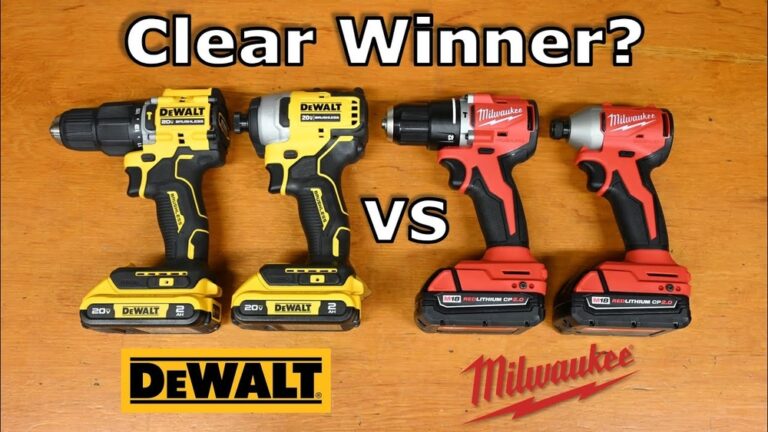
- Pro brands (like Milwaukee, DeWalt, Makita) make both 12V and 20V drills that last for years.
- Cheap brands may use plastic gears or weak parts. These break faster, no matter the voltage.
- 20V drills are usually built tougher for demanding jobs.
Tip: Always check user reviews and ratings before you buy. Don’t trust just the voltage number.
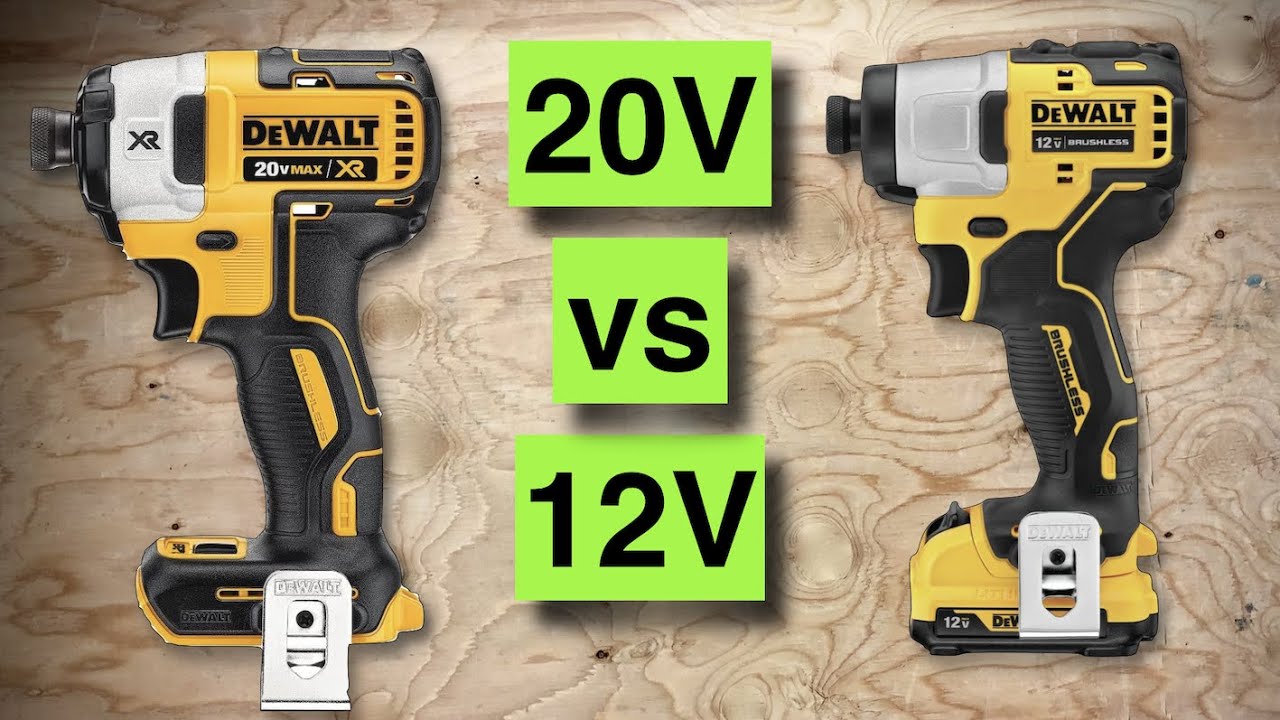
Credit: www.youtube.com
Ergonomics And User Comfort
How a drill feels in your hand is often more important than pure power.
- 12V drills have slimmer handles, less vibration, and are easier for small hands.
- 20V drills can feel bulky, but some models have soft grips and balanced designs.
If possible, try holding both types in a store to see which feels best.
Noise And Vibration
- 12V drills are generally quieter and create less vibration.
- 20V drills are noisier, especially in hammer mode or at full speed.
- For indoor work or long sessions, less noise and vibration mean less fatigue.
Drill Bit Compatibility
Both 12V and 20V drills use standard bits (usually 3/8″ or 1/2″ chucks). But:
- 12V drills sometimes have smaller chucks and may struggle with large-diameter bits.
- 20V drills can handle bigger bits for hole saws, spade bits, and augers.
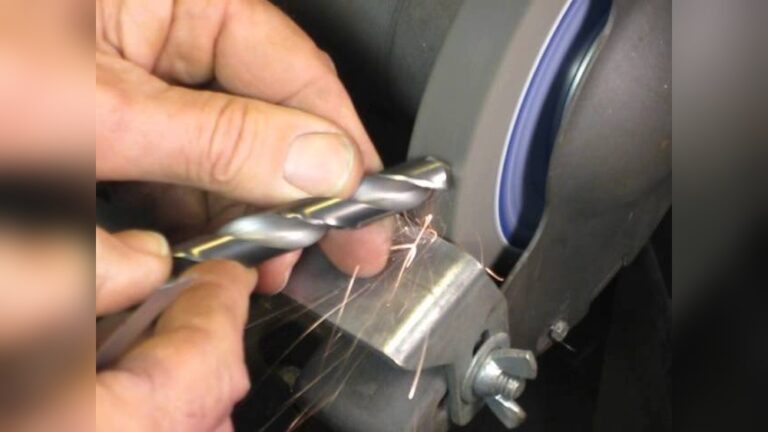
Pro tip: Use sharp, high-quality bits. A good bit will improve performance more than extra voltage.
Specific Models And Brands
You’ll find 12V and 20V drills from nearly every major tool brand. Some popular options:
- DeWalt: 12V Xtreme and 20V Atomic/Max series.
- Makita: 12V CXT and 18V/20V LXT lines.
- Milwaukee: M12 (12V) and M18 (18V/20V).
- Bosch: 12V Max and 18V Flexiclick.
Non-obvious insight: Many brands allow you to use the same battery with different tools (saws, lights, impacts). If you already own a tool, sticking to the same brand can save you money.
Which Drill Should You Choose?
Here’s a simple way to decide:
| Scenario | Best Choice |
|---|---|
| Mostly home repairs and crafts | 12V Drill |
| Building furniture or cabinets | 12V or 20V Drill |
| Remodeling, construction, or heavy tasks | 20V Drill |
| Need light weight and portability | 12V Drill |
| One drill for all jobs | 20V Drill |
Common Mistakes To Avoid
- Choosing only by voltage. Don’t buy a 20V drill just for the number. Quality, features, and brand matter more.
- Ignoring weight and size. A heavy drill can be hard to use all day.
- Not checking battery platform. If you plan to buy more tools, stick to one brand’s battery system.
- Skipping the clutch settings. Using the wrong setting can strip screws or damage material.
- Forgetting about warranty. Good brands offer at least 2–3 years of warranty. Cheap drills may not.

Credit: toolguyd.com
Real-world User Stories
Many homeowners start with a 12V drill and find it’s perfect for 90% of their needs—picture hanging, fixing hinges, assembling IKEA furniture. Only after starting bigger projects do they feel the need for a 20V drill.
Carpenters and contractors almost always carry a 20V drill for power, but they often keep a 12V drill in the toolbox for light work or tight spaces.
Non-obvious insight: Some professionals use both—one in each hand! A 12V drill for screws, a 20V for drilling holes.
Environmental And Safety Factors
- 12V drills use less energy and are easier to recycle.
- Both types are generally safe, but 20V drills can cause more kickback and need more caution.
- Always wear eye protection and keep hair/clothing away from moving parts.
Upgrades And Accessories
You can boost performance with accessories:
- Extra batteries (double your runtime).
- Fast chargers (cut charging time in half).
- Right angle adapters for hard-to-reach spots.
- Drill bit sets (wood, metal, masonry).
- Magnetic bit holders for quick swaps.
These extras often make a bigger difference than voltage alone.
When To Upgrade From 12v To 20v
Upgrade if:
- You start doing larger home improvements (like building decks or sheds).
- You need to drill into concrete or thick metal.
- You want to use power-hungry accessories (like hole saws or augers).
- Your current drill struggles or feels underpowered.
But remember, for light work, a 12V drill may be all you ever need.
Summary Table: 12v Drill Vs 20v Drill
Here’s a quick side-by-side comparison:
| Feature | 12V Drill | 20V Drill |
|---|---|---|
| Weight | 2–2.5 lbs | 3–4 lbs+ |
| Torque | 200–350 in-lbs | 350–600+ in-lbs |
| Best for | Light-medium tasks | Medium-heavy tasks |
| Battery Life | 30–60 min (per battery) | 1–3 hours (per battery) |
| Price | Lower | Higher |
| Size | Compact | Bulky |
| Noise | Lower | Higher |
| Accessory Compatibility | Standard bits (3/8″) | Standard bits (3/8″–1/2″) |
Frequently Asked Questions
What Is The Main Difference Between A 12v And 20v Drill?
The main difference is power. A 20V drill delivers more torque and can handle tougher materials, while a 12V drill is lighter, smaller, and best for light work. The battery size and runtime also differ.
Can A 12v Drill Do Everything A 20v Drill Can?
No. A 12V drill is best for small jobs like hanging pictures, assembling furniture, or drilling small holes in wood. For thick metal, masonry, or heavy-duty construction, a 20V drill is better.
Is A 20v Drill Always Heavier Than A 12v Drill?
Almost always. 20V drills have bigger batteries and motors, making them heavier and bulkier. Some compact 20V models are lighter, but in general, 12V drills are easier to hold and use in tight spots.
Can I Use The Same Battery For A 12v And 20v Drill?
No. Batteries are not interchangeable between 12V and 20V systems, even from the same brand. Always check compatibility before buying extra batteries or tools.
What Should I Buy For My First Home Drill?
For most beginners and homeowners, a good quality 12V drill is the best starting point. It’s light, easy to use, and powerful enough for everyday tasks. If you plan to do bigger projects, consider a 20V drill or look for a combo kit.
—
Choosing between a 12V drill and a 20V drill doesn’t have to be confusing. Think about your main tasks, how often you’ll use the drill, and your budget. Power is important, but comfort, size, and quality matter just as much. For most home users, a 12V drill covers nearly all basic needs. But if you plan bigger projects or want one tool for everything, a 20V drill is a smart investment.
For more technical details about cordless drills and batteries, you can check out resources like Wikipedia.
Make your choice with confidence, and you’ll have a tool that serves you well for years to come.