Choosing the right drill can feel overwhelming, especially with so many brands competing for your attention. If you’re comparing Ridgid vs Milwaukee drill, you’re not alone—both brands have earned their place in workshops, garages, and job sites worldwide. But which one is best for you? That depends on your needs, budget, and the kind of work you do. In this guide, you’ll discover the key differences, strengths, and weaknesses of Ridgid and Milwaukee drills. Whether you’re a new DIY enthusiast or a seasoned contractor, you’ll learn what really matters before you buy. Let’s break down the features, performance, value, and real user experiences so you can make a confident decision.
Brand Background: Ridgid And Milwaukee
Understanding a brand’s history helps explain its products’ strengths and weaknesses.
Ridgid
Ridgid was founded in 1923 and is well-known for its plumbing tools and durable construction equipment. Its power tools, including drills, target both serious DIYers and professionals. Ridgid is owned by Emerson Electric and its tools are often exclusive to Home Depot in the U.S. The company is famous for its Lifetime Service Agreement (LSA), which covers repairs and parts for life if you register your tool. This warranty is a big draw for budget-conscious buyers.
Milwaukee
Milwaukee Tool started in 1924 and quickly became a favorite among professionals. Now owned by Techtronic Industries, Milwaukee focuses on innovation, performance, and durability. Its power tools are designed for heavy-duty users—think contractors and industrial workers. Milwaukee’s M18 and M12 cordless platforms are especially popular, offering a wide range of tools that use the same batteries.
Drill Lineups: What’s Available?
Both brands offer many types of drills. The most popular are cordless drill/drivers, hammer drills, and impact drivers. Here’s a quick look at their main options:
- Ridgid: 12V and 18V cordless drills, hammer drills, impact drivers, corded drills (less common).
- Milwaukee: 12V (M12) and 18V (M18) cordless drills, hammer drills, impact drivers, right-angle drills, specialty drills.
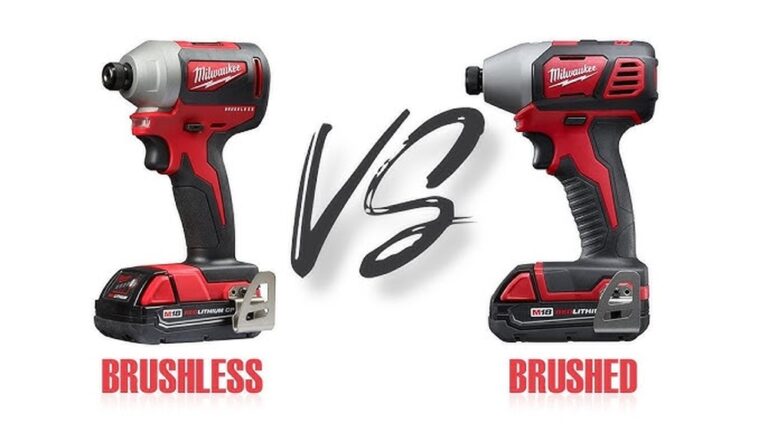
Both have brushed and brushless motors, but brushless is now the standard for most serious users because it’s more efficient and durable.
Performance: Power, Speed, And Torque
A drill’s performance depends mainly on its power, speed, and torque. Let’s compare typical models from each brand.
| Brand | Model | Voltage | Max Torque (in-lbs) | No-Load Speed (RPM) | Brushless Motor |
|---|---|---|---|---|---|
| Ridgid | R86116 (18V Gen5X) | 18V | 700 | 0-2,000 | Yes |
| Milwaukee | 2803-20 (M18 Fuel) | 18V | 1,200 | 0-2,000 | Yes |
Milwaukee drills often deliver higher torque, which means more turning force for tough jobs. This matters if you drill into hardwood, metal, or masonry. Ridgid’s torque is usually lower but still enough for most home and light professional tasks. Both brands offer variable speed, letting you control how fast the drill spins—useful for different materials.
Non-obvious insight: Torque numbers alone don’t tell the full story. The way the drill delivers power—smoothly or with sudden bursts—affects control and precision. Milwaukee’s advanced electronics give you better power management, which can help with delicate jobs.
Battery Systems And Runtime
Cordless drills rely on their battery systems. This affects not just how long you can work, but also which other tools you can use with the same batteries.
Ridgid’s Battery System
Ridgid uses a hyper lithium-ion 18V battery platform. Their batteries have decent runtime and charge speed. If you buy Ridgid, make sure your other tools are also Ridgid, since the batteries are not cross-compatible with most other brands.
Milwaukee’s Battery System
Milwaukee’s M18 and M12 batteries are industry leaders. M18 is for high-power tools, M12 for compact tools. Both offer long runtime, fast charging, and are backward compatible with older tools. Milwaukee has a much larger family of tools that use the same batteries—over 200 tools on the M18 platform alone.
| Brand | Battery Voltage | Available Ah Ratings | Charge Time (Rapid Charger) | Compatible Tools |
|---|---|---|---|---|
| Ridgid | 18V | 2.0, 4.0, 6.0, 9.0Ah | ~30-60 min | ~50+ |
| Milwaukee | 18V (M18) | 1.5, 2.0, 3.0, 5.0, 6.0, 9.0, 12.0Ah | ~30-60 min | ~200+ |
Practical tip: Milwaukee’s battery family is better if you plan to invest in multiple tools. Ridgid’s batteries are solid, but the range is smaller.

Credit: www.youtube.com
Build Quality And Durability
Both brands make tough tools, but there are differences.
Ridgid
Ridgid drills use high-impact plastic and rubber overmolds for grip and protection. They can handle job site drops and bumps. Users report good durability for home and light professional use, but some say the chuck (where the bit goes) can loosen under heavy load.
Milwaukee
Milwaukee is known for premium materials and tight tolerances. The brand uses reinforced gears, metal chucks, and robust housings. Milwaukee drills often last longer in tough environments like construction sites. Contractors trust Milwaukee for daily, heavy-duty work.
Non-obvious insight: Milwaukee’s higher price partly reflects better quality control—less chance of getting a “lemon” out of the box.
Ergonomics: Weight, Balance, And Comfort
How a drill feels in your hand matters more than most people think. A comfortable drill lets you work longer and make fewer mistakes.
- Ridgid: Slightly heavier on average, but the grip is thick and well-cushioned. Some users with smaller hands find Ridgid drills bulky.
- Milwaukee: Usually more compact and lighter. The handle has a slimmer design and balanced weight, reducing hand fatigue.
Try holding both brands in-store if possible. The difference in comfort might surprise you, especially if you’ll use your drill for hours.
Features And Technology
Modern drills come packed with features. Let’s see what Ridgid and Milwaukee offer.
Ridgid’s Notable Features
- Lifetime Service Agreement: Free parts and service for life (if you register in time).
- LED work light: Built-in, but sometimes not as bright as Milwaukee’s.
- Belt hook: Included on most models.
- Adjustable clutch: Good range for precise work.
- Bit holder: Handy for quick swaps.
Milwaukee’s Notable Features
- REDLINK Plus Intelligence: Advanced electronics protect against overload and overheating.
- All-metal chuck: Stronger grip on bits, less slippage.
- Brushless motors: Almost standard in Milwaukee, for better efficiency.
- Compact size: Many models are shorter and easier to fit in tight spaces.
- Fuel gauge: Shows battery level clearly.
Pro tip: Milwaukee’s electronic controls help prevent damage to both the tool and battery. That’s a big plus if you push your drill hard.
Price And Value
For many people, cost is a key factor. Here’s how Ridgid and Milwaukee compare:
- Ridgid: Lower price for most comparable models. You often get a drill, two batteries, charger, and case for less than Milwaukee’s bare tool.
- Milwaukee: Higher initial price, but better resale value and often longer-lasting.
Value tip: If you need a drill for occasional home use, Ridgid’s price and warranty are hard to beat. For daily professional use, Milwaukee’s higher price pays off in durability.
Warranty And Service
Warranty can make or break your long-term satisfaction.
- Ridgid: Lifetime Service Agreement if you register within 90 days. Covers free parts and service, but some users say the process is slow and strict about paperwork.
- Milwaukee: Most cordless drills have a 5-year limited warranty. Service is fast and widely available, but not as long as Ridgid’s LSA.
Common mistake: Many Ridgid users forget to register their tools, losing out on the LSA. Always register right after purchase.
Real-world Performance: User Experiences
Let’s look at how these drills perform in real life.
Ridgid User Feedback
- Positive: “My Ridgid drill has lasted 7 years with no problems. The warranty gave me peace of mind.”
- Negative: “The chuck sometimes loosens with big drill bits. Not a huge issue, but worth noting.”
- General: “Plenty of power for home projects. Batteries last a long time.”
Milwaukee User Feedback
- Positive: “My Milwaukee M18 drill drives 6-inch lag bolts all day without slowing down. Worth the price.”
- Negative: “More expensive, but I haven’t had to replace it in 5 years of construction work.”
- General: “Super compact. Love the battery life and the feel in hand.”
Non-obvious insight: Milwaukee drills often appear on professional job sites, while Ridgid is more common among advanced DIYers and light tradespeople.
Head-to-head: When To Choose Ridgid Or Milwaukee
To help you decide, here’s a direct comparison of their strengths:
| Feature | Ridgid | Milwaukee |
|---|---|---|
| Price | Lower | Higher |
| Warranty | Lifetime (with registration) | 5 years |
| Durability | Good for home/light pro | Excellent for heavy-duty |
| Battery System | Decent, limited tool range | Industry-leading, huge range |
| Ergonomics | Bulkier, cushioned grip | Slimmer, lighter, balanced |
| Features | Standard | Advanced electronics, compact |
| Availability | Mostly Home Depot | Wider retail distribution |
Practical Buying Advice
Choose Ridgid If:
- You want the best warranty in the business.
- You do home projects, light repairs, or occasional professional work.
- Your budget is limited but you want reliability.
- You already own Ridgid 18V tools.
Choose Milwaukee If:
- You need a drill for daily heavy-duty or professional work.
- You want the best performance, ergonomics, and battery platform.
- You plan to build out a large tool collection.
- You value advanced features and are willing to pay more.
Pro tip: Think about your long-term tool needs. If you might expand your collection, Milwaukee’s battery system is a smarter investment.
Credit: www.reddit.com
Common Mistakes When Choosing A Drill
- Focusing only on price: Cheap drills may not last, especially under heavy use.
- Ignoring the battery platform: Mixing brands means more chargers and batteries—stick to one system.
- Overlooking ergonomics: A comfortable drill is safer and easier to use.
- Forgetting about warranty registration: Especially with Ridgid, missing the registration window means no lifetime service.
- Buying too much or too little power: Choose a drill that fits your actual needs.
Which Drill Is Best For You? Key Scenarios
- Homeowner/DIYer: Ridgid offers great performance for the price. The LSA adds peace of mind.
- Contractor/Pro: Milwaukee’s power and reliability justify the extra cost.
- Occasional user: Ridgid is cost-effective and more than enough for furniture assembly or hanging shelves.
- Expanding your tool collection: Milwaukee’s battery compatibility is unmatched, making it ideal if you plan to buy more tools.
Environmental Impact And Sustainability
Both brands are making strides in battery recycling and reducing waste. Milwaukee runs battery recycling programs with many retailers, and Ridgid encourages responsible disposal. Brushless motors (common in both brands now) are more energy-efficient, reducing electricity use over the tool’s life. If sustainability matters to you, check local recycling options for old batteries and tools.
Availability And After-sales Support
- Ridgid: Mostly sold at Home Depot and its online store. Service centers are fewer, but the LSA is a big plus if you register.
- Milwaukee: Available at most hardware stores, specialty tool shops, and major online retailers. Service and support are widely praised for speed and reliability.
Credit: www.reddit.com
Expert Recommendations
If you want a tool that will last through years of tough jobs, Milwaukee is the pro’s choice. If you’re a homeowner or light trade worker who wants maximum value and peace of mind, Ridgid is a smart pick.
Non-obvious insight: Milwaukee’s resale value is higher—if you ever upgrade, you’ll get more back for your used Milwaukee drill than a Ridgid.
Where To Learn More
If you’re interested in deep technical comparisons, the Pro Tool Reviews website offers detailed hands-on tests, teardown photos, and expert advice.
Frequently Asked Questions
What Is The Main Difference Between Ridgid And Milwaukee Drills?
The main difference is that Milwaukee drills are built for heavy-duty, professional use with higher power, advanced features, and a bigger battery/tool platform. Ridgid drills are more budget-friendly, still reliable, and offer a unique lifetime service agreement, but are best for home and light professional use.
Is Ridgid Owned By Milwaukee?
No, Ridgid and Milwaukee are not owned by the same company. Ridgid is owned by Emerson Electric, while Milwaukee is part of Techtronic Industries. Both are respected brands but have different parent companies and target markets.
Can Ridgid And Milwaukee Batteries Be Used Interchangeably?
No, Ridgid and Milwaukee batteries are not cross-compatible. Each brand has its own battery system. Trying to use one brand’s battery in another’s tool will not work and may even damage the tool.
Which Drill Lasts Longer: Ridgid Or Milwaukee?
Milwaukee drills generally last longer, especially under tough, daily use. Ridgid drills are durable for home and light pro tasks, but Milwaukee’s build quality and electronic protections help them survive more abuse over time.
What Happens If I Forget To Register My Ridgid Tool For The Lifetime Service Agreement?
If you forget to register within 90 days, you lose the lifetime service coverage and only get the standard 3-year warranty. Always register your Ridgid tool right after purchase to avoid missing out.
Choosing between Ridgid and Milwaukee drills comes down to how you’ll use your drill, what features matter most, and your budget. Both brands offer real value, but their strengths serve different users. With the facts and insights above, you can make the right choice for your next project—confidently and without regret.