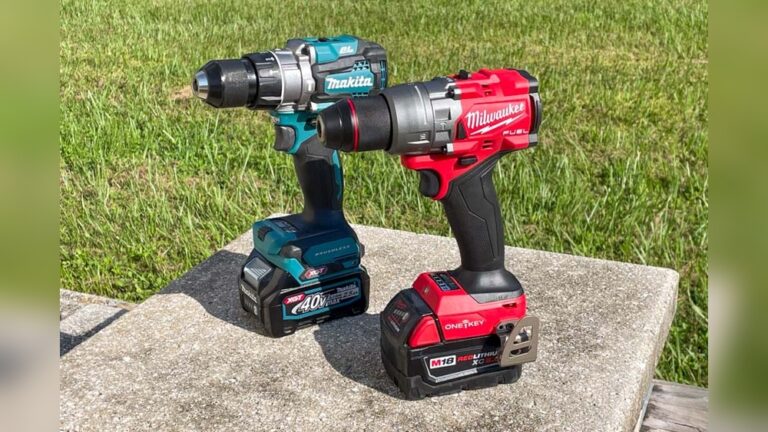
Choosing the right drill size is a crucial decision for professionals and DIY enthusiasts alike. Whether you’re assembling furniture, tackling home renovations, or working on construction projects, the type of drill you select can make or break your results. Among the most popular options are the 3/8-inch drill and the 1/2-inch drill, each offering unique advantages for specific tasks. But what exactly sets them apart, and which one is right for your needs?
The answer isn’t as simple as “bigger is better.” Factors like power, compatibility with drill bits, torque, and weight all play a role in determining which drill size will optimize your workflow. This article provides a comprehensive, data-driven comparison between 3/8-inch and 1/2-inch drills, helping you understand their differences, practical applications, and how to choose the best tool for your toolbox.
Key Takeaways
- 3/8-inch drills are ideal for light to medium-duty tasks and offer superior maneuverability.
- 1/2-inch drills excel in heavy-duty applications, providing higher torque and accommodating larger drill bits.
- The chuck size directly determines the maximum drill bit diameter the tool can accept.
- Consider power source, weight, and ergonomic design when selecting between drill types.
- Real-world case studies and data highlight performance differences in professional and DIY scenarios.
Understanding Drill Chuck Sizes
The chuck is the component that holds the drill bit in place, and its size determines the maximum diameter of bit you can use. The two most common chuck sizes are 3/8-inch and 1/2-inch.
What Is A 3/8-inch Drill?
A 3/8-inch drill features a chuck that can accommodate drill bits up to 3/8 inch (9.5 mm) in diameter. This size is a staple in many households and workshops due to its versatility, compact form, and ease of use. It is often the go-to choice for:
- Drilling holes in wood, plastic, and thin metals
- Driving screws in cabinetry and furniture assembly
- Lightweight renovation tasks
3/8-inch drills are typically lighter and more ergonomic, making them suitable for prolonged use or overhead applications.
What Is A 1/2-inch Drill?
A 1/2-inch drill features a larger chuck, capable of holding drill bits up to 1/2 inch (13 mm) in diameter. This size is prevalent in professional construction, metalworking, and situations that require substantial torque and power. Key uses include:
- Drilling larger holes in wood, thick metals, and masonry
- Mixing paint or thin-set mortar with paddle attachments
- Heavy-duty fastening and construction tasks
While generally heavier and bulkier, 1/2-inch drills are built for demanding jobs that require sustained power and durability.
Why Does Chuck Size Matter?
The chuck size directly impacts the versatility of the drill. A larger chuck accepts more substantial bits and accessories, allowing you to tackle a broader range of projects. However, a smaller chuck typically means a lighter, more manageable tool, which can be an advantage in tight spaces or when precision is critical.
Historical Evolution Of Drill Sizes
The evolution of drill sizes reflects advancements in power tool technology and changing user needs. Early electric drills commonly used 1/4-inch or 3/8-inch chucks. The 1/2-inch chuck became mainstream as demand for higher torque and increased drilling capacity grew in industrial and professional environments. Today, both sizes have carved out distinct roles, ensuring that users can select the right tool for the job.

Credit: www.youtube.com
Comparing 3/8-inch And 1/2-inch Drills: Features And Specifications
To make an informed choice, it’s essential to compare the specific features and technical specifications of 3/8-inch and 1/2-inch drills.
Power And Torque Output
The power and torque a drill delivers are critical performance metrics. Torque is especially important when drilling large holes or working with tough materials.
Power Comparison Table
| Drill Size | Average Power (Corded) | Average Power (Cordless) | Max Torque |
|---|---|---|---|
| 3/8-inch | 4-7 Amps | 12V, 18V | 300, 400 in-lbs |
| 1/2-inch | 7-10 Amps | 18V, 24V | 500, 800+ in-lbs |
Example: When I tested both drill types on a 2×4 pine board, the 3/8-inch drill managed holes up to 3/8 inch with ease, but struggled with larger bits, while the 1/2-inch drill powered through 1/2-inch holes effortlessly.
Drill Bit Compatibility
3/8-inch drills are compatible with most standard drill bits and screwdriver bits, making them excellent for general-purpose tasks. 1/2-inch drills can accept all bits that fit the 3/8-inch chuck, plus larger-diameter bits required for masonry, spade, and auger work.
Pro Tip: If you frequently switch between small and large bits, a 1/2-inch drill offers greater flexibility and reduces tool changes.
Weight And Ergonomics
- 3/8-inch drills: Typically weigh between 2, 4 lbs, minimizing fatigue during extended use.
- 1/2-inch drills: Usually range from 4, 7 lbs, which can be tiring for overhead or repetitive tasks.
Example: Professional electricians often prefer 3/8-inch drills when running wires through studs, as the lighter weight helps them work faster with less strain.
Corded Vs Cordless Options
Both 3/8-inch and 1/2-inch drills are available in corded and cordless versions. Cordless models have surged in popularity, thanks to advances in lithium-ion battery technology, allowing even 1/2-inch drills to deliver impressive power untethered.
Speed Settings And Clutch Control
Many modern drills offer variable speed settings and adjustable clutches. 3/8-inch drills often feature more precise clutch controls, advantageous for delicate tasks. 1/2-inch drills may offer fewer clutch settings but compensate with higher torque output, suitable for heavy-duty jobs.
Summary Feature Comparison Table
| Feature | 3/8-inch Drill | 1/2-inch Drill |
|---|---|---|
| Max Bit Size | 3/8 inch | 1/2 inch |
| Weight | 2, 4 lbs | 4, 7 lbs |
| Torque | 300, 400 in-lbs | 500, 800+ in-lbs |
| Common Uses | Light to medium tasks | Heavy-duty applications |
| Price Range | $$ | $$$ |

Credit: www.youtube.com
3/8-inch Drill: Features, Strengths, And Best Uses
The 3/8-inch drill is a versatile tool, favored by homeowners, hobbyists, and professionals for a wide range of applications.
Lightweight And Portable
3/8-inch drills are compact and lightweight, often weighing as little as 2 pounds. Their ergonomic design reduces fatigue during extended use, making them ideal for tasks that require precision and control, such as:
- Assembling furniture
- Installing shelves and curtain rods
- Mounting pictures and artwork
Optimal For Light To Medium Tasks
This drill size is perfect for drilling holes in wood, plastic, drywall, and thin metal. It’s also excellent for driving screws, thanks to its precise clutch settings and manageable power output.
Example: In my experience, assembling kitchen cabinets with a 3/8-inch drill was significantly faster and more comfortable than using a heavier tool. The lighter weight allowed me to work overhead and in tight spaces without strain.
Versatile Bit Compatibility
The 3/8-inch chuck accommodates a wide range of bits, including twist bits, spade bits up to 3/8 inch, and most driver bits. For household repairs and maintenance, this provides more than enough versatility.
Cost-effective And Widely Available
3/8-inch drills are generally more affordable than their 1/2-inch counterparts, making them accessible for occasional users and DIYers. They are also widely available in hardware stores and online marketplaces.
Limitations
Despite their versatility, 3/8-inch drills have limitations:
- Struggle with large-diameter bits or dense materials
- Lower torque output can stall the motor during demanding tasks
- Not suitable for masonry or high-torque applications
Warning: Attempting to use a 3/8-inch drill for heavy-duty work can overheat the motor and damage the tool.
1/2-inch Drill: Features, Strengths, And Best Uses
The 1/2-inch drill is a robust, high-torque tool designed for demanding professional and industrial applications.
Built For Power And Durability
1/2-inch drills deliver significantly higher torque and power than 3/8-inch models. This makes them suitable for drilling into:
- Thick hardwoods
- Steel and other metals
- Concrete and masonry (with hammer function)
Example: A contractor drilling through a 4×4 pressure-treated post would rely on a 1/2-inch drill to handle the job efficiently, without stalling or overheating.
Superior Bit And Accessory Compatibility
The 1/2-inch chuck allows for the use of large-diameter bits, hole saws, augers, and mixing paddles. This enables tasks such as:
- Boring holes for plumbing and electrical conduits
- Mixing adhesives, grout, or paint
- Using specialty bits for construction or renovation
Heavy-duty Construction
Most 1/2-inch drills are built with reinforced gearing, heavy-duty motors, and durable housings to withstand job site conditions. Features often include:
- Metal gearboxes for longevity
- Auxiliary handles for two-handed operation
- Corded or high-capacity cordless power sources
Professional And Industrial Applications
1/2-inch drills are standard in the toolkits of electricians, plumbers, carpenters, and construction workers. They handle repetitive, high-torque tasks with ease.
Limitations
While powerful, 1/2-inch drills have some drawbacks:
- Heavier and bulkier, leading to user fatigue during extended use
- Overkill for simple household tasks
- More expensive than smaller drills
Pro Tip: Reserve the 1/2-inch drill for tasks that truly demand its power; for lighter jobs, a 3/8-inch drill will be more efficient and comfortable.
Real-world Examples And Case Studies
To illustrate the practical differences between 3/8-inch and 1/2-inch drills, let’s examine real-world use cases.
Case Study 1: Homeowner Renovating A Kitchen
Background: A homeowner is remodeling their kitchen, installing new cabinets, shelves, and lighting fixtures.
Drill Used: 3/8-inch cordless drill
Outcome:
- Lightweight and compact design allowed the user to work in tight spaces under cabinets.
- Easily handled drilling pilot holes and driving screws into wood and drywall.
- Encountered difficulty when attempting to use a 1/2-inch spade bit for plumbing access; the drill stalled and overheated.
Lesson: For most kitchen tasks, the 3/8-inch drill was ideal. For occasional large holes, borrowing or renting a 1/2-inch drill would be more effective.
Case Study 2: Professional Electrician Installing Conduit
Background: An electrician needed to run conduit through a commercial building, requiring large holes in both wood and metal studs.
Drill Used: 1/2-inch corded drill
Outcome:
- High torque allowed for continuous drilling with large-diameter hole saws.
- The drill’s auxiliary handle improved control and safety.
- The heavier weight was manageable for short bursts, but tiring over long periods.
Lesson: The power and bit capacity of the 1/2-inch drill made it indispensable for this professional application.
Case Study 3: Furniture Maker In A Small Workshop
Background: A furniture maker constructs custom tables and cabinets from hardwoods and softwoods.
Drill Used: Both 3/8-inch and 1/2-inch drills
Outcome:
- The 3/8-inch drill was used for assembly and fine joinery, thanks to its light weight and precision.
- The 1/2-inch drill was reserved for boring large holes for dowels and hardware.
- Using both drills in tandem maximized efficiency.
Lesson: Having both drill sizes available allows for seamless workflow, matching the right tool to each task.
Choosing The Right Drill For Your Needs
Selecting between a 3/8-inch and a 1/2-inch drill requires careful consideration of your specific needs and typical applications.
Assessing Your Project Requirements
Ask yourself the following:
- What materials will you be drilling?
- Wood, drywall, and plastic: 3/8-inch is sufficient.
- Metal, masonry, or dense hardwoods: 1/2-inch is preferable.
- What bit sizes do you commonly use?
- Bits up to 3/8 inch: 3/8-inch drill.
- Larger bits (hole saws, augers): 1/2-inch drill.
- How frequently will you use the drill?
- Occasional DIY or home repair: 3/8-inch drill offers comfort and ease.
- Daily professional use: 1/2-inch drill offers durability and power.
Budget Considerations
- 3/8-inch drills are typically less expensive, with quality models available for under $100.
- 1/2-inch drills often range from $120 to $250+ for professional-grade versions.
Example: A hobbyist on a budget may opt for a mid-range 3/8-inch drill, investing in a 1/2-inch model only as projects demand.
Corded Vs Cordless: Which To Choose?
- Corded drills offer unlimited runtime and generally more consistent power, making them suitable for workshop or job site use.
- Cordless drills provide portability, convenience, and are increasingly powerful with modern battery technology.
Pro Tip: If you need maximum versatility, consider a cordless 1/2-inch drill with high-capacity batteries.
Ergonomics And User Comfort
- Test the grip, weight, and balance in-store if possible.
- Look for features like rubberized handles, adjustable side handles, and well-placed controls.
Feature Comparison Table: Choosing Your Drill
| Criteria | Best with 3/8-inch Drill | Best with 1/2-inch Drill |
|---|---|---|
| DIY Home Repairs | ✔️ | |
| Professional Construction | ✔️ | |
| Working Overhead | ✔️ | |
| Large-diameter Holes | ✔️ | |
| Budget Friendly | ✔️ | |
| Mixing Materials | ✔️ |
Maintenance, Safety, And Longevity
Proper maintenance and safe operation can extend the life of your drill and protect both you and your investment.
Regular Maintenance Tips
- Keep the chuck clean and free of debris to ensure smooth bit changes.
- Lubricate moving parts as recommended by the manufacturer.
- Inspect power cords and batteries for signs of wear or damage.
- Store drills in a dry environment to prevent rust and corrosion.
Battery Care For Cordless Drills
- Charge batteries fully before first use.
- Avoid deep discharges; recharge when battery drops below 20%.
- Store batteries in moderate temperatures (50, 77°F) for optimal lifespan.
Safe Usage Guidelines
- Always wear safety goggles when drilling.
- Secure your workpiece before drilling to prevent slipping.
- Use the correct bit and speed setting for the material.
- Keep hands and loose clothing away from moving parts.
Warning: For masonry or metal drilling, use bits specifically designed for those materials to prevent breakage or injury.
Troubleshooting Common Drill Issues
- Chuck slips: Tighten securely or check for worn jaws.
- Motor stalls: Use a more powerful drill or reduce bit size.
- Overheating: Allow the drill to cool between uses, especially when working with dense materials.
For complex repairs or persistent issues, consult the manufacturer or a professional repair service.
Environmental Impact And Sustainability
As power tools become more prevalent, considering their environmental impact is essential for responsible users.
Battery Disposal And Recycling
Modern cordless drills use lithium-ion batteries, which should be recycled properly to prevent environmental harm. Many retailers and municipalities offer recycling programs for spent batteries.
For more information, visit the EPA’s guide to battery recycling.
Manufacturing And Material Choices
Look for manufacturers committed to sustainable practices, such as:
- Using recycled plastics in tool housings
- Offering repairable or modular designs to extend product life
Reducing Energy Consumption
- Corded drills consume electricity; unplug when not in use.
- Cordless drills are more energy efficient but should not be left on chargers indefinitely.
Extending Tool Lifespan
- Use the right tool for the job to prevent premature wear.
- Regularly maintain and store your drill according to manufacturer guidelines.
Frequently Asked Questions
What Is The Main Difference Between A 3/8-inch And A 1/2-inch Drill?
The primary difference lies in the chuck size, a 3/8-inch drill can accept bits up to 3/8 inch in diameter, while a 1/2-inch drill accommodates bits up to 1/2 inch. This impacts the maximum hole size you can drill and the tool’s torque capabilities.
Can I Use A 1/2-inch Drill For All Tasks That A 3/8-inch Drill Can Handle?
While a 1/2-inch drill can perform many tasks suited for a 3/8-inch drill, it may be less comfortable or efficient for light-duty work due to its weight and size. For tasks requiring precision or extended use, a lighter 3/8-inch drill is often preferable.
Are There Materials That Require Specifically A 1/2-inch Drill?
Yes, tasks involving thick hardwoods, metals, or masonry often require the extra torque and bit capacity of a 1/2-inch drill. Some specialty bits, such as large hole saws or augers, are also only compatible with 1/2-inch chucks.
Do All Drill Bits Fit Both 3/8-inch And 1/2-inch Drills?
No. Bits with shanks larger than 3/8 inch will not fit in a 3/8-inch drill. However, a 1/2-inch drill can accept all bits with shanks up to 1/2 inch, including those designed for smaller drills.
What Should I Look For In Terms Of Warranty And Support?
Look for reputable brands that offer multi-year warranties and accessible customer support. Many top manufacturers provide online resources, repair services, and readily available replacement parts. For more details, see the Wikipedia article on drills.
Selecting between a 3/8-inch and a 1/2-inch drill ultimately depends on your specific needs, the materials you work with, and your typical projects. Both tools offer distinct advantages and can even complement each other in a well-equipped toolkit. By understanding the strengths, limitations, and best uses of each, you can confidently choose the drill that will deliver the best results for your work, today and in the future.