Left hand drill bits are a specialized tool that most DIYers, mechanics, and professionals rarely encounter but can be absolutely essential for removing broken fasteners, studs, and bolts. Unlike standard drill bits, left hand drill bits rotate counterclockwise, which allows them to grip and potentially unscrew the broken piece as they drill.
Whether you’re faced with a stubborn bolt in an automotive engine or a snapped screw in a woodworking project, knowing how to use a left hand drill bit can save hours of frustration and prevent costly damage to surrounding materials.
This article will take you through the complete process: from understanding what left hand drill bits are and why they matter, to step-by-step instructions, safety precautions, and real-world examples. You’ll discover how left hand drill bits compare to other extraction tools, when and why to use them, and how to maximize success rates. With actionable tips and expert insights, you’ll have all the information needed to confidently tackle broken fasteners using these unique tools.
Key Takeaways
- Left hand drill bits rotate counterclockwise, making them ideal for removing broken screws and bolts.
- The correct technique includes careful selection of bit size, proper safety gear, and slow, steady drilling.
- Left hand drill bits can sometimes remove broken fasteners without additional extraction tools.
- Comparing left hand drill bits with extractors and standard bits reveals clear advantages in specific scenarios.
- Real-world examples illustrate successful use and common challenges when extracting broken fasteners.
- Proper maintenance and storage extend the lifespan and effectiveness of left hand drill bits.
Understanding Left Hand Drill Bits
What Are Left Hand Drill Bits?
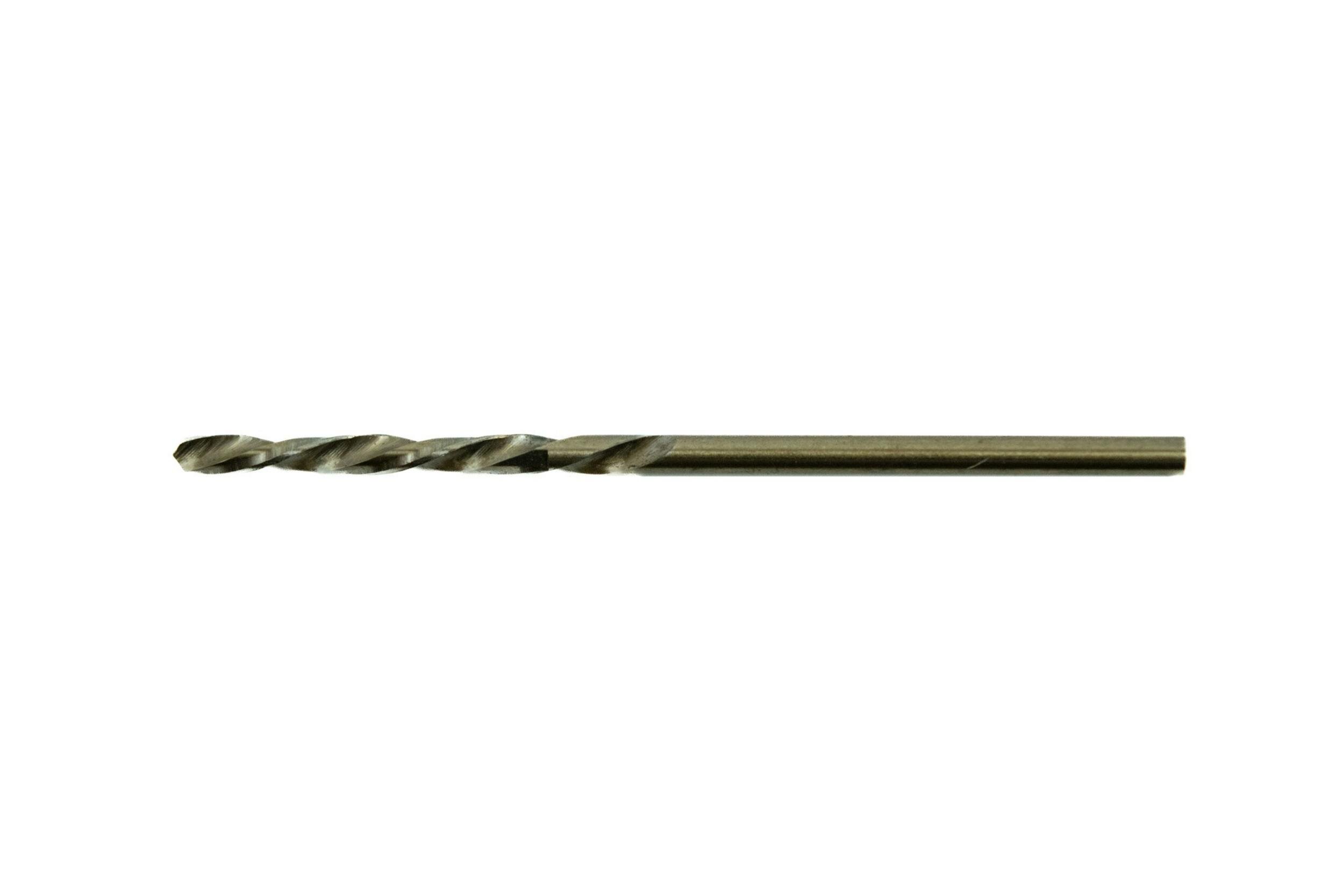
Left hand drill bits are designed to turn counterclockwise, opposite the standard right hand drill bits. This feature is especially useful when drilling into a broken fastener or bolt that needs to be unscrewed rather than drilled deeper into the material. Most left hand drill bits are made from high-speed steel, cobalt, or carbide, allowing them to penetrate tough metals.
Why Are They Used?
The main purpose of left hand drill bits is fastener extraction. When a screw, bolt, or stud breaks and cannot be removed by conventional means, drilling into it with a left hand bit can cause the broken piece to loosen and back out of its hole. This is particularly effective with bolts that snapped due to over-tightening or corrosion.
How They Differ From Standard Bits
Standard drill bits rotate clockwise and are meant for creating holes. Left hand drill bits are manufactured with spiral flutes that twist in the opposite direction, and their use is more specialized.
| Feature | Left Hand Drill Bit | Standard Drill Bit |
|---|---|---|
| Rotation | Counterclockwise | Clockwise |
| Purpose | Extraction & drilling | Drilling only |
| Effect on Fastener | Can unscrew broken fasteners | May drive fastener deeper |
| Material Compatibility | Metals, especially hardened steel | Wood, plastic, metal |
Typical Applications
Left hand drill bits are commonly used in:
- Automotive repair for removing broken studs or bolts.
- Machinery maintenance when a fastener breaks in a critical component.
- Home improvement projects involving metal fixtures.
- Aerospace and industrial sectors where precision extraction is required.
Credit: centurydrill.com
Selecting The Right Left Hand Drill Bit
Choosing The Correct Size
Selecting the right size is crucial. The drill bit should be slightly smaller than the diameter of the broken fastener. For example, a 6mm bolt requires a 5mm left hand drill bit to avoid damaging the threads.
Material And Coating
Left hand drill bits come in several materials:
- High-speed steel (HSS): Suitable for most general applications.
- Cobalt: Ideal for drilling into harder metals.
- Carbide: Used for extremely tough or hardened steel.
Coatings such as titanium or black oxide can increase durability and reduce friction.
Drill Compatibility
Not all drills are suitable. Ensure your drill can be set to reverse mode, as left hand bits require counterclockwise rotation. Corded drills, cordless drills, and drill presses with reversible action are compatible.
Popular Brands And Sets
Some of the most recommended brands for left hand drill bits include:
- Irwin Tools
- DEWALT
- Bosch
- Milwaukee
Sets typically range from 5 to 10 bits, covering sizes from 1/16” to 3/8”.
Pro Tip:
When selecting a left hand drill bit, match the bit’s hardness to the material of the broken fastener to prevent unnecessary wear or breakage.
Step-by-step Guide: Using A Left Hand Drill Bit
Preparing The Workspace
A safe and organized workspace is key to successful extraction. Gather the following:
- Safety goggles and gloves
- Drill with reverse setting
- Left hand drill bit set
- Center punch
- Lubricant (cutting oil)
- Vacuum or brush for debris
Clear the area of any loose objects and ensure good lighting. If working on machinery, disconnect power sources.
Marking And Centering
Accurate centering prevents the bit from wandering and damaging surrounding threads.
- Use a center punch to make a small indentation at the center of the broken fastener.
- Confirm alignment visually and with a ruler if needed.
Drilling Process
- Insert the correct size left hand drill bit into the drill chuck.
- Set the drill to reverse rotation.
- Apply a small amount of cutting oil to the fastener.
- Position the bit in the punched center and drill slowly, applying steady pressure.
- Monitor progress; often, the broken fastener will begin to spin out as you drill.
Extracting The Fastener
If the fastener does not come out after drilling:
- Increase bit size incrementally.
- Consider using a screw extractor in combination with the drilled hole.
- Repeat the process as necessary.
| Step | Action | Purpose |
|---|---|---|
| 1 | Center punch | Prevents bit wandering |
| 2 | Choose bit size | Protects threads |
| 3 | Apply cutting oil | Reduces heat/friction |
| 4 | Drill in reverse | Extracts fastener |
| 5 | Use extractor (if needed) | Completes removal |
Safety Precautions
- Always wear eye protection; metal shards can cause severe injury.
- Use gloves to protect against sharp debris.
- Secure the workpiece to prevent movement.
- Keep hands and clothing away from spinning bits.
Comparing Left Hand Drill Bits To Other Extraction Tools
Screw Extractors
Screw extractors are twisted tools inserted into a pre-drilled hole to grip and remove broken fasteners. They are often used after drilling with a left hand bit if the fastener does not come out on its own.
Standard Drill Bits
Standard drill bits are not designed for extraction; they can worsen the situation by driving the broken fastener deeper.
Bolt Grippers
Bolt grippers clamp onto exposed fastener heads, but are ineffective when the fastener is completely recessed or broken flush.
Extraction Tool Comparison Table
| Tool | Best Use Case | Extraction Success Rate | Risk of Damage |
|---|---|---|---|
| Left Hand Drill Bit | Broken fasteners, studs, bolts | High (when properly centered) | Low |
| Screw Extractor | Fasteners with drilled holes | Medium-High | Medium |
| Standard Drill Bit | General drilling | Low (for extraction) | High |
| Bolt Gripper | Protruding bolts | Medium | Low |
When To Use Each Tool
- Use left hand drill bits for initial extraction attempts.
- Use screw extractors if drilling does not remove the fastener.
- Use bolt grippers only if part of the bolt head remains accessible.
Example:
In my experience removing a snapped exhaust manifold bolt, the left hand drill bit alone was enough to spin the broken bolt out after only a few millimeters of drilling, saving time and avoiding thread damage.
Real-world Examples And Case Studies
Automotive Repair Scenario
A mechanic faces a broken head bolt in an engine block. After centering and drilling with a left hand drill bit, the broken bolt backs out without the need for a screw extractor. This prevents further damage to the engine threads and saves significant labor costs.
Home Improvement Challenge
During a kitchen remodel, a stainless steel screw snaps flush against a metal bracket. The homeowner uses a left hand drill bit and, after careful drilling, the screw unwinds and exits the hole. No extractor is needed, and the bracket remains intact.
Industrial Maintenance Case
A maintenance technician at a manufacturing facility uses left hand drill bits to extract sheared bolts from a conveyor system. The process is repeated successfully for multiple fasteners, minimizing downtime and preventing expensive repairs.
Lessons Learned
- Proper centering is critical for success.
- Using a left hand drill bit can eliminate the need for extractors in many cases.
- Patience and steady drilling yield the best results.
Troubleshooting Common Issues
Bit Slipping Or Wandering
If the bit slips off the fastener:
- Re-punch the center mark.
- Use a smaller bit to start and increase size gradually.
Fastener Not Extracting
If the broken fastener does not come out:
- Drill deeper but avoid damaging threads.
- Use a screw extractor after drilling a pilot hole.
Bit Breakage
If the bit breaks:
- Ensure the bit is appropriate for the material.
- Reduce drill speed and pressure.
- Use cutting oil to minimize friction.
Thread Damage
To avoid thread damage:
- Center the bit carefully.
- Choose a bit size smaller than the fastener diameter.
Pro Tip:
If repeated attempts fail, consult a professional mechanic or machinist before risking further damage.
Maintenance And Storage Of Left Hand Drill Bits
Cleaning After Use
After each use, wipe the bits clean with a cloth and apply light oil to prevent rust. Removing metal shavings will extend bit life.
Storage Solutions
Store left hand drill bits in their original case or a dedicated organizer. Keep bits separated by size to prevent confusion and damage.
Sharpening And Replacement
Sharpen bits periodically with a dedicated bit sharpener or replace worn bits. Dull bits increase the risk of breakage and poor extraction performance.
Longevity Tips
- Avoid using left hand bits for standard drilling tasks.
- Use the correct drill speed to prevent overheating.
- Inspect bits for signs of wear before each use.
Advanced Techniques For Difficult Extractions
Combination With Screw Extractors
For particularly stubborn fasteners, drill a pilot hole with a left hand bit, then insert a screw extractor. The combination increases success rates.
Heat Treatment
Applying heat to the area with a torch can loosen rusted fasteners. Drill with a left hand bit immediately after heating for optimal results.
Lubrication
Use penetrating oil such as WD-40 to soak the fastener before drilling. This reduces friction and helps break rust bonds.
Multiple Extraction Attempts
If the fastener doesn’t budge after the first attempt:
- Allow the lubricant to penetrate longer.
- Try a slightly larger bit.
- Consult Wikipedia: Screw Extractor for additional methods.
Safety And Best Practices
Personal Protective Equipment
Always wear eye protection and gloves. Metal fragments and sharp bits are hazardous.
Secure Work Area
Clamp the workpiece to prevent movement. Loose parts can cause accidents or bit breakage.
Drill Settings
Use low speed and reverse mode. High speed increases heat and risk of bit snapping.
Material Awareness
Know the material you’re working with. Hardened steel may require cobalt or carbide bits.
Consult A Professional
For complex or critical extractions (e. g. , engine blocks, structural bolts), consult a certified mechanic or machinist. Improper technique can cause permanent damage.
Example:
A professional machinist successfully extracts hardened bolts from industrial equipment by combining left hand drill bits with heat and lubrication, demonstrating the importance of multi-step techniques.
Frequently Asked Questions
What Is The Primary Advantage Of Left Hand Drill Bits Over Screw Extractors?
Left hand drill bits can both drill and unscrew broken fasteners in a single step. While screw extractors require a pilot hole and may damage threads if misaligned, left hand bits often remove the fastener without additional tools, minimizing risk and effort.
Can Left Hand Drill Bits Be Used For Regular Drilling Tasks?
It’s not recommended to use left hand drill bits for standard drilling. Their counterclockwise rotation is specialized for extraction, and using them for conventional drilling can cause rapid wear and reduce effectiveness for future extraction tasks.
How Do I Know If My Drill Supports Left Hand Drill Bits?
Your drill must have a reverse (counterclockwise) setting. Most modern corded and cordless drills include this feature. For drill presses, check the manufacturer’s specifications or consult the manual to ensure compatibility.
Are Left Hand Drill Bits Effective On Rusted Or Corroded Fasteners?
Left hand drill bits can be effective on rusted fasteners, especially when combined with penetrating oil and heat. However, heavily corroded bolts may require additional extraction tools or professional assistance to avoid thread damage.
Where Can I Learn More About Advanced Fastener Extraction Techniques?
For detailed guidance, explore resources from reputable organizations such as iFixit, which offers step-by-step instructions and community advice for challenging fastener removals.
Mastering the use of left hand drill bits transforms a dreaded repair task into a manageable process. With the right technique, tools, and safety precautions, you can confidently tackle broken fasteners in everything from home projects to automotive repairs. By understanding their strengths, maintaining them properly, and applying advanced strategies when needed, left hand drill bits become an indispensable asset in any tool kit.