Choosing between a cordless drill and a hammer drill can be confusing, especially if you are new to DIY or construction work. Both tools look similar, but they serve different purposes and have unique strengths. Understanding these differences is key to picking the right tool for your projects, saving you time and effort, and even preventing costly mistakes.
In this article, you’ll discover everything you need to know about cordless drills versus hammer drills, including their features, uses, advantages, disadvantages, and what really matters when buying one. If you want to drill more efficiently, work safer, and avoid wasting money, keep reading.
What Is A Cordless Drill?
A cordless drill is a power tool that uses a rechargeable battery to spin a drill bit or screwdriver bit. It is designed mainly for drilling holes in wood, plastic, and light metals, and for driving screws. Cordless drills are popular because they are portable, lightweight, and easy to use anywhere, even where there is no power outlet.
Modern cordless drills come with various features such as variable speed control, torque settings, and quick-change chucks. The most common battery types are lithium-ion, which offer longer life and faster charging compared to older nickel-cadmium batteries.
Cordless drills are ideal for tasks like:
- Assembling furniture
- Installing shelves
- Hanging pictures
- Building decks (in soft materials)
- Light repairs around the house
A key point many beginners miss: cordless drills are not designed for hard masonry or concrete. Trying to use one for heavy-duty drilling can damage both the tool and your drill bits.
What Is A Hammer Drill?
A hammer drill is a power tool that combines rotary drilling with a rapid hammering action. This hammering motion helps the drill bit break up hard materials, such as concrete, brick, or stone, making it much easier to drill into them.
Hammer drills can be corded or cordless. They look similar to regular drills but are often heavier, have a larger motor, and include a special setting to turn the hammer action on or off. When the hammer function is off, the tool works like a standard drill.
Common uses for hammer drills include:
- Drilling holes in concrete walls
- Installing anchors in brick or stone
- Heavy-duty construction projects
- Working with dense materials that standard drills cannot handle
One detail that often surprises users: hammer drills can also drive screws and drill in wood or metal if the hammer function is turned off. This makes them more versatile than many people think, though they are often bulkier and more tiring to use for long periods.
Key Differences Between Cordless Drill And Hammer Drill
While both tools can drill holes and drive screws, their internal mechanisms and best uses are quite different. Here’s a side-by-side comparison to help clarify:
| Feature | Cordless Drill | Hammer Drill |
|---|---|---|
| Primary Function | Drill holes, drive screws | Drill into masonry & concrete |
| Hammer Action | No | Yes (can be switched on/off) |
| Ideal Materials | Wood, plastic, light metal | Concrete, brick, stone |
| Weight | Light to moderate | Heavier |
| Versatility | High for light tasks | High for tough tasks, moderate for light |
| Price Range | Lower to mid | Mid to high |
The hammer action is the main difference. Hammer drills use a mechanism that moves the drill bit forward and backward rapidly while spinning, which breaks up tough materials. Cordless drills only spin.
Another important point: some hammer drills can be cordless, but not all cordless drills have a hammer function. Always check the specifications before buying.
How Does Each Tool Work?
Cordless Drill Mechanism
A cordless drill uses an electric motor powered by a battery. When you press the trigger, the motor turns gears that rotate the chuck (the part that holds the bit). Some models offer adjustable clutch settings, so you can control the torque, which is helpful when driving screws without stripping them.
Hammer Drill Mechanism
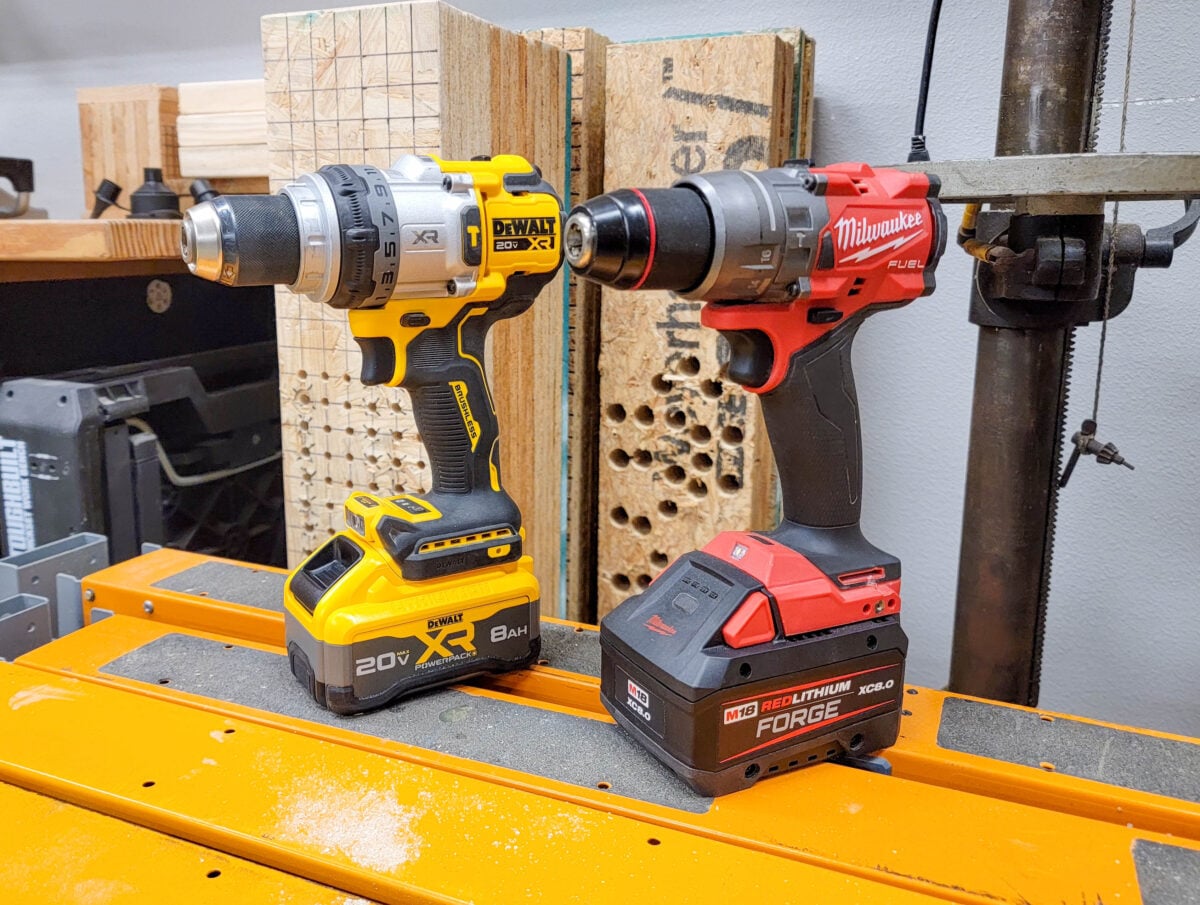
A hammer drill has an extra mechanism: two ridged discs (called cams) inside the drill that move against each other when the hammer mode is on. This creates a rapid, pounding motion in addition to the spinning. The result is a drill bit that not only rotates but also punches forward many times per second. This helps break up hard surfaces.
Some hammer drills also offer a “drill only” mode (no hammering), making them more versatile for lighter tasks.
Credit: www.protoolreviews.com
Pros And Cons: Cordless Drill
Let’s look at the main advantages and disadvantages of cordless drills.
Advantages
- Portability – You can use them anywhere, even without electricity.
- Lightweight – Easier to handle for long periods.
- Versatile – Great for most household and DIY jobs.
- Easy to use – No cords to manage; simple controls.
- Quick bit changes – Most have keyless chucks for faster swapping.
Disadvantages
- Limited power – Not strong enough for hard masonry or concrete.
- Battery life – Needs recharging, which can interrupt work.
- Can overheat – Pushing too hard can damage the motor.
- Not for heavy-duty jobs – Struggles with dense materials.
A tip many users forget: always have a spare battery charging if you plan to work for several hours. This avoids downtime.
Pros And Cons: Hammer Drill
Hammer drills are powerful, but not perfect for every job.
Advantages
- Powerful hammer action – Drills easily into concrete and brick.
- Versatile modes – Can be used as a standard drill.
- Durable – Built for heavy-duty work.
- Can be corded or cordless – More options for power.
Disadvantages
- Heavier and bulkier – Can be tiring for long use.
- More expensive – Higher cost, especially for quality models.
- Overkill for light tasks – Too much power for simple jobs.
- More vibration and noise – Can be uncomfortable.
Pro insight: using a hammer drill on wood or drywall with the hammer mode ON can damage your material and bit. Always check the mode before starting.
Typical Use Cases: Which Tool For Which Job?
Knowing which tool to use can make your work faster and safer. Here are common tasks and the recommended tool:
- Hanging shelves on a wooden wall – Cordless drill
- Drilling into concrete for anchor bolts – Hammer drill
- Assembling furniture – Cordless drill
- Mounting a TV on a brick wall – Hammer drill
- Installing a curtain rod in drywall – Cordless drill
- Making holes in a tile backsplash – Hammer drill (with special bit)
- Building a wooden deck – Cordless drill (unless attaching to concrete base)
- Running electrical cable through stone – Hammer drill
A mistake beginners make: trying to use a cordless drill for masonry. If you see smoke or the bit stops biting, switch to a hammer drill.
Performance Comparison: Power, Speed, And Efficiency
Let’s compare cordless drills and hammer drills based on important performance factors. Here’s a helpful data table:
| Factor | Cordless Drill | Hammer Drill |
|---|---|---|
| Max Torque | 30-60 Nm (average) | 50-120 Nm (average) |
| RPM Range | 0-1,500 | 0-3,000 |
| Hammer Blows/Min | None | Up to 50,000 |
| Drilling Concrete | Poor | Excellent |
| Drilling Wood/Metal | Excellent | Good (hammer OFF) |
| Battery Life (Cordless models) | Longer (less power used) | Shorter (more power drawn) |
These numbers are averages, but they give a clear idea: hammer drills are much more powerful, especially for tough materials. However, this extra power drains the battery faster in cordless models.

Credit: www.youtube.com
Buying Guide: How To Choose The Right Drill
Picking the right tool depends on your needs, budget, and the type of work you do most.
Key Factors To Consider
- Material you’ll drill most often – If you work mostly with wood or drywall, a cordless drill is usually enough. For concrete, brick, or stone, a hammer drill is essential.
- Frequency of use – Occasional DIY projects? A cordless drill is lighter and more affordable. Frequent heavy-duty work? Invest in a hammer drill.
- Power source – Cordless tools offer freedom, but corded models give unlimited runtime and more power for heavy jobs.
- Weight and comfort – If you plan to use the drill for hours, choose a lighter model with a good grip.
- Budget – Cordless drills are often cheaper. Hammer drills cost more but are necessary for masonry.
- Versatility – Some hammer drills can act as both a regular drill and a hammer drill, giving you more options.
Common Mistakes When Buying
- Ignoring battery type – Lithium-ion batteries last longer and charge faster. Avoid older nickel-cadmium models if possible.
- Buying too much power – A heavy hammer drill is not useful if you only do light work.
- Not checking chuck size – A 13mm (1/2-inch) chuck fits larger bits and is more flexible.
- Forgetting about accessories – Some jobs need special drill bits. Make sure your tool is compatible.
Expert tip: try holding the drill before buying. Balance and grip comfort are more important than many people realize, especially for longer projects.
Safety And Maintenance Tips
No matter which drill you use, following safety and maintenance advice can help you avoid injuries and extend tool life.
Safety Tips
- Wear safety glasses – Protect your eyes from flying debris.
- Check the bit – Make sure it’s tight in the chuck and not damaged.
- Start slow – Begin with a slow speed to avoid slipping.
- Let the tool do the work – Don’t force the drill; this can break bits or damage the motor.
- Use the right mode – On hammer drills, only use hammer mode on masonry.
Maintenance Tips
- Clean after use – Wipe dust off and clear vents.
- Check battery contacts – Clean with a dry cloth to prevent poor connections.
- Store properly – Keep drills dry and avoid extreme temperatures.
- Lubricate moving parts – Some models need occasional oiling.
One insight often missed: drill bits wear out faster in masonry. Replace them as soon as you notice slower progress or more vibration.
Cordless Drill Or Hammer Drill: Which One Should You Buy?
The answer depends on your main projects:
- For home repairs, woodworking, and simple tasks: A good quality cordless drill is usually all you need. It’s lighter, cheaper, and more comfortable for most people.
- For construction, renovations, or working with concrete and brick: A hammer drill is the better choice. It handles tough jobs with ease and saves time.
- If you want one tool for everything: Some hammer drills can switch off the hammer action and act as a regular drill. These are often heavier and more expensive but offer more flexibility.
If you’re serious about DIY or plan to do both types of work, having both tools is ideal. Many professionals keep a cordless drill for everyday jobs and a hammer drill for tougher tasks.
Real-world Examples
Let’s look at a few real-life scenarios to make things clearer.
Example 1: Hanging Curtains In An Apartment
You want to install a curtain rod on a wall. If the wall is drywall or wood, a cordless drill with a screwdriver bit is perfect. You can drill pilot holes and drive screws easily.
But if the wall is concrete (common in many apartments), your cordless drill will struggle or fail. You’ll need a hammer drill with a masonry bit to make the holes for the anchors.
Example 2: Building A Deck
Most of the work—driving screws into wood—can be done with a cordless drill. It’s lighter, and you’ll be drilling hundreds of holes, so comfort matters. But if you need to attach posts to a concrete base, you’ll need a hammer drill to make the anchor holes.
Example 3: Renovating A Bathroom
If you need to drill through ceramic tiles or brick to install shelves or plumbing, a hammer drill with the right bit is the best choice. For assembling cabinets and fixtures, a cordless drill is easier to handle.
These examples show why many professionals own both tools. Each has its strengths.
Credit: www.boschtools.com
Additional Features To Consider
Modern drills often include features that can make your work easier. Here are a few to look for:
- LED lights – Help you see in dark corners or inside cabinets.
- Multiple speed settings – Give you better control for different materials.
- Brushless motors – More efficient, last longer, and produce less heat.
- Side handles – Standard on most hammer drills for better control.
- Belt clips – Useful for working on ladders or moving around a job site.
A non-obvious insight: brushless motors are not just about power—they also extend battery life and reduce wear. This is worth the extra investment for frequent users.
Environmental And Cost Considerations
When choosing between cordless and hammer drills, also think about the long-term costs and environmental impact.
- Cordless drills require batteries, which need proper recycling. Lithium-ion batteries last longer but eventually wear out.
- Hammer drills, especially corded models, avoid battery waste but use more electricity.
Cost-wise, factor in:
- Replacement batteries for cordless drills (can be 30% of the tool cost).
- Drill bit replacement, especially for masonry.
- Tool lifespan – Quality tools last longer and are more repairable.
For more on environmental impacts of power tools, visit the Wikipedia Power Tool page.
Frequently Asked Questions
What Is The Main Difference Between A Cordless Drill And A Hammer Drill?
The main difference is the hammer action. Hammer drills can rapidly pound the drill bit forward and backward, making it easy to drill into hard materials like concrete and brick. Cordless drills only spin the bit and are best for wood, plastic, and light metals.
Can I Use A Hammer Drill As A Regular Drill?
Yes. Most hammer drills have a switch to turn off the hammer function, allowing you to use them like a standard drill for wood, metal, or plastic. However, they are usually heavier, so they may not be as comfortable for light work.
Is A Cordless Hammer Drill The Same As A Cordless Drill?
No. A cordless hammer drill is a type of cordless drill with an extra hammer function for masonry. A regular cordless drill does not have the hammer mechanism and is not suitable for concrete or brick.
What Size Drill Should I Buy For Home Use?
For most home projects, a 12V to 18V cordless drill with a 10mm or 13mm chuck is a good choice. If you plan to drill into masonry, consider a hammer drill with at least an 18V battery or a corded model for more power.
How Long Do Batteries Last In Cordless Drills And Hammer Drills?
Battery life depends on usage, battery size, and the type of work. For light tasks, a 2.0Ah battery may last a few hours. Heavy-duty hammer drilling drains batteries much faster. Having a spare battery is recommended for longer jobs.
Choosing between a cordless drill and a hammer drill doesn’t have to be complicated. By understanding your needs and the strengths of each tool, you can make a smart investment and complete your projects more easily and safely.