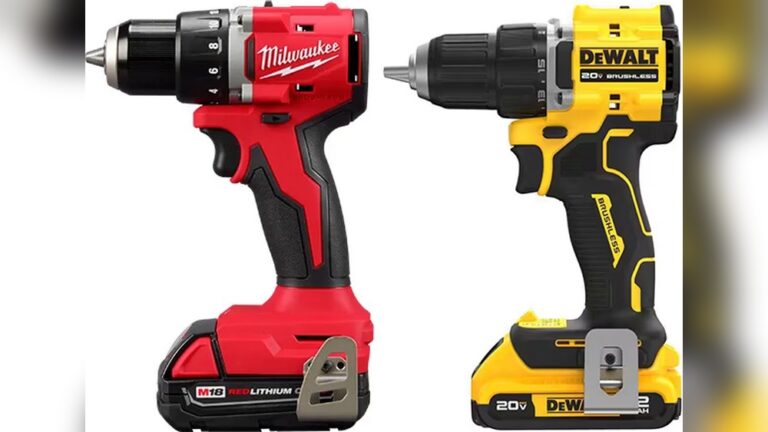
Choosing the right tool can make or break a project. If you’ve ever stood in front of a wall of power tools and wondered whether you need a Dewalt drill driver or a hammer drill, you’re not alone. Even professionals pause at this decision. These tools may look similar, but they serve different purposes. Picking the right one means smoother work, less frustration, and better results.
In this guide, you’ll discover the core differences between Dewalt drill drivers and hammer drills, where each shines, and which tool fits your needs. You’ll get straight answers, real examples, and practical advice you can trust. If you want to avoid wasted money or damaged walls, read on.
What Is A Dewalt Drill Driver?
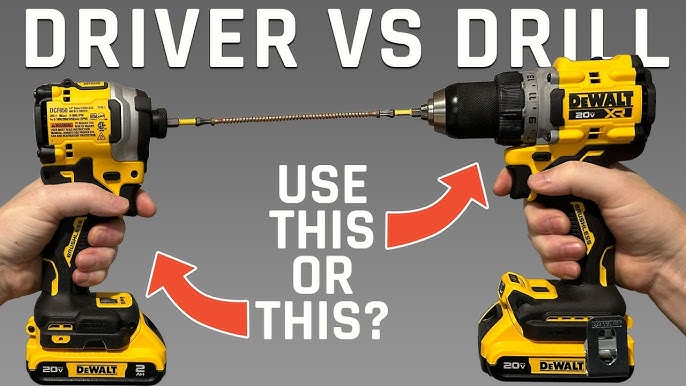
A Dewalt drill driver is a must-have for most homeowners and professionals. It’s a versatile tool designed for drilling holes and driving screws into wood, metal, plastic, and other materials. Dewalt, known for its rugged build and reliable performance, has made these tools easy to use even for beginners.
Drill drivers typically have two main functions:
- Drilling: Making holes in surfaces like wood, drywall, or plastic.
- Screw driving: Tightening or loosening screws for assembling furniture, mounting shelves, or other jobs.
Most Dewalt drill drivers are cordless, using powerful lithium-ion batteries that deliver hours of work. They usually feature adjustable clutch settings, letting you control the force applied to prevent stripping screws or damaging materials.
One thing to remember: drill drivers are not designed for hard masonry or concrete. If you try to drill into brick or stone, you’ll notice the tool struggling, and the bit may overheat.
What Is A Dewalt Hammer Drill?
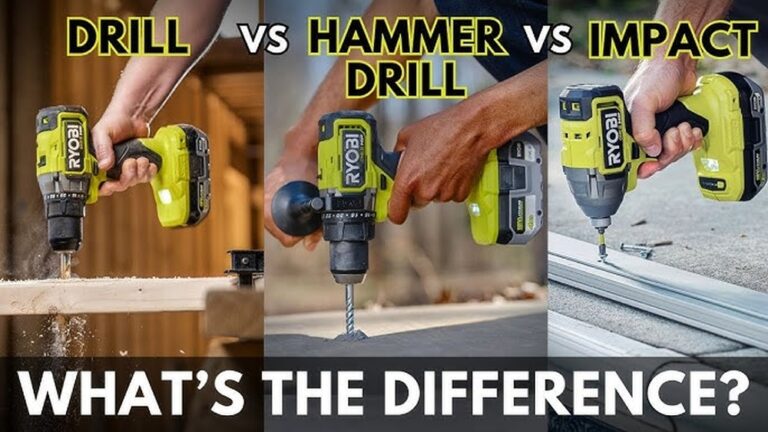
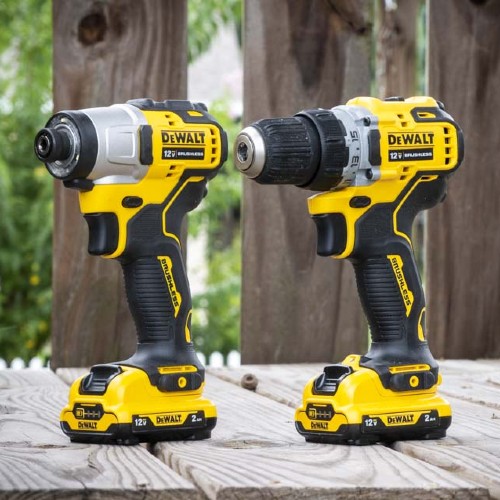
A Dewalt hammer drill goes a step further. It looks like a drill driver but adds a powerful “hammering” action. This means the tool not only spins the bit but also pushes it in and out rapidly, like a small jackhammer. This action helps the drill break up tough surfaces such as concrete, brick, and stone.
Hammer drills have two modes:
- Standard drill mode: Works like a regular drill driver for wood, metal, and plastic.
- Hammer mode: Activates the hammering action for masonry and concrete.
Switching between modes is often as easy as turning a knob. This dual function makes hammer drills more flexible, but they are heavier and often louder than standard drill drivers.
A key point: hammer drills can handle most jobs a drill driver can, but they’re optimized for hard materials. Using a hammer drill’s hammer mode on wood or metal is unnecessary and can even cause damage.

Credit: www.youtube.com
Side-by-side Comparison: Dewalt Drill Driver Vs Hammer Drill
Understanding the technical differences helps you make an informed choice. Here’s a direct comparison:
| Feature | Dewalt Drill Driver | Dewalt Hammer Drill |
|---|---|---|
| Main Function | Drilling & Screw Driving | Drilling, Hammer Drilling & Screw Driving |
| Material Suitability | Wood, plastic, light metals | Concrete, brick, stone, plus wood and metal |
| Weight | Lighter (often 2-3 lbs) | Heavier (often 4-6 lbs) |
| Noise Level | Low | High (especially in hammer mode) |
| Price Range | Lower | Higher |
| Best Use | General tasks, woodworking | Masonry, heavy-duty work |
Key Features Explained
Let’s break down the most important features and what they mean for you.
Power And Torque
- Drill drivers offer enough power for most home and light professional tasks. Typical torque ranges from 300 to 500 in-lbs.
- Hammer drills can deliver higher torque, often exceeding 700 in-lbs. This extra strength is needed to punch through dense materials.
Insight: For delicate jobs, too much torque can strip screws or split wood. Always use the clutch settings to match your material.
Speed Settings
Both tools usually have variable speed triggers and multiple gear settings. Lower speeds give more control for screw driving, while higher speeds help drill clean holes.
Pro tip: For driving long screws, start slow and increase speed as the screw sets in. This reduces slippage.
Clutch Adjustment
Drill drivers and hammer drills feature adjustable clutches. This lets you set the tool to stop turning when a certain resistance is reached—a must for preventing over-driving screws.
Beginner’s mistake: Not adjusting the clutch can lead to damaged screws or ruined workpieces.
Chuck Size
Most Dewalt drill drivers use a 3/8-inch or 1/2-inch keyless chuck. Hammer drills usually have a 1/2-inch chuck to handle larger, tougher bits needed for masonry.
Weight And Ergonomics
A lightweight drill driver can be used for hours without fatigue. Hammer drills, because of their extra motor and mechanisms, are heavier and bulkier.
Hidden detail: Heavier tools can actually make drilling into tough materials easier, as the weight helps push the bit. For overhead work, though, lighter tools are less tiring.
Battery Life
Cordless Dewalt tools use 20V MAX lithium-ion batteries. Hammer drills consume more power, especially in hammer mode, so expect shorter run times compared to standard drill drivers.
Practical tip: Have a spare battery on hand for big jobs, especially with hammer drills.
When To Use A Dewalt Drill Driver
If your projects involve:
- Assembling furniture
- Installing shelves
- Hanging curtains or pictures
- Drilling into wood, drywall, or plastic
- Light metalwork
Then a Dewalt drill driver is the smart choice. It’s lighter, quieter, and usually cheaper. You can carry it all day, and it’s less likely to damage softer materials.
Unexpected advantage: Drill drivers are less likely to crack fragile surfaces. For tasks like installing cabinet hinges, the control and finesse they offer are unmatched.
When To Use A Dewalt Hammer Drill
If you need to:
- Drill holes in concrete or brick for anchors or screws
- Install heavy fixtures into masonry walls
- Work on outdoor projects with stone or thick tiles
- Handle renovations in older buildings
A Dewalt hammer drill is essential. The hammering action breaks up tough material that would stop a drill driver cold.
Expert’s warning: Never use the hammer mode on wood or metal. The vibration can cause splintering or rough holes.
Dewalt Drill Driver: Pros And Cons
Let’s look at the strengths and weaknesses.
Pros:
- Lighter and more comfortable
- Cheaper than hammer drills
- Quieter operation
- Better for precision tasks
Cons:
- Can’t handle masonry or heavy concrete
- Less powerful for big jobs
Dewalt Hammer Drill: Pros And Cons
Pros:
- Handles concrete, brick, and stone with ease
- Versatile—can be used as a standard drill
- More powerful motors
Cons:
- Heavier and bulkier
- More expensive
- Noisier, especially in hammer mode
- Shorter battery life
Real-world Examples
Example 1: Installing Shelves In A Modern Apartment
You’re mounting floating shelves on a drywall-covered wall. A drill driver quickly makes pilot holes, and the adjustable clutch prevents you from driving screws too deep. Hammer function is not needed here.
Example 2: Hanging A Tv Bracket On A Brick Wall
You need to secure heavy anchors into solid brick. A hammer drill on hammer mode powers through the masonry in seconds. A drill driver would stall or burn out.
Example 3: Building A Backyard Deck
You’re drilling into pressure-treated wood and driving hundreds of screws. The drill driver is perfect here, offering all-day comfort. For attaching the deck to a concrete foundation, you’ll switch to a hammer drill.
Performance Data
Below is a typical comparison of Dewalt models found in the market:
| Model | Type | Max Torque (in-lbs) | Max RPM | Hammering BPM | Weight (lbs) |
|---|---|---|---|---|---|
| DCD771C2 | Drill Driver | 300 | 1,500 | — | 3.6 |
| DCD996B | Hammer Drill | 820 | 2,250 | 38,250 | 4.7 |
| DCD708C2 | Drill Driver | 340 | 1,650 | — | 2.4 |
| DCD796D2 | Hammer Drill | 460 | 2,000 | 34,000 | 3.6 |
Non-obvious insight: The “BPM” (beats per minute) is only relevant for hammer drilling. This is the number of times per minute the tool “hammers” the bit into the material, making fast work of masonry.
Price And Value
The price gap between drill drivers and hammer drills is real. Drill drivers typically start around $70-$120 for a good Dewalt kit, while hammer drills begin at $120 and can go over $200 for high-end models. While you pay more for a hammer drill, you get extra functionality and power.
Tip: If you only do occasional masonry work, consider renting a hammer drill. For daily use in construction or renovation, buying is better value.
Durability And Maintenance
Dewalt is known for tough tools, but maintenance matters.
- Drill drivers require little upkeep. Keep the chuck clean and avoid dropping the tool.
- Hammer drills face more stress. The hammering mechanism should be kept free of dust, and bits should be changed regularly to avoid overheating.
Extra tip: Lubricate the chuck and moving parts every few months for longer life.
Common Mistakes To Avoid
- Using the wrong tool for the job: Forcing a drill driver into concrete can burn out the motor.
- Wrong drill bits: Masonry bits are a must for hammer drills; wood or metal bits will quickly dull or break.
- Ignoring clutch settings: This leads to stripped screws or split wood.
- Overheating: Take breaks during heavy drilling to avoid damaging your tool.
- Not wearing safety gear: Hammer drills create dust and vibration—always use goggles and gloves.
Which Should You Buy?
Ask yourself these questions:
- Do you mainly work with wood and light metal? Choose a drill driver.
- Do you often drill into concrete or brick? You need a hammer drill.
- Want maximum flexibility? Some hammer drills are nearly as compact as drill drivers and can do both tasks.
Insider tip: For home use, a drill driver covers 90% of tasks. Borrow or rent a hammer drill for the rare masonry project.
Dewalt Combo Kits: An Alternative
If your budget allows, Dewalt sells combo kits that include both a drill driver and a hammer drill (often with two batteries and a charger). This way, you get the best of both worlds and can always use the right tool.
Practical advantage: Having both tools means less switching bits mid-project, saving time.
Accessories Matter
The right bit is as important as the right tool.
- Drill drivers use standard twist bits, spade bits, and screwdriver bits.
- Hammer drills need special masonry bits with carbide tips.
Bonus: Dewalt offers impact-ready accessories that work with both tools, increasing durability and lifespan.
Safety Tips
- Always check your bit is tight in the chuck.
- Start at low speed to prevent bits from wandering.
- Wear safety glasses, especially when drilling overhead or into masonry.
- Let the tool do the work—don’t force it.
- Take breaks to prevent overheating, especially with hammer drills.
Table: Typical Applications For Each Tool
| Task | Drill Driver | Hammer Drill |
|---|---|---|
| Assembling furniture | ✔️ | ✔️ |
| Drilling drywall | ✔️ | ✔️ |
| Drilling concrete | ❌ | ✔️ |
| Drilling brick | ❌ | ✔️ |
| Precision work (cabinets, electronics) | ✔️ | ❌ |
Credit: www.nu-tech.us
Environmental And Health Considerations
Hammer drills create more dust and vibration. This can be a concern indoors or in older buildings. Always work in a well-ventilated area, and use a dust mask for masonry.
Extra insight: Prolonged use of hammer drills can cause hand-arm vibration syndrome (HAVS). Take breaks and use anti-vibration gloves if working for long periods.
Dewalt’s Reputation And Warranty
Dewalt tools are backed by a 3-year limited warranty and a strong reputation in the construction industry. Their customer service is responsive, and parts are easy to find.
Confidence booster: Buying Dewalt means you’re investing in a tool that holds its value and can be serviced or repaired if needed.
For more on Dewalt’s warranty and support, see the official Dewalt warranty page.
Credit: www.youtube.com
Frequently Asked Questions
What Is The Main Difference Between A Dewalt Drill Driver And A Hammer Drill?
The main difference is the hammering action in the hammer drill. Drill drivers spin the bit, while hammer drills also push the bit in and out rapidly, allowing them to break through concrete, brick, and stone. Drill drivers are best for wood, metal, and plastic.
Can A Dewalt Hammer Drill Be Used As A Regular Drill Driver?
Yes. Most Dewalt hammer drills have a switch to turn off the hammer function. In standard mode, they work like a regular drill driver for wood, metal, and plastic.
Do I Need Special Bits For Hammer Drilling?
Absolutely. For hammer drilling into masonry, use carbide-tipped masonry bits. Regular bits will dull or break quickly and will not cut effectively.
Which Tool Is Better For Home Use?
For most homes, a drill driver is the better choice. It covers 90% of typical tasks like furniture assembly and hanging shelves. Consider a hammer drill if you regularly work with concrete or brick.
How Long Do Dewalt Batteries Last?
Dewalt 20V MAX batteries usually last 1-2 hours of continuous drilling, depending on the tool and task. Hammer drills use more power, especially in hammer mode, so having a spare battery is wise for big jobs.
—
Choosing between a Dewalt drill driver and hammer drill is about matching the tool to your work. Each has strengths, and understanding their differences saves you time, money, and effort. With the right tool, even tough projects become manageable. If you’re still unsure, visit a trusted local dealer or check out user reviews on Home Depot’s guide for more insight. The right Dewalt tool is an investment in smooth, stress-free projects for years to come.