When it comes to professional nail care, the tools you use can make a big difference in both results and safety. For many nail technicians and serious home users, choosing the right nail drill bit is a big decision. Among all options, ceramic nail drill bits and carbide nail drill bits are two of the most popular, but each has unique strengths and weaknesses. Understanding these differences can help you work smarter, avoid common mistakes, and keep your clients (or your own hands) safe.
Why does this choice matter? The right bit can speed up your work, create a smoother finish, and reduce risk of infection or damage. A bad choice can lead to heat buildup, poor results, or even injury. Let’s explore these two types of nail drill bits in detail, compare them side by side, and help you decide which is best for your needs.
What Are Ceramic Nail Drill Bits?
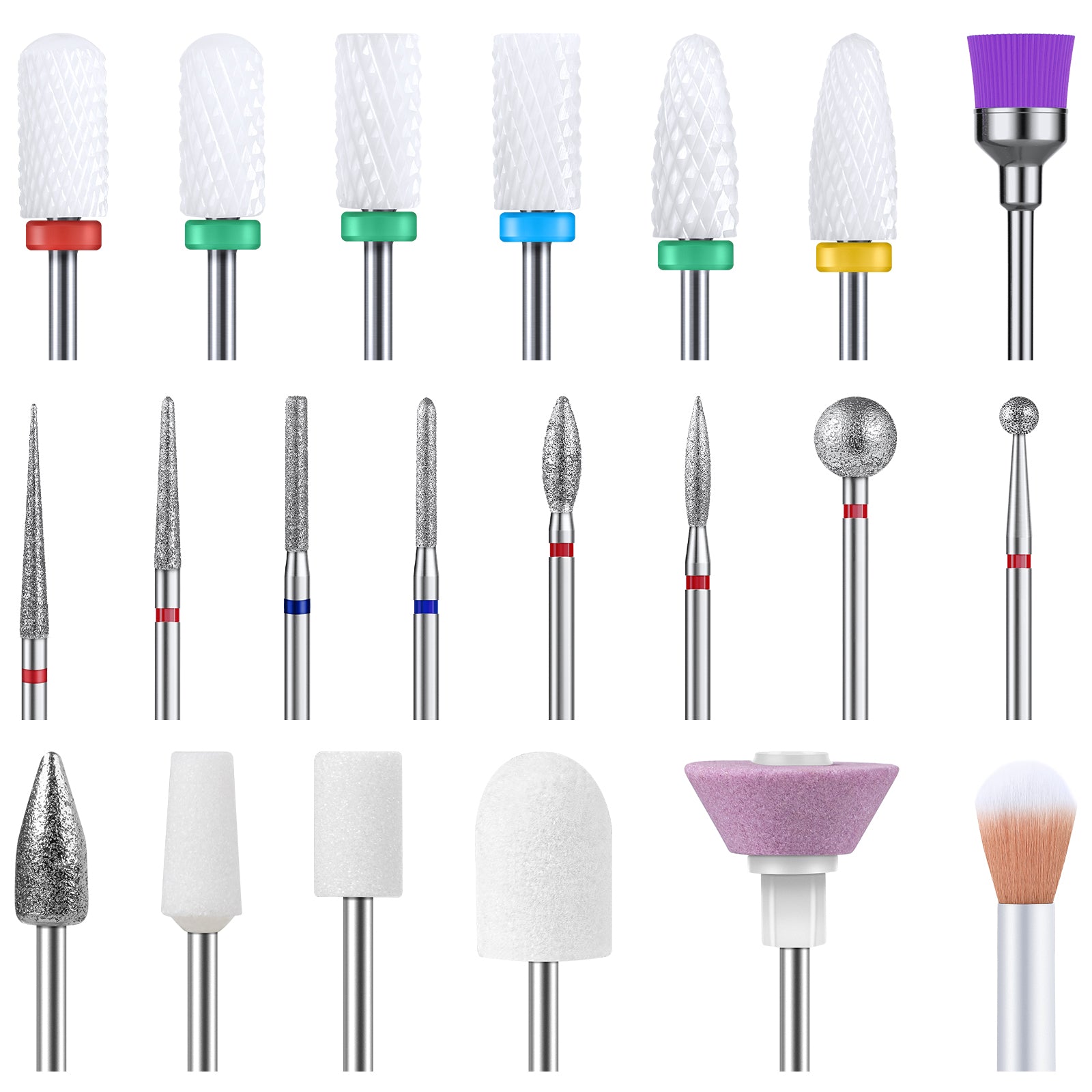
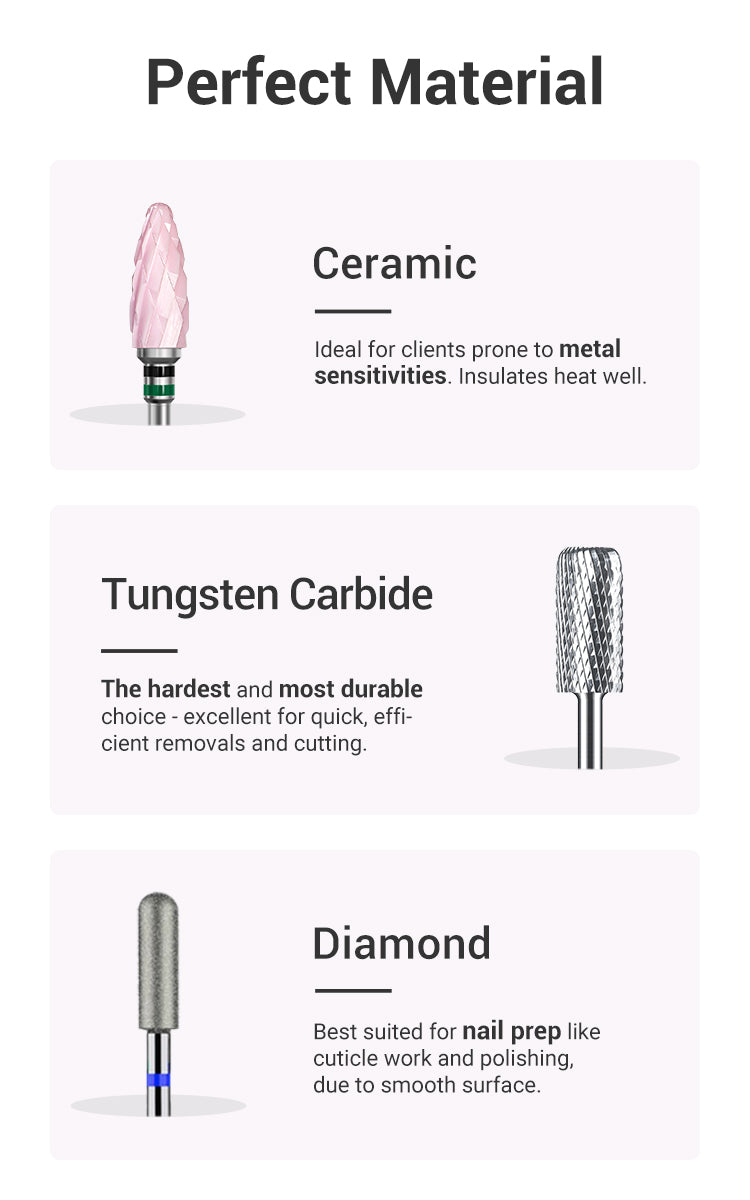
Ceramic drill bits are made from high-quality zirconia ceramic. They are known for their smooth surface and white, sometimes colored, appearance. These bits have become popular in salons for their gentle touch and ability to stay cool during use.
Ceramic bits are especially good for:
- Removing gel polish or acrylic layers
- Smoothing the nail surface
- Working on natural nails
One big advantage is their heat resistance. Ceramic does not conduct heat as quickly as metal, so these bits tend to stay cooler. This means less risk of burning the nail or causing discomfort, even after longer use. They also resist corrosion and rust.
However, ceramic bits are not unbreakable. If dropped, they can chip or crack. The cutting edges, while sharp, are designed for gentle removal rather than aggressive filing. For beginners, this can actually be a plus, as there’s less risk of damaging the nail plate.
Ceramic bits are also easy to clean. Most can be sterilized in the same way as metal tools, making them suitable for multiple uses in a professional setting.
What Are Carbide Nail Drill Bits?
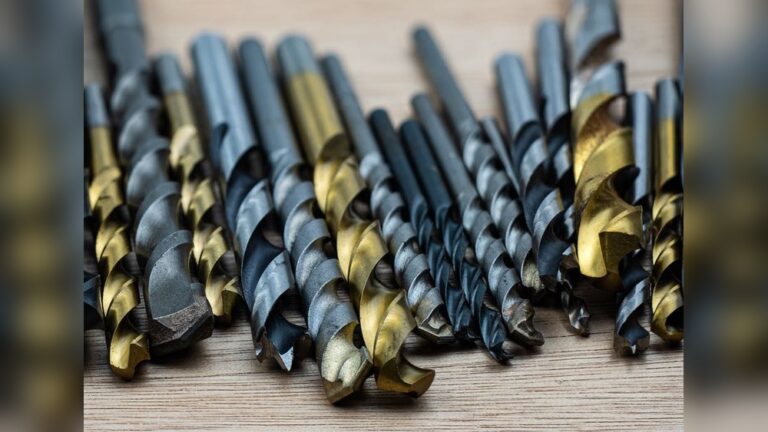
Carbide drill bits are made from a hard metal called tungsten carbide. This material is famous for its strength, durability, and ability to retain a sharp edge even after heavy use. Carbide bits usually appear silver or gold, with spiral flutes cut into the surface.
Carbide bits are best for:
- Removing hard gel or acrylic extensions
- Shaping and shortening nails
- Heavy-duty work, such as backfill cutting
Because of their metal construction, carbide bits transfer heat more quickly than ceramic. This means you must use the correct speed and pressure to avoid heat buildup. However, their cutting power is excellent. Even tough enhancements are quickly removed with a good carbide bit.
These bits come in different grit levels—from coarse to extra fine—so you can choose the right one for each job. They are less likely to wear down quickly, so they’re a good investment for busy salons.
One thing to watch for: carbide bits are very sharp. If used incorrectly, they can cause cuts or grooves in the natural nail. They also require careful cleaning and sterilization, as their fluted design can trap debris.
Key Differences Between Ceramic And Carbide Nail Drill Bits
To make a smart choice, you need to understand the real-world differences between these two bit types. Here’s a side-by-side look:
| Feature | Ceramic Drill Bits | Carbide Drill Bits |
|---|---|---|
| Material | Zirconia ceramic | Tungsten carbide |
| Heat Resistance | Excellent (stays cooler) | Good, but can heat up faster |
| Durability | Hard, but can chip if dropped | Very durable, resists wear |
| Cutting Power | Gentle, smooth removal | Very strong, aggressive removal |
| Best For | Natural nails, gel polish, smoothing | Acrylic, hard gel, shaping |
| Cleaning | Easy, less debris stuck | Requires careful cleaning (flutes) |
| Risk Level | Low (beginner-friendly) | High (can damage if misused) |
| Lifespan | Long, but breaks if dropped | Very long, less likely to break |
| Cost | Moderate to high | Moderate to high |
Practical Uses And Examples
When To Choose Ceramic Drill Bits
Ceramic bits are ideal for:
- Sensitive clients: If someone is new to nail drills or has thin nails, ceramic bits are gentle and reduce discomfort.
- Smoothing and finishing: After removing product, ceramic bits can gently smooth the nail surface without leaving scratches.
- Gel polish removal: These bits quickly remove gel layers without getting hot.
- Hygiene-focused salons: Ceramic is non-porous, so it’s easy to disinfect. Less chance for bacteria to hide.
Example: A nail tech has a client with thin, sensitive nails who wants gel polish removed. A ceramic medium grit bit safely takes off the gel without pain or heat.
When To Choose Carbide Drill Bits
Carbide bits are best for:
- Acrylic and hard gel removal: Their cutting power handles thick products fast.
- Shaping artificial nails: Carbide bits are perfect for refining shape and length.
- High-volume salons: They last longer under heavy use, making them cost-effective.
- Experienced users: If you have good control and training, carbide bits let you work quickly.
Example: A busy nail tech needs to remove acrylic overlays from several clients a day. A coarse carbide bit makes the process fast and efficient, saving time with each service.
Pros And Cons Of Ceramic Nail Drill Bits
Benefits
- Stay cool during use, preventing heat spikes.
- Gentle on natural nails, lowering the risk of damage.
- Resist rust and corrosion, so they last longer in humid salons.
- Beginner-friendly because they’re less likely to cut or groove the nail.
- Easy to clean due to smooth surface.
Drawbacks
- Fragile if dropped—ceramic can chip or break.
- Less aggressive—not the best for heavy acrylic removal.
- Limited grit selection compared to carbide.
- Can be expensive up front, though they last a long time.
Pros And Cons Of Carbide Nail Drill Bits
Benefits
- Super durable—long-lasting, even with heavy use.
- Cuts quickly and efficiently, saving time for pros.
- Wide range of grits and shapes for every job.
- Retains sharpness over many uses.
- Good for tough products like acrylic and builder gel.
Drawbacks
- Can heat up quickly if used wrong.
- Risk of injury—sharp flutes can cut skin or natural nail.
- Traps debris in flutes, requiring careful cleaning.
- More challenging for beginners to handle safely.
- Can rust if not dried and stored properly.
Credit: www.melodysusie.com
How To Choose The Right Drill Bit For Your Needs
Choosing between ceramic and carbide drill bits depends on your experience, the services you offer, and your clients’ needs. Here are a few steps to help you decide:
- Consider the main services you perform. If you mostly remove gel polish and work on natural nails, ceramic is often better. For frequent acrylic removals, carbide will save time and effort.
- Assess your skill level. Beginners often make fewer mistakes with ceramic bits. Carbide bits are best left to those comfortable with e-files.
- Think about client safety. If you have many new or sensitive clients, ceramic’s gentle touch is valuable.
- Check your budget. Both can be pricey, but carbide bits generally last longer. However, dropping a ceramic bit can mean buying a new one.
- Maintenance routine. If you’re diligent about cleaning, either will work. If not, ceramic is easier to keep clean and sterile.
Cleaning And Maintenance Tips
Both ceramic and carbide bits need proper care to keep them safe and effective. Here’s how you can do it:
- Clean after every use. Use a brush to remove dust and product.
- Disinfect thoroughly. Soak in a professional disinfectant solution. Ceramic is non-porous, so cleaning is a bit easier.
- Dry completely. Carbide bits can rust if left wet.
- Store safely. Use a padded case or bit holder. Remember, ceramic can crack if dropped.
- Inspect for damage. Look for chips (ceramic) or dullness (carbide) and replace as needed.
Non-obvious tip: Never use bleach to clean your bits. It can weaken both ceramic and carbide over time, leading to cracks or reduced performance.
Credit: psychiatriststlouis.com
Grits And Shapes: What Beginners Usually Miss
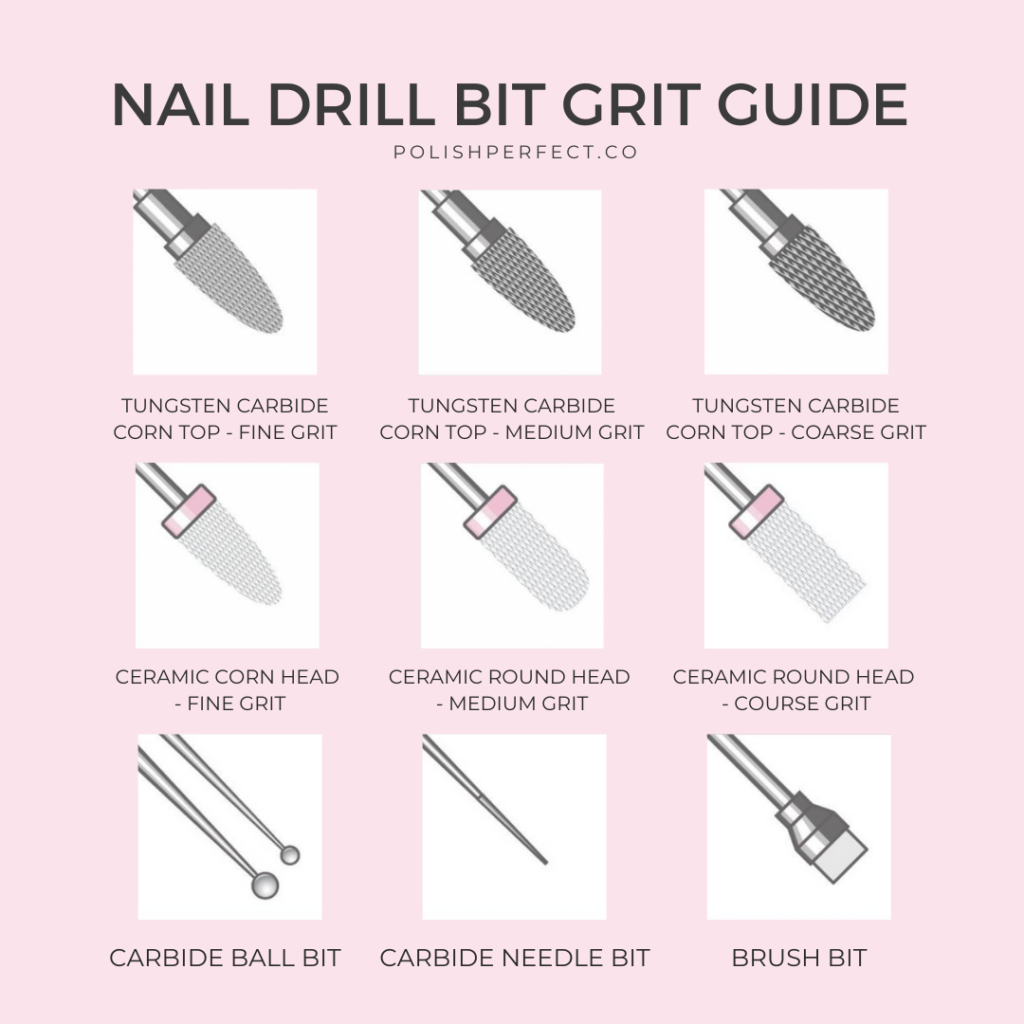
One mistake beginners make is not understanding grit and shape options. Both ceramic and carbide bits come in different grits (coarse, medium, fine) and shapes (barrel, cone, flame, etc.).
- Coarse bits remove product fast but can be harsh on natural nails.
- Fine bits are for smoothing and finishing.
- Shape matters—barrel bits are great for surface work, while cone or flame shapes help with details and cuticle areas.
Insight: Don’t use a coarse carbide bit for natural nails—this can cause deep grooves or even injury. Always match grit and shape to the job and the nail type.
Heat Generation And How To Avoid It
A common issue with both types is heat buildup. Ceramic bits are less likely to get hot, but if you press too hard or use high speeds, any bit can cause discomfort.
Tips to minimize heat:
- Use short, light strokes instead of pressing down.
- Don’t stay in one spot—keep the bit moving.
- Adjust speed—use the manufacturer’s recommended RPM for each bit type.
- Let the bit and drill do the work, not your hand.
Example: A nail tech using a carbide bit for acrylic removal should use a feather-light touch and let the sharp flutes cut the product, not force it.
Cost And Value Comparison
Both ceramic and carbide bits are an investment. Prices can range from $10 to $40 per bit, depending on brand and quality.
Here’s a quick look:
| Type | Average Price | Lifespan (with proper care) |
|---|---|---|
| Ceramic | $15 – $35 | 6 – 12 months |
| Carbide | $20 – $40 | 12 – 24 months |
Non-obvious tip: Investing in a high-quality bit can actually save money over time, as cheaper bits wear out or break faster—especially with carbide.
Safety Tips For Using Nail Drill Bits
Whether you choose ceramic or carbide, safety is key. A few smart practices:
- Always sanitize bits between clients.
- Never use a damaged or chipped bit.
- Use the right speed for the bit and service.
- Wear a dust mask to protect your lungs from fine particles.
- If you feel heat, stop and let the nail cool before continuing.
Example: If a client complains of heat, lift the bit immediately. Check your technique and slow down.
Myths And Misconceptions
Myth 1: Ceramic Bits Are Only For Beginners.
Reality: Pros often use ceramic for finishing work or sensitive clients. Their smooth finish is hard to match.
Myth 2: Carbide Bits Are Always Dangerous.
Reality: With training and the right technique, carbide bits are safe and fast. The risk comes from lack of practice.
Myth 3: One Bit Can Do Every Job.
Reality: You need a variety of grits and shapes. No single bit is best for all tasks.
Real-world Scenarios
- Salon with diverse clients: Invest in both ceramic and carbide bits. Use ceramic for sensitive or older clients, and carbide for heavy product removal.
- Mobile tech: Carry ceramic bits, as they’re easy to clean on the go and less likely to cause injury.
- High-speed salon: Rely on carbide for efficiency, but keep ceramic bits handy for finishing and client comfort.
Credit: www.melodysusie.com
Industry Trends And Innovations
Recently, more brands are offering hybrid bits—combining ceramic and carbide layers for unique benefits. Some bits now feature colored coatings for extra durability or antibacterial properties.
Another trend is the use of nano-ceramic technology. These bits have even smoother surfaces, reducing friction even more.
According to the Wikipedia page on electric nail files, advances in bit technology continue to improve both safety and results in the nail care industry.
Common Mistakes To Avoid
- Using the wrong grit: Coarse bits on natural nails can cause permanent damage.
- Skipping cleaning: Even a quick brush isn’t enough. Disinfect every time.
- Not checking for damage: A tiny chip in a ceramic bit can scratch the nail.
- Pressing too hard: Let the bit do the work to avoid heat and injury.
- Ignoring manufacturer’s instructions: Each bit has a recommended speed—don’t guess.
Summary Table: Ceramic Vs Carbide At A Glance
| Ceramic | Carbide | |
|---|---|---|
| Heat Buildup | Low | Medium-High |
| Strength | Brittle, hard | Very strong |
| User Level | Beginner–Pro | Intermediate–Pro |
| Best For | Natural nails, finish work | Acrylic, bulk removal |
| Cleaning | Easy | Requires detail |
| Risk | Low | Medium–High |
Making Your Decision
For most nail techs and home users, having both ceramic and carbide bits is the best approach. This lets you handle any nail type, client, or product. Start with ceramic if you are new, or work mostly on natural nails. Add carbide bits as your skill and service range grows.
Listen to your clients, watch for signs of heat or discomfort, and always prioritize safety. The right tool not only improves your work but also boosts your reputation.
Frequently Asked Questions
Which Bit Is Better For Beginners: Ceramic Or Carbide?
Ceramic bits are generally better for beginners. They are more forgiving, less likely to cause injury, and stay cool during use. Carbide bits are powerful but need more skill.
Can I Use Ceramic Bits On Acrylic Nails?
Yes, but only for light work or finishing. For bulk removal of acrylic, carbide bits are much faster and more effective.
How Often Should I Replace My Drill Bits?
Replace bits if you notice dullness, chipping, or rust (for carbide). With proper care, ceramic bits last 6–12 months; carbide can last 12–24 months.
Are Ceramic Bits Really Safer For Natural Nails?
Yes. Ceramic bits are smoother and less aggressive. This makes them ideal for natural nail work and reduces the chance of injury.
How Do I Clean And Disinfect My Nail Drill Bits?
Remove dust with a brush, then soak bits in a professional disinfectant. Rinse and dry thoroughly. Avoid bleach, as it can damage both ceramic and carbide materials.
Choosing between ceramic nail drill bits and carbide is about more than just speed or appearance. It’s about safety, client comfort, and the results you want to achieve. Invest in the right tools, keep them clean, and continue learning—your clients (and your nails) will thank you.