Are Cobalt Drill Bits Good?
When you need to drill through tough materials, the right tool makes all the difference. Many people ask, “Are cobalt drill bits good?” because they see them in stores and online, often at higher prices than standard bits. The answer is not simple. Cobalt drill bits are popular in metalworking, construction, and even DIY projects. But why? What makes them special? In this article, you’ll learn everything you need to know about cobalt drill bits: how they work, where they shine, and where they fall short. You’ll get real-world examples, comparisons, expert tips, and answers to common questions. Whether you are a beginner or have drilled thousands of holes, this guide will help you decide if cobalt drill bits are right for your job.
What Are Cobalt Drill Bits?
Cobalt drill bits are made from high-speed steel (HSS) with a percentage of cobalt added—usually about 5–8%. The cobalt is mixed into the steel, not just coated on the surface. This makes the entire bit tougher and able to handle heat better. Cobalt drill bits are often labeled as M35 (5% cobalt) or M42 (8% cobalt), which refers to their grade.
Why Add Cobalt?
Adding cobalt increases the bit’s hardness and heat resistance. Drilling through metal creates friction and heat. If a bit gets too hot, it can dull quickly or even break. Cobalt drill bits keep their sharpness longer under high temperatures.
How Are They Different From Other Bits?
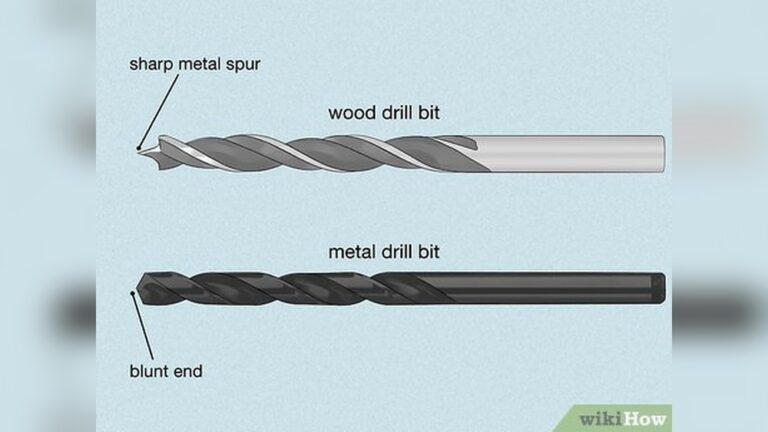
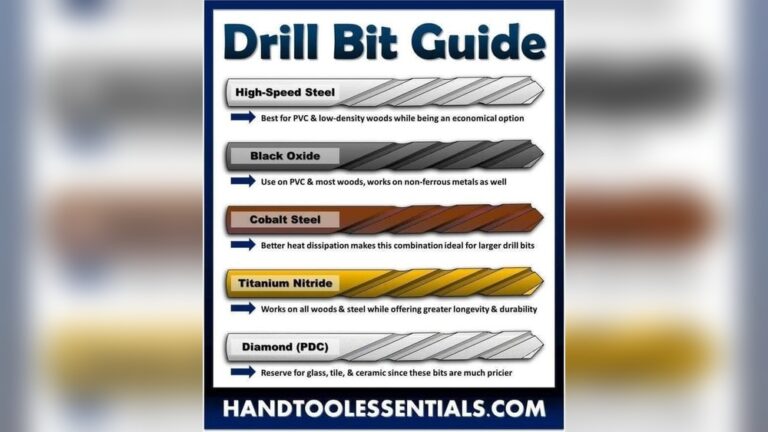
Standard HSS bits are good for wood and soft metals, but they struggle with hard metals. Titanium-coated bits are harder than HSS, but their coating wears off over time. Cobalt bits are solid all the way through, so even if they wear down, their core material stays strong.
Key Benefits Of Cobalt Drill Bits
Cobalt drill bits offer several clear advantages, especially for demanding jobs. Let’s look at their main strengths.
1. Excellent For Hard Metals
Cobalt bits shine when drilling through stainless steel, cast iron, nickel alloys, and other tough metals. Many regular bits will dull or fail on these materials, but cobalt bits can keep going.
2. Superior Heat Resistance
The cobalt in the bit allows it to withstand temperatures up to 1100°F (593°C). This means you can drill longer without stopping to cool the bit, and you get cleaner holes.
3. Longer Lifespan
Because cobalt bits resist heat and wear, they last much longer than standard HSS bits. Some users report drilling hundreds of holes in tough metals before needing to replace or sharpen them.
4. Consistent Performance
Even after many uses, cobalt bits keep their sharpness and cutting power. This makes them reliable for both professionals and home users.
5. Can Be Resharpened
Unlike titanium-coated bits, which lose their coating when sharpened, cobalt bits can be sharpened multiple times. Their solid construction means you can restore them and keep using them.
Where Cobalt Drill Bits Excel
Cobalt drill bits are not the best for every material, but they have clear strengths in specific situations.
Drilling Stainless Steel
Stainless steel is tough and can ruin regular bits. Cobalt bits are made for this job. They cut through stainless steel smoothly, with less chance of dulling.
Working With Cast Iron
Cast iron is brittle and hard. Cobalt bits slice through cast iron with ease, leaving clean holes and lasting much longer than cheaper bits.
Heavy-duty Industrial Use
Manufacturing, construction, and automotive industries often rely on cobalt bits. Their durability and ability to handle repeated heavy use make them a top choice.
Diy And Home Repairs
If you need to drill metal for home projects, cobalt bits can save you time and frustration. They are especially useful for repairing appliances, making custom metal pieces, or building furniture.
Comparing Cobalt Drill Bits To Other Types
Understanding how cobalt drill bits stack up against alternatives helps you make the right choice. Here’s a direct comparison.
| Drill Bit Type | Material | Best For | Heat Resistance | Resharpenable? | Typical Price |
|---|---|---|---|---|---|
| Cobalt | HSS + 5-8% cobalt | Hard metals | Very high | Yes | High |
| Titanium-coated | HSS with titanium coating | Wood, soft metals | Medium | No | Medium |
| Carbide | Solid carbide | Very hard materials, ceramics | Highest | Yes (special equipment) | Very high |
| Standard HSS | High-speed steel | Wood, plastic, soft metals | Low | Yes | Low |
Key Takeaways
- Cobalt bits are best for hard metals and high heat.
- Titanium-coated bits are good for general use but lose their coating if sharpened.
- Carbide bits are harder but brittle and expensive.
- HSS bits are cheap and versatile but not for hard metals.
Real-world Performance Data
Manufacturers often test drill bits for durability and speed. Here’s a practical example:
A test with stainless steel plates (1/4 inch thick) used three types of bits: HSS, titanium-coated, and cobalt. Each drilled holes at the same speed.
| Drill Bit | Number of Holes Before Dulling | Time Per Hole (seconds) |
|---|---|---|
| Standard HSS | 6 | 45 |
| Titanium-coated | 18 | 35 |
| Cobalt | 38 | 26 |
This data shows that cobalt bits drill more holes and do it faster, especially in tough materials. For professionals or anyone working with metal often, the difference is clear.
Common Mistakes When Using Cobalt Drill Bits
Even the best drill bits can fail if used incorrectly. Here are mistakes to avoid:
- Using too much force: Cobalt bits cut well, but pushing too hard can break them or create rough holes.
- No cooling/lubrication: When drilling metal, always use oil or coolant. It reduces heat and extends bit life.
- Wrong speed setting: Drills have speed settings. Use slower speeds for metal, especially with cobalt bits.
- Skipping pilot holes: For thick or hard metal, start with a small pilot hole. This helps guide the cobalt bit and prevents wandering.
- Ignoring bit maintenance: Cobalt bits can be sharpened. Don’t throw them away when dull; sharpen them and save money.
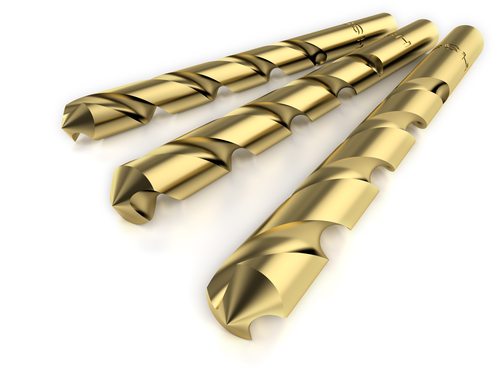
Credit: www.wasatchsteel.com
How To Choose The Right Cobalt Drill Bit
Cobalt drill bits come in many shapes and sizes. To find the best one, consider these factors.
Bit Grade
- M35 (5% cobalt): Good for general metal drilling.
- M42 (8% cobalt): Best for extreme hardness and longer life.
Size And Shape
Choose the right diameter for your project. For most home jobs, a basic set with sizes from 1/16″ to 1/2″ is enough. For special jobs, like drilling large holes in steel, you may need bigger bits or step bits.
Point Angle
- 135° split point: Reduces walking and starts holes easily.
- 118° point: Good for softer metals and wood.
Coating
Cobalt bits usually don’t have coatings because their core is already hard. Avoid bits with only a cobalt coating—they are not the same as solid cobalt alloy.
Brand And Price
Quality matters. Cheap bits may use poor steel or low cobalt content. Trusted brands like DeWalt, Bosch, and Irwin make reliable cobalt drill bits.
Practical Tips For Using Cobalt Drill Bits
Using cobalt drill bits properly ensures you get their full benefit.
Use Cutting Oil
Always apply a few drops of oil to the drilling area. This keeps the bit cool and prevents premature dulling.
Drill At Low Speed
Metal drilling requires slower speeds. High speed heats up the bit and can cause damage.
Clear Chips Frequently
Stop and pull the bit out every few seconds to clear metal shavings. This prevents clogging and overheating.
Check Bit Sharpness
Inspect the bit before each use. If it’s dull, sharpen it with a bench grinder or a dedicated bit sharpener.
Store Carefully
Keep bits in a dry, organized box. Moisture can cause rust and damage, even to tough cobalt bits.
When Cobalt Drill Bits Are Not The Best Choice
Cobalt bits are not perfect for every job. Here’s when you might want to use something else.
For Wood And Plastic
Cobalt bits work on wood and plastic, but they’re overkill. Standard HSS bits are cheaper and just as effective for soft materials.
For Ceramic Or Stone
If you need to drill ceramic tile, glass, or stone, use carbide-tipped bits. Cobalt bits are not designed for these materials and may crack or break.
For Occasional Metal Drilling
If you rarely drill metal, buying expensive cobalt bits may not be necessary. Titanium-coated or HSS bits will do the job for small, infrequent tasks.
Price Vs. Value: Are Cobalt Drill Bits Worth It?
Cobalt drill bits cost more than basic HSS or titanium-coated bits. Prices range from $3–$10 per bit, or $30–$70 for a set. Are they worth it?
If you drill metal regularly, cobalt bits pay for themselves. Their durability, speed, and ease of sharpening save time and money in the long run. For occasional users, the price may be high, but the performance is unmatched.
Hidden Cost Savings
- Fewer bit replacements
- Faster drilling (less labor)
- Lower risk of ruined workpieces
Many professionals consider cobalt bits a smart investment for metalwork.
Cobalt Drill Bit Myths And Misconceptions
There are some common misunderstandings about cobalt drill bits.
Myth: Cobalt Bits Are Made Entirely Of Cobalt
In reality, cobalt bits are high-speed steel with cobalt added. Pure cobalt would be too brittle.
Myth: Cobalt Bits Never Need Sharpening
All bits dull with use. Cobalt bits resist wear, but sharpening is still required after heavy use.
Myth: Cobalt Bits Can Drill Any Material
Cobalt bits are great for metal but not for stone, glass, or ceramic. Use the right bit for the material.
Myth: More Expensive Always Means Better
Price does not always equal quality. Check for real cobalt content and trusted brands.
How To Sharpen Cobalt Drill Bits
Sharpening cobalt bits restores their cutting power. Here’s how to do it safely:
- Use a bench grinder or a dedicated bit sharpener.
- Hold the bit at the correct angle (usually 135° for split point).
- Lightly grind each side, keeping the edges symmetrical.
- Avoid overheating the bit during sharpening.
- Test the bit before use—if it cuts smoothly, the sharpening worked.
Sharpening extends the life of your bits and saves money.

Credit: guesstools.com
Cobalt Drill Bits For Different Users
Let’s see how cobalt bits fit various user needs.
Professionals
For machinists, builders, and mechanics, cobalt bits are essential. They handle daily use and tough jobs without failing.
Hobbyists And Diyers
If you enjoy building or repairing things at home, cobalt bits make metalwork easier. Even a small set can cover most needs.
Students And Beginners
For learning metalwork, cobalt bits help avoid frustration. They make drilling easier and safer, so you can focus on technique.
Environmental And Safety Considerations
Drilling metal creates chips and heat. Here’s how to stay safe and minimize impact:
- Wear safety glasses to protect your eyes.
- Use ear protection if drilling for long periods.
- Collect metal shavings for recycling.
- Keep work areas clean to avoid slips and hazards.
- Store bits in a dry place to prevent rust.
Cobalt bits last longer, so you use fewer resources over time.
Expert Opinions And Industry Standards
Many experts recommend cobalt bits for metalwork. The American Society for Testing and Materials (ASTM) sets standards for tool materials, including cobalt alloys. Most top brands comply with these standards, ensuring quality and performance.
Industry reviews show that cobalt bits outperform HSS and titanium-coated bits in metal drilling. Their heat resistance is especially valuable in commercial settings.
Cobalt Drill Bits And Sustainability
Long-lasting tools are better for the environment. Cobalt bits’ durability means fewer replacements, less waste, and lower resource use over time. Some manufacturers recycle cobalt and steel, making their bits more eco-friendly.
How To Spot Fake Or Low-quality Cobalt Drill Bits
Not all cobalt bits are equal. Watch out for these signs:
- Bits labeled “cobalt coated” are not true cobalt alloy.
- Very low prices may mean poor quality or low cobalt content.
- No brand or generic packaging can indicate fake bits.
Buy from trusted stores and brands. Look for clear markings (M35 or M42), and check reviews.
Advanced Applications For Cobalt Drill Bits
Cobalt bits are not just for basic holes. They are used in:
- Aircraft manufacturing
- Automotive repair
- Shipbuilding
- Heavy machinery maintenance
Their reliability and strength make them a favorite in these industries.
Summary: Are Cobalt Drill Bits Good?
Cobalt drill bits are a top choice for anyone who needs to drill through hard metals. Their heat resistance, durability, and ability to be sharpened make them stand out from standard HSS or titanium-coated bits. If you work with metal often, they are worth the investment.
For softer materials, cheaper bits may be more practical. The key is to match the tool to the job.
For more technical details and industry standards, you can check resources like the Wikipedia Drill Bit page.
Frequently Asked Questions
What Materials Are Best Drilled With Cobalt Bits?
Cobalt drill bits are ideal for stainless steel, cast iron, nickel alloys, and other hard metals. They can also handle softer metals but are not necessary for wood, plastic, or stone.
Can Cobalt Drill Bits Be Used For Wood Or Plastic?
Yes, you can use cobalt bits for wood or plastic, but it is not cost-effective. Standard HSS bits are cheaper and work just as well for these materials.
How Should I Care For My Cobalt Drill Bits?
Keep them clean, dry, and organized. Use cutting oil when drilling metal, and sharpen them when dull. Avoid dropping or over-forcing the bits, as this can cause breakage.
Are Cobalt Drill Bits Worth The Higher Price?
For frequent metalwork, the durability and performance of cobalt bits justify the cost. If you rarely drill metal, you may not need to invest in them.
How Can I Tell If A Drill Bit Is Real Cobalt?
Check for M35 or M42 markings, and buy from trusted brands. Avoid bits labeled as “cobalt coated”—they are not true cobalt alloy. If possible, read user reviews and look for clear product specifications.
Cobalt drill bits are a smart choice for tough jobs, offering reliability, speed, and long-term value. With the right bit and proper care, your drilling tasks will be smoother and more efficient.

Credit: www.homedepot.com