Milwaukee Vs Makita Hammer Drill: A Detailed Comparison For Buyers
Choosing the right hammer drill can be a challenge, especially when you are looking at two of the top brands: Milwaukee and Makita. Both companies have a strong reputation for making high-quality power tools, but their hammer drills can be quite different in terms of performance, features, durability, and value. If you are a contractor, DIY enthusiast, or someone who just needs a reliable tool for home projects, it is important to understand what sets these brands apart. This guide will help you make an informed decision by breaking down all the key factors, sharing real-world insights, and highlighting details that many beginners might overlook.
Brand Background: Milwaukee And Makita
Understanding the history and reputation of Milwaukee and Makita helps you see why their tools are trusted worldwide.
Milwaukee is an American brand known for its focus on professional-grade tools, especially for construction and industrial use. Founded in 1924, Milwaukee is famous for its innovative technology, durability, and commitment to quality. The brand invests heavily in research, which often leads to unique features and longer tool lifespans.
Makita is a Japanese company established in 1915. It has a strong global presence and is recognized for its precision engineering, lightweight designs, and reliability. Makita tools are often seen as user-friendly and are popular with both professionals and hobbyists.
While both brands are respected, their design philosophies differ. Milwaukee emphasizes raw power and advanced electronics, while Makita is known for balance, ergonomics, and simplicity.
What Is A Hammer Drill?
A hammer drill is a power tool designed for drilling into hard surfaces like concrete, brick, or stone. Unlike standard drills, a hammer drill combines rotation with a rapid hammering motion, making it much more effective for masonry work. The hammer action helps break up tough materials, allowing the drill bit to penetrate deeper with less effort.
Hammer drills are used in construction, renovation, and home improvement. They are essential for installing shelves, mounting heavy items, or any task that requires drilling into hard walls. Both Milwaukee and Makita offer a variety of hammer drills, including corded and cordless models, each with its strengths and weaknesses.

Credit: www.youtube.com
Key Comparison Factors
When comparing Milwaukee vs Makita hammer drills, it’s important to look beyond brand loyalty. Here are the main factors you should consider:
- Performance and Power
- Battery Technology and Runtime
- Ergonomics and User Comfort
- Durability and Build Quality
- Features and Usability
- Price and Value for Money
- Warranty and Support
Let’s explore each factor in detail.
Performance And Power
The performance of a hammer drill is measured by its torque, speed (RPM), and impact rate (BPM).
Milwaukee hammer drills are known for their high torque and consistent power delivery, even under heavy load. A popular model like the Milwaukee M18 Fuel Hammer Drill can deliver up to 1,200 in-lbs of torque and a speed of 2,000 RPM, with an impact rate up to 32,000 BPM.
This makes it suitable for demanding tasks such as drilling large holes in concrete or thick masonry.
Makita hammer drills, such as the Makita XPH07Z, also offer impressive performance, with a maximum torque of 1,090 in-lbs, speed up to 2,100 RPM, and 31,500 BPM. While slightly lower in torque, Makita often excels in smooth power delivery and faster drilling in softer materials.
One non-obvious point: Milwaukee’s power output tends to hold steady even as the battery drains, thanks to advanced electronics. Makita, while powerful, sometimes shows a slight drop in performance as the battery nears empty.
Real-world Example
Drilling a 1/2-inch hole in a concrete wall, both brands perform well, but Milwaukee tends to finish the job a few seconds faster, especially with larger bits. Makita, however, produces less vibration, which means less fatigue for the user.
Battery Technology And Runtime
Cordless hammer drills depend heavily on battery technology. Both Milwaukee and Makita have developed advanced lithium-ion battery platforms.
Milwaukee’s M18 REDLITHIUM battery system is famous for its long runtime, fast charging, and ability to handle extreme temperatures. The battery packs have built-in intelligence that communicates with the tool to prevent overheating and maximize life.
Makita’s 18V LXT batteries are lightweight, charge quickly (some models charge in 25-30 minutes), and are compatible with over 275 tools. Makita batteries use Star Protection Computer Controls to prevent overloading and over-discharging.
Here is a direct comparison of battery features:
| Brand | Battery Platform | Max Ah (Amp Hours) | Charge Time (5.0Ah) | Temperature Management |
|---|---|---|---|---|
| Milwaukee | M18 REDLITHIUM | 12.0 Ah | ~60 min | Advanced |
| Makita | 18V LXT | 6.0 Ah | ~45 min | Star Protection |
Non-obvious insight: Milwaukee’s higher Ah batteries provide longer runtime for heavy-duty jobs, but Makita batteries are lighter, reducing overall tool weight.
Ergonomics And User Comfort
How a hammer drill feels in your hand can impact your work, especially during long projects.
Milwaukee drills are often heavier due to larger motors and batteries. For example, the Milwaukee M18 Fuel Hammer Drill weighs about 5. 0 lbs with a 5. 0Ah battery. The handle is thick, designed for users who prefer a solid grip.
Makita drills are generally lighter (around 4. 6 lbs with battery) and have a slimmer handle. Many users find Makita more comfortable for overhead work or tight spaces. The rubberized grip reduces slippage and hand fatigue.
Both brands offer side handles for better control. However, Makita’s balance tends to be better, especially for users with smaller hands.
Vibration And Noise
Makita drills often have less vibration and lower noise levels, making them more pleasant for indoor use or long drilling sessions. Milwaukee’s powerful motors can create more vibration, but this is usually balanced by faster work.
Practical tip: If you often work on ladders or overhead, Makita’s lighter weight and balance can reduce strain over time.
Durability And Build Quality
Both Milwaukee and Makita are known for strong, reliable tools. However, they use different strategies to achieve durability.
Milwaukee uses all-metal gear cases, premium brushes, and reinforced housings. Many models are designed to survive drops from several feet and to resist dust and water. Contractors often report Milwaukee drills still running strong after years of daily use on job sites.
Makita also uses metal gears, but focuses more on protecting the motor and battery from dust and water (with features like XPT – Extreme Protection Technology). Makita’s build quality is excellent, but some users note that the plastic housings can show more wear after heavy use.
Here is a side-by-side look at durability features:
| Brand | Gear Material | Protection Features | Reported Lifespan |
|---|---|---|---|
| Milwaukee | All-metal | Overload, Drop-resistant | 5-10 years |
| Makita | Metal/Composite | Dust/Water (XPT) | 5-8 years |
Hidden insight: Milwaukee’s drills often survive more physical abuse, but Makita’s are better for dusty or wet environments.
Features And Usability
Modern hammer drills offer more than just drilling and hammering. Both Milwaukee and Makita include extra features that can make your job easier.
Milwaukee Unique Features
- ONE-KEY Technology: Allows users to customize, track, and manage their tools via a smartphone app.
- Brushless Motors: Standard in most models, increasing efficiency and tool life.
- All-Metal Chuck: Ensures strong bit grip and long-term durability.
- LED Work Lights: Bright, focused lighting for dark areas.
Makita Unique Features
- Active Feedback Sensing Technology (AFT): Shuts down the tool if it senses a sudden kickback.
- Compact Size: Makita often offers shorter body lengths, helpful in tight spaces.
- Multiple Speed Settings: Allows precise control for different materials.
- Star Protection Computer Controls: Prevents overheating and over-discharging of battery.
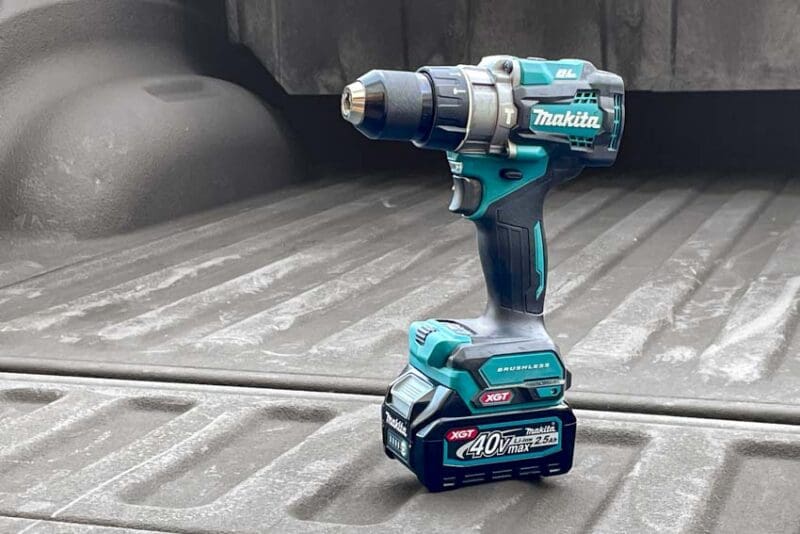
Usability differences: Milwaukee’s ONE-KEY is ideal for large crews or contractors who need to track tools. Makita’s safety features are a big plus for DIYers or anyone working in unpredictable conditions.
Credit: www.protoolreviews.com
Price And Value For Money
Price is a major factor, especially for buyers on a budget. Both brands offer a range of prices, but Milwaukee tools tend to be more expensive than Makita.
- Milwaukee M18 Fuel Hammer Drill Kit: $250–$300 (includes battery, charger, case)
- Makita XPH07Z Hammer Drill Kit: $200–$260 (includes battery, charger, case)
Makita often gives you better value if you already use their battery platform, as batteries are interchangeable. Milwaukee’s higher price reflects premium features and longer warranty.
Common mistake: Many buyers focus only on the upfront cost. Consider the total cost of ownership, including battery replacements, tool lifespan, and warranty coverage.
Warranty And Support
A good warranty gives peace of mind. Milwaukee and Makita have strong support policies.
- Milwaukee: 5-year tool warranty, 3-year battery warranty.
- Makita: 3-year tool and battery warranty.
Milwaukee’s longer tool warranty is attractive for professionals who expect heavy use. Both brands have wide service networks, but Milwaukee’s customer service is often rated slightly higher for quick turnaround and easy claims.
Real-world Performance: User Reviews And Field Tests
Looking at technical specs is important, but real-world use reveals details that numbers can miss.
Milwaukee hammer drills are praised for their ability to power through tough concrete without slowing down. Many tradespeople mention they can drill more holes per battery charge compared to other brands. Some users note that Milwaukee tools are louder and heavier, but the speed and power make up for it.
Makita hammer drills get high marks for comfort and control. Homeowners and electricians appreciate the lighter weight, especially when drilling overhead or in awkward positions. While not quite as powerful as Milwaukee, Makita drills are said to be more precise and easier to use for small jobs.
Hidden insight: Beginners often overlook the importance of matching the tool to the job. For large, all-day tasks, Milwaukee’s power and endurance are worth the weight. For shorter, detailed work, Makita’s comfort can prevent fatigue.
Common Buyer Mistakes
- Ignoring Battery Compatibility: Many buyers forget to check if their new hammer drill uses the same batteries as their other tools. Mixing platforms means buying extra batteries and chargers.
- Overestimating Power Needs: Not every job requires maximum torque. Sometimes a lighter, more comfortable drill is the better choice.
- Neglecting Warranty Registration: Skipping this step can mean missing out on valuable coverage.
- Not Considering Tool Weight: Heavier tools can cause fatigue, especially for beginners or people with smaller hands.
- Focusing Only on Price: Cheapest is rarely best. Consider the full package—features, comfort, support, and long-term costs.
Which Should You Choose?
The answer depends on your needs.
- Choose Milwaukee if you need maximum power, work on heavy-duty jobs, or want advanced features like ONE-KEY.
- Choose Makita if you value comfort, lower weight, and safety features. It’s also a better choice if you already own other Makita tools.
For most DIYers, Makita is easier to handle and still powerful enough for most tasks. For professionals, Milwaukee’s extra power and durability can make a big difference on tough jobs.
How To Decide: Questions To Ask Yourself
Before making your decision, consider:
- What types of materials will you drill most often?
- Do you need to use the tool for long periods?
- Is battery compatibility important for your existing tools?
- How much do you value advanced technology features?
- What is your budget for the tool and accessories?
Answering these will help you select the right hammer drill for your situation.
Future Trends And Upgrades
Both Milwaukee and Makita are investing in smarter, more efficient tools. Expect to see better battery life, lighter designs, and improved electronic controls in new models. Milwaukee is focusing on tool connectivity and data tracking, while Makita is working on even faster charging and enhanced safety.
If you are planning a purchase, check for upcoming releases or new models, as features can improve quickly.
Safety Tips For Using Hammer Drills
- Always wear safety glasses and hearing protection.
- Use the side handle for better control.
- Let the tool do the work—do not force the drill.
- Check for hidden pipes or wires before drilling.
- Keep batteries and chargers clean and dry.
Non-obvious tip: Letting the bit cool between deep holes will extend both bit and tool life.
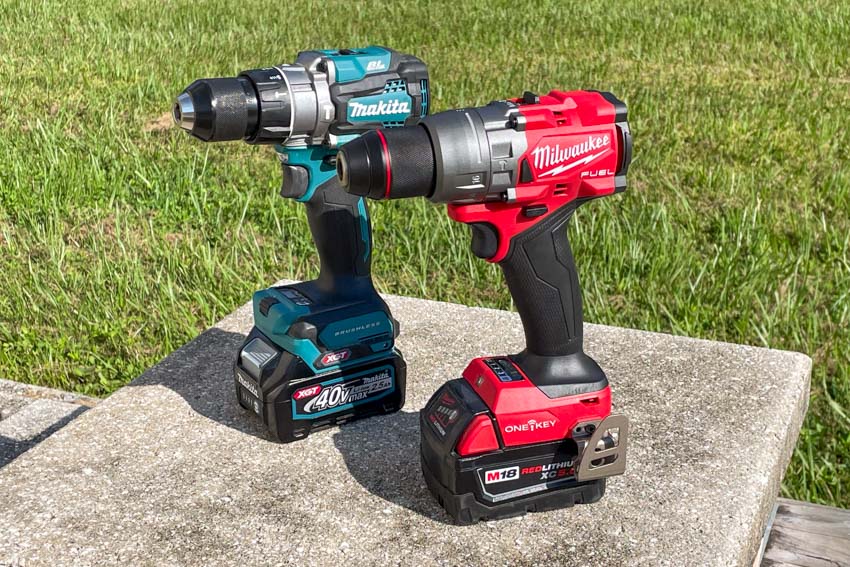
Credit: www.protoolreviews.com
Frequently Asked Questions
What Is The Main Difference Between Milwaukee And Makita Hammer Drills?
The biggest difference is in power and comfort. Milwaukee tends to offer higher torque and more features for professionals, while Makita is lighter, quieter, and often more comfortable for long use.
Which Brand’s Batteries Last Longer?
Milwaukee’s REDLITHIUM batteries generally last longer per charge, especially on heavy tasks. However, Makita batteries are lighter and charge faster, which is handy if you have multiple batteries to swap out.
Are Milwaukee And Makita Hammer Drills Good For Beginners?
Yes, both brands are suitable for beginners. Makita’s lighter weight and simple controls are easier for new users. Milwaukee’s power is great but may feel heavy for someone not used to power tools.
Can I Use Milwaukee Batteries With Makita Tools?
No, Milwaukee and Makita use different battery systems. You cannot swap batteries between these brands. Stick with one platform to save money and reduce hassle.
Which Brand Has Better Customer Support?
Both brands offer good support, but Milwaukee often gets slightly better reviews for fast warranty service and helpful customer care.
Choosing between Milwaukee and Makita hammer drills depends on your needs, preferences, and budget. Each brand has strengths that fit different users. Take the time to consider the details in this guide, and you’ll make a choice that serves you well for years to come.
For further reading on power tool reviews and industry standards, you can visit the Pro Tool Reviews website.