Choosing the right drill bit can make or break a project, whether you’re a professional or a DIY enthusiast. If you’ve ever stood in the tool aisle, you’ve probably faced a tough choice: Milwaukee cobalt vs titanium drill bits. Both types are popular, but they serve different needs. Making the wrong pick can lead to broken bits, ruined materials, and wasted time. This article will help you understand the differences, strengths, weaknesses, and the best use cases for each. You’ll find real-world examples, performance data, and practical advice to help you drill smarter, not harder.
What Are Drill Bit Coatings And Alloys?
Before diving into cobalt and titanium drill bits, it’s important to know what those terms mean. Drill bit materials and coatings are not just marketing words; they affect how the bit works, how long it lasts, and what materials it can handle.
- Cobalt drill bits: These are not just coated; they are made from an alloy. Usually, cobalt is 5-8% of the mix, the rest is high-speed steel (HSS). The cobalt makes the bit harder, more heat-resistant, and less likely to lose sharpness.
- Titanium drill bits: These are HSS bits coated with titanium nitride (TiN). The coating makes them more durable than plain HSS bits and helps reduce friction.
This difference between coating (titanium) and alloy (cobalt) is the heart of their performance.
Milwaukee Cobalt Drill Bits: What Makes Them Special?
Milwaukee is a respected brand in the power tool world. Their cobalt drill bits are made for heavy-duty work. Here’s what sets them apart:
Composition And Design
Milwaukee cobalt bits usually have 5% cobalt (sometimes called M35 steel). This makes the entire bit tougher, not just the surface. Unlike coated bits, you can sharpen them multiple times without losing the special properties.
The bits often feature a split point tip (usually 135 degrees). This tip design reduces walking—meaning the bit won’t slip when you start drilling. It also allows for easier, faster penetration into tough materials.
Performance In Hard Materials
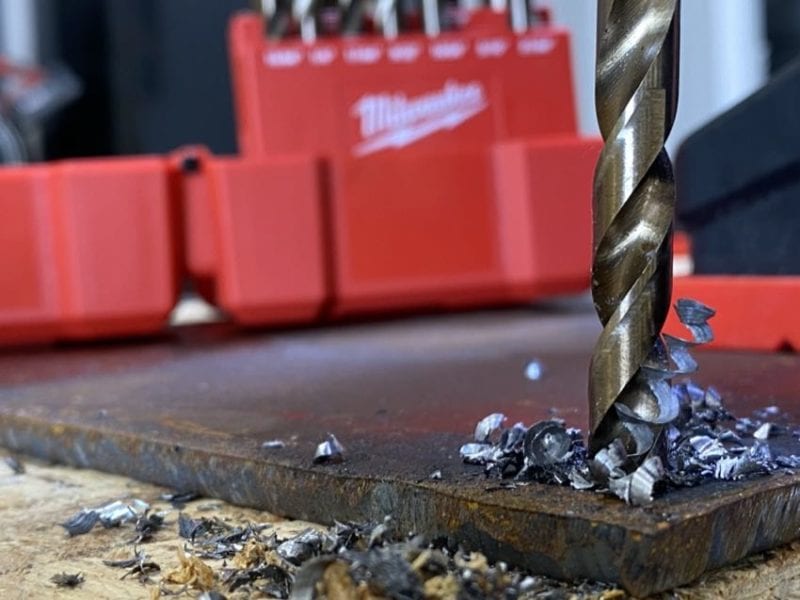
Cobalt bits are famous for drilling through stainless steel, cast iron, and other hard metals. The cobalt alloy resists heat, which is critical when drilling metal, as bits get hot quickly. Less heat means longer life and less risk of burning out the bit.
Example
A mechanical contractor drilling 50 holes in a stainless steel sheet will finish the job with a cobalt bit, but likely burn out several titanium bits. This difference shows up in both professional and serious DIY settings.
Durability And Sharpening
Milwaukee cobalt bits maintain their sharpness longer. Even if they do dull, you can sharpen them without removing the cobalt properties, because the cobalt runs throughout the bit—not just on the outside.
However, cobalt bits can be brittle. If you use them with too much force or bend them, they can snap. This is less of a problem with softer metals or wood, but something to watch for in tough jobs.
Price And Availability
Cobalt bits are more expensive than titanium bits. A typical 29-piece Milwaukee cobalt set costs significantly more than a titanium set of the same size. For people who drill into hard metals often, the price is worth it. For casual users, it might feel like overkill.
Milwaukee Titanium Drill Bits: Where Do They Shine?
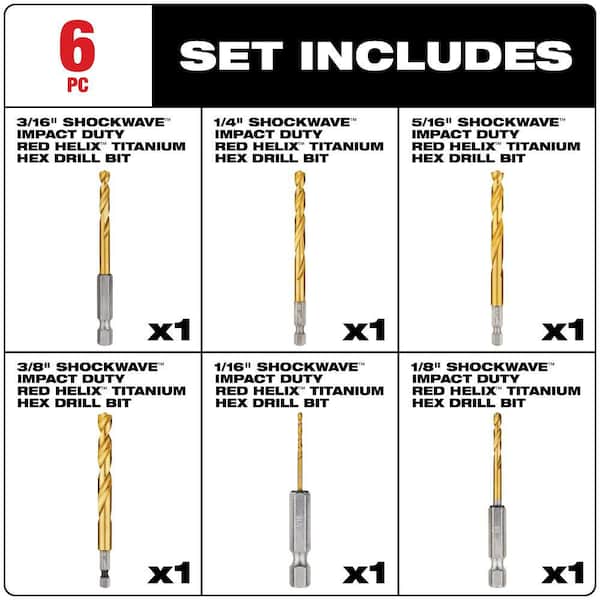
Now let’s look at the Milwaukee titanium drill bits. These are generally made from high-speed steel, coated with titanium nitride.
Coating Advantages
The titanium coating increases surface hardness, making the bits more durable than plain HSS bits. The coating also reduces friction. This means less heat buildup and smoother drilling. However, the coating only covers the outside. Once it wears off, the underlying steel is exposed and wears faster.
Best Use Cases
Titanium bits are great for wood, plastic, and soft metals like aluminum or mild steel. They are a step up from basic steel bits, but not designed for repeated use in hard metals.
Example
A homeowner installing shelves in drywall or drilling through wood framing will find that a titanium set lasts longer than basic steel and costs less than cobalt. For these projects, titanium is a smart choice.
Cost And Longevity
Titanium bits cost less than cobalt. For DIYers and general contractors working mainly with soft materials, a titanium set offers good value. But if you drill into hard steel often, you’ll wear out the coating quickly.
Limitations
Once the titanium nitride coating wears off—especially at the cutting edge—the bit loses its main advantage. Sharpening the bit removes the coating, so the bit becomes just like a regular HSS bit. This means titanium bits are not meant for repeated sharpening.
Direct Comparison: Milwaukee Cobalt Vs Titanium Drill Bits
Let’s put both types side by side to see how they really stack up.
| Feature | Milwaukee Cobalt | Milwaukee Titanium |
|---|---|---|
| Material | Cobalt-alloy (M35/M42) | HSS with Titanium Nitride Coating |
| Best For | Hard metals (stainless steel, cast iron) | Wood, plastic, soft metals |
| Heat Resistance | Very high | Moderate |
| Sharpening | Multiple times possible | Not recommended (removes coating) |
| Price | High | Medium/Low |
| Durability | Long-lasting (if not abused) | Good, until coating wears off |
| Brittleness | Can snap if bent/forced | Less brittle, more flexible |
Real-world Performance: What Do Tests Show?
Lab tests and user reviews give us more insight into how these bits perform.
- Speed of drilling: Cobalt bits cut through stainless steel up to 50% faster than titanium, especially with proper cooling.
- Number of holes: In 1/8″ thick stainless steel, a cobalt bit may drill 40-60 holes before dulling, while a titanium bit may last for 10-15 holes.
- Heat tolerance: Cobalt’s high heat resistance means less chance of the bit turning blue (a sign of overheating and lost hardness).
Field Example
A small fabrication shop switched from titanium to cobalt for their daily stainless steel work. They found that one cobalt bit often outlasted three or four titanium bits, even though each cobalt bit cost twice as much. Over six months, they spent less money and wasted less time swapping out worn bits.
When To Use Milwaukee Cobalt Drill Bits
Choose Milwaukee cobalt drill bits if:
- You regularly drill into hard metals (stainless steel, cast iron, titanium).
- You need bits that can be resharpened multiple times.
- You value long-term durability over initial cost.
- Your projects demand high precision and clean holes in tough materials.
Pro Tips
- Use cutting oil or lubricant. Even though cobalt bits resist heat, lubrication helps them last longer and drill faster.
- Drill at lower speeds, especially in hard metals. High speed can still cause overheating and reduce bit life.
- Keep a dedicated set for metal. Using cobalt bits for wood or plastic can dull them unnecessarily.
When To Use Milwaukee Titanium Drill Bits
Pick Milwaukee titanium drill bits if:
- Most of your drilling is in wood, plastic, or soft metals.
- You want a balance between price and durability.
- You don’t plan to sharpen your bits.
- You’re a DIYer or contractor who doesn’t often work with hard metals.
Pro Tips
- Don’t force the bit; let the drill do the work. This helps the coating last longer.
- Store bits in their case. The titanium coating can scratch if the bits bang against each other.
- Replace worn bits rather than sharpening. Once the tip loses its gold color, the coating is gone.
Common Mistakes When Choosing Drill Bits
Many people choose the wrong drill bit because of unclear labels or not understanding the material they’re drilling. Here are common mistakes to avoid:
- Using titanium bits on hard metals: The coating will wear off quickly, and the bit will dull or break.
- Paying more for cobalt but only drilling wood: You’re not using the bit’s best advantage, and you’ll wear it out faster.
- Sharpening titanium bits: You remove the coating, making the bit just like basic HSS.
- Not using lubricant with cobalt bits: Even though they resist heat, lubrication makes a big difference in performance and lifespan.
- Buying cheap sets for tough jobs: Lower-quality bits, even if labeled “titanium” or “cobalt,” may not have the right alloy or coating thickness.
Credit: www.homedepot.com
How To Identify Real Cobalt And Titanium Drill Bits
Not all “cobalt” or “titanium” drill bits are created equal. Some brands mislabel or exaggerate their product.
- Cobalt bits should list the percentage (5% or 8%). If it just says “cobalt coated,” it’s not true cobalt.
- Titanium bits should specify “titanium nitride coated” and mention HSS as the base.
With Milwaukee, you can trust the labeling, but it’s still smart to check. Real cobalt bits feel heavier and harder, while titanium bits have a gold-colored coating.
Cost Analysis: Are Cobalt Bits Worth The Extra Money?
Let’s break down the numbers for someone drilling 100 holes in stainless steel.
- Titanium bit set (29 pcs): $30–$40
- Cobalt bit set (29 pcs): $80–$120
If a titanium bit lasts 10 holes and cobalt lasts 50, you’d need five titanium bits for every cobalt bit. Over time, you might actually spend less with cobalt, especially considering time lost changing bits and lower risk of ruined work pieces.
But if you mostly work with wood or mild steel, you may never reach the break-even point. In that case, titanium is the smarter buy.
Credit: www.homedepot.com
Milwaukee Bit Set Features: What Else Matters?
Beyond material and coating, Milwaukee adds features that make a difference in daily use.
- Red Helix design: Some Milwaukee bits have a special flute design for faster chip removal. This helps prevent bit binding and overheating.
- Secure grip shank: Milwaukee often uses a 3-flat shank, which prevents spinning in the drill chuck—a common problem with round shanks.
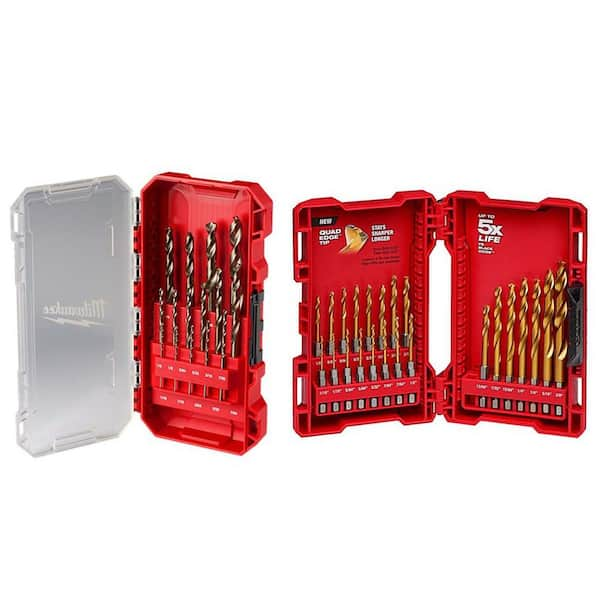
- Storage case quality: Milwaukee cases are robust, keeping bits organized and protected.
These design choices are found in both cobalt and titanium sets, making Milwaukee a reliable pick for either option.
Practical Buying Advice
For Professionals
If you regularly drill into tough metals, invest in Milwaukee cobalt drill bits. You’ll reduce downtime, improve accuracy, and save money in the long term. Keep a few titanium bits on hand for quick jobs in wood or plastic.
For Diyers And Homeowners
If you mostly work with softer materials, a Milwaukee titanium set is ideal. You’ll get great performance for the price, and the bits will last for many small projects.
For Mixed Material Work
If you handle both wood and metal, consider keeping both sets. Use titanium for everyday jobs and save the cobalt for when you need it. This approach extends the life of both sets and ensures you always have the right tool.
Table: Quick Reference For Project Types
Here’s a quick guide to help you pick the right bit for common materials:
| Material | Best Bit Type | Notes |
|---|---|---|
| Stainless Steel | Cobalt | Use cutting oil, drill slowly |
| Cast Iron | Cobalt | Sturdy bit, avoid side pressure |
| Aluminum | Titanium | Low speed prevents clogging |
| Wood | Titanium | Fast drilling, clean holes |
| Plastic | Titanium | Go slow to prevent cracking |
| Mild Steel | Titanium or Cobalt | Cobalt lasts longer in heavy use |
Hidden Insights Most Beginners Miss
- Cooling is key: Even the best cobalt bit will wear out fast if you don’t use some form of lubrication or take breaks to cool the bit. Heat is the enemy, and controlling it makes bits last.
- Bit diameter matters: Larger bits (over 1/4″) are more likely to snap if forced, even if they’re cobalt. Step up drill sizes gradually to reduce stress on the bit and your drill.
Environmental Impact And Recycling
Many users overlook that both cobalt and titanium drill bits can be recycled as scrap metal. Don’t throw them in the trash. Local recycling centers or metal shops often accept worn bits. This helps reduce waste and recover valuable materials.
How Milwaukee Compares To Other Brands
Milwaukee is known for strict quality control. While other brands like DeWalt, Bosch, or Irwin also make cobalt and titanium bits, Milwaukee’s bits often score higher in durability tests. Their Red Helix design and precise labeling make them a favorite among professionals.
For more on drill bit materials, the Wikipedia: Drill Bit page gives an in-depth look at the science behind alloys and coatings.
Credit: www.protoolreviews.com
Frequently Asked Questions
What Is The Main Difference Between Cobalt And Titanium Drill Bits?
Cobalt drill bits are made from a cobalt alloy throughout, making them more heat-resistant and better for hard metals. Titanium drill bits are steel bits with a titanium coating that improves durability for wood and soft metals, but the coating wears off with use.
Can I Use Cobalt Bits For Wood?
Yes, but it’s usually not necessary. Cobalt bits are designed for hard metals. Using them on wood won’t hurt, but you won’t get extra benefits, and you’ll wear out an expensive bit on an easy material.
How Do I Know When To Replace My Drill Bit?
Replace the bit if it’s dull, chipped, or if you see smoke or blue discoloration during drilling. For titanium bits, once the gold coating is gone at the tip, their performance drops quickly.
Is It Safe To Sharpen Drill Bits At Home?
Cobalt bits can be sharpened with the right tools and care. Titanium bits can be sharpened, but you’ll lose the coating and their special advantage. Always use safety glasses and a proper jig if sharpening at home.
Why Are Milwaukee Drill Bits More Expensive Than Some Other Brands?
Milwaukee uses high-quality materials, tight manufacturing tolerances, and better design features like split point tips and secure shanks. This leads to longer bit life and better performance, especially in demanding jobs.
Choosing between Milwaukee cobalt vs titanium drill bits depends on your materials, your budget, and how often you drill. Now that you know the facts, you can pick the right bit for the job—and get better results every time.