When you start working with tools and metal, you often hear about reamers and drill bits. Many people think they are the same, but these tools have different purposes. Understanding their differences can help you get better results, avoid mistakes, and even save money. Whether you are a hobbyist, a machinist, or an engineer, knowing when to use a reamer versus a drill bit is important for your projects.
Let’s explore what makes reamers and drill bits unique. You’ll learn how they work, what they do best, and how to choose the right one for your needs. We’ll also compare their design, accuracy, common uses, and costs. By the end, you’ll have a clear understanding of each tool and feel confident about using them the right way.
What Is A Drill Bit?
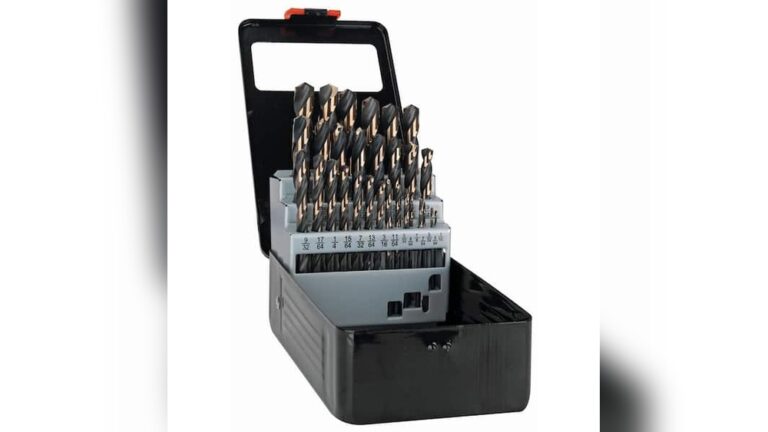
A drill bit is a cutting tool that creates holes in different materials. You can use it on wood, metal, plastic, and more. Most people have used a drill bit at least once, even if just for hanging a picture frame. Drill bits come in many shapes and sizes, but their main purpose is to make a new hole.
Drill bits are designed with a sharp tip that cuts as the bit spins. The spiral grooves (called flutes) help remove material from the hole. Drill bits are used in hand drills, power drills, and drill presses.
Types Of Drill Bits
There are many types of drill bits. Some common types include:
- Twist Drill Bit: The most common style, good for most materials.
- Spade Bit: Flat blade for drilling large, rough holes in wood.
- Masonry Bit: Designed for concrete and stone, with a special tip.
- Brad Point Bit: For clean holes in wood with a sharp center point.
- Step Bit: Used for making holes of different sizes in thin materials.
- Auger Bit: Deep, clean holes in wood, with a screw tip for pulling the bit in.
- Forstner Bit: Makes flat-bottomed holes, used in woodworking.
How Drill Bits Work
A drill bit cuts material by spinning fast and pressing into the surface. The tip starts the hole, and the flutes carry away chips and dust. For most jobs, a drill bit is the first tool you use. It’s fast and simple, and you can make many holes quickly.
What Is A Reamer?
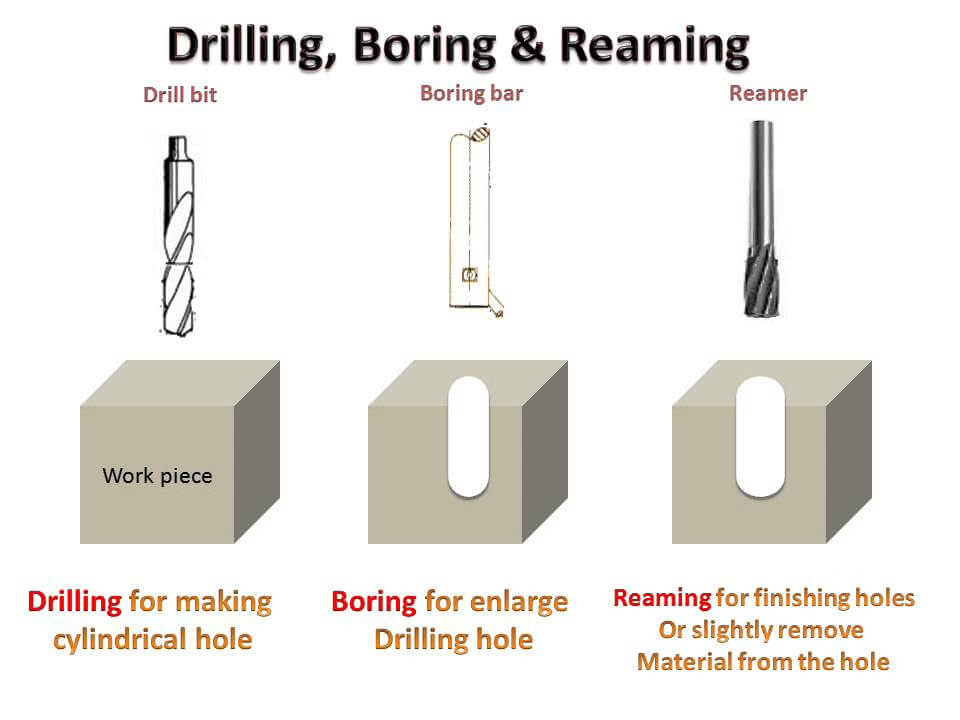
A reamer is a tool used to finish or slightly enlarge a hole. Unlike a drill bit, a reamer does not make a hole from scratch. Instead, it smooths and makes an existing hole more accurate in size and roundness. Reamers are important in metalworking, engine work, and high-precision projects.
Reamers have cutting edges along their sides. They are not as aggressive as drill bits. Instead, they remove a small amount of material, making the hole exactly the right size and very smooth.
Types Of Reamers
You’ll find several main types of reamers:
- Hand Reamer: Used by hand with a wrench, good for small jobs and fine control.
- Machine Reamer: Used in drills, presses, or lathes for faster, more consistent results.
- Chucking Reamer: Held in a machine chuck, often carbide or high-speed steel.
- Tapered Reamer: Used for holes that widen gradually, such as for a Morse taper.
- Adjustable Reamer: The size can be changed by moving the blades.
- Shell Reamer: A replaceable cutting shell fits on a separate shank.
- Expansion Reamer: Can be expanded slightly to renew the cutting edge.
How Reamers Work
A reamer is used after drilling. First, you make a hole that is slightly smaller than you want. Then, you use the reamer to remove a thin layer from the inside, making the hole very accurate and smooth. The reamer turns slowly compared to a drill bit, and you don’t need much pressure.
This process is called “reaming. ”
Credit: www.premiumparts.com
Key Differences Between Reamer And Drill Bit
People often confuse reamers and drill bits because both are round and used with drills. However, their jobs are quite different. Let’s compare them side by side.
| Feature | Drill Bit | Reamer |
|---|---|---|
| Main Purpose | Creates a new hole | Finishes or enlarges an existing hole |
| Material Removal | Removes a lot of material quickly | Removes a small amount for fine finish |
| Precision | Medium to low accuracy | High accuracy and smoothness |
| Surface Finish | Rougher, may need more work | Very smooth, ready for fitting parts |
| Tool Speed | High RPM | Low RPM |
| Common Use | All basic drilling tasks | Precision engineering, fitting pins/bearings |
Design And Construction
The shape and design of each tool show their different purposes.
Drill Bit Design
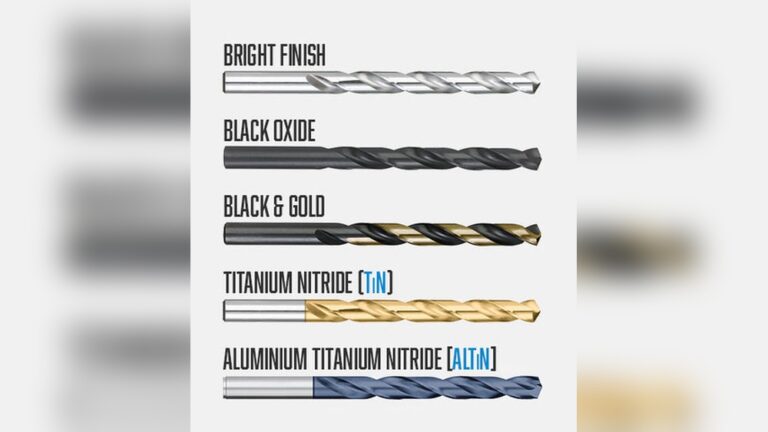
A typical drill bit has a pointed tip for starting holes and spiral flutes for removing material. The tip can be flat, split, or angled, depending on the type. Most drill bits are made of high-speed steel, cobalt, or carbide.
The body is strong but not made for perfect accuracy.
Reamer Design
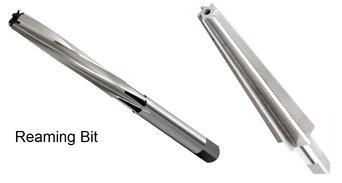
A reamer has many straight or slightly spiral cutting edges along its body. The tip is often tapered to help it start smoothly in the existing hole. The cutting edges are not as deep as drill bit flutes. The reamer removes only a thin layer, focusing on smoothness and exact size.
Reamers are made from tough materials like high-speed steel or carbide for long life and precision.
Applications And Uses
Understanding where to use each tool will help you get better results and avoid problems.
When To Use A Drill Bit
- Making new holes in wood, metal, plastic, or stone
- Fast, rough jobs where perfect size is not needed
- Home repairs, construction, and basic metalworking
- Pre-drilling holes before driving screws or bolts
When To Use A Reamer
- Achieving a perfect hole size for press-fit parts like pins, bushings, or bearings
- Improving the roundness and finish of a drilled hole
- Jobs where tight tolerances are critical, such as in engines, hydraulic systems, or machinery
- After drilling, to remove tool marks and create a smooth, accurate finish
Real-world Example
Imagine you are building a metal frame and need to fit a steel pin through two plates. If you use only a drill bit, the pin might be too tight, too loose, or not fit at all due to hole imperfections.
If you drill slightly small, then ream to the exact size, the pin fits perfectly. This is why professional machinists always ream for critical fits.
Accuracy And Surface Finish
One of the biggest differences between reamers and drill bits is the accuracy and surface finish of the hole.
Drill Bit Accuracy
Most drill bits make holes that are slightly larger than their stated size. This happens because the bit can wander or flex. The hole shape may not be perfectly round. For common tasks, this is fine. For example, if you are drilling for a drywall anchor, high accuracy is not needed.
Reamer Accuracy
A reamer is made for accuracy. It can hold tolerances as tight as 0. 01 mm (10 microns) or even better. The hole will be round and smooth, with a shiny surface. This is critical for parts that must fit together tightly, such as a piston pin in an engine.
Surface Finish Comparison
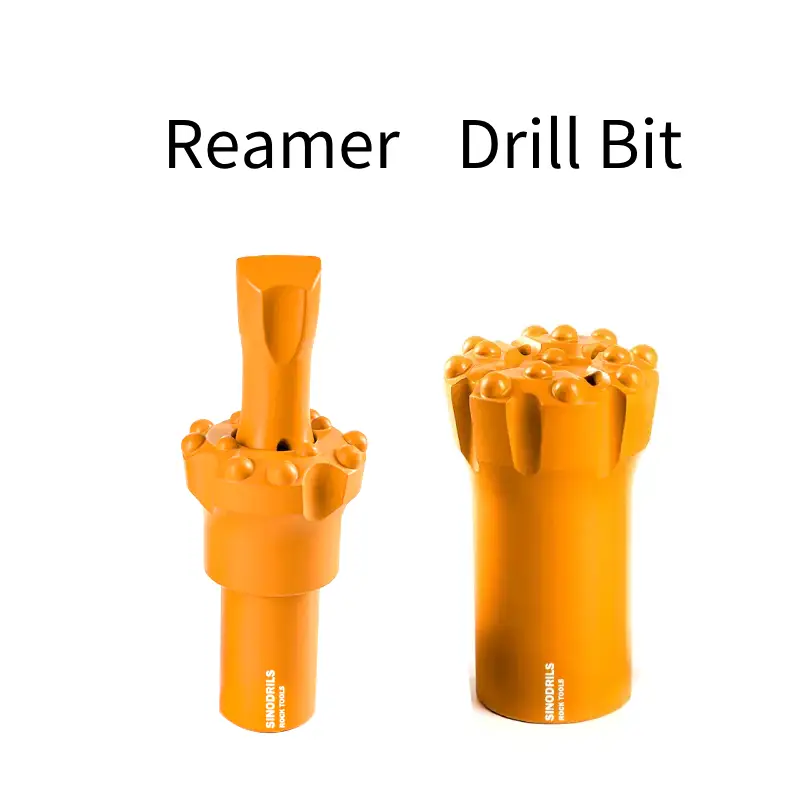
Drilled holes often have spiral marks, chatter, or roughness. These can cause problems if you try to press a pin or bearing into the hole. Reamed holes have a mirror-like finish, reducing friction and wear. This is why reaming is used in high-quality engineering and manufacturing.
Credit: www.sinodrills.com
Cost And Efficiency
Choosing between a reamer and a drill bit is not just about the result. It’s also about cost, tool life, and speed.
Cost Of Drill Bits
Drill bits are usually cheaper than reamers. You can buy a set of twist drills for a low price. They are also easy to find in most hardware stores. However, cheap bits wear out faster, and low-quality bits may break or make rough holes.
Cost Of Reamers
Reamers are more expensive, especially for high-precision work. A single reamer can cost as much as a whole set of drill bits. They also come in fixed sizes, so you may need many reamers for different holes. However, if you need precision, the cost is often worth it.
Efficiency
Drilling is fast. You can make many holes quickly with a power drill. Reaming takes longer because you must first drill, then ream at a slower speed. For high-volume work, such as making thousands of engine parts, the extra time is part of the process for quality.
Tool Life
A good reamer, used properly, can last a long time and make many accurate holes. Drill bits wear out faster, especially in hard materials. Using the right speeds, lubricants, and cutting fluids can extend tool life for both tools.
Common Mistakes When Choosing Or Using
Beginners often make mistakes with these tools. Here are some things you might not know:
- Drilling to Final Size: Many try to drill to the exact size needed. This rarely works for tight fits. Holes end up too big or rough, causing loose fits.
- Reaming Too Much Material: Reamers are not made to remove large amounts. If you try to ream a hole that is way too small, you can damage the tool and ruin the hole.
- Wrong Speeds: Reamers need much slower speeds than drill bits. Running a reamer too fast causes poor finish and short tool life.
- Skipping Lubrication: Cutting oil or fluid is important for both tools, but especially for reaming. It cools the tool and gives a better finish.
- Using Worn-Out Tools: Dull drill bits wander and make oversize holes. Dull reamers scratch and chatter. Always check tool sharpness.
These mistakes can lead to wasted material, broken tools, or bad results. Take time to understand what each tool is designed for, and you’ll avoid these common problems.
Credit: www.smlease.com
Which Tool To Choose?
The right choice depends on your project, accuracy needs, and budget.
- For basic holes in most materials, a drill bit is the tool to use.
- For tight fits, smooth finishes, or parts that must move easily together, a reamer is best.
- For most metalworking, drill the hole slightly small, then finish with a reamer for accuracy.
If you are making furniture, building a deck, or working on general repairs, you may only need drill bits. If you are repairing engines, making jigs, or building machines, reamers are essential.
Practical Tips For Better Results
Here are some practical tips you will not hear in every guide:
- Undersize Drilling for Reaming: When you plan to ream, always drill the hole 0.1–0.3 mm smaller than the final size (for small holes). This gives the reamer enough material to cut but not too much.
- Align Tools Carefully: Both drill bits and reamers must be aligned well, especially for deep holes. Misalignment leads to tapered or oversized holes.
- Use the Right Lubricant: Different materials need different cutting fluids. For example, use oil for steel, or kerosene for aluminum. This helps the tools cut smoothly and last longer.
- Mark Your Tools: It’s easy to mix up similar sizes. Mark your drill bits and reamers clearly to avoid mistakes.
- Test on Scrap: If accuracy is critical, test your hole size and finish on a piece of scrap before drilling or reaming your final part.
Many beginners try to skip these steps and end up with poor fits or damaged parts. Taking a few extra minutes saves time and money in the long run.
Advanced Uses And Insights
Some uses of drill bits and reamers are less obvious but can make a big difference in special projects.
Reaming For Press Fits
When you need to press a pin or shaft into a hole, the size must be just right. Too tight, and you risk breaking the part. Too loose, and the pin may fall out. Reaming allows you to control the fit very closely, often within a few thousandths of a millimeter.
Drilling For Taps
When making threaded holes (tapping), you often drill first with a drill bit, then use a tap. Sometimes, a reamer is used before tapping to improve hole quality, especially in hard materials or for fine threads.
Reaming Plastic And Composite Materials
Many think reaming is only for metal. But you can use reamers for plastic, composites, and even some ceramics. However, you need the right type (for example, spiral flutes for plastic) and lower speeds to avoid melting or chipping.
Drill Bits For Non-round Holes
Some specialized drill bits, such as spade bits or Forstner bits, can make flat-bottomed or overlapping holes in wood. These shapes are not possible with reamers.
Reamer Geometry
Not all reamers are straight. Spiral reamers are used for blind holes (holes that do not go all the way through) to help remove chips. Tapered reamers are used for special fits, such as inserting instrument pegs or tool holders.
Maintenance And Care
Both drill bits and reamers last longer with good care.
- Keep Tools Sharp: Dull tools make rough holes and require more force.
- Clean After Use: Remove chips, dust, and oil after each use.
- Store Properly: Keep in cases or holders to avoid chipping edges.
- Inspect for Damage: Look for nicks, chips, or bending before use.
A well-maintained tool can last for years. Reamers, especially, are an investment—treat them with care.
Environmental And Safety Considerations
Using these tools safely and responsibly is important.
- Wear Eye Protection: Chips and dust can cause injury.
- Secure Workpieces: Clamp your work to keep it stable during drilling or reaming.
- Use Proper Speed and Feed: Too fast can break the tool or cause overheating.
- Dispose of Used Fluids: Cutting fluids can be hazardous; dispose of them properly.
- Noise and Dust: Drilling and reaming can create noise and fine dust. Use protection if working for long periods.
Industry Standards And Tolerances
In professional work, tolerances are critical. For example, ISO and ASME standards define how accurate and smooth a hole must be for different fits. Reamers are the tool of choice when you must meet these standards. For more about standards, see Engineering Tolerance (Wikipedia).
Case Study: Automotive Engine Building
In automotive engine rebuilding, reamers are used to fit new valve guides, bushings, and piston pins. The holes must be exact, or the engine will wear out quickly or fail. First, the machinist drills out the old part, then uses a reamer to finish the hole.
The new part fits perfectly, and the engine runs smoothly. This level of accuracy is not possible with drill bits alone.
Summary Comparison Table
Below is a quick reference for the main features of reamers and drill bits.
| Aspect | Drill Bit | Reamer |
|---|---|---|
| Start or Finish Hole? | Starts hole | Finishes hole |
| Material Removed | Much | Little |
| Hole Quality | Rough, less accurate | Smooth, highly accurate |
| Cost | Low | Medium to high |
| Common Materials | All materials | Mainly metals, plastics |
| Speed | High | Low |
Frequently Asked Questions
What Is The Main Difference Between A Reamer And A Drill Bit?
A drill bit is used to make a new hole in a material, while a reamer is used to finish or slightly enlarge an existing hole with high accuracy and a smooth finish.
Can I Use A Reamer Without Drilling First?
No, a reamer is not designed to start a hole. You must first use a drill bit to create a hole that is slightly smaller than the desired final size, then use a reamer to finish it.
Why Are Reamed Holes More Accurate Than Drilled Holes?
Reamed holes are more accurate because the reamer removes only a small amount of material and has more cutting edges. This leads to a rounder, smoother, and more precise hole compared to drilling alone.
Do I Need To Use Lubricant With Drill Bits And Reamers?
Yes, using the right lubricant or cutting fluid helps both tools cut smoothly, reduces heat, and extends tool life. It is especially important for reaming to achieve a good finish.
Is It Worth Buying Reamers For Home Use?
If you need very accurate, smooth holes for fitting parts together tightly (such as in model making or engine repair), a reamer is a good investment. For general DIY tasks, drill bits are usually enough.
Both reamers and drill bits are essential tools, but each serves a different purpose. Knowing when and how to use them will help you work faster, achieve better results, and avoid common mistakes. By understanding these tools, you can tackle projects with more confidence and skill.