Choosing a new cordless drill can feel confusing, especially with so many brands fighting for your attention. Two names stand out in almost every hardware store and online search: Makita and DeWalt. Both have a strong reputation among professionals and home users. But which brand truly deserves a place in your tool kit? This guide will help you understand how Makita and DeWalt cordless drills compare, where each one shines, and what details matter most. Whether you’re a first-time buyer or looking to upgrade, you’ll get a clear, in-depth look at the strengths and trade-offs of each brand, using real examples and hands-on insights.
Brand Overview: Makita And Dewalt
Makita was founded in Japan in 1915 and has grown into a respected name for power tools across the globe. Makita is known for its innovation, reliability, and ergonomic design. Professionals often choose Makita for its smooth performance and lighter weight, especially for long projects.
DeWalt, part of Stanley Black & Decker, started in 1924 in the USA. The brand is famous for its tough, jobsite-ready tools. DeWalt drills are often recognized for their power and rugged build, making them a favorite for demanding tasks.
Both brands invest heavily in research and technology. Their cordless drills feature advanced batteries, brushless motors, and smart electronics. Still, their approaches are different, and knowing these differences can help you decide which suits your needs.
Key Factors To Compare
Before comparing individual models, it’s important to know what really matters when choosing a cordless drill. Here are the key factors most buyers should focus on:
- Power and Performance: How much torque and speed does the drill provide? Can it handle both light and heavy-duty tasks?
- Battery Life and Charging: How long does the battery last? Is it quick to recharge?
- Weight and Ergonomics: Is the drill comfortable to hold and use for long periods?
- Durability and Build Quality: Will the drill survive drops, dust, and tough jobsite conditions?
- Features and Technology: Does it have brushless motors, LED lights, multiple speed settings, or other useful features?
- Price and Value: Is the drill worth the investment for its performance and lifespan?
- Warranty and Support: What kind of support and warranty does the brand offer?
Understanding these factors will help you judge beyond marketing claims and focus on what really affects your daily use.

Credit: www.woolyyarn.com
Makita Cordless Drills: Strengths And Weaknesses
Makita cordless drills are often praised for their balance between power, weight, and comfort. Many users notice that Makita drills feel lighter and easier to control, especially for overhead work or tight spaces.
Power And Performance
Makita drills usually offer smooth operation with enough torque for most drilling and driving jobs. Their brushless motors increase efficiency and extend the tool’s life. One popular model, the Makita XFD131, delivers up to 440 in-lbs of torque and a top speed of 1,900 RPM.
While this is enough for most home and professional needs, a few heavy-duty DeWalt models can out-muscle Makita in pure power.
Battery System
Makita uses its LXT 18V battery system across many tools, making it easy to swap batteries between devices. Many users report that Makita batteries hold their charge well, even after months of heavy use. Charging time is typically between 30-45 minutes. One hidden advantage: Makita batteries often run cooler, which helps extend battery life in the long term.
Ergonomics And Comfort
Makita drills are designed with user comfort in mind. The handles are usually slimmer, and the weight is well-balanced. For people with smaller hands or anyone who works long hours, this makes a noticeable difference. Some users say Makita’s lighter design puts less strain on their wrist and arm during all-day work.
Durability
Makita tools are built to last, but they tend to focus more on precision and comfort than pure ruggedness. Their drills usually have sturdy housings and quality gears, but in side-by-side drop tests, DeWalt sometimes outperforms Makita in resisting cracks or dents.
Special Features
Makita frequently includes LED work lights, variable speed triggers, and even Bluetooth connectivity on some models. Another non-obvious insight: Makita drills often have a quieter motor, making them a better choice for indoor or noise-sensitive environments.
Price And Value
Makita drills are usually priced in the mid-to-high range, but they deliver strong value for their build quality and features. Their battery compatibility across many tools can save money in the long run if you plan to expand your tool collection.
Warranty And Support
Makita offers a 3-year limited warranty on tools and batteries. Service centers are available in most regions, but some users report that Makita’s customer service is slower compared to DeWalt in certain countries.
Dewalt Cordless Drills: Strengths And Weaknesses
DeWalt cordless drills are designed with the professional jobsite in mind. They’re known for their raw power, rugged build, and extra features aimed at tough work environments.
Power And Performance
DeWalt’s drills are often at the top of the charts for torque and speed. The DeWalt DCD996, for example, boasts up to 820 unit watts out (UWO), making it one of the most powerful drills in its class. This power is useful for heavy-duty drilling, mixing, or driving large fasteners.
In real-world tests, DeWalt drills usually handle thicker or harder materials with less effort.
Battery System
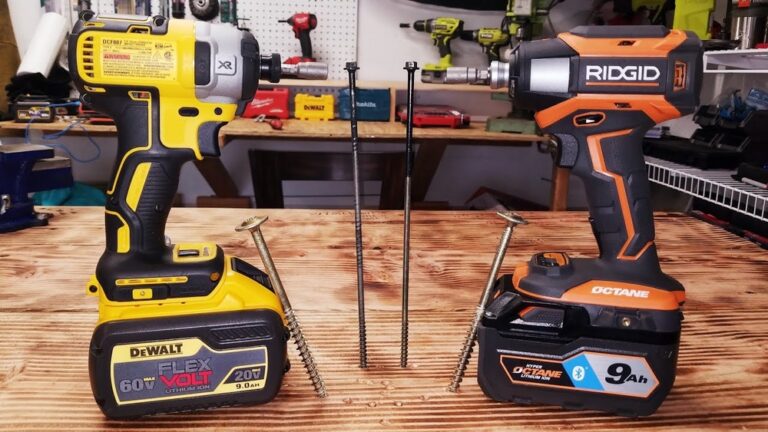
DeWalt’s 20V MAX battery platform is widespread and easy to find. DeWalt batteries charge quickly—often in about 30 minutes—and are compatible with a wide range of tools. Their FLEXVOLT batteries can even boost voltage for certain tools, offering more flexibility for professionals.
Ergonomics And Comfort
DeWalt drills are heavier and bulkier than Makita, but their grip design and rubber over-mold make them comfortable to hold. For people who need the extra power, the extra weight is usually a fair trade-off. One point beginners miss: DeWalt’s extra size also means more stability when drilling large holes.
Durability
This is where DeWalt really shines. Their cordless drills often include reinforced housings, metal chucks, and dust-sealed switches. DeWalt tools are tested to survive drops, dirt, and water exposure. If you work in harsh environments, DeWalt’s toughness is a major plus.
Special Features
DeWalt is known for adding jobsite-friendly features like work lights, belt hooks, multiple clutch settings, and smart electronics that protect the tool and battery. Some models include electronic clutch control and Bluetooth tracking. A subtle benefit: DeWalt drills are often designed to stand upright on their battery pack, making them less likely to tip over on uneven surfaces.
Price And Value
DeWalt drills are priced slightly higher than Makita on average, especially for top-end models. However, their power and ruggedness justify the cost for professionals. DeWalt’s wide range of compatible tools also adds value if you already own other DeWalt products.
Warranty And Support
DeWalt offers a 3-year limited warranty, 1-year free service contract, and 90-day money-back guarantee. Their service network is extensive, and users often report quick turnaround for repairs or replacements.
Head-to-head: Makita Vs Dewalt Cordless Drill
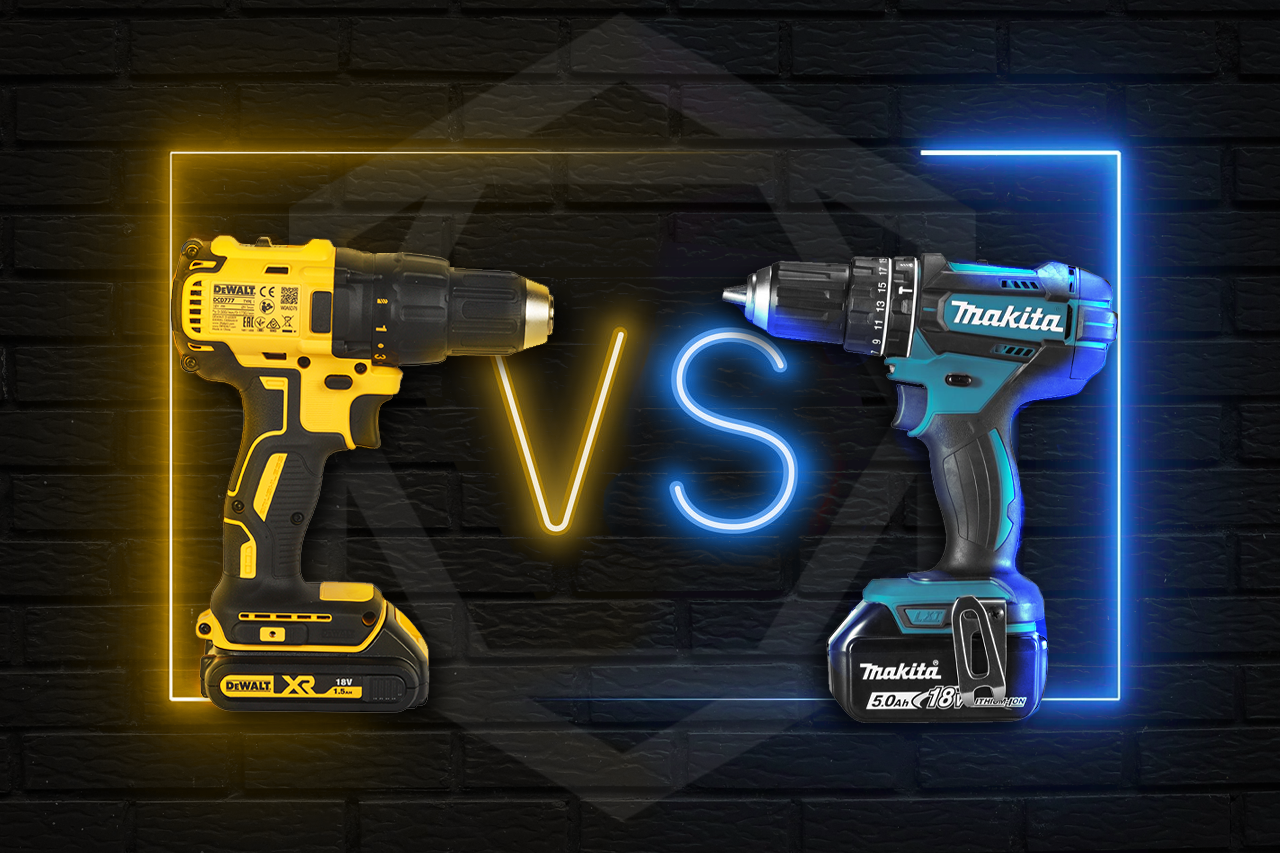
To make this comparison more practical, let’s look at two of the most popular models from each brand: the Makita XFD131 and the DeWalt DCD791D2. Here’s a side-by-side look at key specs and features:
| Feature | Makita XFD131 | DeWalt DCD791D2 |
|---|---|---|
| Motor Type | Brushless | Brushless |
| Voltage | 18V | 20V MAX |
| Max Torque | 440 in-lbs | 460 in-lbs |
| Max Speed | 1,900 RPM | 2,000 RPM |
| Weight (with battery) | 3.8 lbs | 3.4 lbs |
| Battery System | 18V LXT | 20V MAX |
| LED Light | Yes | Yes (3-mode) |
| Warranty | 3 years | 3 years |
| Price Range (USD) | $130–$150 | $150–$180 |
Both drills are strong choices for most home and jobsite tasks. The DeWalt DCD791D2 edges ahead in speed and torque, while the Makita XFD131 is slightly lighter. For all-day use, Makita’s balance may reduce fatigue, but DeWalt offers a bit more muscle for heavy-duty needs.
Real-world Performance: User Feedback
Understanding how drills perform in real settings is crucial. Here’s what experienced users commonly report:
- Makita: Users often mention the smooth, quiet operation and lower vibration. Makita drills excel in cabinetmaking, furniture assembly, and electrical work where precision and control matter. The lighter weight is a bonus for overhead work.
- DeWalt: Many users choose DeWalt for construction, carpentry, and renovation jobs. They appreciate the raw power and toughness, especially when drilling into concrete, mixing drywall mud, or driving large screws. The batteries are praised for quick charging and long run times.
One detail beginners miss: While DeWalt’s extra power is useful for heavy jobs, it can be overkill for basic repairs or delicate materials. In these cases, Makita’s smoother control may help avoid stripped screws or damaged surfaces.
Battery Technology: Lxt Vs 20v Max
Battery performance is a major factor in cordless drills. Here’s a quick comparison of the two systems:
| Aspect | Makita LXT 18V | DeWalt 20V MAX |
|---|---|---|
| Voltage (Nominal) | 18V | 18V (branded as 20V MAX) |
| Capacity Options | 1.5Ah to 6.0Ah+ | 1.3Ah to 12.0Ah (FLEXVOLT) |
| Charging Time | 30–45 min | 30–45 min |
| Compatibility | 100+ tools | 200+ tools |
| Special Features | Star Protection, Cooler Running | FLEXVOLT, Bluetooth (on some models) |
While both systems offer similar real-world performance, DeWalt’s FLEXVOLT batteries allow for more power-hungry tools, which is an advantage for professionals using many cordless devices.
Features Breakdown: What Makes Each Brand Unique?
When looking past the basics, each brand includes features that can make your work easier or safer:
Makita Highlights
- Quieter Operation: Less noise, great for indoor work.
- Star Protection Computer Controls: Prevents overloading and overheating.
- Slim Handle Design: Comfortable for small or medium hands.
- Rapid Optimum Charger: Includes a built-in fan for faster, cooler charging.
Dewalt Highlights
- Three-Mode LED Light: Offers bright, hands-free work illumination.
- FLEXVOLT Battery Option: Runs both 20V and 60V tools.
- Ergonomic Grip: Designed for stability during high-torque use.
- Jobsite Toughness: Metal chucks and housings resist damage from drops and dust.
Choosing between these features depends on your work habits. If you often drill in quiet or tight spaces, Makita’s design will be appreciated. If you work in rough environments or need maximum light, DeWalt’s features stand out.
Price And Value Comparison
Both brands offer models from entry-level to professional grade. Here’s a general pricing snapshot for their brushless cordless drill kits (including drill, battery, charger, case):
| Brand | Entry Level | Mid Range | Pro Grade |
|---|---|---|---|
| Makita | $90–$120 | $130–$170 | $180–$250 |
| DeWalt | $110–$140 | $150–$200 | $210–$280 |
Makita usually offers slightly better prices for similar features, but DeWalt’s top models bring more power and extras. For casual users, both brands’ entry-level kits provide excellent value. Professionals may find DeWalt’s higher cost justified by the extra durability and power.
Common Mistakes When Choosing A Cordless Drill
Many buyers get distracted by marketing or buy more drill than they actually need. Here are mistakes to avoid:
- Chasing Maximum Power: More torque isn’t always better. Too much power can strip screws or damage delicate materials.
- Ignoring Ergonomics: A drill that feels heavy or awkward will slow you down, even if it’s powerful.
- Overlooking Battery Compatibility: If you own other tools, matching battery platforms can save money and hassle.
- Skipping Warranty Details: A good warranty saves you time and money if something breaks.
- Forgetting About Accessories: Some kits come with useful extras (like belt clips or bit holders) that can make a real difference.
Credit: www.colegioopcaosjp.com.br
Which Brand Should You Choose?
There’s no single winner for everyone. Your choice depends on the kind of work you do, your budget, and even your hand size. Here’s a quick summary:
- Choose Makita if you value comfort, lower weight, and quiet operation. Great for long projects, indoor work, or if you already use Makita batteries.
- Choose DeWalt if you need maximum power, jobsite toughness, and want a tool that can handle the worst conditions. Perfect for heavy users and construction pros.
If possible, visit a store to hold each drill. The way a tool feels in your hand is often the deciding factor, especially for long-term use.
Frequently Asked Questions
What Is The Main Difference Between Makita And Dewalt Cordless Drills?
The main difference is in design focus. Makita drills usually offer lighter weight, better balance, and quieter operation, making them ideal for precise or indoor work. DeWalt drills deliver higher power and ruggedness, built for tough jobs and rough handling on construction sites.
Are Makita And Dewalt Batteries Interchangeable?
No, Makita and DeWalt batteries are not interchangeable. Each brand uses its own battery system, so you need to use batteries and chargers from the same brand for safety and performance.
Which Brand Has A Better Warranty Policy?
Both Makita and DeWalt offer a 3-year limited warranty on their cordless drills. However, DeWalt also includes a 1-year free service contract and a 90-day money-back guarantee, giving a small edge in support.
Can I Use A Cordless Drill For Concrete Or Masonry Work?
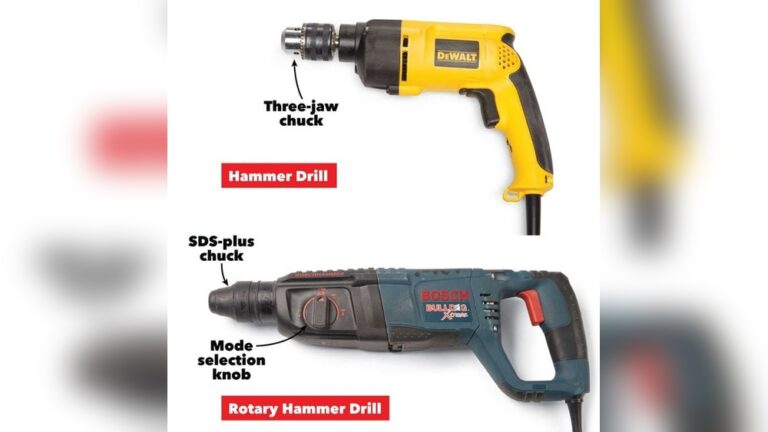
Yes, but you need a hammer drill function for drilling into concrete or masonry. Both Makita and DeWalt offer cordless hammer drills, but DeWalt’s extra power can make masonry drilling easier.

Credit: www.youtube.com
Where Can I Find More Technical Details About These Brands?
For official specifications and the latest product releases, visit the brand websites or trusted sources like Consumer Reports. This helps you compare models with up-to-date, expert information.
Choosing between Makita and DeWalt cordless drills is about matching the tool to your needs. Both brands deliver excellent quality, and with the right knowledge, you’ll make a choice that keeps your projects running smoothly for years to come.