Power Drill Vs Hammer Drill: The Complete Guide to Choosing the Right Tool
If you have ever stood in a hardware store, staring at a wall of power tools, you have probably asked yourself: “What’s the difference between a power drill and a hammer drill?” At first, both tools may look the same, and they often share some basic functions. But when you need to drill into concrete or set screws in wood, the right choice can save you time, effort, and money. This guide will help you understand everything about power drills and hammer drills—from how they work to when you should use each one. If you’re a beginner, don’t worry. We’ll break down the details, share expert tips, and help you avoid common mistakes that many first-time buyers make.
What Is A Power Drill?
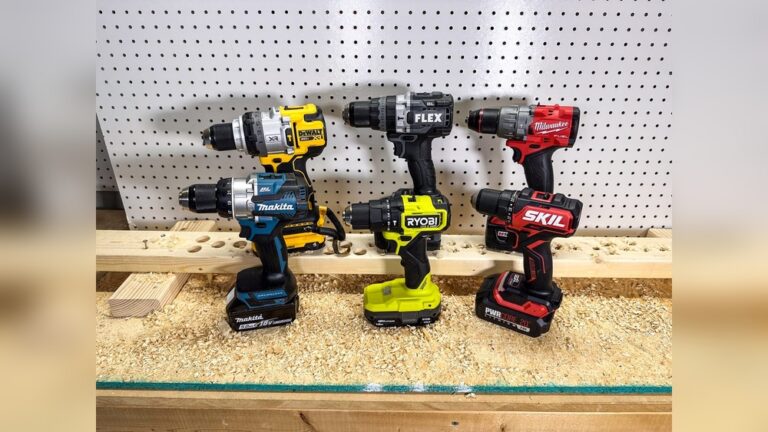
A power drill is one of the most common tools in any toolbox. It uses a spinning motion to drive a drill bit into materials like wood, plastic, or metal. Power drills come in different sizes and styles, including corded and cordless models. The main job of a power drill is to make holes and drive screws.
Most power drills have two basic settings: drilling and screwdriving. You can change the drill bit for different tasks. For example, a twist bit can make holes in wood, while a driver bit can help you put screws into drywall. Power drills are usually light and easy to control, making them perfect for home projects like building shelves, assembling furniture, or hanging pictures.
Common Features Of Power Drills
- Variable speed control: Lets you adjust how fast the bit spins.
- Clutch settings: Helps you avoid stripping screws by stopping when the screw is tight enough.
- Forward/reverse switch: Makes it easy to put in or take out screws.
- Keyless chuck: Allows quick bit changes without extra tools.
Typical Uses
Power drills are best for:
- Drilling holes in wood, metal, and plastic
- Driving screws into furniture or walls
- Light-duty home repairs
- Installing curtain rods or shelves
Tip: Power drills are not ideal for drilling into concrete, stone, or brick. They can do the job in soft materials, but they struggle with hard masonry.
What Is A Hammer Drill?
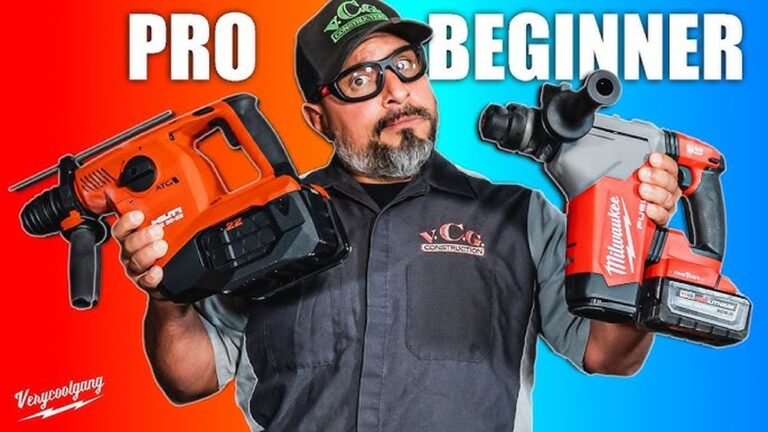
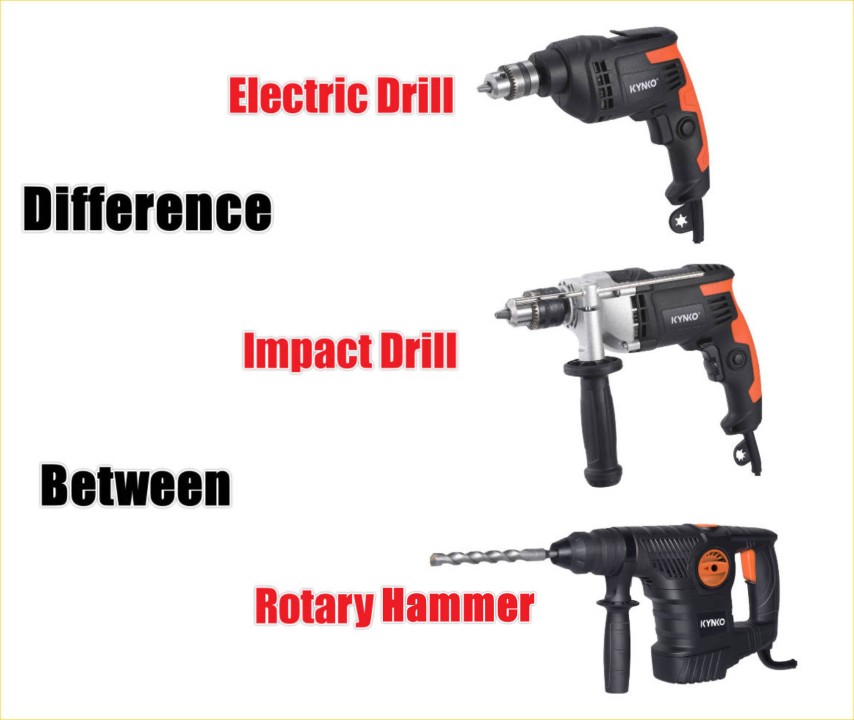
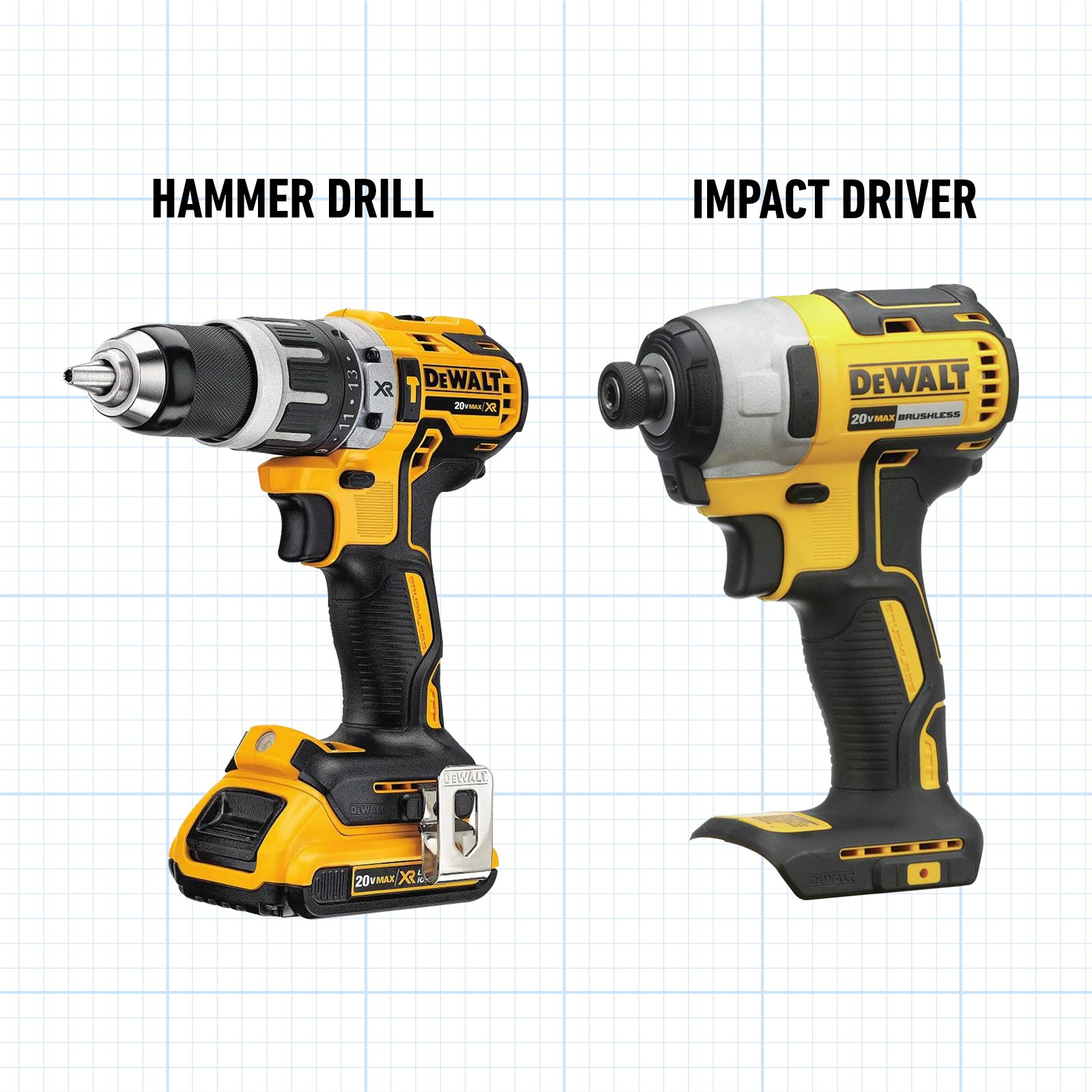
A hammer drill looks a lot like a power drill, but it adds something extra. In addition to spinning, the bit also moves back and forth—like a hammer hitting the drill bit—very quickly. This pounding action helps the drill push through hard surfaces that a regular power drill cannot handle.
Hammer drills are designed for tough jobs. The hammering motion breaks up concrete or brick while the bit drills deeper. You can often switch off the hammer action to use the tool like a regular power drill. This makes it more versatile, but also heavier and louder.
Common Features Of Hammer Drills
- Hammer mode switch: Turn the hammering action on or off.
- Heavy-duty motor: Provides more power for tough materials.
- Depth stop: Lets you control how deep you drill.
- Side handle: Gives better grip and control during heavy work.
Typical Uses
Hammer drills are best for:
- Drilling into concrete, brick, or stone
- Installing anchors for shelves or cabinets in masonry walls
- Mixing materials with special attachments (some models)
- Removing tiles or old mortar (with chisel bits in some cases)
Insight: Many beginners think hammer drills are only for professionals. In reality, if you need to hang something heavy on a concrete wall, a hammer drill is the only practical choice.
Credit: www.servicecore.com
How Do Power Drills And Hammer Drills Work?
Understanding how these tools work helps you choose the right one. While both use a motor to spin a drill bit, their actions are different.
Power Drill Mechanism
A power drill uses a simple motor and gears. When you press the trigger, the motor turns the chuck, which holds the bit. You can adjust the speed and torque (twisting force) to match your task.
Hammer Drill Mechanism
A hammer drill has all the features of a power drill, but adds a special clutch. When you turn on hammer mode, two ridged disks inside the tool slide against each other. This makes the bit move forward and back, creating thousands of hammer blows per minute.
The spinning and hammering together allow the bit to cut through tough materials.
Non-obvious tip: The hammer action only works when you push the drill against the surface. If you don’t apply enough pressure, the hammering effect is weak.
Key Differences: Power Drill Vs Hammer Drill
It’s easy to confuse these tools, but here are the main differences that matter:
| Feature | Power Drill | Hammer Drill |
|---|---|---|
| Motion | Rotational only | Rotational + Hammering |
| Best Use | Wood, metal, plastic | Concrete, brick, masonry |
| Weight | Lighter | Heavier |
| Noise | Quieter | Louder |
| Versatility | High for light tasks | High for tough tasks |
| Cost | Lower | Higher |
Extra insight: Hammer drills are not just for drilling holes. With the right bits, you can even use them to mix paint or break up tile.
When Should You Use A Power Drill?
Choosing between these two tools depends on the job. Power drills are perfect when you need to:
- Drill small holes in wood for furniture assembly or repairs.
- Install shelves or picture frames on drywall.
- Drive screws into soft materials.
- Work in tight spaces where a lighter tool is better.
- Complete tasks that need quiet operation (apartments or shared spaces).
If you mostly work with wood or metal, a power drill is usually enough. It’s faster, lighter, and easier to control for these materials.
Beginner pitfall: Many people try to use a power drill on concrete or brick, only to burn out the motor or break the bit. Always match the tool to the material.
When Should You Use A Hammer Drill?
Hammer drills shine when the work is tough. Use a hammer drill if you need to:
- Drill into concrete, brick, or stone.
- Hang cabinets or heavy shelves on masonry walls.
- Install anchors or bolts in concrete floors.
- Remove old tiles or chisel out mortar (with compatible bits).
- Work on construction or renovation projects with hard materials.
You can turn off the hammering action for simple drilling, but keep in mind that hammer drills are heavier and may tire you out faster.
Pro tip: If you only need to drill a few holes in masonry each year, consider renting a hammer drill instead of buying.
Types Of Power Drills And Hammer Drills
There are several models for each tool, and choosing the right type matters.
Corded Vs Cordless
- Corded drills: Provide steady power and never run out of charge. They are great for long jobs, but you need an outlet and extension cord.
- Cordless drills: Run on batteries. They are portable and easy to use anywhere, but battery life can limit your work time.
Combination Drills
Some modern tools combine both functions. They let you switch between regular drilling and hammer drilling. These “combination drills” can be a good choice if you need flexibility but want only one tool.
Sds Hammer Drills
For even tougher jobs, there are SDS (Slotted Drive System) hammer drills. These are bigger, more powerful, and often used by professionals. They use special bits that lock in place for heavy-duty demolition or drilling.
Common mistake: Don’t buy an SDS hammer drill for small home tasks. They are overkill for simple jobs and can damage delicate materials.
Drill Bits: The Key To Success
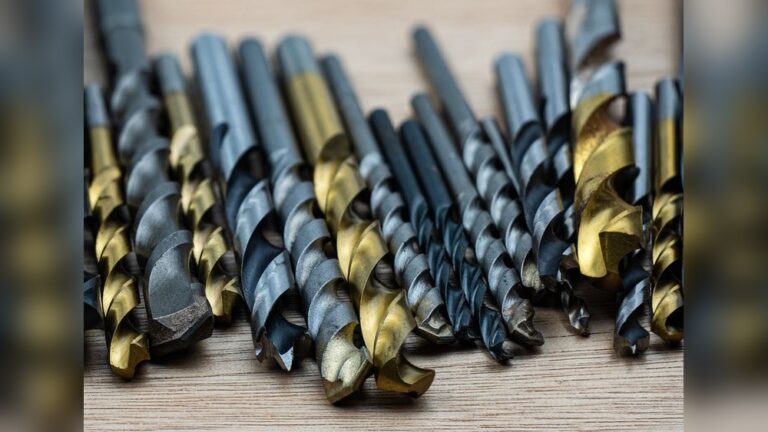
A tool is only as good as the bit you use. Using the wrong bit can ruin your project or your tool.
Power Drill Bits
- Twist bits: For wood, metal, plastic.
- Brad point bits: For clean holes in wood.
- Spade bits: For large holes in wood.
- Driver bits: For screws.
Hammer Drill Bits
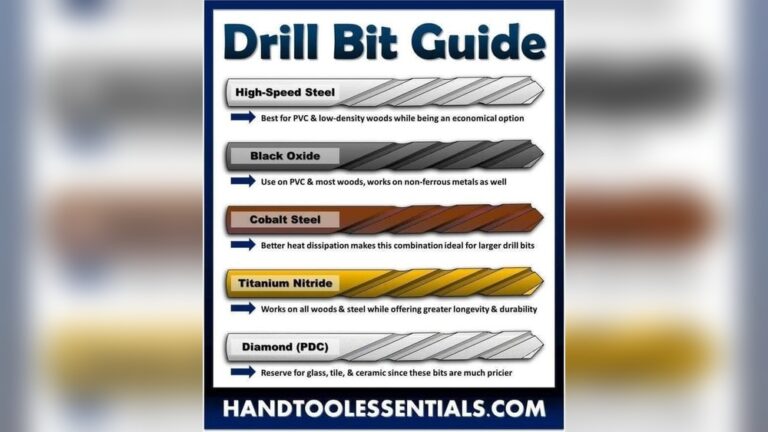
- Masonry bits: Designed for concrete, brick, or stone. They have a carbide tip that withstands hammering.
- SDS bits: For SDS hammer drills only.
Important insight: Never use a regular wood or metal bit in hammer mode. It will break quickly and can damage the drill.
Safety Tips For Both Tools
Drills are powerful machines. Here’s how to stay safe:
- Wear safety glasses to protect your eyes from flying debris.
- Use the right bit for the material to avoid accidents.
- Check the battery or cord for damage before use.
- Keep hands away from the spinning bit.
- Start slow then increase speed as needed.
- Secure your workpiece with clamps if possible.
Non-obvious safety tip: If drilling overhead, stand to the side. Falling dust or debris can injure your face or eyes.
Pros And Cons: Power Drill
Every tool has strengths and weaknesses. Here’s a quick look at power drills:
Pros:
- Light and easy to handle
- Great for wood, metal, and soft materials
- Less expensive
- Quiet operation
Cons:
- Not strong enough for masonry
- Can overheat with heavy use
- Limited by battery life (cordless models)
Credit: www.familyhandyman.com
Pros And Cons: Hammer Drill
Hammer drills bring extra muscle, but they are not always the best choice.
Pros:
- Can drill into concrete, brick, or stone
- Versatile (hammer mode can be turned off)
- Good for heavy-duty jobs
Cons:
- Heavier and louder
- More expensive
- Can damage delicate materials if used wrong
Power Drill Vs Hammer Drill: Real-life Scenarios
Let’s look at a few common situations:
- Building a bookshelf: A power drill is perfect. You don’t need hammer action, and the tool is light enough for long use.
- Hanging a TV on a concrete wall: You need a hammer drill. A power drill will not penetrate the concrete without damaging the bit or motor.
- Assembling flat-pack furniture: A power drill makes driving screws fast and easy.
- Installing outdoor lighting on a brick wall: Hammer drill wins. Masonry is too tough for a regular drill.
Expert tip: For most homeowners, a good power drill does 80% of the jobs around the house. Only choose a hammer drill if you plan to work with concrete or brick often.
Cost Comparison
Price can be a big factor for many people.
| Type | Entry-Level Price | Professional Price |
|---|---|---|
| Power Drill | $40 – $80 | $100 – $200+ |
| Hammer Drill | $70 – $150 | $200 – $350+ |
Cost-saving tip: If you only need to drill masonry once or twice a year, borrowing or renting a hammer drill is often cheaper.
Maintenance And Longevity
Both tools need care to last long.
- Clean after use. Dust and debris can damage the motor.
- Store in a dry place. Moisture causes rust and electrical issues.
- Check bits often. Dull or bent bits make the motor work harder.
- Charge batteries regularly (for cordless models).
Beginner mistake: Storing a drill with a bit still in the chuck can make it hard to remove later. Always remove bits after use.
Environmental Impact
Power tools use electricity and batteries. Cordless drills with lithium-ion batteries can last for years, but batteries must be recycled properly when they die. Some brands offer recycling programs. Corded models use less battery waste, but require power from the grid.
Sustainability tip: Choose tools from companies that offer battery recycling and use efficient motors. This reduces your environmental footprint.
Which One Should You Buy?
Here’s a simple guide to help you choose:
- Buy a power drill if you:
- Work mostly with wood, metal, or plastic
- Need a tool for everyday repairs or projects
- Prefer a lightweight, easy-to-use tool
- Buy a hammer drill if you:
- Drill into concrete, brick, or stone often
- Need extra power for home renovation or construction
- Want a tool that can handle both light and heavy tasks
Advanced insight: Some hammer drills now include brushless motors, which last longer and deliver more power. If you plan to use your tool often, look for this feature.
Expert Tips For First-time Buyers
- Test the grip. A comfortable grip reduces fatigue and improves safety.
- Check the chuck size. Most home projects need 3/8-inch or 1/2-inch chucks.
- Compare battery systems. If you buy cordless, stick with one battery brand for all your tools.
- Read the warranty. A longer warranty can save money if something breaks.
- Ask about after-sales service. Good brands have local repair centers.
Common Myths And Mistakes
- Myth: Hammer drills are only for professionals. (Truth: Even beginners can use them safely with the right bit.)
- Myth: Power drills can do everything. (Truth: They can’t handle masonry.)
- Mistake: Using the wrong bit damages both the tool and the material.
- Mistake: Not using enough pressure with a hammer drill reduces the hammering effect.
Extra Features Worth Considering
Modern drills include features that make work easier:
- Built-in LED light: Helps see in dark corners.
- Belt clip: Keeps the tool handy.
- Battery indicator: Shows when to recharge.
- Quick-charge system: Reduces downtime.
These features aren’t must-haves, but they do improve the user experience.
Power Drill And Hammer Drill: Which Brands Are Best?
Some well-known brands consistently make quality tools:
- DeWalt
- Makita
- Bosch
- Milwaukee
- Black+Decker
It’s smart to choose a brand with good customer support, available parts, and battery compatibility across tools. For more on top brands, see this Wikipedia page about power drills.

Credit: www.youtube.com
Frequently Asked Questions
What Is The Main Difference Between A Power Drill And A Hammer Drill?
A power drill spins the bit to drill holes in wood, metal, or plastic. A hammer drill adds a pounding action, allowing it to drill into hard materials like concrete and brick.
Can I Use A Hammer Drill As A Regular Drill?
Yes. Most hammer drills allow you to turn off the hammer action and use them as a normal drill for wood or metal. However, they are heavier and may be harder to control for delicate tasks.
Do I Need Special Bits For Hammer Drills?
You must use masonry bits for hammer drilling into concrete or brick. Regular bits can break under the pounding action. Always check the bit is rated for hammer use.
Which Drill Is Better For Home Use?
If you mostly work with wood, plastic, or light metal, a power drill is usually better. If you plan to drill into concrete or masonry, you need a hammer drill.
Is A Hammer Drill Too Powerful For Beginners?
Not if you use it correctly. Start slow, use the right bit, and let the tool do the work. Many hammer drills are designed with safety features for new users.
When you understand what each tool does, making the right choice becomes much easier. Remember, the best tool is the one that matches your project needs, not just the one with more features or power. With this knowledge, your next drilling project will be faster, safer, and more successful.