When you start a project that needs drilling—like building furniture, installing metal fixtures, or fixing cars—the drill bit you choose matters. The right bit saves time, keeps your tools safe, and helps you avoid mistakes. Two popular types are cobalt drill bits and titanium drill bits. Both are strong, but they are not the same. If you pick the wrong one, you may waste money, break your tools, or ruin your workpiece.
Many people think all metal drill bits work the same way. But each material has its own strengths and weaknesses. Some bits are better for hard metals, others are good for speed or long life. If you want the best results, you need to understand how cobalt and titanium bits compare.
This guide will help you decide which type fits your needs, budget, and skill level.
What Are Cobalt Drill Bits?
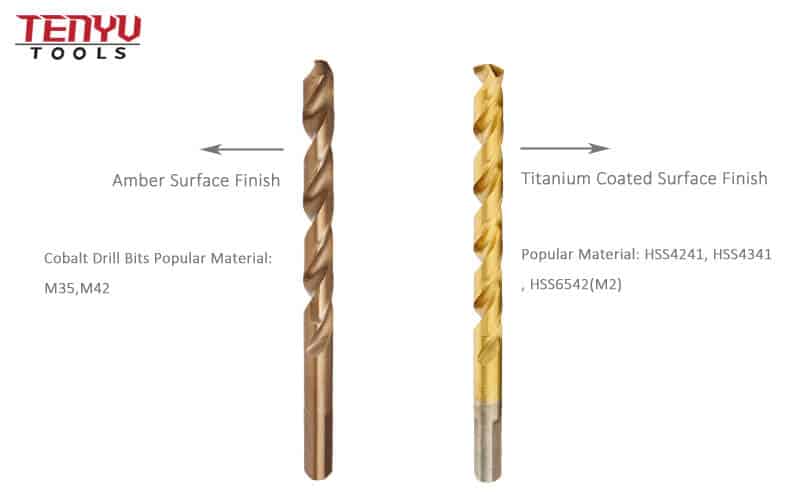
Cobalt drill bits are made with a special steel alloy. The most common blend is high-speed steel (HSS) mixed with about 5% to 8% cobalt. This cobalt is not just on the surface—it’s part of the metal throughout the bit. That makes these bits strong and able to handle tough jobs.
Cobalt bits are made for drilling into hard metals like stainless steel, cast iron, and titanium alloys. They handle heat well, so they don’t lose their sharpness quickly. When you drill hard materials, the bit gets hot. If the metal can’t stand the heat, it gets soft and dull. Cobalt bits resist this problem.
Some facts about cobalt bits:
- They are usually gold or bronze in color.
- The cobalt content makes them more brittle than standard steel bits, but also much harder.
- They stay sharp longer when drilling tough metals.
What Are Titanium Drill Bits?
Titanium drill bits are made from high-speed steel (HSS) and then coated with titanium nitride (TiN) or other titanium compounds. This coating is only on the surface, not mixed into the metal. The titanium coating gives the bit a smooth, hard outer layer.
Titanium bits are designed for general-purpose drilling. They work well in wood, plastic, and softer metals like aluminum. The coating lowers friction, so the bit cuts faster and stays sharp longer. However, the coating can wear off over time. Once the coating is gone, the bit behaves like a standard HSS bit.
Key points about titanium bits:
- They usually have a bright gold finish.
- The coating improves durability and speed.
- They are less expensive than cobalt bits.
Credit: www.tenyutool.com
How Do Cobalt And Titanium Drill Bits Compare?
Let’s look at the main differences. This will help you see why you might choose one over the other.
| Feature | Cobalt Drill Bits | Titanium Drill Bits |
|---|---|---|
| Material | HSS alloyed with cobalt (5-8%) | HSS with titanium coating |
| Durability | Very high (especially for hard metals) | Good (best for softer materials) |
| Heat Resistance | Excellent | Moderate |
| Sharpness | Stays sharp longer | Sharp until coating wears off |
| Price | Higher | Lower |
| Best Use | Hard metals (steel, cast iron) | Wood, plastic, soft metals |
| Can Be Resharpened | Yes | Yes, but coating will be lost |
Cobalt Drill Bits: Detailed Features
Cobalt bits are built for demanding jobs. Here are their most important qualities:
Extreme Hardness
The cobalt alloy makes these bits very hard. They can cut through metals that regular bits cannot. For example, if you need to drill stainless steel, a cobalt bit is the best choice. This hardness means the bit stays sharp longer, even with tough use.
High Heat Resistance
Drilling generates heat. If the bit gets too hot, it loses sharpness. Cobalt bits can handle temperatures up to 1100°F (593°C). This prevents damage and keeps performance steady. For jobs that take a long time or need lots of pressure, cobalt bits are reliable.
Long Life Span
Because cobalt bits resist both heat and wear, they last much longer than regular HSS or coated bits. This means you spend less time changing bits, less money on replacements, and more time working.
Best For Hard Metals
Cobalt bits are made for drilling stainless steel, cast iron, nickel alloys, and other hard metals. They are not ideal for wood or plastic, as their hardness may cause them to break or chip if not handled carefully.
Brittle Nature
One thing to remember: cobalt bits are hard but brittle. If you use too much force or drill at the wrong angle, they can snap. This is a common mistake for beginners. Always keep the drill steady and use the right speed.
Titanium Drill Bits: Detailed Features
Titanium bits are more versatile and beginner-friendly. Here is what makes them unique:
Titanium Coating
The titanium coating is applied over HSS. The most common is titanium nitride (TiN), but there are others like titanium carbonitride (TiCN) and titanium aluminum nitride (TiAlN). This coating makes the surface hard and slick.
Faster Drilling
Titanium bits cut faster because the coating reduces friction. This means you can drill holes quickly in wood, plastic, or aluminum. The coating also helps keep the bit cool, so it does not dull as fast.
Affordable Price
Titanium bits cost less than cobalt bits. This makes them a good choice for light, everyday jobs. If you need to drill many holes in soft materials, titanium bits are a smart buy.
Good For Soft Materials
Titanium bits are best for wood, plastic, and aluminum. They can handle thin sheet metal but struggle with thick or hard metals. The coating is not strong enough for tough jobs.
Coating Wears Off
After repeated use, the titanium coating wears away. When this happens, the bit performs like a regular HSS bit. If you try to resharpen the bit, you remove the coating even faster.
Which Drill Bit Is Better For Your Project?
Choosing between cobalt and titanium depends on your job. Here are some examples to help you decide:
- Drilling Stainless Steel: Always use cobalt bits. Titanium bits will dull quickly.
- Working With Wood: Titanium bits are faster and cheaper.
- Making Holes in Aluminum: Titanium bits work well, but cobalt bits will last longer.
- Heavy-Duty Metal Fabrication: Cobalt bits are designed for this.
- DIY Home Repairs: Titanium bits are good for most jobs unless you need to drill hard metal.
Beginners often make a mistake by using titanium bits for hard metals. This causes them to wear out fast and waste money. If you plan to work with tough materials, invest in cobalt bits.

Credit: eldoradotools.com
Cost And Value Comparison
Let’s compare the typical prices and value you get from each type.
| Drill Bit Type | Average Price (per bit) | Expected Life (in hard metal) | Expected Life (in soft material) |
|---|---|---|---|
| Cobalt | $4 – $10 | 100+ holes | 150+ holes |
| Titanium | $2 – $6 | 10-30 holes | 100+ holes |
The numbers above are averages. Actual life depends on your drilling speed, the material, and how you cool the bit. If you drill slowly and use cutting oil, bits last longer.
Durability And Maintenance
Durability is not just about hardness. It’s also about how you care for your bits.
Cobalt Drill Bits
- Can be resharpened many times. Since the cobalt is throughout the bit, sharpening does not remove the main benefit.
- Require careful handling because they are brittle.
- Last longer in tough jobs.
Titanium Drill Bits
- Can be resharpened, but lose their coating. After sharpening, they become regular HSS bits.
- Not brittle, so they are less likely to snap.
- Last longer in soft jobs.
If you want a bit that will last for years with hard materials, go for cobalt. If you want to save money and drill mostly wood or plastic, titanium is a good choice.
Real-world Examples And Mistakes
Many beginners buy titanium bits for drilling steel, thinking the coating will help. But the coating wears off quickly when used on hard metals. After just a few holes, the bit will dull and may even burn out.
Another mistake is using a cobalt bit for wood. The bit is so hard that it may chip or break if you drill too fast. Always match the bit to the material.
A third example: in car repair, mechanics often drill out broken bolts. Stainless steel bolts are tough. If you use a titanium bit, it will fail. A cobalt bit can handle the job, even if you need to drill multiple holes.
Resharpening Tips
Proper sharpening is important. Here’s how you can do it:
- Cobalt bits: Use a bench grinder. Keep the angle the same as the original (usually 118° or 135°). Go slow to avoid overheating.
- Titanium bits: Sharpen as you would HSS bits. But remember, sharpening removes the coating. Only sharpen if you need to finish a project and don’t mind losing the coating.
If you are not sure about sharpening, it’s better to buy new bits. Poor sharpening can ruin the bit and make holes uneven.
Safety And Handling
Safety is often overlooked. Here are some practical tips:
- Wear eye protection when drilling.
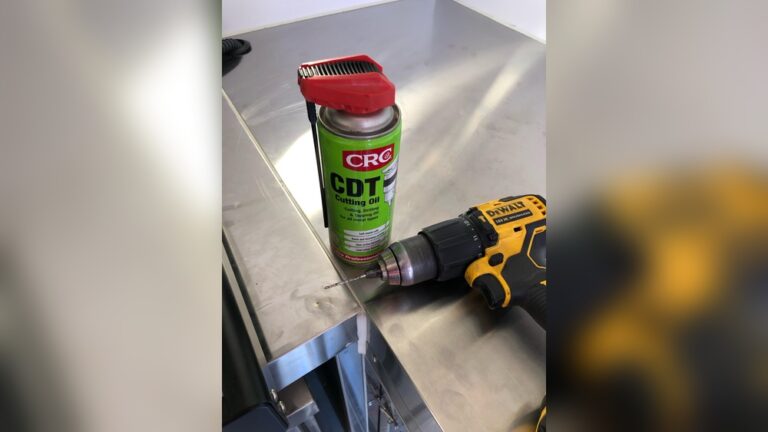
- Use cutting oil for metal drilling. It reduces heat and keeps the bit sharp.
- Keep the drill steady. Wobbling can snap cobalt bits.
- Start with a pilot hole for large holes. This makes drilling easier and prevents damage.
Most injuries come from bits snapping or slipping. Take your time and follow these steps.
Environmental Impact
Both cobalt and titanium bits have some impact on the environment.
- Cobalt mining is energy-intensive and can be harmful if not managed well.
- Titanium coating uses chemicals and energy but is less damaging overall.
If you want to reduce waste, choose bits that last longer. Cobalt bits need fewer replacements, so they create less waste. Proper maintenance also helps.
Industry Use Cases
Cobalt bits are used in:
- Aerospace: Drilling titanium and nickel alloys for aircraft parts.
- Automotive: Drilling hardened steel bolts and engine blocks.
- Metal fabrication: Cutting thick steel sheets.
Titanium bits are used in:
- Woodworking: Making clean holes in wood furniture.
- Construction: Drilling holes for wiring or pipes in drywall and wood.
- DIY projects: General drilling in soft materials.
If you work in an industry that needs strong, precise holes in metal, cobalt bits are the standard. For everyday projects, titanium bits are more common.
Buying Tips And Common Mistakes
When you buy drill bits, here are the things to check:
- Material: Make sure you know if the bit is cobalt alloy or just titanium coated.
- Brand: Good brands make bits that last longer. Cheap bits may not have the correct alloy or coating.
- Size: Buy sets with sizes you need. Avoid sets with dozens of sizes you never use.
Common mistakes:
- Buying titanium bits for steel, then having them fail.
- Using cobalt bits for soft materials, risking breakage.
- Not checking the coating type (TiN, TiCN, TiAlN). Each has different properties.
If you’re unsure, ask store staff or check trusted reviews.
How To Identify Drill Bits
Sometimes, you need to tell which bit you have. Here’s how:
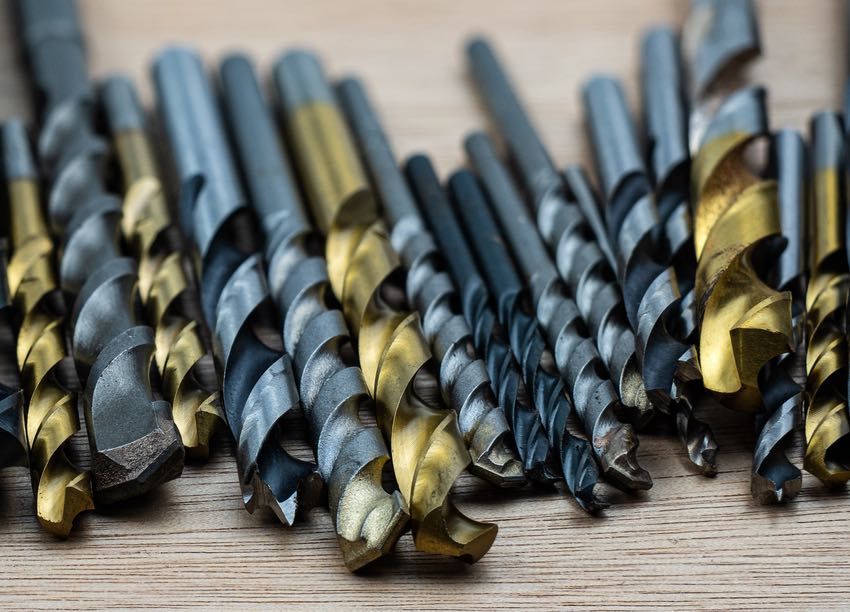
- Cobalt bits: Usually gold or bronze, heavier, and may have “M35” or “M42” stamped (the alloy grade).
- Titanium bits: Bright gold, lighter, smooth finish. May have “TiN” or “Titanium” stamped.
If you can’t tell, search the brand’s website for product details.
Advanced Comparison: Coating Types
Titanium bits use different coatings. Here’s what they mean:
| Coating Type | Color | Best Use | Hardness |
|---|---|---|---|
| Titanium Nitride (TiN) | Gold | Wood, plastic, soft metals | Hard |
| Titanium Carbonitride (TiCN) | Blue-gray | Harder metals, plastics | Very Hard |
| Titanium Aluminum Nitride (TiAlN) | Purple/gray | High-speed drilling, tough metals | Extreme Hardness |
Most home drill bits use TiN. If you see TiCN or TiAlN, they are for specialized jobs.
Expert Insights: What Beginners Often Miss
- Drill speed matters: If you spin the bit too fast, it gets hot and dulls quickly. For hard metals, use slow speed and high pressure.
- Cutting oil increases bit life: Many beginners skip using oil, but it keeps bits cool and sharp.
- Pilot holes prevent breakage: If you drill a large hole directly, the bit can grab and snap. Start with a small hole first.
Should You Invest In Both Types?
If you do a variety of jobs, having both cobalt and titanium bits is smart. Use cobalt for metal, titanium for wood and plastic. You’ll save money and time, and your tools will last longer.
Some professionals keep a few cobalt bits for emergencies. For example, if a titanium bit fails, they switch to cobalt to finish the job.
Credit: www.protoolreviews.com
Where To Learn More
For deeper information on drill bit materials and coatings, you can read technical guides or visit official sites. One reliable resource is Wikipedia.
Frequently Asked Questions
What Is The Main Difference Between Cobalt And Titanium Drill Bits?
The main difference is the material. Cobalt drill bits are made from steel alloyed with cobalt, which makes them strong and heat-resistant. Titanium drill bits are HSS bits coated with titanium compounds, which improve speed and durability but wear off over time.
Can I Use Cobalt Drill Bits For Wood?
You can, but it’s not recommended. Cobalt bits are very hard and brittle. They may break if used on soft materials like wood, especially if drilling quickly or at an angle.
How Long Do Titanium Drill Bits Last?
Titanium bits last longer than standard HSS bits in soft materials (wood, plastic, aluminum). In hard metals, the coating wears off quickly, and the bit may dull after a few holes.
Are Cobalt Drill Bits Worth The Extra Cost?
Yes, if you need to drill hard metals like stainless steel or cast iron. They last much longer and stay sharp. For soft materials, titanium bits are more cost-effective.
Can I Resharpen Titanium Drill Bits?
Yes, but sharpening removes the titanium coating. After sharpening, the bit acts like a normal HSS bit and loses its special advantages.
Choosing the right drill bit makes your work easier and keeps your tools safe. By understanding the differences and following the advice above, you can avoid mistakes and get the best results for your projects. Whether you are a beginner or a pro, the right choice means smoother work and less frustration.