Makita 18V Drill Vs Dewalt 20V: A Detailed Comparison for Smart Buyers
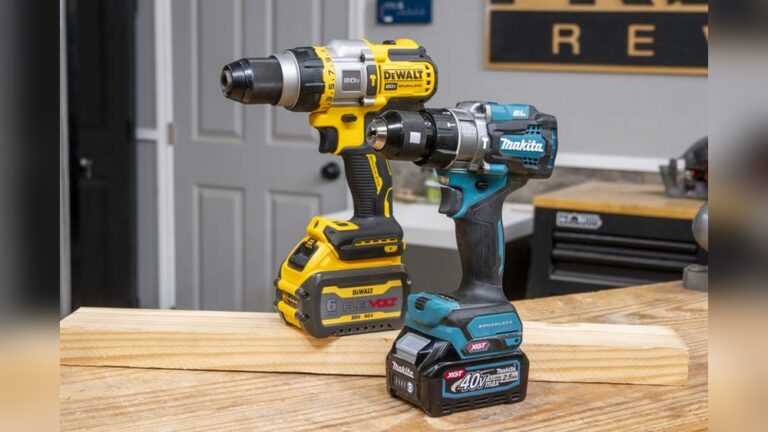
Choosing between the Makita 18V drill and the Dewalt 20V drill is not just about picking a color or a brand name. Both are top sellers, trusted by professionals and DIY users around the world. But when you look closer, you’ll find real differences in power, design, battery system, and even how each feels in your hand. If you’re planning to buy a cordless drill, this decision will impact your work for years.
Many people think “18V vs 20V” means one is stronger. But the truth is more complex. Marketing, battery chemistry, and hidden features all play a role. In this guide, you’ll get a clear, fair, and deep look at both tools.
I’ll highlight what matters most, share practical examples, and point out details beginners often miss. By the end, you’ll know exactly which drill fits your needs—and avoid costly mistakes.
What Do “18v” And “20v” Really Mean?
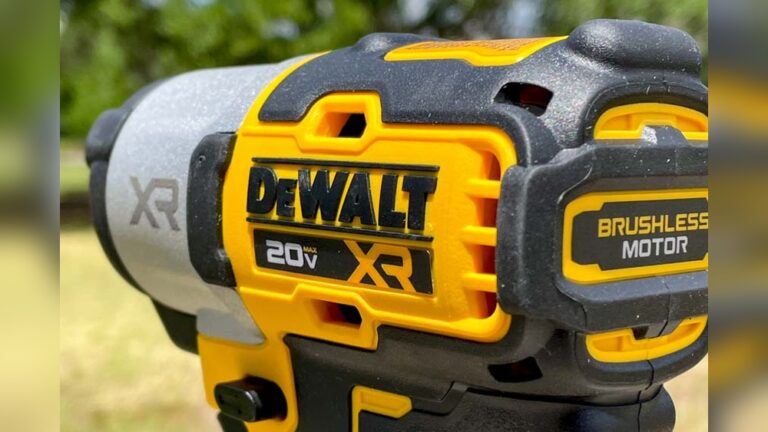
It’s easy to think the Dewalt 20V drill is more powerful than the Makita 18V drill just because of the numbers. But that’s not the real story.
Both brands use lithium-ion batteries with cells that have a nominal voltage of about 3.6 volts each. If you multiply that by five cells, you get 18 volts. Dewalt calls its system “20V Max” because, when fully charged, the battery briefly hits 20 volts before settling down to its working voltage—18 volts. Makita simply uses the nominal (normal working) voltage.
So, in day-to-day use, Makita 18V and Dewalt 20V Max are almost the same voltage. The numbers are more about marketing than about real, practical power.
Key Specs: Side-by-side Breakdown
To make things clear, let’s look at the most common models from each brand:
- Makita 18V LXT Drill/Driver (e.g., XFD10R, XFD131)
- Dewalt 20V Max Drill/Driver (e.g., DCD771C2, DCD780C2)
Here’s a direct comparison:
| Feature | Makita 18V LXT | Dewalt 20V Max |
|---|---|---|
| Battery Voltage | 18V (nominal) | 20V Max (18V nominal) |
| Max Torque | ~480 in-lbs | ~530 in-lbs |
| Speed Settings | 2 | 2 |
| Max RPM | 1,900 | 1,500 |
| Weight (with battery) | ~3.8 lbs | ~3.6 lbs |
| Chuck Size | 1/2” keyless | 1/2” keyless |
| LED Light | Yes | Yes |
You can see both drills are close in most areas, but there are small differences in torque, speed, and weight. These small differences can matter if you use your drill often or for tough jobs.
Performance In Real-life Tasks
Power And Torque
When you’re driving large screws or drilling into tough materials, torque (twisting force) matters most. Dewalt’s 20V Max models often have a bit more torque than Makita’s standard 18V drills—around 10-15% higher in many tests. This means Dewalt can sometimes handle larger screws or denser woods with less effort.
However, Makita’s drills usually have a higher maximum RPM (rotations per minute). This means they can drill faster through softer materials. For example, if you’re drilling many holes in pine or drywall, Makita may finish the job a bit quicker.
Non-obvious insight: Torque is not everything. The way the drill delivers that power—smoothly or in bursts—can affect how easy it is to control, especially for beginners.
Battery Life And Charging
Both Makita and Dewalt use lithium-ion batteries, but their designs are not interchangeable. Most standard kits come with 1.5Ah or 2.0Ah batteries, but both brands offer bigger batteries up to 5.0Ah or more.
- Makita’s batteries often charge faster, sometimes in just 25-30 minutes for a 2.0Ah pack, thanks to their Rapid Optimum Charger.
- Dewalt’s batteries may take 35-45 minutes for a similar size.
For most DIY jobs, this time difference is not critical. But if you’re doing all-day work, Makita’s faster charging can keep you moving with less downtime.
Pro tip: Both brands use battery packs that work with many other tools in their system—drills, saws, impact drivers, and more. If you already own other Makita or Dewalt tools, staying within the same battery platform can save you money.
Ergonomics And Handling
A drill should feel balanced and comfortable in your hand. Makita is famous for its lightweight designs and slim grip. Many users with smaller hands or who work overhead all day prefer Makita for this reason. The rubber over-mold and weight distribution reduce fatigue.
Dewalt, on the other hand, often feels a bit heavier and more solid. The handle is slightly thicker, which some people with larger hands prefer. Dewalt’s grip angle can make it easier to apply force in tough drilling situations, like driving long screws into hardwood.
Beginner’s mistake to avoid: Don’t choose only by specs—hold each drill in your hand if you can. The most comfortable tool is the one you will use best.
Clutch Settings And Precision
Both drills have adjustable clutch settings, which let you control how much force is applied before the drill stops turning. This protects your screws and material from damage.
- Makita usually offers more clutch positions (16-21), allowing for finer adjustment, especially for delicate tasks like cabinetry or electronics.
- Dewalt typically has 15 settings on its basic models, which is enough for most jobs.
For most users, both offer enough control, but if you do a lot of precision work, Makita’s extra settings can help.
Durability And Build Quality
Both brands are known for long-lasting tools, but there are differences in how they are built.
- Makita drills often use all-metal gears and have excellent sealing against dust and water (look for their XPT—Extreme Protection Technology). This makes them a favorite for people working in harsh conditions.
- Dewalt drills are also rugged, with tough housings and strong chucks. Dewalt sometimes uses more metal in the gearbox, which adds weight but can improve durability under heavy use.
In drop tests and jobsite reviews, both hold up well, but Makita tends to stay lighter and less bulky, while Dewalt may survive more abuse.
Hidden detail: Makita’s “star protection” in the battery pack helps prevent overloading and overheating, which can extend battery and tool life—especially if you sometimes push your tools hard.
Features That Matter (and Some That Don’t)
Led Work Lights
Both Makita and Dewalt drills have built-in LED lights just above the trigger. This helps you see in dark corners or inside cabinets. Dewalt’s light sometimes stays on for 20 seconds after you release the trigger, which is useful if you need to check your work. Makita’s light usually turns off as soon as you let go.
Belt Clips And Bit Holders
Makita often includes a belt clip and a side-mounted bit holder. These small features are a big help if you’re climbing ladders or working overhead. Dewalt sometimes includes a belt hook, but not always a bit holder. Small details like these can speed up your workflow.
Brushless Vs. Brushed Motors
Both brands offer brushless motor versions (for more power and longer life), as well as cheaper brushed motor options. Brushless drills cost more but run cooler, last longer, and use less battery power.
If you plan to use your drill a lot, or for heavy work, a brushless model is worth the extra money. If you need a drill only for light, occasional jobs, a brushed model will be enough.
Noise And Vibration
Makita drills are known to run more quietly and with less vibration than many competitors. This can make a long day of work less tiring. Dewalt drills, especially the high-torque models, can feel a bit rougher and louder, but still within normal range for power tools.
Price And Value For Money
The price for both Makita and Dewalt starter kits (drill, charger, two batteries, case) is usually between $100 and $160 USD, depending on features and sales. Brushless models are $30–$50 more.
Makita kits may include a faster charger and sometimes a better-quality carry bag. Dewalt kits often have a more rugged case, but batteries may be smaller (1. 3Ah instead of 1. 5Ah or 2. 0Ah).
Non-obvious insight: Watch out for “bare tool” deals—sometimes a drill is sold without batteries or charger at a low price. Make sure you’re comparing full kits if you don’t already own batteries.
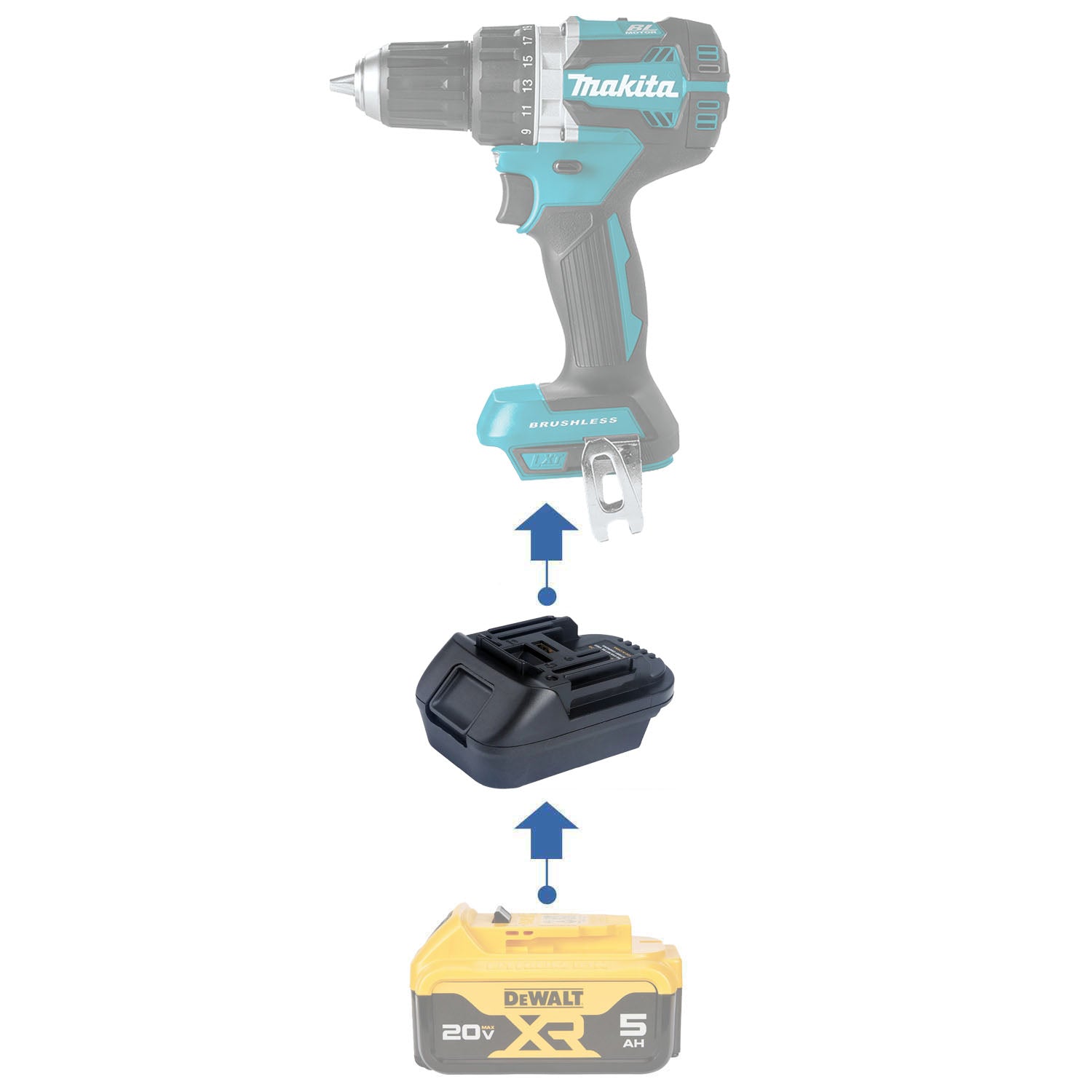
Credit: powertoolsadapters.com
Warranty And Customer Support
- Makita offers a 3-year limited warranty on tool and battery.
- Dewalt gives a 3-year limited warranty, plus a 1-year free service contract, and a 90-day money-back guarantee.
Both brands have strong reputations for customer service, but Dewalt’s extra “free service” year can be valuable if you use your drill daily or in a business.
Accessory Ecosystem
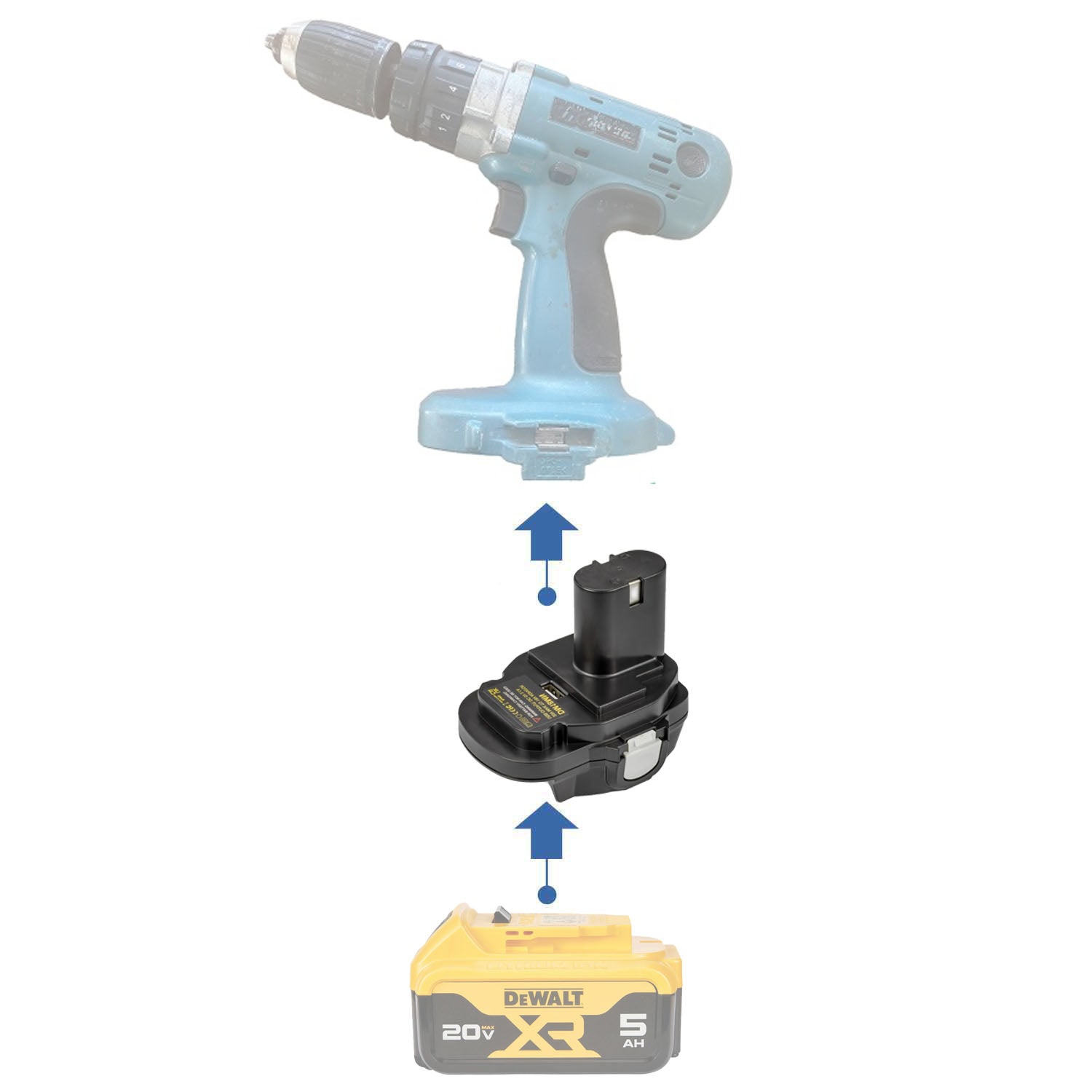
Makita’s LXT battery platform powers over 275 tools, from drills to lawnmowers. Dewalt’s 20V Max system supports more than 200 tools. If you plan to buy other cordless tools in the future, this ecosystem can save you a lot of money on batteries and chargers.
Example: If you already own a Dewalt 20V Max impact driver, buying a Dewalt drill “bare tool” (no battery) can save you $30–$50.
Credit: powertoolsadapters.com
Real-world User Experiences
Thousands of users have shared their opinions online and in stores. Here’s a summary of the most common feedback:
Makita 18v Drill
- Lightweight and easy for long jobs
- Very reliable and rarely overheats
- Fast charging saves time on busy days
- Great for delicate work (furniture, cabinets)
- Some users wish it had a bit more raw power for large lag bolts
Dewalt 20v Drill
- Strong torque for heavy-duty jobs
- Feels sturdy and rugged
- Good grip for larger hands
- Batteries last a long time
- Some find it heavier for overhead work or long sessions
Hidden detail: Many pros own both brands. For tasks like hanging drywall, they grab the Makita. For deck building or drilling concrete, they reach for Dewalt.
Which Should You Choose? Decision Guide
If you’re still unsure, use this quick guide:
- Choose Makita 18V if:
- You want a lighter drill for long or overhead work.
- You do a lot of precise jobs (cabinetry, electronics, crafts).
- Fast charging and less vibration matter to you.
- You have small hands or prefer a slim grip.
- Choose Dewalt 20V if:
- You need more torque for heavy construction.
- You have larger hands or want a solid grip.
- You want a rugged tool for tough jobsites.
- You already own other Dewalt 20V Max tools.
Pro tip: If possible, visit a store and hold both drills. Comfort and balance are personal—what feels best in your hand may surprise you.
Data Table: Feature Comparison Overview
To help you compare quickly, here’s another look at the key differences:
| Feature | Makita 18V LXT | Dewalt 20V Max |
|---|---|---|
| Torque | ~480 in-lbs | ~530 in-lbs |
| Max RPM | 1,900 | 1,500 |
| Weight | ~3.8 lbs | ~3.6 lbs |
| Battery Charge Time | 25-30 min | 35-45 min |
| Clutch Settings | 16-21 | 15 |
| Motor Type | Brushed/Brushless | Brushed/Brushless |
| Warranty | 3 years | 3 years + 1 yr service |
Common Buyer Mistakes To Avoid
- Choosing by voltage numbers alone. As explained, “18V” and “20V Max” are almost the same in real use.
- Ignoring comfort and balance. Specs are important, but if the drill is too heavy or awkward, you won’t use it.
- Buying more power than you need. Higher torque is great, but most home tasks don’t require it. Sometimes, a lighter, faster drill is better.
- Not checking battery compatibility. If you already own other Makita or Dewalt tools, stick with that system to save money.
- Overlooking the charger speed. If you work all day, a fast charger makes a big difference.
How To Get The Most From Your Drill
- Use the right clutch setting for each job to avoid stripping screws.
- Keep batteries charged but don’t leave them plugged in all the time.
- Clean the chuck and vents to extend tool life.
- Store in a dry place to avoid rust and battery damage.
- Use manufacturer’s accessories for best fit and safety.
Hidden detail: If you feel your drill getting hot, let it cool down before swapping batteries. This protects both the motor and the battery pack.
Accessories Worth Having
Both Makita and Dewalt offer a huge range of drill bits, extra batteries, and storage solutions. Some popular add-ons include:
- Right-angle drill attachments for tight spaces.
- Flexible shaft drivers for hard-to-reach screws.
- Magnetic bit holders for quick changes.
- Extra batteries (look for 3.0Ah or 5.0Ah for longer run time).
Environmental And Safety Considerations
Both brands are working on greener manufacturing and recycling programs for lithium-ion batteries. Always recycle old batteries at an approved center.
For safety:
- Always wear eye protection when drilling.
- Don’t wear loose clothing that can catch in the tool.
- Make sure your workpiece is secured before drilling.
When To Upgrade To A More Powerful Tool
If you find yourself regularly drilling into concrete, masonry, or using large hole saws, neither standard Makita 18V nor Dewalt 20V drills are enough. Consider a hammer drill or an impact driver for these heavy-duty jobs. Both brands offer these options, often using the same battery packs.
External Resources
For deeper technical details on lithium-ion batteries and power tool systems, check out this Wikipedia article on lithium-ion batteries.
Frequently Asked Questions
Which Drill Has More Real Power: Makita 18v Or Dewalt 20v?
In daily use, both offer similar power. Dewalt may have slightly higher torque, but Makita drills often spin faster. The “20V” label is mostly marketing—both use batteries with the same working voltage.
Can I Use Dewalt Batteries In A Makita Drill?
No, Dewalt and Makita batteries are not compatible. Each brand uses a unique battery shape and connection system. Always use the correct battery for your tool.
Which Drill Is Better For Beginners?
Makita’s lighter weight and slim grip make it a bit easier for beginners, especially for long or overhead jobs. Dewalt’s extra torque is helpful for heavy-duty tasks, but may not be needed for home projects.
How Long Do The Batteries Last On Each Drill?
With typical use, both Makita and Dewalt 2. 0Ah batteries can drive 200–300 screws per charge. Bigger batteries last longer but add weight. Battery life also depends on job difficulty and temperature.
Is Brushless Worth The Extra Money?
Yes, if you use your drill often or for heavy work. Brushless motors last longer, run cooler, and use less battery power. If you only use your drill occasionally, a brushed model is fine and less expensive.
—
Choosing between the Makita 18V drill and the Dewalt 20V drill comes down to your needs, your hands, and your future plans for other tools. Both are excellent choices, with only small differences in power, speed, and comfort. Take the time to test each if you can, and remember—no matter which you pick, you’re getting a tool trusted by professionals worldwide.

Credit: www.amazon.com