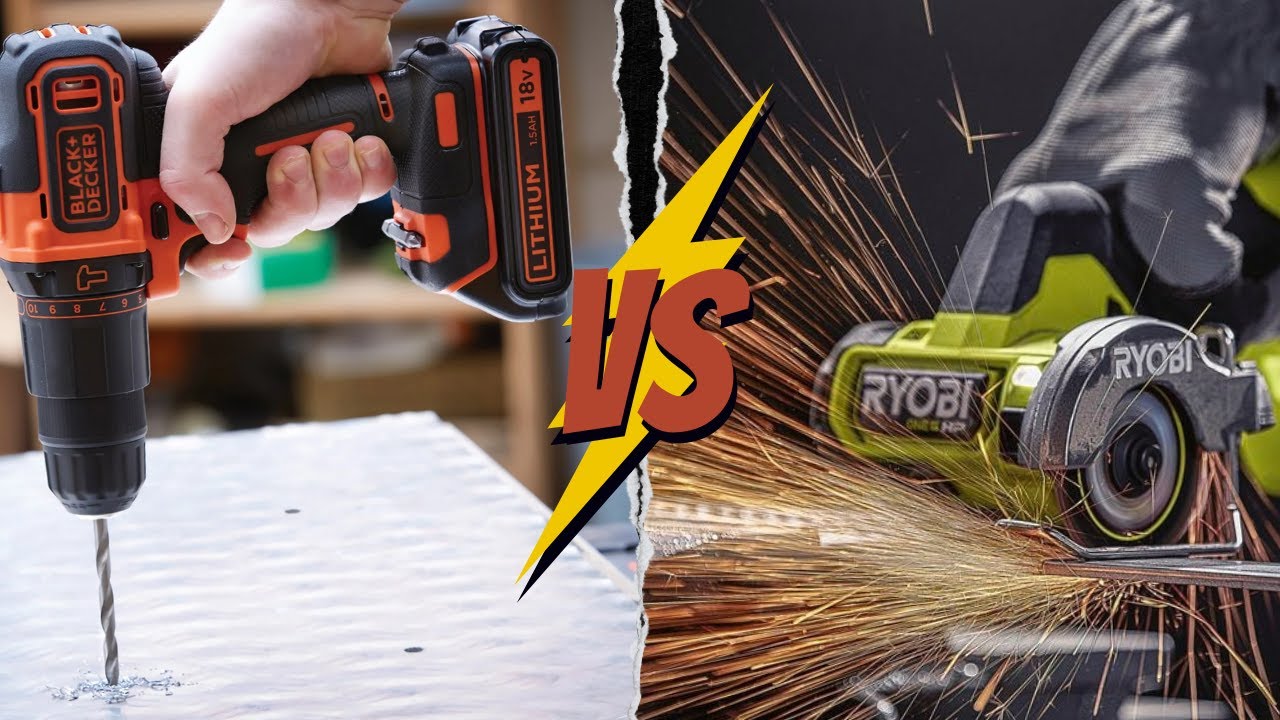
When you walk into any hardware store, it’s easy to feel lost in the power tool aisle. Rows of bright green and orange tools grab your attention. Two brands stand out: Ryobi and Black and Decker. Both are famous for making drills that suit home projects and DIY needs. But which one is better for you? Making the right choice can save you money, time, and frustration. This guide will help you decide by digging deep into what really matters: performance, price, features, build quality, and more. Whether you’re a weekend DIYer or just want to hang a picture, you’ll find clear answers here.
Brand Backgrounds
Before comparing the tools, it’s useful to know a bit about the companies behind them.
Ryobi
Ryobi started in Japan in 1943. Today, it is part of Techtronic Industries, the same parent company that owns Milwaukee. Ryobi focuses on tools for homeowners and hobbyists. Its signature color is bright green, and its products are known for being affordable yet reliable for everyday tasks.
Black And Decker
Black and Decker is an American brand with a long history. Founded in 1910, it created the first portable electric drill in 1917. Now, it’s part of Stanley Black & Decker, a giant in the tool industry. Black and Decker drills are often orange and black, and they aim to serve both beginners and experienced users.
Drill Lineup Overview
Both brands offer a wide range of drills. Understanding the types available helps narrow your choice.
- Cordless drills: Powered by rechargeable batteries, great for mobility.
- Corded drills: Plug into the wall, offer steady power, but restrict movement.
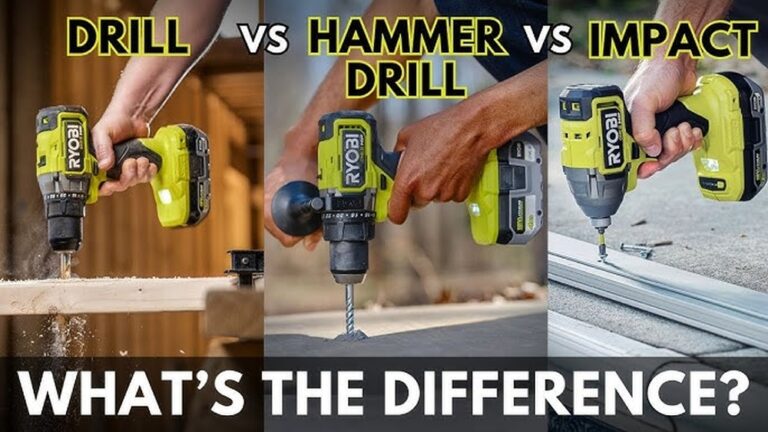
- Hammer drills: Add a pounding action for drilling into concrete.
- Drill drivers: Standard tools for most household tasks.
Most buyers look for cordless drill drivers, so this article focuses on those.
Comparing Key Features
To make a fair comparison, let’s break down the most important factors.
1. Power And Performance
Power is measured in volts (V) for cordless drills. More volts usually mean more strength to drive screws or drill holes.
- Ryobi: Most popular models use 18V batteries, which is strong enough for wood, plastic, and even some metal.
- Black and Decker: Common models are 20V MAX, but real voltage is often similar to Ryobi’s 18V (nominal vs. max voltage can be confusing).
In use, both brands perform well for light to medium tasks. Ryobi’s higher-end drills sometimes have more torque, which helps with tougher materials. However, Black and Decker’s 20V MAX lineup is no slouch for home jobs.
Non-obvious insight: Real-world performance depends not just on voltage, but also on motor efficiency and battery quality. Sometimes, a well-designed 18V drill feels more powerful than a basic 20V model.
2. Battery Systems
The battery system affects how long you can work and how many tools you can share batteries with.
- Ryobi ONE+ System: Uses the same 18V battery for over 100 tools, from drills to fans and lawnmowers.
- Black and Decker 20V MAX System: Also shares batteries across many tools, but the range is smaller compared to Ryobi.
Ryobi’s battery ecosystem is larger, which means more value if you plan to buy other tools later.
Missed by many beginners: Not all drill kits include a second battery. If you want to work longer, check if your chosen kit has a spare battery or buy one separately.
3. Ergonomics And Design
Drills should feel comfortable, especially for longer projects.
- Ryobi: Slightly bulkier, but often with better grip and balance. Their newer models use soft rubber handles that reduce fatigue.
- Black and Decker: Usually lighter and slimmer, which is great for smaller hands or those new to power tools.
Some users with larger hands find Ryobi easier to hold, while people with smaller hands may prefer Black and Decker’s lighter feel.
4. Durability And Build Quality
No one wants a drill that breaks after a few uses.
- Ryobi: Uses more metal in the gear housing of mid-level models. Their drills are built for regular home use, not heavy-duty jobs.
- Black and Decker: Focuses on light-duty use, with more plastic parts. It’s fine for hanging shelves or assembling furniture but less suited for tough tasks.
Pro tip: If you plan to use your drill often or for heavy jobs, consider Ryobi’s higher-end models. For occasional, light projects, Black and Decker is usually enough.
5. Price And Value
Budget matters for most buyers. Here’s a quick look at typical costs.
| Brand | Entry-Level Drill Kit | Mid-Range Drill Kit | Batteries Included |
|---|---|---|---|
| Ryobi | $60-$80 | $100-$140 | 1 or 2 |
| Black and Decker | $40-$70 | $80-$110 | 1 |
Black and Decker drills often cost less, but Ryobi may give you more features or a second battery.
6. Warranty And Support
Good customer support and warranty can save headaches.
- Ryobi: Offers a 3-year limited warranty on most power tools.
- Black and Decker: Usually gives a 2-year limited warranty.
Both brands have large service networks, but Ryobi’s longer warranty is a bonus.
7. Drill Accessories And Kits
Many drill sets include extra items such as bits, carrying bags, and chargers.
- Ryobi: Kits often have more accessories, especially during promotions.
- Black and Decker: Basic kits are simple, but larger combo sets are available for a higher price.
Beginner mistake: Some buyers focus only on the drill, not realizing they’ll need quality drill bits for best results. Always check what’s included in your kit.
Popular Models Head-to-head
Let’s compare two best-selling models side by side.
Ryobi One+ 18v Drill/driver (p215)
- 18V battery, 1.5Ah or 2.0Ah options
- 2-speed gearbox (0-450 and 0-1750 RPM)
- 24 clutch settings
- 1/2-inch keyless chuck
- Weight: About 3 lbs (without battery)
- LED work light
Black And Decker 20v Max Cordless Drill (ld120va)
- 20V MAX battery, 1.5Ah
- Single speed (0-750 RPM)
- 11 clutch settings
- 3/8-inch keyless chuck
- Weight: About 3.5 lbs (with battery)
- LED work light
| Feature | Ryobi ONE+ P215 | Black & Decker LD120VA |
|---|---|---|
| Voltage | 18V | 20V MAX |
| Max Speed | 1,750 RPM | 750 RPM |
| Clutch Settings | 24 | 11 |
| Chuck Size | 1/2″ | 3/8″ |
| Weight | 3.0 lbs | 3.5 lbs |
| Warranty | 3 years | 2 years |
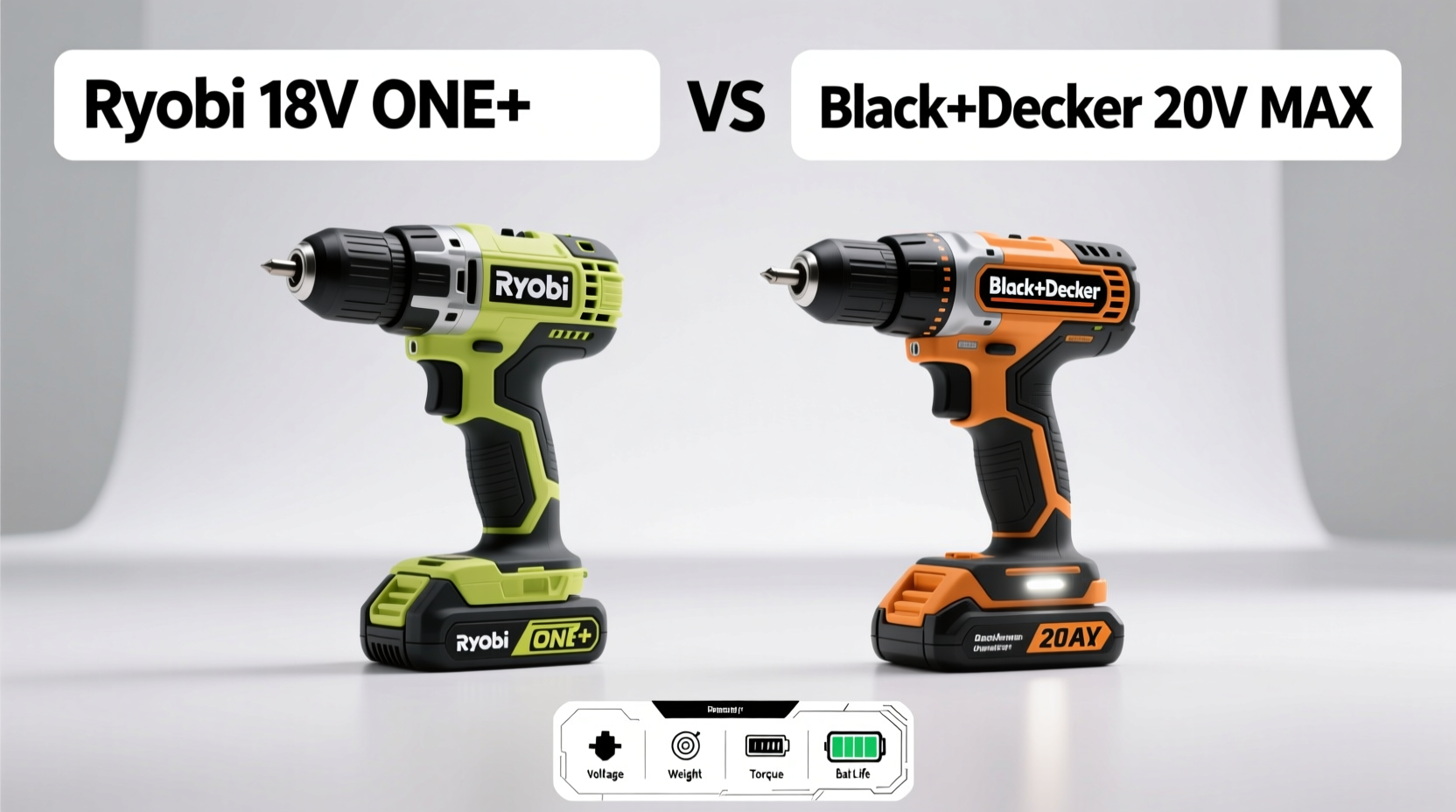
Key takeaway: Ryobi’s P215 has more speed settings, more clutch options, and a larger chuck, making it more flexible for different tasks. Black and Decker’s LD120VA is lighter and simpler, which some users prefer.

Credit: www.popularmechanics.com
Real User Experiences
Looking at specs is helpful, but what do real users say?
Ryobi Users
Many Ryobi owners like the long battery life and the ability to use the same battery for many tools. Some mention the drill feels powerful even after years of use. Complaints are rare but sometimes include the drill being a bit heavy for extended use.
Black And Decker Users
Black and Decker gets praise for affordability and how easy the drills are to use. Many first-time tool owners say they feel confident using it. However, some note the drill slows down with heavy use or after the battery gets old.
Non-obvious insight: Both brands are popular for home use, but Ryobi owners are more likely to “upgrade” to other Ryobi tools, while Black and Decker users often stick to single purchases.
When To Choose Ryobi
Ryobi is a smart choice if:
- You want to build a collection of tools using the same battery.
- You plan to tackle medium to heavy DIY tasks (like deck building, drilling into masonry).
- You value a longer warranty and more clutch settings.
- You don’t mind a drill that’s a bit heavier.
When To Choose Black And Decker
Black and Decker is a good pick if:
- You need a simple, affordable drill for light work (like furniture assembly, hanging pictures).
- You’re a beginner and want a tool that’s easy to handle.
- You have a limited budget and don’t plan to buy more tools soon.
- You prefer a lighter, more compact drill.
Common Mistakes When Buying A Drill
Many buyers make avoidable errors. Here are some to watch for:
- Ignoring battery capacity: A higher amp-hour (Ah) rating means longer use per charge.
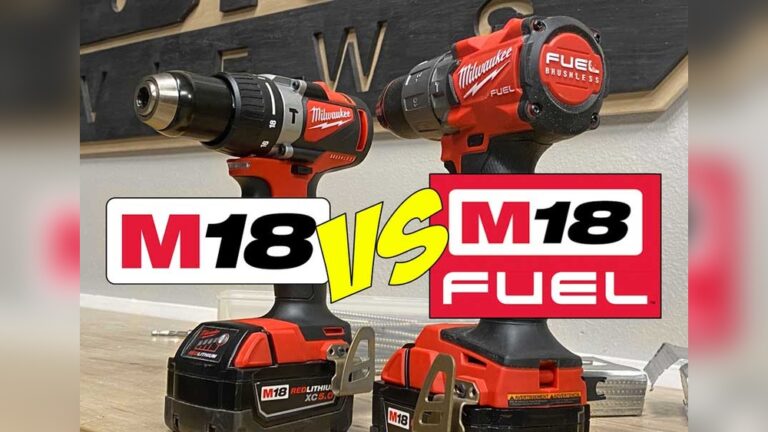
- Overbuying features: Don’t pay for hammer mode or brushless motors if you’ll never use them.
- Not checking included items: Some kits lack a charger or extra bits.
- Assuming all 20V tools are stronger: Actual power depends on design, not just voltage.
- Forgetting about warranty: Cheap tools aren’t a bargain if they break quickly and are hard to fix.
Drill Performance In Common Tasks
How Do These Drills Handle Typical Home Projects?
Hanging Curtains Or Pictures
Both Ryobi and Black and Decker models handle drywall, softwood, and plastic anchors easily. Ryobi’s higher torque makes it faster, but for this light task, either brand is more than enough.
Assembling Furniture
Black and Decker’s lighter weight and slim grip can be a plus here. If you’re driving a lot of screws, a Ryobi with a second battery may keep you working longer without waiting for a recharge.
Drilling Into Masonry
Neither brand’s basic drill is designed for concrete. However, Ryobi sells hammer drill models in their ONE+ line. Black and Decker also offers hammer drills, but they are less powerful. For tough masonry, consider renting a pro-grade tool.
Outdoor Projects
If you’re building a deck or fence, Ryobi’s 1/2-inch chuck fits bigger bits, and its higher torque helps with tough wood. For light yard work, both brands are fine.
Battery Life And Charging
Battery life is a common worry. Both brands use lithium-ion batteries, which are lighter and hold charge longer than old nickel-cadmium batteries.
- Ryobi: 18V ONE+ batteries come in sizes from 1.5Ah to 4.0Ah or higher. Larger batteries run longer but add weight.
- Black and Decker: 20V MAX batteries usually range from 1.5Ah to 2.0Ah. Similar story—bigger lasts longer.
Charging time also matters. Ryobi’s standard charger takes about 1 hour for a 2.0Ah battery. Black and Decker’s charger is similar. Fast chargers are available for Ryobi, but cost extra.
Tip: For big projects, having two batteries lets you work while one charges.
Credit: www.youtube.com
Upgrade Paths And Ecosystems
Choosing a drill is sometimes the first step into a brand’s ecosystem.
- Ryobi ONE+: Offers a huge selection—over 100 tools use the same 18V battery. This includes saws, lights, blowers, and even cleaning tools.
- Black and Decker 20V MAX: Has drills, saws, garden tools, and small appliances. The selection is smaller but still covers most basic needs.
If you see yourself needing more tools in the future, Ryobi’s system gives you more options.
Environmental And Safety Factors
Both companies have improved the safety and environmental impact of their tools.
- Battery recycling: Both brands offer take-back programs for used batteries.
- Safety features: Drills from both brands have electric brakes, which stop the bit quickly when you release the trigger. LED lights are standard now, making it easier to see your work.
Beginner tip: Always wear safety glasses, and keep long hair or loose clothing away from the spinning drill bit.
Customer Service And Support
Good support matters when something goes wrong.
- Ryobi: Has a strong online presence and phone support. Service centers are easy to find in big cities.
- Black and Decker: Offers online support, phone help, and a wide network of authorized repair centers.
Online user forums and YouTube videos make troubleshooting easier for both brands.
Comparing Long-term Value
Think beyond the price tag. If you buy more tools later, Ryobi’s battery system saves money. If you only need one drill for small jobs, Black and Decker is often cheaper upfront. Both brands hold up well for home use, but Ryobi’s longer warranty and bigger ecosystem give it an edge for those who plan to expand their tool collection.
Where To Buy
Both brands are widely available in stores and online. Ryobi is most often found at Home Depot (in the US and Canada), while Black and Decker is sold at many retailers, including Walmart, Amazon, and hardware stores.
Online shopping tip: Look for combo deals, especially around holidays. You may get extra batteries or accessories for free.
For more details on tool specifications, check the official sites or the Home Depot comparison guide.
Frequently Asked Questions
Is A Ryobi Drill Better Than Black And Decker For Beginners?
Both brands make beginner-friendly drills. Black and Decker is usually lighter and simpler, which some people find easier to handle. Ryobi’s bigger battery system is great if you plan to buy more tools in the future.
Can Ryobi And Black And Decker Batteries Be Used Interchangeably?
No, you cannot use a Ryobi battery in a Black and Decker tool or vice versa. Each brand’s battery system is unique and not compatible with the other.
Which Brand Offers Better Value For Money?
For one-time or light use, Black and Decker often costs less. If you plan to buy more tools or use your drill often, Ryobi’s bigger battery ecosystem and longer warranty give better long-term value.
How Long Do The Batteries Last On A Single Charge?
It depends on battery size and the task. Most 1. 5Ah batteries last 30–60 minutes of steady use. Heavier work drains them faster. Having a second battery helps for longer projects.
Are Ryobi And Black And Decker Drills Suitable For Professional Use?
Both brands target home users and DIYers. For heavy, daily professional use, you should look at pro brands like DeWalt or Milwaukee. However, Ryobi’s higher-end drills can handle tough home projects.
Choosing between Ryobi and Black and Decker drills comes down to your needs and future plans. Both brands offer reliable, affordable tools for DIY and home projects. If you want to expand your tool collection or tackle bigger jobs, Ryobi’s ecosystem and power stand out. For simple, occasional tasks, Black and Decker’s value and ease of use are hard to beat. Make your choice based on what you’ll really use, and you’ll enjoy your new drill for years to come.
Credit: www.alibaba.com