When you need to drill through metal, wood, or plastic, the type of drill bit you choose can make a big difference in your results. Two of the most common and often confused options are HSS drill bits and cobalt drill bits. They may look similar, but their performance, cost, and best uses are quite different. If you’ve ever wondered which one is right for your project, you’re not alone. This article explains the differences between HSS and cobalt drill bits in a way anyone can understand—even if you’re not an expert. You’ll discover how each type is made, what materials they drill best, how long they last, and how to avoid common mistakes when choosing or using them.
What Are Hss Drill Bits?
High-Speed Steel (HSS) drill bits are the most popular choice for general drilling. They’re made from a special steel alloy that contains iron, carbon, and a mix of other elements like chromium and vanadium. This combination gives HSS bits their strength and ability to handle heat.
Key Characteristics
- Versatile: HSS bits can drill into wood, plastic, aluminum, and softer metals.
- Affordable: Usually, HSS bits cost less than cobalt or carbide bits.
- Heat resistance: They can handle the heat created by friction, but only to a point.
- Sharpenable: If they get dull, you can often sharpen them and reuse.
When To Use Hss Drill Bits
HSS bits are best for:
- Home projects
- Soft metals (like aluminum, copper, brass)
- Plastics and wood
- General-purpose drilling where extreme hardness isn’t needed
Many beginners start with HSS bits because they are less expensive and widely available. For example, if you need to put up shelves or drill holes in a mild steel sheet, HSS is a solid choice.
What Are Cobalt Drill Bits?
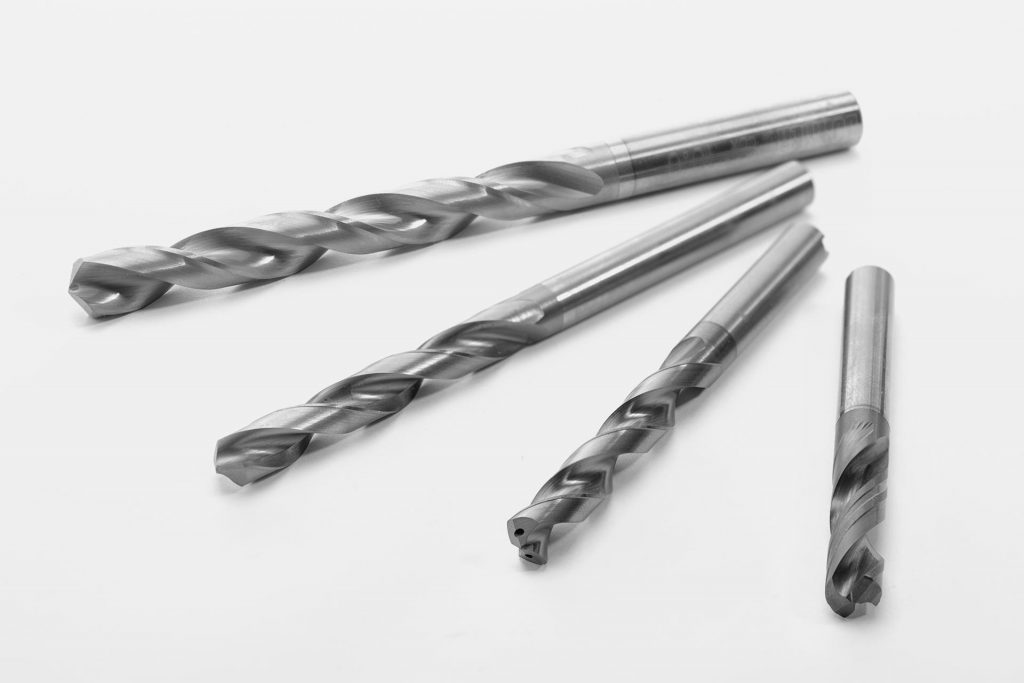
Cobalt drill bits are not made from pure cobalt. Instead, they are manufactured from a special type of high-speed steel that includes 5–8% cobalt added into the alloy. This makes the bit much harder and more heat-resistant than standard HSS.
Key Characteristics
- High heat tolerance: Can handle temperatures up to 1100°F (593°C).
- Superior hardness: Cobalt makes the bit tougher, allowing it to cut through harder metals.
- Brittle: Cobalt bits are more likely to chip or snap if used incorrectly.
- Expensive: They cost more than HSS bits.
- Long-lasting: They keep their edge longer when drilling hard materials.
When To Use Cobalt Drill Bits
Cobalt bits are ideal for:
- Stainless steel
- Cast iron
- Hardened steel
- Tough alloys and other hard metals
For example, if you’re repairing a car engine or working with stainless steel pipes, cobalt bits are often the only practical choice.
Side-by-side Comparison
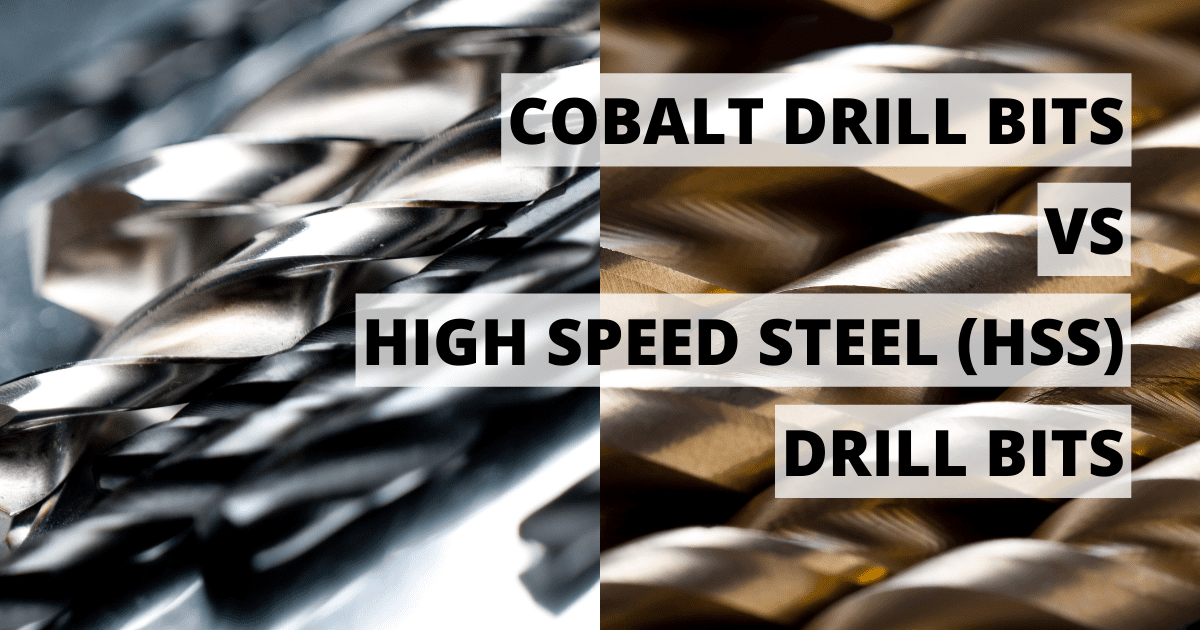
To make the differences clearer, here’s a direct comparison.
| Feature | HSS Drill Bits | Cobalt Drill Bits |
|---|---|---|
| Material | High-Speed Steel (HSS) | HSS with 5–8% Cobalt Alloy |
| Hardness | Moderate | High |
| Heat Resistance | Up to 600°F (315°C) | Up to 1100°F (593°C) |
| Best For | Wood, Plastic, Soft Metals | Stainless Steel, Hardened Metals |
| Price | Lower | Higher |
| Durability | Good (for soft materials) | Excellent (for hard materials) |
| Brittleness | Less | More |
| Sharpening | Easy | Possible, but trickier |
As you can see, each bit type has its strengths and weaknesses. The best choice depends on what material you’re drilling and your budget.
How Hss And Cobalt Drill Bits Are Made
Understanding how these bits are made can help you see why they work differently.
Hss Drill Bit Manufacturing
Manufacturers produce HSS bits by mixing steel with elements like tungsten, chromium, and molybdenum. The mixture is heated to very high temperatures, then shaped into the final bit form. This process creates a tool that’s strong, flexible, and can withstand the heat of drilling—but only to a certain point.
Cobalt Drill Bit Manufacturing
Cobalt bits start with a high-speed steel base, but they add 5–8% cobalt directly into the steel during production. This doesn’t just coat the bit; the cobalt is part of the metal’s entire structure. This makes the bit much harder and more heat-resistant.
However, this increased hardness also makes the bit less flexible and more brittle.
Non-obvious Insight:
Many beginners think cobalt bits have a cobalt coating. In reality, the cobalt is mixed throughout the bit—not just on the surface. This means the bit keeps its advantages even after sharpening.
Performance In Different Materials
Let’s look at how each type performs with common materials you might drill.
Wood
- HSS bits: Work very well. They cut cleanly and are cost-effective.
- Cobalt bits: Work, but it’s overkill. You don’t need the extra hardness or heat-resistance for wood.
Plastic
- HSS bits: Excellent choice. Just go slow to avoid melting the plastic.
- Cobalt bits: Again, they work, but are not needed.
Soft Metals (aluminum, Brass, Copper)
- HSS bits: Perfectly suitable. HSS bits are sharp enough and last a long time on these materials.
- Cobalt bits: Will work, but the extra cost isn’t justified.
Stainless Steel And Hardened Steel
- HSS bits: Struggle or dull quickly. You’ll notice smoke, heat, and poor cutting.
- Cobalt bits: Made for this. They stay sharp and cut efficiently, even when the metal is very tough.
Cast Iron
- HSS bits: Can work for a few holes, but wear out fast.
- Cobalt bits: Much better—less wear and smoother drilling.
| Material | HSS Drill Bit | Cobalt Drill Bit |
|---|---|---|
| Wood | Excellent | Usable but not needed |
| Plastic | Excellent | Usable but not needed |
| Aluminum | Good | Good |
| Stainless Steel | Poor | Excellent |
| Hardened Steel | Poor | Excellent |
| Cast Iron | Fair | Good |
Durability And Lifespan
How long a drill bit lasts depends on the material, speed, pressure, and whether you use cutting oil.
Hss Drill Bits
- Last a long time in wood, plastic, and soft metals
- Lose sharpness quickly in hard metals
- Easy to resharpen at home
Cobalt Drill Bits
- Last much longer in hard metals
- Resist heat and dulling
- Can break if bent or twisted; avoid side pressure
Extra Insight:
Some users think cobalt bits never wear out. That’s not true. They just last longer under tough conditions. If you use them carelessly, they can chip or shatter.
Cost Differences
Price is often a deciding factor.
- HSS bits: A standard set (13–21 pieces) can cost $10–$30.
- Cobalt bits: A similar set usually costs $30–$70 or more.
Why the difference? Cobalt is a more expensive material and the manufacturing process is more complex.
For someone who only drills soft materials a few times a year, HSS makes more sense. But if you’re a mechanic, metalworker, or fabricator, cobalt bits can save you both time and money in the long run.
Cutting Speed And Feed Rate
Cutting speed (how fast the bit turns) and feed rate (how quickly you push the bit into the material) matter for both bit types.
- HSS bits: Can handle moderate speeds on wood and plastic. For metal, use slower speeds to avoid heat build-up.
- Cobalt bits: Allow for higher speeds in hard metals, but you should still use cutting oil and avoid pushing too hard.
A common mistake is to use high speed on stainless steel with an HSS bit. This quickly destroys the bit. With cobalt, you can use a bit more speed, but always stay within manufacturer recommendations.
Sharpening And Maintenance
Hss Bits
- Easy to sharpen with a bench grinder or special sharpening tool.
- You can usually sharpen them many times before they get too short.
Cobalt Bits
- Sharpenable, but require more care because they are brittle.
- Use a fine grinding wheel and avoid overheating.
Non-obvious Tip:
Always keep your bits cool while sharpening. Dip them in water between passes to avoid damaging the temper.
Coating Types: Black Oxide, Titanium, And More
You might see HSS or cobalt bits with different coatings.
- Black oxide: Reduces friction and helps with rust resistance. Found on both HSS and cobalt bits.
- Titanium nitride (TiN): Makes the bit last longer and run cooler, but only coats the outside. Once it wears off, the benefit is gone.
- No coating: Bare steel bits are cheaper but may rust or wear out faster.
These coatings can help, but the base material (HSS or cobalt) is more important for performance.
Common Mistakes Beginners Make
Choosing the wrong bit is just one error. Here are a few others:
- Using HSS bits on hard metals: They dull quickly and can burn out.
- Using cobalt bits for everything: It’s overkill for soft materials and wastes money.
- Drilling too fast: Generates excess heat, ruining the bit’s temper.
- Not using cutting oil on metal: Leads to overheating and dulling.
- Applying side force: Especially bad for cobalt bits, which can snap.
- Not clearing chips: Let the bit “breathe” by lifting it out every few seconds.
When Should You Choose Hss Or Cobalt?
Here’s a quick guide:
- Choose HSS drill bits for:
- Woodworking
- Plastic drilling
- Thin or soft metal sheets
- Occasional home or DIY use
- Choose cobalt drill bits for:
- Drilling stainless steel, hardened steel, or tough alloys
- Automotive work
- Heavy-duty metal fabrication
- Frequent or professional use
If in doubt, start with HSS. Upgrade to cobalt if you notice your bits dull quickly or fail on hard metals.
Credit: rdbarrett.co.uk
Environmental And Safety Considerations
Both types of bits are safe if used correctly. But some safety tips are important:
- Wear eye protection: Chips can fly out at high speed.
- Clamp your workpiece: Prevents spinning or slipping.
- Use lubrication: Especially for metal, to reduce heat.
- Dispose of old bits properly: Metal recycling is best.
Some users try to extend bit life by pushing harder or drilling dry. This rarely works and often shortens the bit’s lifespan.
Real-world Examples
Imagine you’re a home DIYer needing to mount a shelf on a steel bracket. An HSS bit might drill the first few holes, but quickly dulls. A cobalt bit will finish the job easily and is ready for more.
Or, say you’re a mechanic working on exhaust systems. Stainless steel is tough, and only cobalt bits will reliably cut through without burning out.
Credit: multimaxdirect.com
Expert Tips For Best Results
- Mark your spot: Use a center punch to make a small dimple before drilling. This prevents the bit from wandering.
- Go slow on metal: Let the bit do the work. Use a slow drill speed, especially with HSS bits.
- Use cutting oil: Reduces friction, keeps bits sharp, and extends life.
- Clear chips often: Pull the bit out to remove metal chips. This prevents jamming and overheating.
- Sharpen bits regularly: A sharp bit is safer and more effective than a dull one.
Which Bit Type Do Professionals Prefer?
Most professionals keep both types on hand. HSS for general tasks, cobalt for tough jobs. Some high-production shops use only cobalt bits to save time changing dull bits, even though the cost is higher.
According to a survey by Machinery Lubrication magazine, over 65% of metalworking professionals use cobalt bits for stainless steel, while over 70% use HSS for mild steel and aluminum. This shows there’s no single “best” bit—just the right tool for the job.
Are There Alternatives?
Yes. For extremely hard materials, carbide drill bits are another option. They’re even harder than cobalt but much more expensive and brittle. For most people, HSS and cobalt cover almost all needs.
Summary Table: Quick Decision Guide
Here’s a fast way to decide which bit to use.
| Project Type | Best Bit | Why |
|---|---|---|
| Woodworking | HSS | Cost-effective, cuts cleanly |
| Plastic | HSS | Low heat, affordable |
| Soft metals | HSS | Sharp enough, good value |
| Stainless steel | Cobalt | High heat and wear resistance |
| Hardened steel | Cobalt | Superior hardness |
| Automotive repair | Cobalt | Handles tough, alloyed metals |
| DIY/General | HSS | Affordable, versatile |
Credit: rdbarrett.co.uk
Frequently Asked Questions
What Does “hss” Stand For In Drill Bits?
HSS stands for High-Speed Steel. This is a special alloy that can handle the high temperatures and stress of drilling, especially at faster speeds. HSS bits are used for a wide range of materials, from wood to soft metals.
Can Cobalt Drill Bits Be Used On Wood And Plastic?
Yes, cobalt drill bits can drill wood and plastic, but it’s not recommended. They are more expensive and designed for hard metals. Using them for soft materials is a waste of money and may dull the bit faster since these materials can gum up the cutting edge.
How Do I Know When To Replace A Drill Bit?
Replace a drill bit if:
- It becomes dull and sharpening doesn’t restore the edge.
- It chips or breaks.
- It overheats and turns blue, losing its temper.
- It no longer drills efficiently, even after cleaning.
Is There A Difference Between Cobalt-coated And Solid Cobalt Drill Bits?
Yes. Solid cobalt drill bits have cobalt mixed throughout the metal. Cobalt-coated bits only have a thin layer of cobalt on the outside. Solid cobalt bits last longer and keep their properties after sharpening. Coated bits lose their advantage once the coating wears off.
Where Can I Learn More About Drill Bit Materials And Uses?
A great resource for more information is the Wikipedia article on drill bits. It covers different materials, coatings, and types for all kinds of projects.
Final Thoughts
Choosing between HSS drill bits and cobalt drill bits comes down to the material you’re drilling and your budget. For everyday tasks on wood, plastic, and soft metals, HSS bits are affordable and effective. For stainless steel, hardened metals, or heavy-duty work, cobalt bits are worth the investment. By understanding these differences, you avoid wasted money, broken bits, and unfinished projects. Whether you’re a home DIYer or a professional, having both types in your toolbox ensures you’re always ready for the job.