Shopping for a new hammer drill can feel overwhelming, especially when two big names—Ryobi and DeWalt—stand out on every shelf. Whether you’re a DIY beginner or a seasoned pro, picking the right tool can make every project faster, safer, and even more enjoyable. But with so many claims and technical details, how do you know which brand is best for your needs?
This article will guide you through everything you need to know about the Ryobi hammer drill vs DeWalt debate. We’ll explore build quality, power, price, battery systems, real-world performance, and even the small details that most beginners miss. By the end, you’ll understand not just which drill is “better”—but which is better for you.
Understanding Hammer Drills: What Makes Them Special?
Before we jump into comparing Ryobi and DeWalt, let’s quickly look at what a hammer drill is and why it’s different from a regular drill. Hammer drills can do everything a standard drill can, but they also add a pounding action. This makes it much easier to drill through hard materials like concrete, brick, or stone.
Unlike an impact driver (which is mainly for screws and bolts), a hammer drill is designed for drilling holes—especially in tough surfaces. Both Ryobi and DeWalt make hammer drills that can handle basic home projects, but also heavy-duty jobs.
Brand Overview: Ryobi And Dewalt
Both brands are well-known, but they focus on different audiences and priorities.
Ryobi: Accessible And User-friendly
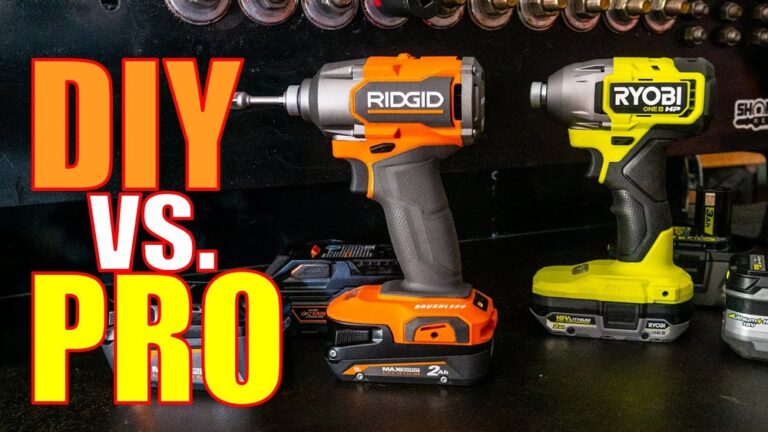
Ryobi is famous for making tools that are affordable and easy to use. The brand is popular with DIYers, homeowners, and people who want good performance without a high price. Ryobi tools are sold in big stores like Home Depot and are known for their One+ battery system, which works across dozens of tools.
Dewalt: Professional Strength And Reliability
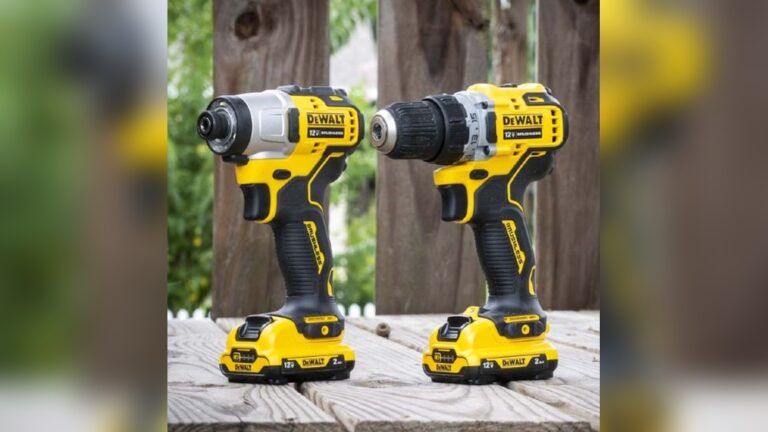
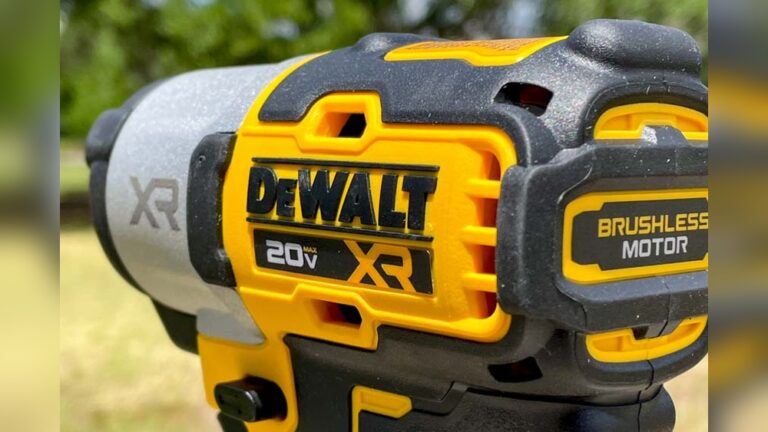
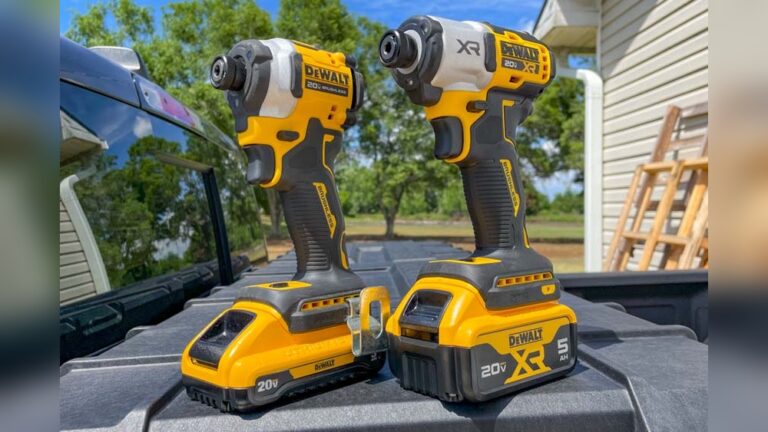
DeWalt is trusted by professionals and contractors worldwide. Their tools are known for their rugged build, long life, and high power. DeWalt’s 20V MAX battery system is a favorite among pros, but many serious DIYers also choose DeWalt for its reputation and consistent performance.
Core Differences: Ryobi Hammer Drill Vs Dewalt
Now, let’s dive into the main areas where these brands differ. This section covers what matters most when choosing a hammer drill.
1. Build Quality And Durability
When you hold a Ryobi drill and a DeWalt drill side by side, you’ll notice the difference in materials and feel.
- Ryobi hammer drills use strong plastics and some metal parts. They’re built to last for home use and light construction. However, if you drop them often or use them in harsh conditions, they may show wear faster than DeWalt.
- DeWalt hammer drills use more metal, thicker casings, and high-grade plastics. This makes them heavier, but they’re designed for daily use on busy job sites. They can survive drops, dust, and tough work without breaking down.
Non-obvious insight: Many beginners don’t realize that a heavier drill can actually help with control when drilling into concrete, as the weight reduces vibration and makes the process smoother.
2. Power And Performance
A drill’s power is usually measured in volts (V) for cordless models and amps (A) for corded models. But what matters most is how much torque (turning force) and BPM (blows per minute) the drill can deliver.
Here’s a direct comparison between two popular models: the Ryobi P214 and the DeWalt DCD996.
| Feature | Ryobi P214 | DeWalt DCD996 |
|---|---|---|
| Voltage | 18V | 20V MAX |
| Max Torque | 600 in-lbs | 820 in-lbs |
| Max BPM | 24,000 BPM | 38,250 BPM |
| Max RPM | 1,800 RPM | 2,250 RPM |
As you can see, DeWalt generally offers more power. This is important if you’re drilling into concrete walls, thick masonry, or need to get jobs done quickly. For lighter home use, Ryobi’s numbers are more than enough.
Non-obvious insight: High torque is important for larger drill bits, but for drilling many small holes, a higher BPM (blows per minute) is often more useful.
3. Battery Systems And Runtime
Cordless hammer drills depend heavily on their batteries. Here’s where these brands differ:
- Ryobi One+ System: Uses 18V batteries that fit over 260 tools. Affordable and easy to find.
- DeWalt 20V MAX System: Slightly higher voltage, fits over 200 tools, and includes FLEXVOLT batteries that can deliver even more power.
Let’s compare battery performance based on common kits:
| Brand | Battery Capacity (Ah) | Approx. Runtime (Concrete Drilling, 1/4″ bit) | Battery Compatibility |
|---|---|---|---|
| Ryobi | 2.0 Ah | 50-60 holes | All One+ tools |
| DeWalt | 2.0 Ah | 70-80 holes | All 20V MAX tools |
DeWalt batteries tend to last longer under heavy load, but Ryobi batteries are often cheaper and just as good for basic jobs.
4. Price And Value
Cost is a huge factor for most people. Here’s how the two brands stack up:
- Ryobi: Hammer drill kits (with battery and charger) often cost between $80–$130.
- DeWalt: Similar kits usually run $150–$250 or even more for premium models.
DeWalt’s higher price reflects stronger build, more power, and better durability. However, for most homeowners, Ryobi offers impressive value for the price.
Practical tip: If you already own batteries from either brand, sticking with the same system can save you a lot of money.
5. Ergonomics And User Comfort
How a drill feels in your hand might not sound important—until you use it for an hour straight.
- Ryobi drills tend to be lighter and have simple grips. They’re comfortable for most people, but may not fit large hands perfectly.
- DeWalt drills are heavier, often have more rubberized grip, and their balance makes them less tiring to use for long periods.
Another small detail: DeWalt often adds LED work lights that are brighter and better positioned than Ryobi’s, which helps in dark or tight spaces.
6. Features And Extras
Both brands offer similar basic features: variable speed triggers, forward/reverse controls, and clutch settings. But DeWalt often includes extras like:
- Three-speed transmissions (lets you adjust for different tasks)
- Side handles for better control during heavy drilling
- Metal chucks (stronger than plastic ones)
- Advanced brushless motors (longer life, less heat)
Ryobi usually keeps things simple, but their tools are getting more advanced every year.
7. Warranty And Customer Support
- Ryobi: 3-year limited warranty on most tools and batteries.
- DeWalt: 3-year limited warranty plus 1-year free service and 90-day money-back guarantee.
Both brands have good customer service, but DeWalt’s extra service period can be helpful if you use your tools every day.
Real-world Performance: How Each Brand Handles Common Jobs
Let’s look at how Ryobi and DeWalt perform in typical scenarios:
Home Renovations
For hanging shelves, drilling into drywall, or installing curtain rods, both brands perform well. Ryobi is lighter and easier to control for small tasks. DeWalt’s extra power isn’t needed unless you hit concrete or thick wood.
Masonry And Concrete
Here, DeWalt shines. Its higher BPM and torque make it faster and less likely to stall in hard material. Ryobi can still do the job, but you’ll need to go slower and may need to recharge more often.
Long Projects
If you’re working on a deck or drilling hundreds of holes, DeWalt’s comfort features and longer battery life really pay off. Ryobi can handle the workload, but your hands may get tired faster.

Credit: www.youtube.com
A Close Look At Specific Models
To give you clearer guidance, let’s compare two popular hammer drills from each brand.
Ryobi P214 18v One+ Hammer Drill
- Max torque: 600 in-lbs
- Max BPM: 24,000
- Weight: 3.1 lbs (without battery)
- Key features: 24-position clutch, built-in LED light, variable speed trigger
- Ideal for: Homeowners, DIYers, light masonry
Dewalt Dcd996 20v Max Xr Hammer Drill
- Max torque: 820 in-lbs
- Max BPM: 38,250
- Weight: 4.7 lbs (without battery)
- Key features: 3-speed transmission, brushless motor, heavy-duty side handle, metal chuck, LED spotlight
- Ideal for: Professionals, heavy-duty DIYers, regular masonry work
Pros And Cons: Quick Comparison
Here’s a summary of the main advantages and drawbacks of each brand.
Ryobi Hammer Drill
Pros:
- Lower price, excellent value
- Lighter weight, easy for beginners
- Batteries work across a huge range of tools
- Great for home repairs and light construction
Cons:
- Not as much power for heavy masonry
- May not last as long under tough daily use
- Fewer advanced features
Dewalt Hammer Drill
Pros:
- More power and speed
- Tough build for job sites
- Extra features (speed settings, advanced motors)
- Longer battery life under stress
Cons:
- Higher price
- Heavier, can be tiring for small tasks
- Some models are overkill for home users
What Beginners Often Miss When Choosing
- Battery system lock-in: Once you buy several tools from a brand, switching is expensive. Think ahead about future needs.
- Weight vs. power: Lighter tools are easier to use for small jobs, but heavier tools handle tough tasks better and vibrate less.
- Drill bit compatibility: Not all chucks fit the same size bits. DeWalt’s metal chucks often grip better, especially for larger masonry bits.
- Included accessories: Some kits include extra batteries, bags, or side handles—these can be valuable if you plan to use the drill often.
Which One Should You Choose?
Here’s a simple way to decide:
- If you do mostly home projects (like furniture, drywall, or small repairs), or want the lowest cost, Ryobi is a smart, reliable choice.
- If you work on heavy-duty jobs (like drilling into concrete, building decks, or working on job sites), DeWalt is worth the extra money for its power and durability.
Pro tip: If you’re still unsure, try visiting a store to hold both drills. See which feels better in your hand. Comfort matters more than many people realize.

Credit: prudentreviews.com
How To Get The Most Out Of Your Hammer Drill
No matter which brand you choose, these tips will help you use your hammer drill safely and effectively:
- Use the right drill bit: Masonry bits for concrete, wood bits for wood, etc.
- Let the drill do the work: Don’t push too hard; let the hammer action break up the material.
- Keep batteries charged: For cordless drills, always start with a full battery for best performance.
- Check clutch settings: For screws, use a lower clutch to avoid stripping; for drilling, use a higher setting.
- Wear safety gear: Always use eye protection, especially when drilling into hard materials.
Long-term Ownership: What To Expect
Maintenance
- Ryobi: Wipe down after use, store indoors, check battery contacts.
- DeWalt: Same as Ryobi, but also keep vents clear (especially with brushless motors).
Replacement Parts
DeWalt’s wide professional use means parts are easy to find, even for older models. Ryobi parts are also available, but sometimes only through specific retailers.
Resale Value
DeWalt tools generally keep higher resale value, as professionals often look for used DeWalt gear. Ryobi resale value is lower, but the low entry price means less money lost overall.
Environmental And Safety Considerations
Both Ryobi and DeWalt are working to reduce battery waste and improve recycling. You can return old batteries to many big-box stores for recycling. Always follow instructions and avoid using damaged batteries.
Real User Experiences
Many homeowners report that Ryobi drills last for years with basic care and handle almost all home tasks without issues. Professionals, on the other hand, consistently praise DeWalt for surviving rough conditions and tough jobs.
A small but useful tip: Some users find that Ryobi’s lighter weight makes it easier to drill overhead or in tight spaces, while DeWalt’s power is better for drilling deep into concrete floors.
Where To Buy And What To Watch Out For
- Ryobi: Widely available at Home Depot and online.
- DeWalt: Available at most hardware stores and online.
Beware of “bare tools” (sold without batteries or charger) if you don’t already own compatible batteries. Kits cost more upfront but are a better deal for first-time buyers.
For more technical specs and official details, the DeWalt official site is a helpful resource.
Frequently Asked Questions
What’s The Main Difference Between A Ryobi And A Dewalt Hammer Drill?
DeWalt hammer drills are more powerful, rugged, and designed for heavy-duty professional use. Ryobi drills are lighter, more affordable, and better for home projects and occasional use.
Can I Use Dewalt Batteries In Ryobi Tools (or Vice Versa)?
No, batteries are not cross-compatible between these brands. Ryobi’s One+ batteries only fit Ryobi tools, and DeWalt’s 20V MAX batteries only fit DeWalt tools.
Are Ryobi Hammer Drills Good For Concrete?
Yes, Ryobi hammer drills can drill into concrete, especially for small holes or light-duty tasks. For heavy drilling or frequent use, DeWalt’s extra power is better.
How Long Do Ryobi And Dewalt Hammer Drills Last?
With normal home use and good care, Ryobi drills can last 5–10 years. DeWalt drills often last even longer, especially when used by professionals.
Which Brand Has A Better Warranty?
Both brands offer a 3-year limited warranty, but DeWalt also includes a 1-year free service and a 90-day money-back guarantee, which may be more helpful for frequent users.
Choosing between Ryobi and DeWalt is about more than just price or power—it’s about picking the right tool for your needs, habits, and future plans. Both brands make excellent hammer drills, and by understanding the real differences, you’ll make a confident, informed decision that pays off every time you pick up your drill.

Credit: www.popularmechanics.com