Drilling through stainless steel is not as simple as working with softer materials like wood or mild steel. Many people find their drill bits overheating, skidding, or breaking before even making a dent. This tough, corrosion-resistant metal can quickly wear out tools and frustrate even experienced DIYers. Yet, with the right knowledge, equipment, and a careful approach, you can create clean, accurate holes in stainless steel for any project.
This guide covers everything you need to know about drilling holes in stainless steel—whether you’re making kitchen shelves, industrial parts, or repairing machinery. You’ll learn how to choose the right tools, avoid common mistakes, and get professional-quality results without damaging your workpiece or your tools.
Plus, you’ll discover practical tips that save time, money, and effort, even if you’re new to metalworking.
Understanding Stainless Steel And Why It’s Hard To Drill
Stainless steel is a family of iron-based alloys that contain at least 10. 5% chromium. This gives the metal its famous resistance to rust and staining, making it a top choice for kitchens, hospitals, and outdoor structures. But that same toughness that makes stainless steel so useful also makes it difficult to drill.
Unlike mild steel or aluminum, stainless steel is:
- Harder and more abrasive.
- Tougher, which means it resists breaking, but also resists cutting.
- Quick to harden if drilled incorrectly. Heat from friction can make the metal even harder (a process called work hardening).
These properties mean that using the wrong technique or tools can dull your drill bits in seconds. That’s why it’s essential to understand the material before starting.
Choosing The Right Drill Bit For Stainless Steel
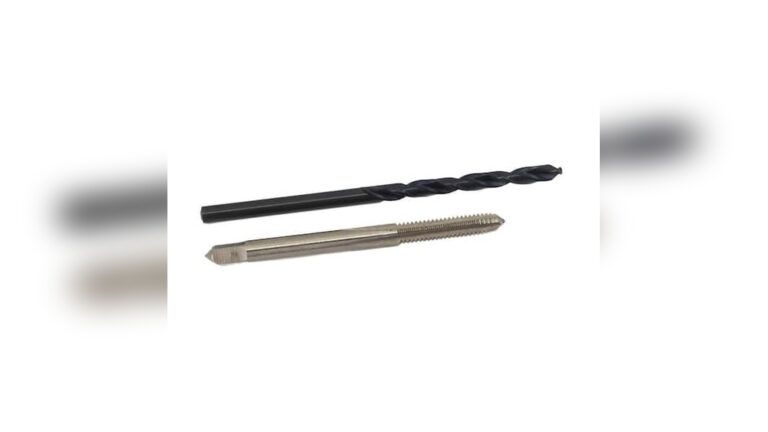
Not all drill bits are created equal. Using a regular high-speed steel (HSS) bit may work for one or two holes, but it will dull quickly. For stainless steel, you need something tougher.
Here’s a comparison of the most common drill bit types for stainless steel:
| Type | Material | Durability | Best For |
|---|---|---|---|
| HSS (High-Speed Steel) | Steel alloy | Low | Light work, thin sheet metal |
| HSS Cobalt | 5-8% Cobalt added | Medium-High | Stainless steel, hard metals |
| Carbide-tipped | Tungsten carbide tip | Very High | Industrial use, thick plates |
| Titanium-coated | HSS with gold coating | Medium | General metal work |
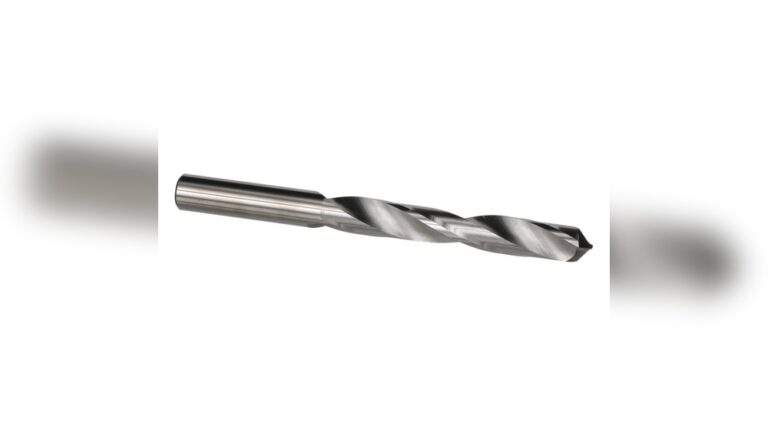
For most users, HSS Cobalt drill bits are the best choice. They last longer and stay sharp when drilling through tough stainless steel.
What To Look For In A Drill Bit
- Split point tip (135°): This design helps the bit start drilling without sliding, reducing the need for a center punch.
- Thicker web: A sturdier bit resists snapping under pressure.
- Size accuracy: Cheap bits can be undersized or oversized, making holes that don’t fit your bolts or screws.
Pro tip: Buy a small set of cobalt bits in the sizes you need most, rather than a full set. Stainless steel wears out bits, so it’s better to have a few high-quality bits than many low-quality ones.

Credit: www.youtube.com
Essential Tools And Safety Gear
Drilling stainless steel requires more than just the right drill bit. Here’s what you’ll need for a safe, successful job:
Tools
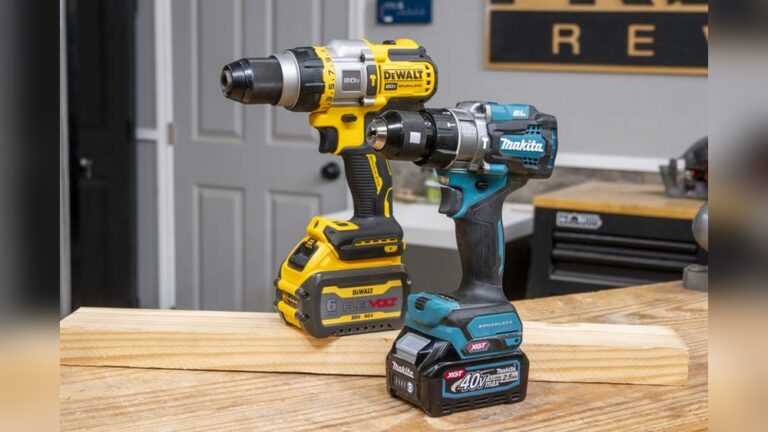
- Drill: A variable-speed corded drill is best. Cordless drills can work, but they may overheat or run out of power on larger jobs.
- Drill press (optional): If you need perfect accuracy or have many holes to drill, a drill press is ideal.
- Clamps or vise: To keep your workpiece from spinning or moving.
- Center punch: Marks the spot so the bit doesn’t skate across the surface.
- Cutting fluid or oil: Lubricates the drill bit, keeps it cool, and extends tool life.
- Measuring tools: Tape measure, ruler, or calipers for precise hole placement.
- Step drill bit (for larger holes): Starts with a small hole and gradually enlarges it.
Safety Gear
- Safety glasses: Protect your eyes from flying metal chips.
- Gloves: Wear cut-resistant gloves for handling the metal, but remove them while drilling to avoid accidents.
- Ear protection: Stainless steel can be noisy to drill.
- Dust mask: Not always needed, but helpful for long jobs.
Insight: Many beginners skip the cutting oil, thinking it’s optional. In fact, using the right lubricant is critical. It reduces friction, prevents overheating, and can double or triple the life of your drill bits.
Preparing Stainless Steel For Drilling
Preparation is often the step that makes the biggest difference. Proper setup prevents mistakes and keeps you safe.
Marking The Hole
Use a tape measure or calipers to find the exact spot for your hole. Mark it with a permanent marker or scribe.
Center Punching
Place a center punch where you want the hole. Hit it with a hammer to make a small dent. This step is crucial—if you skip it, your drill bit will wander and may scratch your workpiece.
Securing The Workpiece
Clamp the stainless steel firmly to a workbench or place it in a vise. If the metal spins, it can cause injury or damage your project. Always check that the clamps are tight before drilling.
Applying Cutting Fluid
Add a few drops of cutting fluid or oil to the marked spot. There are special oils for drilling stainless steel, but regular machine oil or even vegetable oil can work in a pinch. Reapply as needed during drilling.
Step-by-step: How To Drill Holes In Stainless Steel
Follow these steps for best results:
- Start with a pilot hole: Use a small (3-4 mm) cobalt bit to drill a guide hole. Drill slowly and let the bit do the work. Don’t force it.
- Increase drill size: If you need a larger hole, switch to the final size bit after the pilot hole is made. For very large holes, use a step bit or drill in several stages.
- Use slow speed: Stainless steel requires slow drilling speeds. High speed causes overheating and dulls your bit.
- Steady pressure: Apply firm, even pressure. Don’t push too hard; let the bit cut at its own pace.
- Keep cool: Every 10-15 seconds, stop drilling and add more cutting fluid. If you see smoke or the bit turns blue, it’s too hot.
- Break through carefully: As you near the end, reduce pressure. The drill may grab as it exits; holding firm prevents snags or ragged holes.
- Deburr the hole: Stainless steel often leaves sharp edges. Use a deburring tool, file, or sandpaper to smooth them.
Non-obvious insight: Many beginners try to drill the final hole size in one go. This almost always causes overheating and dull holes. Always start with a pilot hole for cleaner, faster results.
Drill Speed And Feed Rate: What Matters
One of the most common mistakes is drilling too fast. Here’s a simple guideline for drill speed:
- Small bits (under 6mm): 800–1000 RPM
- Medium bits (6–10mm): 400–600 RPM
- Large bits (over 10mm): 200–300 RPM
Feed rate means how fast you push the drill into the metal. Too much pressure can break the bit; too little can cause rubbing and work hardening.
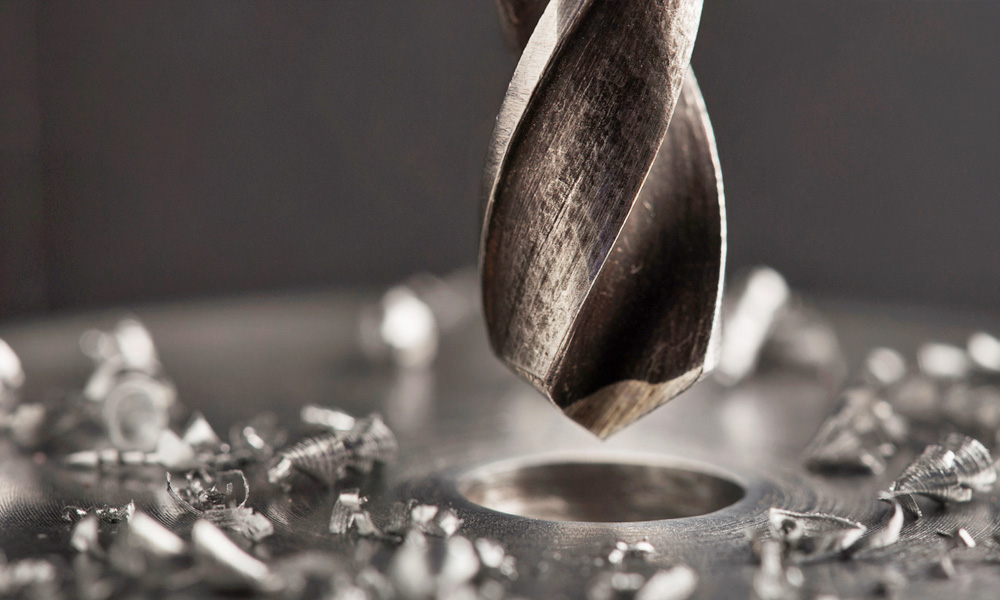
Pro insight: If you see long, curly chips coming out, your speed and feed are good. Short, blue chips or dust mean you’re going too fast or not pushing hard enough.
Credit: anchorlube.com
Common Mistakes And How To Avoid Them
Drilling stainless steel is unforgiving. Here are mistakes to watch out for:
- Skipping cutting fluid: Leads to overheating and dull bits.
- Drilling too fast: Causes work hardening and bit failure.
- Not using a center punch: Bit slides, making messy holes.
- Drilling full-size hole at once: Overheats and ruins bits.
- Poor clamping: Workpiece can spin dangerously.
- Using low-quality bits: Cheap bits wear out fast and can shatter.
- Not cleaning chips: Metal shavings can jam the bit or scratch the surface.
If you make a mistake and the bit gets stuck, reverse the drill slowly while pulling out. Never force it—broken bits can be difficult to remove.
Drilling Different Thicknesses: Thin Sheet Vs. Thick Plate
Stainless steel comes in many thicknesses, from thin kitchen backsplashes to thick industrial plates.
Thin Sheet (under 2mm)
- Clamp wood behind the metal to prevent bending and reduce burrs.
- Use light pressure to avoid deforming the sheet.
- For holes over 8mm, use a step bit.
Thick Plate (over 2mm)
- Drill pilot holes, stepping up in size for large holes.
- Keep drill speed low to avoid overheating.
- Use a drill press if possible for straight, accurate holes.
Example: For a 10mm hole in a 6mm plate:
- Drill a 4mm pilot hole.
- Enlarge to 8mm.
- Finish with a 10mm cobalt bit.
Special Techniques For Large Holes
Drilling a large hole (over 13mm) in stainless steel is challenging. Regular twist bits may not be suitable.
Best options:
- Step drill bit: Makes clean, round holes in thin to medium-thick steel.
- Hole saw: For larger diameters (like pipe pass-throughs). Use a bimetal or carbide-tipped saw.
- Annular cutter: For thick plates and industrial work; requires a magnetic drill.
Always use lots of cutting oil and drill slowly. Large holes create more heat and stress on tools.
How To Drill Stainless Steel Pipe Or Tubing
Drilling round objects adds extra risk. Here’s how to do it safely:
- Mark the spot and use a center punch.
- Clamp the pipe firmly in a V-block or between two pieces of wood.
- Use a small pilot hole to start.
- Drill at a slow speed with steady pressure.
- Deburr both inside and outside the pipe.
Extra tip: For thin-walled pipe, drill halfway from one side, then flip and finish from the other. This reduces burrs and prevents crushing.

Credit: www.youtube.com
Lubricants: Which To Use (and Why)
Cutting lubricants make a big difference in both tool life and hole quality. The right lubricant reduces friction, cools the bit, and washes away chips.
Here’s a comparison of popular lubricants:
| Lubricant | Effectiveness | Best Use | Cost |
|---|---|---|---|
| Cutting oil (sulfur-based) | Excellent | All stainless steel drilling | Medium |
| Multipurpose oil (e.g., 3-in-1) | Good | Light duty, home use | Low |
| WD-40 | Fair | Short jobs, thin metal | Low |
| Vegetable oil | Poor | Emergency only | Very Low |
Tip: Never use grease or thick oil—it can trap chips and make cutting worse.
Cleaning Up: Deburring And Finishing The Hole
After drilling, stainless steel usually has sharp edges or burrs. These can cut hands or interfere with assembly.
- Use a deburring tool to scrape edges.
- For small holes, twist a large drill bit lightly by hand to clean the edge.
- For large holes, use a round file or sandpaper.
- Vacuum or brush away metal chips—they can scratch your project or get into moving parts.
Non-obvious insight: Even a small burr can cause problems if you’re inserting bolts or running wires through the hole. Always check and deburr both sides.
Mistakes Beginners Make When Drilling Stainless Steel
Many first-time users struggle with stainless steel and make the same errors. Here’s what to watch for:
- Not using cobalt bits: Regular bits dull almost instantly.
- No cutting oil: Causes overheating, blue bits, and ruined work.
- Too much speed: High RPM burns bits and work hardens the steel.
- No pilot holes: Large bits wander and grab.
- Poor clamping: Metal spins, causing injuries or bad holes.
- Not cleaning chips: Clogs hole, damages surface.
- Ignoring safety gear: Eye injuries from flying chips are common.
Quick fix: If your bit turns blue or stops cutting, stop immediately. Let it cool, sharpen or replace the bit, and try again at a lower speed.
Maintaining Your Drill Bits
Stainless steel is rough on tools. Keeping your bits sharp and in good condition saves money and frustration.
- After drilling, wipe bits clean and oil lightly to prevent rust.
- Sharpen bits with a bench grinder or bit sharpener when dull.
- Store bits in a case to prevent chipping or bending.
Advanced tip: For heavy use, learn to sharpen your own cobalt bits. A sharp bit drills much faster, with less heat and wear.
When To Use A Drill Press Vs. Hand Drill
A drill press offers several advantages for stainless steel:
- Consistent pressure and speed.
- More accurate, straight holes.
- Safer for thick or large pieces.
Use a drill press when possible, especially for large holes or thick plates. A hand drill is fine for small or thin jobs, but requires careful control.
Real-world Example: Drilling A Stainless Steel Sink
Suppose you need to add a faucet or soap dispenser to a stainless steel kitchen sink:
- Mark the spot and center punch.
- Clamp wood under the sink to prevent deformation.
- Drill a small pilot hole (3-4 mm).
- Enlarge with a step bit to final size (e.g., 25mm for faucets).
- Use cutting oil and drill slowly.
- Deburr both sides to avoid sharp edges.
This approach prevents scratches, reduces risk of cracking, and creates a neat, professional hole.
Environmental And Health Considerations
Drilling stainless steel generates fine chips and sometimes smoke. Always work in a well-ventilated area and clean up thoroughly. Stainless chips are sharp—dispose of them safely to avoid injuries.
For larger projects, wear a dust mask. Some cutting fluids contain chemicals; check the label and wear gloves if needed.
Advanced Tips For Professionals
- For repeated holes, use a template to speed up marking and drilling.
- Use a magnetic base drill and annular cutter for large holes in thick steel.
- Consider laser or plasma cutting for complex shapes—these methods are faster and cleaner for production work.
Frequently Asked Questions
What Kind Of Drill Bit Is Best For Stainless Steel?
Cobalt drill bits (made from M35 or M42 steel) are best for most jobs. They stay sharper and resist heat better than regular HSS bits. For heavy or industrial use, consider carbide-tipped bits, but these are expensive and can break if handled roughly.
Can I Drill Stainless Steel With A Regular Drill?
Yes, you can use a regular handheld drill, but for the best results, use a variable-speed model. Keep the speed low, use cobalt bits, and apply cutting oil. For large or deep holes, a drill press is safer and more accurate.
Why Does My Drill Bit Get Dull Or Blue So Quickly?
This happens when the bit overheats. Causes include drilling too fast, not using cutting oil, or using the wrong bit type. Always drill slowly, use plenty of lubricant, and take breaks to let the bit cool if needed.
How Do I Make A Large Hole In Stainless Steel?
Start with a small pilot hole, then use a step drill bit or hole saw. Apply lots of cutting oil and drill slowly. For thick plates, consider an annular cutter with a magnetic drill. Never try to drill a large hole all at once with a twist bit.
Is Cutting Fluid Really Necessary For Drilling Stainless Steel?
Yes, cutting fluid is essential. It reduces friction, cools the bit, and improves tool life. Skipping it leads to dull bits, poor holes, and possible damage to your project.
For more on cutting fluids and metalworking, visit the Wikipedia drill bit page.
Drilling holes in stainless steel is a demanding but rewarding skill. With the right tools, careful preparation, and attention to technique, you can achieve professional results every time. Remember, patience and practice are your best friends—take your time, use quality equipment, and your stainless steel projects will shine.