Choosing a cordless drill is not just about picking a tool; it’s about selecting a work partner. Among many brands, Makita and DeWalt have earned strong reputations for their cordless drills. Both are trusted by professionals and DIY fans, but which one is right for you? This guide breaks down their differences, strengths, and weaknesses so you can make a clear choice, even if you’re new to power tools.
Brand Backgrounds: Makita And Dewalt
Understanding each company helps set the stage for a deeper comparison.
Makita is a Japanese company founded in 1915. It became famous for its innovation, especially with battery technology and lightweight designs. Today, Makita is known for building reliable tools that last for years, even with heavy use.
DeWalt is an American brand, created in 1924. It’s a favorite among construction workers and carpenters in the United States. DeWalt focuses on ruggedness and raw power, making tools that feel solid and perform well on tough jobsites.
Both brands have a loyal following. Some users stick with one brand for life, but most buyers want to know which tool will serve them best right now.
What Really Matters When Choosing A Cordless Drill
Before comparing specific models, let’s look at the key factors that actually make a difference:
- Power and Torque: Determines what materials the drill can handle.
- Battery System: Impacts run time, weight, and tool compatibility.
- Ergonomics and Weight: Affects comfort, especially for long jobs.
- Durability and Build Quality: How long the tool will last under stress.
- Features and Settings: Variable speed, clutch settings, and extras.
- Price and Value: What you get for your money.
Beginners often focus too much on maximum voltage or price alone. In reality, the right balance of these factors gives the best experience.
Head-to-head: Makita Cordless Drill Vs Dewalt
Let’s compare the typical offerings from both brands, especially their popular 18V/20V models. These are the most widely used and best reflect the average buyer’s experience.
Power And Torque
Power is more than just a number printed on the box. It’s about how much force the drill can deliver when boring through tough materials.
Makita’s flagship drills, like the Makita XFD131, use an 18V LXT battery system. They provide up to 440 in-lbs of torque, which is enough for most wood, metal, and plastic tasks. Some premium Makita models go even higher.
DeWalt’s popular 20V Max drills, such as the DCD791D2, deliver up to 460 in-lbs of torque. The 20V label is mostly a marketing difference; the real voltage under load is similar to Makita’s 18V tools.
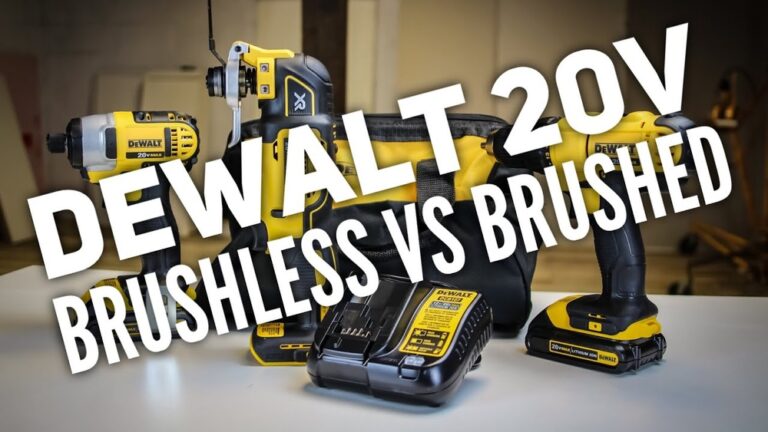
Both brands offer brushless motors in their mid-range and high-end drills. Brushless motors are more efficient, so they run longer and stay cooler.
Real-world Example
If you need to drill into hardwood or use a large spade bit, both Makita and DeWalt will perform well. But DeWalt’s extra torque can give a slight edge in heavy-duty tasks.
Non-Obvious Insight: While torque numbers are important, the battery’s ability to deliver steady power matters even more. Both Makita and DeWalt use high-quality cells, but Makita’s batteries tend to hold voltage slightly better under extreme load.
Battery System And Performance
A cordless drill is only as good as its battery. Here’s how the two systems compare:
- Makita LXT batteries use 18V packs, available in sizes from 1.5Ah to 6.0Ah. They are known for reliability and fast charging times.
- DeWalt 20V Max batteries come in similar capacities, from 1.5Ah up to 9.0Ah (FlexVolt). They also offer FlexVolt packs that can switch voltage for use in other tools.
Both brands offer quick chargers that can refill a 2. 0Ah battery in about 30-40 minutes. DeWalt’s FlexVolt system is an innovation that allows one battery to power both 20V and 60V tools, giving more flexibility for users who own several DeWalt tools.
Battery Comparison Table
Below is a simple comparison of standard battery options:
| Brand | Standard Voltage | Common Capacities | Charge Time (2.0Ah) | Cross-Compatibility |
|---|---|---|---|---|
| Makita | 18V | 1.5Ah, 3.0Ah, 5.0Ah, 6.0Ah | ~30 minutes | LXT System (over 275 tools) |
| DeWalt | 20V Max | 1.5Ah, 2.0Ah, 5.0Ah, 9.0Ah (FlexVolt) | ~35 minutes | 20V Max, FlexVolt (over 200 tools) |
Non-Obvious Insight: Makita batteries often include a battery status indicator on the pack, so you can quickly check the charge. DeWalt sometimes puts the indicator on the tool, which can confuse beginners.
Ergonomics, Size, And Weight
How a drill feels in your hand is just as important as its specs, especially for long projects.
Makita drills are known for their compact size and light weight. For example, the XFD131 weighs about 3.8 lbs with battery and has a comfortable grip with rubber overmold. People with smaller hands often find Makita easier to control.
DeWalt drills, like the DCD791D2, are slightly heavier at 3.9 lbs with battery but have a balanced feel. Their handles are a bit larger, which some users prefer. DeWalt focuses on ruggedness, so their tools sometimes have a chunkier build.
Size And Weight Comparison
Here’s a quick look at popular models:
| Model | Weight (with 2.0Ah Battery) | Length | Grip Size |
|---|---|---|---|
| Makita XFD131 | 3.8 lbs | 7.2 in | Slim |
| DeWalt DCD791D2 | 3.9 lbs | 7.5 in | Medium |
In practice, the difference is small, but if you plan to work overhead or in tight spaces, Makita’s lighter, shorter design can help reduce fatigue.
Non-Obvious Insight: Many users overlook the belt clip position. Makita usually offers reversible clips that fit left- or right-handed users. DeWalt’s clips are sometimes fixed, which can be inconvenient.
Durability And Build Quality
No one wants a drill that fails after a few months. Both brands are known for tough tools, but there are some differences in philosophy.
Makita focuses on precision engineering. Their drills use high-quality gears, smooth switches, and solid chucks. Most parts are made in Japan or China, with strict quality control.
DeWalt builds for the jobsite environment. Their drills have thicker housings, reinforced chucks, and extra seals to keep out dust and moisture. Many DeWalt drills are assembled in the USA, although parts may come from elsewhere.
Both brands offer 3-year limited warranties, but DeWalt includes a 1-year free service for repairs, which can be valuable for heavy users.
Features And Settings
Modern cordless drills come with many features. Here’s how Makita and DeWalt compare:
- Variable speed triggers: Both brands offer smooth speed control.
- Clutch settings: Makita often provides up to 21 settings, DeWalt usually has around 15.
- LED work lights: Both include bright LEDs, though DeWalt’s are often placed under the chuck for less shadow.
- Keyless chucks: Quick bit changes are standard on both.
- Belt clips and bit holders: Included with most kits.
Some Makita drills offer dual LED lights, which help reduce shadows even more. DeWalt’s XR models include intelligent electronics to prevent overheating and extend battery life.
Practical Example: If you often work in dark corners, DeWalt’s LED placement can make a difference. But for delicate screw-driving, Makita’s extra clutch settings give finer control.
Price And Value
Most buyers want the best value for their money. Prices change over time and by region, but here’s a general comparison:
- Makita XFD131 kit (drill, 3.0Ah battery, charger, case): Around $130–$150
- DeWalt DCD791D2 kit (drill, two 2.0Ah batteries, charger, case): Around $150–$180
DeWalt often includes an extra battery, which adds value. Makita’s kits sometimes include a higher-capacity battery, which means longer run time but fewer batteries.
Value Tip: If you already own other tools from Makita or DeWalt, it’s usually best to stay with the same brand so you can share batteries.
Reliability And Service
Both brands have strong reputations for reliability. Warranty coverage is similar, but service experiences can vary by location.
DeWalt has more service centers in North America, which can mean faster repairs. Makita’s service network is very strong in Asia and Europe.
If you plan to use your drill daily for construction work, local service support is a critical factor.
Real-world User Experiences
Hearing from actual users helps cut through marketing claims.
- Makita fans praise the lightweight feel and long battery life. Many say the tools last for years with only basic care. Some users report less hand fatigue, especially on overhead jobs.
- DeWalt users love the rugged build and extra torque. Many choose DeWalt because friends or coworkers use the same batteries, making it easier to share chargers and packs.
One common beginner mistake is choosing the cheapest kit without considering what else you might need. For example, buying a single-battery kit and then realizing you need a second battery for all-day projects.
Some professionals keep both Makita and DeWalt tools in their vans, using Makita for lighter work and DeWalt for heavy-duty drilling.

Credit: toolguyd.com
Special Features: What Sets Each Apart
Both Makita and DeWalt have unique innovations that may sway your decision.
Makita’s Strengths
- Star Protection Computer Controls: Prevents overloading and overheating in battery and tool.
- Fast charging: Makita’s chargers use built-in fans to cool batteries, speeding up recharge times.
- Wide LXT ecosystem: Over 275 compatible tools, from drills to lawnmowers.
- Compact tools: Especially useful for cabinetmakers, electricians, and anyone working in tight spaces.
Dewalt’s Strengths
- FlexVolt battery system: One battery for 20V, 60V, and 120V tools.
- XR Brushless line: Advanced electronics to maximize performance and lifespan.
- Jobsite durability: Extra seals, reinforced parts, and rugged cases.
- USA assembly: Many DeWalt drills are built in the United States, which appeals to some buyers.
Common Mistakes When Choosing
Many beginners make these errors:
- Ignoring tool compatibility: Buying a drill from a different brand than your other tools can make batteries and chargers useless.
- Underestimating run time: Small batteries save money but may not last through big projects.
- Overpaying for unused features: High-end models have more torque and settings, but most homeowners never need them.
Always think about your real needs. Ask yourself: Will you use the drill for heavy-duty work, or mostly for light repairs? Do you need to share batteries with other tools?

Credit: www.youtube.com
Which Should You Buy?
There’s no one-size-fits-all answer. Here’s a quick summary:
- Choose Makita if: You want a lighter, more compact drill, care about fast charging, or already own Makita tools. Good for electricians, cabinetmakers, and home users.
- Choose DeWalt if: You want maximum torque, rugged build, or already use DeWalt batteries. Ideal for construction workers, remodelers, and people who need a jobsite-tough tool.
If you’re still unsure, try each brand in a store. Hold the drill, squeeze the trigger, and see which feels better in your hand. Comfort and balance matter as much as specs.
Future-proofing Your Toolbox
Both Makita and DeWalt continue to improve their tools. Battery technologies are getting better, and new features arrive every year.
If you pick a brand with a wide ecosystem, you can add more tools later without buying extra chargers and batteries. Both Makita’s LXT and DeWalt’s 20V Max/FlexVolt platforms are safe bets for the future.
For more detailed comparisons and user reviews, the Consumer Reports website is a trusted source.

Credit: www.woolyyarn.com
Frequently Asked Questions
Which Brand Lasts Longer: Makita Or Dewalt?
Both Makita and DeWalt drills are known for long life if used correctly. With regular care, both can last five to ten years or more. DeWalt tools may handle rougher conditions due to their rugged build, while Makita drills often last longer in lighter, everyday use.
Can Makita Batteries Fit Dewalt Drills?
No, Makita and DeWalt use different battery shapes and connections. Their batteries are not interchangeable. Always stick with the same brand for your battery-powered tools.
Are Brushless Motors Worth The Extra Money?
Yes, brushless motors improve efficiency, power, and tool life. They run cooler and give longer battery run time compared to brushed motors. If you use your drill often, brushless is a smart investment.
Is Dewalt Really More Powerful Than Makita?
DeWalt’s top drills usually offer a bit more torque, which helps with tough jobs. However, Makita’s drills are powerful enough for most tasks. The difference is small for light home projects, but may matter for heavy-duty work.
What’s The Best Drill For Beginners?
Both brands offer easy-to-use kits for beginners. The Makita XFD131 is lightweight and simple, while the DeWalt DCD771C2 is also very user-friendly. Choose based on comfort in your hand and which batteries you may already own.
Choosing between Makita and DeWalt cordless drills is not just about numbers. It’s about the right fit for your hands, your projects, and your future needs. Take time to handle both, and you’ll make the right investment for years of reliable work.