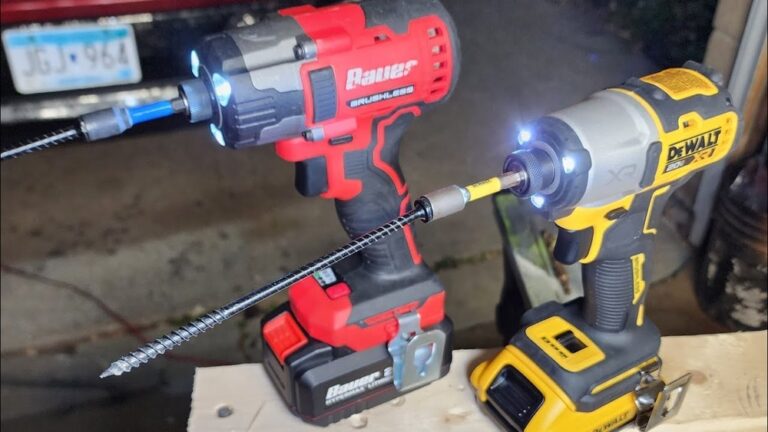
The difference between brushless and brushed drills may not seem important when you first start using power tools. But if you look closer—especially at the Dewalt 20V drill series—you’ll find that choosing the right type can change how fast you work, how long your tool lasts, and even how much money you save. Many people buy a drill just because it’s on sale or looks powerful. Later, they wonder why the battery drains quickly, or why the tool gets hot after just a few minutes. This article will help you avoid those mistakes by giving you a deep look at Dewalt 20V Drill Brushless vs Brushed models.
You’ll discover what really sets these two motor types apart—not just the marketing promises. You’ll learn how each impacts performance, cost, maintenance, and real-life use. You’ll also see clear data, tables, and examples to help you choose the right drill for your needs.
Whether you’re a homeowner, a new DIYer, or a pro who uses drills every day, this guide will give you the complete picture.
Understanding The Basics: Brushed Vs Brushless Motors
Before you compare Dewalt 20V drills, you need to know what “brushed” and “brushless” really mean. These are two types of electric motor designs—the main part that makes the drill spin.
Brushed motors use small carbon brushes that touch a spinning part called the commutator. This contact creates friction, which makes the motor work. It’s a simple, old technology.
Brushless motors are newer. They use electronics instead of brushes to control the motor. No rubbing parts means less friction, less heat, and higher efficiency.
Key Technical Differences
- Brushed motors: Have physical brushes and commutators, create friction, wear out over time.
- Brushless motors: Use electronic sensors and magnets, no brushes, last longer.
This difference may sound small, but it affects almost every part of how your drill performs.
Dewalt 20v Drill Overview
Dewalt is famous for strong, reliable tools. Their 20V Max line is one of the most popular for both home and professional use. You’ll find both brushed and brushless models in this series. They often look similar, but their motors set them apart.
The Dewalt 20V Max series offers:
- Compact, lightweight designs
- Powerful lithium-ion batteries
- A range of models (from basic to advanced)
Some popular models include:
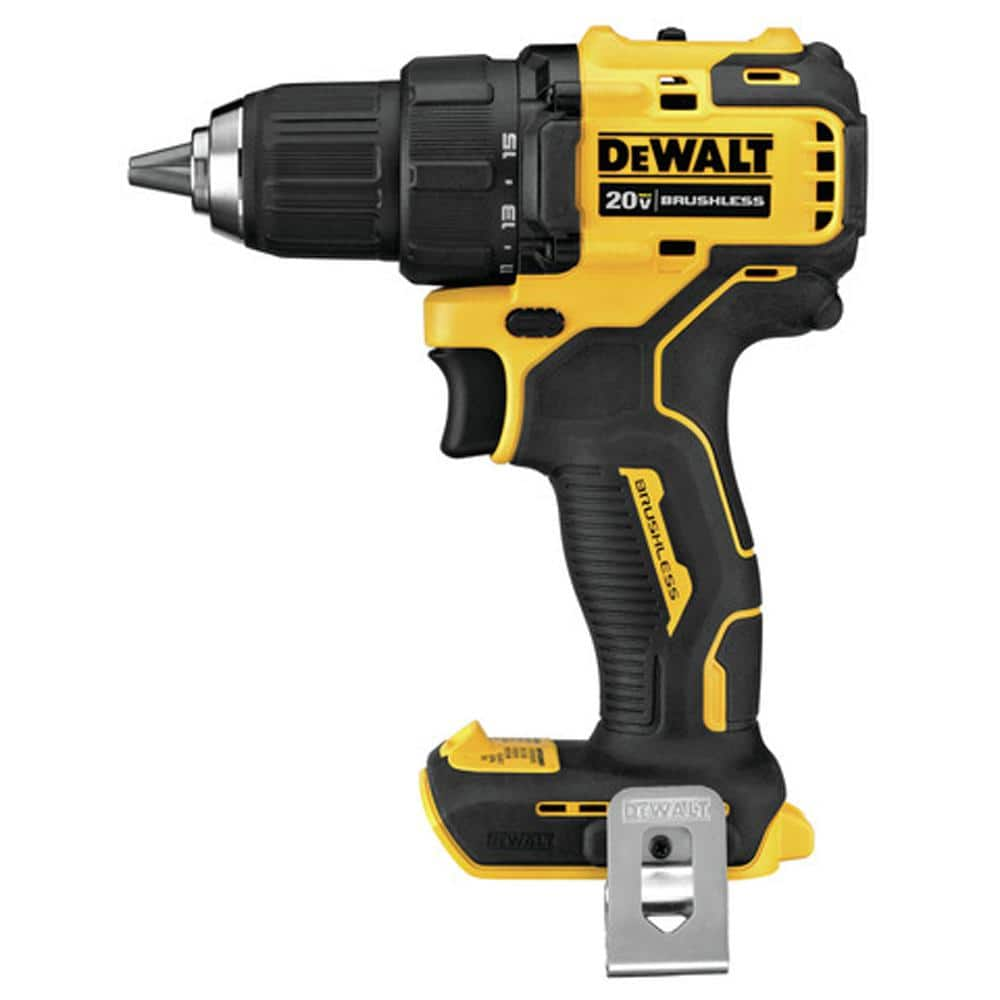
- Dewalt DCD771C2 (Brushed)
- Dewalt DCD791D2 (Brushless)
- Dewalt DCD780C2 (Brushed, compact)
- Dewalt DCD996B (Brushless, hammer drill)
You’ll often see “brushless” or “brushed” in the name or description. If not, check the specs—this is too important to guess.
Performance Comparison
Let’s get practical. How do Dewalt 20V brushless and brushed drills perform when you actually use them? Here’s a direct look at the most important factors.
Speed And Power
Brushless motors are usually more powerful for the same battery size. Why? Less friction means more energy goes into turning the drill, not making heat. For example, the Dewalt DCD791D2 (brushless) can deliver up to 460 UWO (Unit Watts Out), while the brushed DCD771C2 offers about 300 UWO.
This means brushless drills:
- Drive screws faster
- Handle tougher materials (like hardwood or metal) better
- Keep up speed even under heavy load
Battery Life
Brushless motors are also more energy efficient. Dewalt claims up to 57% longer run time for their brushless motors compared to brushed ones. In real-world use, you might notice:
- Fewer battery changes on big jobs
- More holes drilled per charge
- Less need for a backup battery
Heat And Noise
Brushed drills get hotter because of friction from the brushes. This can slow you down if you need to stop and let the tool cool. Brushless drills run cooler and quieter, which is important for comfort and safety during long projects.
Size And Weight
Brushless motors are often smaller for the same power. Many Dewalt brushless drills are more compact and lighter than their brushed cousins—great for working in tight spaces or overhead.
Data Table: Performance Comparison
Here’s a summary of real-world performance differences between Dewalt 20V brushed and brushless models:
| Feature | Brushed | Brushless |
|---|---|---|
| Average Power (UWO) | 250–350 | 350–500 |
| Battery Life (per charge) | 60–90 mins | 90–140 mins |
| Tool Weight | 3.5–4 lbs | 2.8–3.5 lbs |
| Motor Heat | Medium to high | Low |
| Noise Level | Louder | Quieter |
Durability And Maintenance
A big reason people choose brushless is long-term value.
Brush Wear And Motor Life
- Brushed drills: Brushes wear down over time (usually after 50–60 hours of heavy use), and you’ll need to replace them. Eventually, the motor itself can burn out.
- Brushless drills: No brushes means less wear. The motor can last 2–3 times longer under the same use.
Maintenance Needs
Brushless drills are almost maintenance-free. With brushed, you may need to:
- Replace brushes occasionally
- Clean out carbon dust
- Check for overheating
This is less of a problem for light, occasional use. But for professionals—or if you want a drill to last years—brushless wins easily.
Common Issues
- Brushed motors: Sudden power loss, sparking, noisy operation when brushes wear out.
- Brushless motors: Fewer failures, but more expensive to fix if electronics are damaged.

Credit: www.woolyyarn.com
Cost And Value
Price is often the first thing buyers check. But the cheapest drill is not always the best value.
Upfront Cost
Dewalt 20V brushed drills are usually $20–$60 cheaper than similar brushless models. For example:
- DCD771C2 (Brushed): About $99–$119 with battery and charger
- DCD791D2 (Brushless): About $159–$179 with battery and charger
Long-term Value
Brushless drills:
- Last longer
- Require fewer repairs
- Save money on brushes and downtime
If you use your drill often, the higher price pays for itself over time. For rare or light jobs, brushed can make sense.
Resale Value
Used brushless drills often sell for more than brushed ones, since buyers know they last longer.
Cost Comparison Table
Here’s a quick look at average prices (as of 2024):
| Model Type | Typical Price (USD) | Expected Lifespan | Maintenance Costs |
|---|---|---|---|
| Brushed | $99–$130 | 3–5 years | $10–$30 (brushes, minor repairs) |
| Brushless | $150–$200 | 7–10 years | Low (rare electronic repairs) |
User Experience And Comfort
How does the drill feel in your hand? Does it help you get the job done, or make things harder?
Vibration And Handling
Brushless drills create less vibration because there’s less internal friction. This makes them:
- Easier to control
- Less tiring during long jobs
- Better for delicate work (like cabinetry)
Balance And Design
Since brushless motors are smaller, Dewalt can design more ergonomic tools. For example, brushless models often have:
- Shorter head length (fits in tight spots)
- Lighter weight for overhead tasks
- Rubber grips and smart triggers
Brushed models may feel a bit bulkier and heavier.
Features And Technology
Brushless Dewalt drills often include smart features like:
- Tool Connect™ (Bluetooth tracking)
- Precision Drive™ (controls speed for delicate screws)
- Multiple speed settings
Brushed drills are more basic—good for simple, everyday tasks.
Application Scenarios: Which Is Best For You?
Not everyone needs a brushless drill. Here’s how to choose based on your real needs.
When A Brushed Drill Is Enough
- Light home use: Hanging pictures, assembling furniture, occasional repairs
- Budget projects: If you only need a drill 1–2 times a year
- Simple jobs: Wood, drywall, plastic—not heavy-duty materials
A brushed Dewalt 20V drill gives plenty of power for these tasks, at a lower price.
When To Choose Brushless
- Frequent use: Daily or weekly drilling, screwing, or assembly
- Heavy-duty materials: Metal, masonry, hardwood
- Pro work: Construction, remodeling, installations
- Cordless convenience: Want maximum run time from each battery
Brushless models are the better investment for anyone who values speed, reliability, or professional results.
Real-world Examples
- A homeowner who hangs shelves and fixes furniture twice a year can save money with a brushed model.
- A contractor who drills hundreds of holes a week will save time (and avoid frustration) with brushless.
Common Mistakes When Choosing A Dewalt 20v Drill
Even experienced buyers sometimes make mistakes. Here are some things beginners often miss:
- Ignoring battery compatibility: Not all Dewalt 20V batteries fit every tool or charger. Always check before you buy.
- Focusing only on price: A cheap drill that breaks or slows you down is not a bargain.
- Overlooking warranty: Dewalt brushless drills often come with longer or better warranties.
- Not considering tool weight: A heavier drill can cause hand fatigue, especially on overhead tasks.
- Missing smart features: Features like speed control and Bluetooth tracking are only on newer brushless models.
Credit: www.woolyyarn.com
Detailed Look: Popular Dewalt 20v Models
Let’s compare two of the most popular Dewalt 20V drills—one brushed, one brushless.
Dewalt Dcd771c2 (brushed)
- Power: 300 UWO
- Weight: 3.6 lbs
- Speed: 0–1,500 RPM
- Battery: 2x 1.3Ah
- Best for: Homeowners, light repairs
Pros: Affordable, reliable, easy to use
Cons: Less power, shorter battery life, heavier
Dewalt Dcd791d2 (brushless)
- Power: 460 UWO
- Weight: 3.4 lbs
- Speed: 0–2,000 RPM
- Battery: 2x 2.0Ah
- Best for: Pros, heavy users
Pros: High power, long battery, compact, advanced features
Cons: Higher price
Model Comparison Table
| Feature | DCD771C2 (Brushed) | DCD791D2 (Brushless) |
|---|---|---|
| Motor Type | Brushed | Brushless |
| Max Power (UWO) | 300 | 460 |
| Max Speed (RPM) | 1,500 | 2,000 |
| Battery Capacity | 2x 1.3Ah | 2x 2.0Ah |
| Weight | 3.6 lbs | 3.4 lbs |
| LED Light | Yes (basic) | Yes (3-mode, bright) |
| Warranty | 3 years | 3 years |
Practical Buying Advice
You now know the differences, but how do you decide in the store or online? Here’s what to do:
- List your main tasks. Are you drilling metal or just wood? Are you using the drill once a month or every day?
- Set your budget. Brushless costs more, but may save money if you use your drill often.
- Check battery options. Dewalt’s 20V batteries come in several sizes. Bigger batteries give longer run time but add weight.
- Look for deals. Sometimes brushless kits are discounted. Compare the final price with batteries and charger included.
- Read reviews. Real user feedback is valuable—look for comments about power, battery life, and tool balance.
Non-obvious tip: Some Dewalt brushless models are available as “bare tools” (no battery). If you already own Dewalt 20V batteries, this can save you money.

Credit: www.youtube.com
Environmental Impact
A detail many people miss: Brushless drills are more eco-friendly. They waste less energy, so batteries last longer and fewer end up in landfills. Also, since they last longer, you buy (and throw away) fewer tools over the years.
When Not To Choose Brushless
Brushless isn’t always the answer. You may want a brushed model if:
- You lose tools often (jobsite theft is common)
- You need a drill as a backup, not a main tool
- The difference in price is more important than run time
For some, a simple brushed drill is the smart, low-risk choice.
Insightful Takeaways
- Brushless drills offer more power, longer life, and better features—but cost more.
- Brushed drills are affordable, simple, and fine for lighter tasks.
- Most professionals choose brushless for daily use. Homeowners can often save money with brushed.
- Always compare real specs, not just marketing claims.
For deeper technical details, you can check the official Wikipedia page on brushless motors.
Choosing the right Dewalt 20V drill is not just about buying a tool—it’s about buying a partner for your projects. By understanding the real differences, you make your work easier, safer, and more productive.
Frequently Asked Questions
What’s The Main Advantage Of A Dewalt 20v Brushless Drill?
The biggest advantage is higher efficiency. Brushless drills run longer on the same battery, deliver more power, and need less maintenance than brushed drills.
Are Dewalt 20v Batteries Compatible With Both Brushed And Brushless Drills?
Yes, all Dewalt 20V Max batteries work with both brushed and brushless drills in the 20V Max line. Always check for “20V Max” on the tool and battery.
Can I Upgrade My Brushed Dewalt Drill To Brushless?
No, you can’t convert a brushed drill to brushless. The motors and electronics are completely different. You’ll need to buy a new brushless drill.
Do Brushless Drills Really Last Longer?
Yes, brushless drills have fewer moving parts that wear out. With normal use, a brushless model can last twice as long as a brushed one.
Is A Brushless Dewalt Drill Worth The Extra Cost For Diyers?
If you use your drill often, need more power, or want longer battery life, brushless is worth it. For rare, light tasks, a brushed drill can save money and still do the job.
Choosing between Dewalt 20V brushless and brushed drills is more than a technical question—it’s about what works best for your needs, budget, and projects. If you match your choice to how you really work, you’ll get better results and more value from your tool.