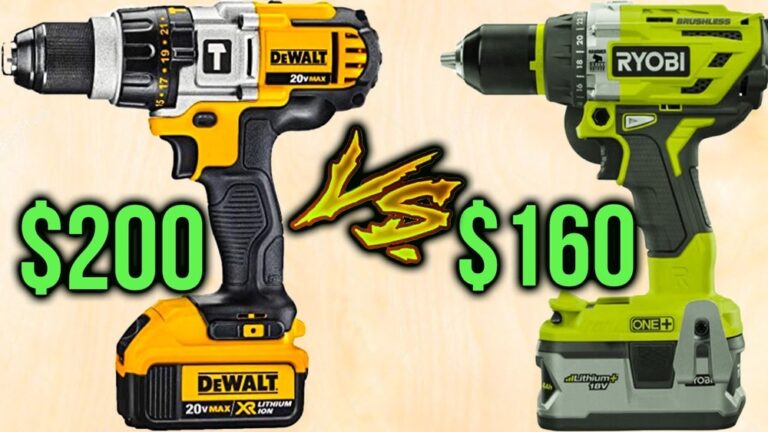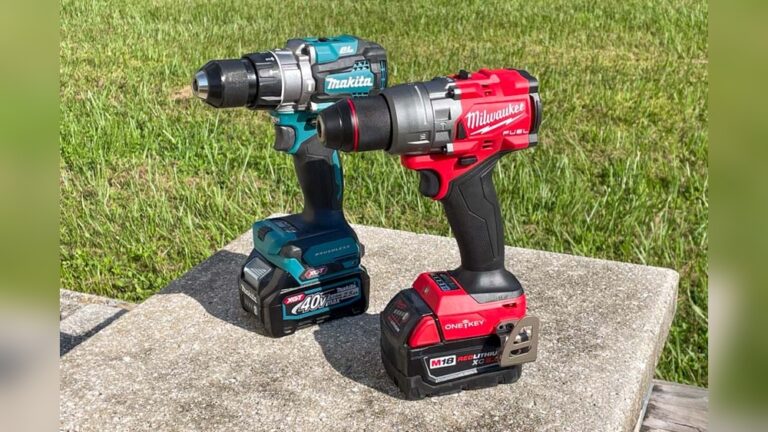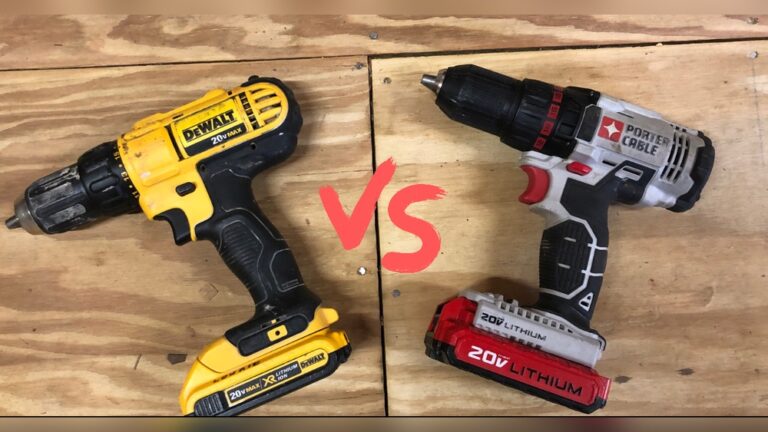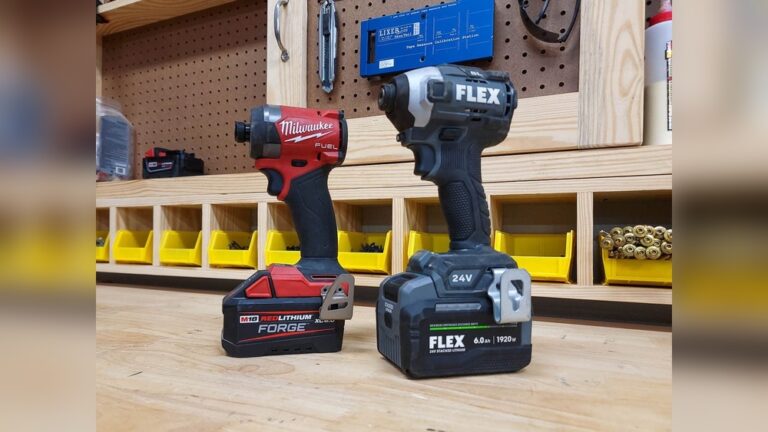
Choosing between a Dewalt drill and a hammer drill can feel confusing, especially if you’re new to power tools. Both tools are popular and can look similar at first glance. But their features, uses, and strengths are very different. Picking the wrong one can make your projects harder, damage materials, or even break the tool. If you want to work smarter, not harder, you need to understand the real differences between a Dewalt drill and a hammer drill.
In this guide, you’ll learn how each tool works, when to use one over the other, and what to consider before you buy. We’ll compare their designs, power, and real-world performance. You’ll also get advice on safety, maintenance, and smart buying tips so you can use your drill with confidence.
Whether you’re a DIY beginner or someone looking to upgrade your toolkit, this article will help you make a clear and informed choice.
What Is A Dewalt Drill?
A Dewalt drill usually refers to a cordless or corded power drill made by Dewalt, a leading brand known for tough and reliable tools. Dewalt drills are popular for their balance of power, ergonomics, and battery life. Most users choose Dewalt drills for everyday drilling and driving tasks.
Dewalt offers several types of drills:
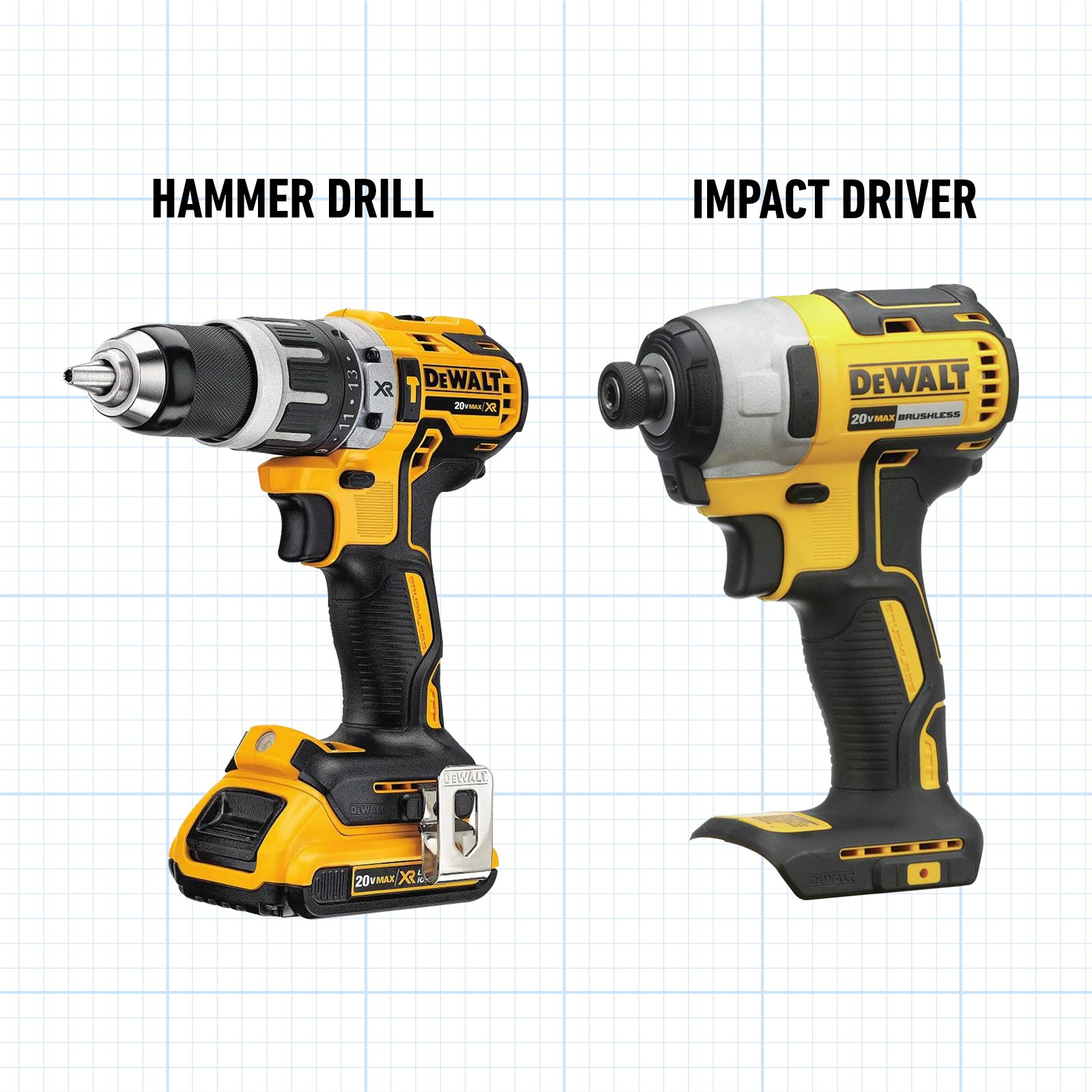
- Drill drivers: These are the most common. They can drill holes in wood, plastic, and light metal, and drive screws.
- Impact drivers: Designed mainly for driving screws and bolts with more torque.
- Hammer drills: Some Dewalt drills have a hammer function, but not all.
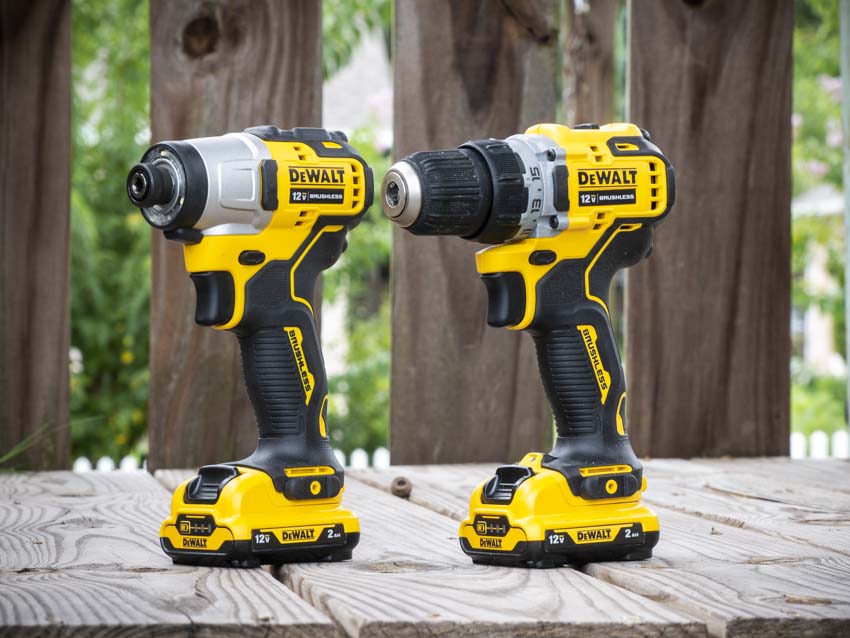
When people say “Dewalt drill,” they often mean a standard drill driver or an impact driver. These are great for most home projects, furniture assembly, and even light construction.
Key Features
- Variable speed for more control
- Brushless motors in newer models for more power and longer life
- Interchangeable batteries (for cordless models)
- Keyless chucks for fast bit changes
Common Uses
- Drilling holes in wood, drywall, and plastics
- Assembling furniture
- Installing shelves or cabinets
- Driving screws into soft materials
Dewalt drills are known for their comfort and ease of use. Even if you have small hands or little experience, you’ll find most Dewalt drills light enough to handle for long periods.
What Is A Hammer Drill?
A hammer drill is a special type of drill designed for hard materials like concrete, stone, and brick. It uses a rapid hammering motion, as well as spinning, to break up tough surfaces and drill holes where standard drills would struggle.
Hammer drills can look like regular drills but include a hammer mode. This mode makes the drill bit move forward and backward (like a mini jackhammer) while spinning. This action chips away at hard material so the bit can cut through.
Key Features
- Hammering action: Vibrates the bit rapidly
- High power motors for tough jobs
- Depth gauges for precise drilling
- Side handles for better control
Common Uses
- Drilling holes in concrete for anchors
- Installing wall plugs in masonry
- Creating holes in brick for wiring or plumbing
Hammer drills are heavier than regular drills and make more noise and vibration. They’re essential for anyone working with masonry, but overkill for light DIY tasks.
Dewalt Drill Vs Hammer Drill: Core Differences
Understanding the fundamental differences helps you choose the right tool for your project.
| Feature | Dewalt Drill (Standard) | Hammer Drill |
|---|---|---|
| Main Function | Drilling & screw driving in wood, plastic, light metal | Drilling into masonry, concrete, stone |
| Hammer Action | No (unless combo model) | Yes |
| Weight | Lighter (2-4 lbs) | Heavier (4-7 lbs) |
| Noise & Vibration | Low | High |
| Bit Type | Standard drill bits | Masonry bits |
| Best For | DIY, woodworking, metal, plastic | Masonry, renovation, heavy-duty work |
The main takeaway: Standard Dewalt drills are better for general household tasks. Hammer drills are for tough, heavy-duty jobs with masonry.
How Does A Dewalt Drill Work?
A Dewalt drill uses an electric motor to spin a bit. Some models use a brushed motor, but newer ones often have brushless motors. Brushless motors are more efficient, create less heat, and last longer. Most Dewalt drills have a trigger for variable speed, letting you start slow and increase speed as needed.
You can switch between drill mode and screw driving mode using a simple dial. The clutch lets you control how much torque (twisting force) is applied, which helps prevent over-driving screws or damaging material.
Dewalt Drill Mechanism
- Trigger: Controls speed
- Clutch: Adjusts torque
- Chuck: Holds the drill bit (often keyless for easy changes)
- Battery: Powers the tool (cordless models)
The tool’s ergonomic grip makes it comfortable, even for longer tasks. This is important if you need to drill many holes or drive lots of screws.
How Does A Hammer Drill Work?
A hammer drill has all the features of a standard drill but adds a hammering mechanism. When activated, this mechanism moves the chuck and bit forward and backward rapidly, at thousands of beats per minute (BPM). The spinning plus hammering lets the bit pulverize tough material as it drills.
Hammer Drill Mechanism
- Hammer mode: Engaged via a switch or dial
- Heavy-duty motor: Delivers both rotation and impact
- Side handle: Helps control vibration
- Depth stop: Ensures precise hole depth
Hammer drills can usually switch between regular drilling and hammer mode. This means you get two tools in one, but the added weight and vibration can cause fatigue in long sessions.
Key Factors To Consider When Choosing
Before you pick a Dewalt drill or a hammer drill, think about your main needs. Choosing the wrong type can waste money or limit your abilities.
1. Project Type
Ask Yourself: What Will You Drill Into Most Often?
- Wood, drywall, plastics, light metal: Go for a standard Dewalt drill.
- Concrete, brick, masonry: Only a hammer drill can handle these materials well.
2. Frequency Of Use
- Occasional home repairs: Dewalt drill is usually enough.
- Frequent renovation or construction: Invest in a hammer drill.
3. Power Source
Both Dewalt drills and hammer drills come in cordless and corded versions.
- Cordless: More convenient, portable, but battery may limit run time.
- Corded: Unlimited run time, usually more power, but less mobile.
4. Comfort And Weight
If you’ll use the drill for long periods, weight and grip matter. Dewalt drills are lighter and easier to hold. Hammer drills are bulkier and can strain your hands if used for more than a few minutes at a time.
5. Price
- Dewalt drills: $70-$200 for most models.
- Hammer drills: $100-$400, depending on power and features.
Don’t just choose by price. The best value is the tool that fits your needs.

Credit: www.youtube.com
Dewalt Drill: Pros And Cons
It’s helpful to weigh the strengths and weaknesses.
Pros
- Lightweight and portable
- Easy to use for beginners
- Great for a wide range of home projects
- Interchangeable batteries (for cordless models)
- Affordable compared to hammer drills
Cons
- Limited power for masonry or concrete
- May overheat with heavy use on tough materials
- Not ideal for professional-grade construction
Hammer Drill: Pros And Cons
Hammer drills offer more power, but with trade-offs.
Pros
- Can drill through concrete, stone, and brick
- Versatile: Can switch between drill and hammer mode
- Built for heavy-duty use
- Often include advanced features (depth gauge, side handle)
Cons
- Heavier and more tiring to use
- Noisy and vibrates more
- More expensive
- Overkill for simple DIY tasks
Dewalt Drill Models With Hammer Function
Some Dewalt drills are actually combination models. These are called hammer drill drivers. They look like a regular Dewalt drill but include a hammer mode for light masonry work.
For example, the Dewalt DCD996 is a cordless hammer drill/driver. It can handle both wood and masonry, but it’s not as strong as a dedicated, heavy-duty hammer drill. For most homeowners, a Dewalt hammer drill/driver is a good compromise.
When To Use A Dewalt Drill
Use a Dewalt drill for:
- Building furniture
- Hanging shelves or pictures
- Installing curtains or blinds
- Drilling pilot holes in wood
- Driving screws in drywall
A Dewalt drill is your everyday tool. It’s designed for tasks that need precision more than raw power. If you mostly work indoors, it’s likely all you need.
When To Use A Hammer Drill
Choose a hammer drill for:
- Drilling into a concrete wall
- Installing anchors in brick or stone
- Renovating basements or garages
- Running wires through masonry
- Outdoor construction projects
If you plan to drill more than 3-4 holes in concrete or brick, a hammer drill will save you time and effort. Trying to use a standard Dewalt drill on masonry will wear out your tool and bits quickly.
Practical Examples
Let’s see how each tool performs in real life.
Scenario 1: Hanging A Shelf In Drywall
A Dewalt drill is perfect. You need a pilot hole and to drive in screws. A hammer drill is not needed and may damage the wall.
Scenario 2: Installing A Tv Mount On A Brick Wall
Only a hammer drill will do. Without the hammering action, you’ll struggle to even make a dent in the brick.
Scenario 3: Building A Wooden Deck
A Dewalt drill can drive screws and drill holes in wood. But if you need to anchor posts in concrete, you’ll want a hammer drill for those holes.
These examples show why having the right tool is essential.
Credit: www.familyhandyman.com
Accessories And Drill Bits
The drill is only as good as the bit you use.
For Dewalt Drills
- Twist bits for wood and metal
- Spade bits for large holes in wood
- Screwdriver bits for driving
For Hammer Drills
- Masonry bits with carbide tips
- Percussion bits for stone and brick
Never use a standard wood bit in hammer mode—it can break or become dangerous.
| Bit Type | Material | Drill Type |
|---|---|---|
| Twist Bit | Wood, Metal, Plastic | Dewalt Drill |
| Spade Bit | Wood | Dewalt Drill |
| Masonry Bit | Concrete, Brick, Stone | Hammer Drill |
| Percussion Bit | Stone, Tile | Hammer Drill |
Safety Tips
Power tools can be dangerous if used incorrectly. Always follow these rules:
- Wear safety glasses to protect your eyes from dust and debris.
- Use ear protection when using a hammer drill; they can be very loud.
- Secure your workpiece so it doesn’t move.
- Check bits for damage before use.
- Don’t force the tool; let the drill do the work.
- Use the right bit for your material.
- Keep hands clear of the drilling area.
A non-obvious tip: If drilling concrete, start with a small pilot hole, then use a larger bit. This reduces stress on the tool and bit.
Maintenance And Longevity
Both Dewalt drills and hammer drills can last many years with proper care. Here’s how to extend their life:
- Clean dust and debris after each use, especially from the vents.
- Charge batteries properly; don’t leave cordless tools with dead batteries for long.
- Lubricate the chuck if it becomes stiff.
- Store tools in a dry place to prevent rust.
- Replace bits when dull; using dull bits overworks the motor.
A common mistake: Using a hammer drill in hammer mode for wood or metal. This can quickly ruin both the bit and the material.
Real-world Performance Comparison
To help you see the difference, here’s a side-by-side look at drilling time in different materials (based on tests with 1/4″ bits):
| Material | Dewalt Drill (Standard) | Hammer Drill (in Hammer Mode) |
|---|---|---|
| Pine Wood (2″ deep) | 4 seconds | 4 seconds |
| Drywall (1/2″) | 2 seconds | 2 seconds |
| Brick (2″ deep) | 45 seconds or fails | 8 seconds |
| Concrete (2″ deep) | Often fails | 10 seconds |
This shows the dramatic difference in performance when drilling hard materials.
Common Mistakes To Avoid
Even pros sometimes make errors. Here are mistakes beginners often make:
- Using the wrong bit for the material.
- Trying to drill concrete with a regular Dewalt drill.
- Forgetting to switch off hammer mode when drilling wood or metal.
- Holding the drill loosely, leading to poor accuracy or slipping.
- Ignoring safety gear for eyes and ears.
A less obvious mistake: Not letting the tool rest after long drilling sessions. Motors can overheat, reducing tool life.
Upgrades And Alternatives
If you already own a Dewalt drill and want to tackle masonry, consider these options:
- Buy a Dewalt hammer drill/driver: Good for light masonry and wood/metal.
- Rent a heavy-duty hammer drill for big one-time jobs.
- Get a rotary hammer: For frequent, heavy-duty concrete work. More powerful, but also more expensive.
Don’t waste money on a tool you’ll rarely use. Renting makes sense for occasional heavy jobs.
Environmental And Health Considerations
Using drills, especially hammer drills, can create a lot of dust. Concrete and brick dust can be harmful if inhaled. Always:
- Wear a dust mask
- Work in well-ventilated areas
- Clean up dust with a vacuum, not a broom
Some Dewalt and hammer drill models come with dust collection attachments. This is a smart upgrade if you work indoors.
Which One Should You Buy?
If you’re a typical homeowner or DIYer, start with a Dewalt drill. It’s more versatile for everyday use. But if you plan to drill into concrete, brick, or stone, a hammer drill is essential. For most people, a Dewalt hammer drill/driver (combo model) gives the best of both worlds.
Remember, the best tool is the one that fits your projects—not just the most powerful or expensive.
For more information on drill types and how they work, you can check the Wikipedia page on Drills.
Credit: www.protoolreviews.com
Frequently Asked Questions
What Is The Main Difference Between A Dewalt Drill And A Hammer Drill?
The main difference is the hammering action. A standard Dewalt drill spins the bit for drilling and screw driving in soft materials. A hammer drill adds a rapid back-and-forth motion that helps it break up tough materials like concrete and brick.
Can I Use A Dewalt Drill On Concrete?
A standard Dewalt drill is not designed for concrete. You need a hammer drill with a masonry bit to drill into concrete effectively. Some Dewalt models have a hammer function, but for heavy concrete work, a dedicated hammer drill is best.
Are Hammer Drills More Dangerous To Use?
Hammer drills create more vibration and noise, which can increase the risk of mistakes or fatigue. However, if used with proper safety gear (glasses, ear protection) and technique, they are not more dangerous than regular drills.
Do I Need Special Drill Bits For A Hammer Drill?
Yes. Use masonry bits (with carbide tips) for hammer drilling into stone, brick, or concrete. Standard wood or metal bits are not strong enough and can break or become unsafe.
Is It Worth Buying Both A Dewalt Drill And A Hammer Drill?
For most homeowners, a Dewalt drill or a combo hammer drill/driver is enough. If you do a lot of masonry work, owning both can make sense. Otherwise, consider renting a hammer drill for occasional tough jobs.
Making the right choice between a Dewalt drill and a hammer drill can save you time, money, and frustration. Think about your main projects and pick the tool that fits your needs. With the right drill in your hand, even tough jobs become much easier and safer.