When it comes to power tools, both professionals and DIY users know that the drill bit is as important as the drill itself. A high-quality bit can mean the difference between a clean, effortless hole and a frustrating, damaged project. In the world of drill bits, two major brands stand out—Ryobi and DeWalt. Both are trusted names with loyal followings, but which one truly delivers the best results for your money, skill level, and project type? Let’s dig deep, compare, and help you make a confident choice.
Brand Backgrounds: Ryobi And Dewalt
Understanding the brands behind the drill bits can give you useful context. Ryobi, a Japanese company, is popular among homeowners and casual DIYers. Their tools and accessories are known for affordability and wide availability, especially in big-box stores. On the other hand, DeWalt is an American brand with a century-long history of serving professionals. DeWalt’s yellow-and-black tools are often associated with durability and high performance on demanding job sites.
Both brands offer a wide range of drill bits for wood, metal, masonry, and more. However, their approach to design, price, and target users is different, and that directly affects the performance and value you get.
Types Of Drill Bits Offered
Both Ryobi and DeWalt provide various drill bit types, but there are some differences in their lineups and focus areas.
Ryobi Drill Bit Types
Ryobi focuses on offering all-in-one kits that cover most needs for light to medium-duty projects. Their main drill bit types include:
- Twist drill bits – General use for wood, plastic, and soft metals.
- Brad point bits – Designed for clean holes in wood.
- Masonry bits – For drilling into brick, stone, or concrete.
- Spade bits – For larger holes in wood.
- Hole saws – For cutting larger circles in wood and drywall.
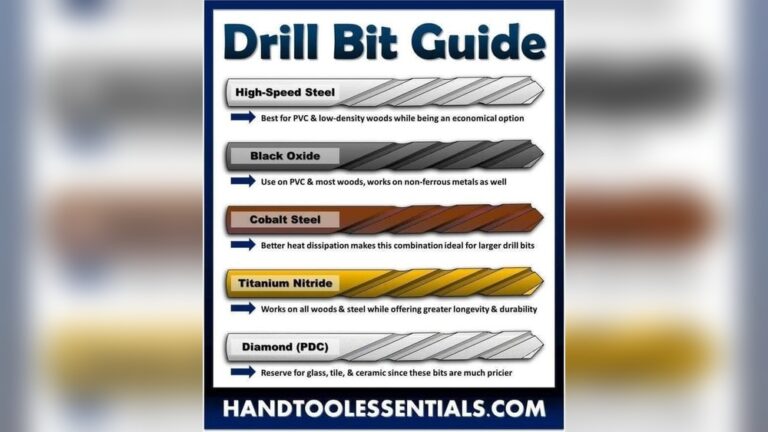
- Specialty bits – Like titanium-coated, black oxide, or cobalt bits for harder materials.
Ryobi kits often combine these types, making them attractive for beginners who want a variety of bits in one purchase.
Dewalt Drill Bit Types
DeWalt’s lineup is broader and more specialized, with a focus on durability and professional needs:
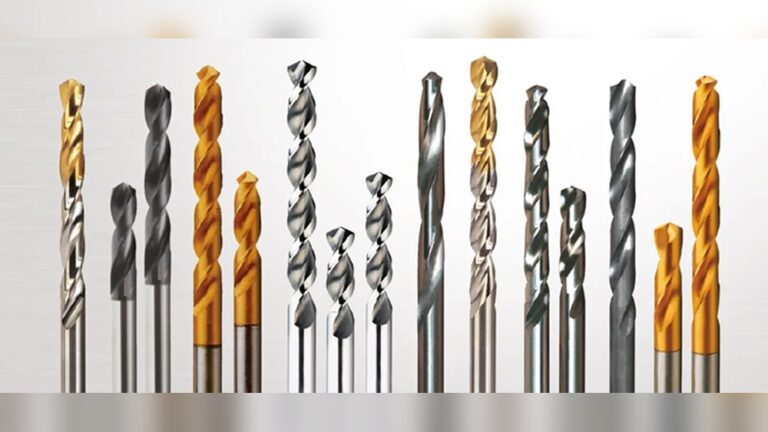
- Black oxide drill bits – Great for general-purpose drilling, with better wear resistance.
- Titanium drill bits – For heavy-duty use, especially in metal.
- Cobalt drill bits – For stainless steel and hard metals.
- Masonry drill bits – With carbide tips for longer life.
- Pilot point and split point bits – Reduce walking and allow precise starts.
- Step bits and auger bits – Designed for larger, cleaner holes in specific materials.
DeWalt offers more options for specialized tasks and professional-grade jobs.

Credit: www.reddit.com
Material Quality And Coatings
The material and coating of a drill bit determine its performance and lifespan. Here’s how Ryobi and DeWalt compare:
Ryobi Materials
Ryobi drill bits are generally made from high-speed steel (HSS). Some higher-end sets include titanium-coated or black oxide-coated bits, which increase durability and reduce friction. However, Ryobi rarely offers cobalt bits (for extra-hard metals), and their coatings tend to be thinner compared to more premium brands.
Dewalt Materials
DeWalt uses a range of materials, including HSS, but they are better known for their titanium and cobalt options. Their black oxide bits have a thicker, more uniform coating that resists corrosion and extends life. The cobalt bits are excellent for tough metals and last longer under high heat. DeWalt also tends to use more robust tips and shanks, which means less breakage.
Non-obvious insight: Many users overlook how the coating affects heat resistance. DeWalt’s thicker coatings help prevent early dulling, especially in demanding jobs, while Ryobi’s thinner coatings may wear off quickly if used on hard materials.
Performance: Cutting Speed, Cleanliness, And Durability
Performance is where many users notice the difference between Ryobi and DeWalt.
Cutting Speed
DeWalt bits generally cut faster due to sharper tips and better point designs (such as pilot and split points). This is especially noticeable when drilling into metal or hardwood. Ryobi bits are adequate for softwood and plastic, but may require more pressure and time in harder materials.
Hole Cleanliness
DeWalt’s precision-ground tips produce cleaner holes with less tear-out, especially in wood and laminates. Ryobi’s brad point bits perform well in wood, but their general-purpose bits can sometimes wander or chip the material.
Durability And Bit Life
DeWalt bits tend to last longer, especially in metal drilling. Their advanced coatings and tip designs resist heat and dulling. Ryobi bits will get the job done for light-duty use, but you may notice them dulling or breaking sooner if used heavily or on tough materials.
Non-obvious insight: Beginners often ignore drill speed and pressure. Even a good bit will dull quickly if used at the wrong speed—use slower speeds for metal, higher for wood. DeWalt’s bits are more forgiving if you make these mistakes, while Ryobi bits suffer faster.
Value And Pricing
Cost is a big factor, especially for those starting out or working on a budget.
Ryobi Pricing
Ryobi excels in affordability. Their bit sets often include a wide variety (sometimes 60+ pieces) at a low price. This makes them a good choice for someone who wants a lot of options without spending much.
Dewalt Pricing
DeWalt bits are more expensive—sometimes double the price per piece compared to Ryobi. However, you are paying for longer life and better performance, which can mean lower cost per hole over time, especially if you drill often.
Let’s compare a typical 21-piece set from each brand:
| Brand | Material | Coating | Average Price | Target User |
|---|---|---|---|---|
| Ryobi | HSS | Black oxide | $15-20 | DIY/Homeowner |
| DeWalt | HSS/Titanium | Titanium/Black oxide | $25-35 | Professional/Heavy DIY |
Range Of Kits And Accessories
The variety and packaging of drill bit sets can make a big difference in user experience.
Ryobi Kits
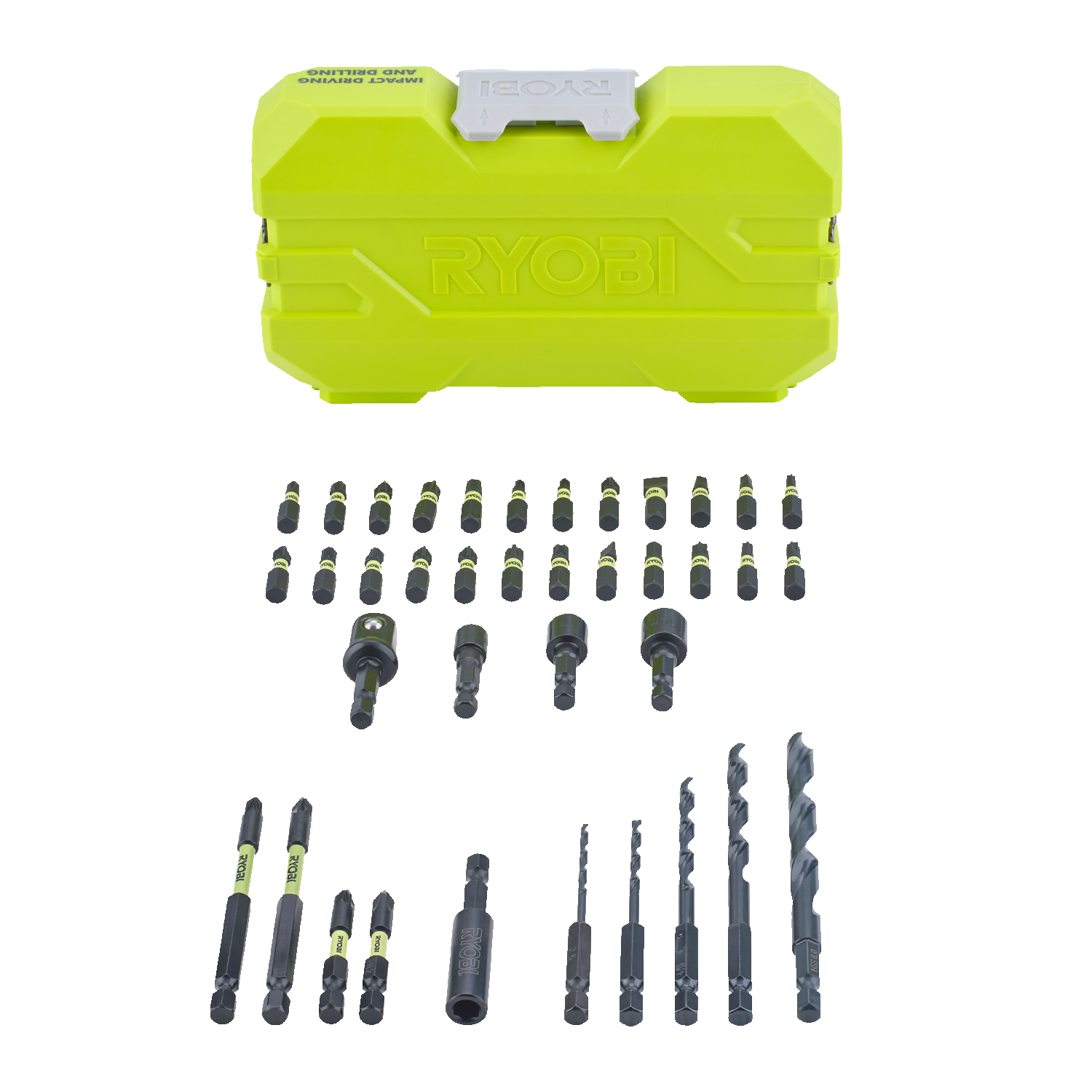
Ryobi often sells large, multi-purpose kits. These sets are great for beginners who want a bit for every situation—wood, metal, plastic, and even some screwdriver bits. The cases are lightweight, with clear labeling, but sometimes the holders are not very durable.
Dewalt Kits
DeWalt offers a mix of specialized kits (e.g., all titanium bits for metal, all masonry bits, or all pilot point bits). Their cases are rugged, stackable, and designed to keep bits in place even with rough handling. This is helpful for job sites or mobile professionals.
Another key difference: DeWalt kits often include repeat sizes for popular bits, while Ryobi’s large sets may have many unique sizes (but only one of each).
Credit: www.reddit.com
Compatibility And Shank Design
The way a drill bit fits in your drill affects both performance and safety.
Ryobi Shanks
Most Ryobi bits use a round shank, which works in all standard chucks but can sometimes slip, especially in high-torque situations. Some of their impact-rated bits use a 1/4-inch hex shank, suitable for quick-change chucks or impact drivers.
Dewalt Shanks
DeWalt offers both round and hex shank options. Their hex shank bits are more common and are especially useful for impact drivers, reducing slippage and making bit changes faster. DeWalt’s shank designs are often more robust, reducing breakage.
Practical tip: If you use an impact driver, choose hex shank bits for best results. DeWalt’s selection here is broader, especially for heavy-duty jobs.
Specialty Bits And Innovations
DeWalt has invested more in specialty and innovative bit designs, aimed at solving real-world problems.
Ryobi Specialty Bits
Ryobi’s innovation is mainly in value kits and offering basic specialty bits (like hole saws or spade bits) at a low price. They do not focus much on advanced coatings or tip designs.
Dewalt Specialty Bits
DeWalt offers pilot point, split point, and cobalt step bits. These are designed for precise starting, less walking, and drilling cleaner, larger holes. Their EXTREME Impact series is made for use with impact drivers and features stronger construction.
Example: If you need to drill stainless steel, DeWalt’s cobalt bits will do the job where Ryobi’s standard bits will struggle or fail quickly.
User Experience And Handling
Comfort and ease of use affect your results, especially if you are drilling many holes.
Handling And Balance
Ryobi bits are lighter and often have thinner shanks, which can flex and vibrate under heavy load. This is fine for casual use but less comfortable for extended drilling.
DeWalt bits are heavier, with better balance. The sharper tips require less pressure, reducing user fatigue. Their cases are also easier to open and organize.
Noise And Heat
DeWalt’s sharper bits cut faster, which means less noise and heat buildup. Ryobi bits may squeal or smoke if pushed too hard, which can dull them quickly.
Little-known fact: Excessive heat is a leading cause of early bit failure. DeWalt’s advanced coatings and sharper geometry help dissipate heat better than Ryobi’s standard bits.
Warranty And Customer Support
A good warranty can give you peace of mind, especially if you buy a large set.
Ryobi Warranty
Ryobi typically offers a limited warranty on accessories—usually 90 days to 1 year. Warranty claims for drill bits are rare, as bits are considered consumables.
Dewalt Warranty
DeWalt offers a 30-day money-back guarantee and sometimes a limited lifetime warranty on premium bits. They also have better customer support channels for professionals.
Expert tip: Always check the warranty details for the specific bit set you buy. Some DeWalt specialty bits have better coverage than their general-purpose bits.
Real-world Testing: What Do Users Say?
Looking at user reviews and field tests reveals how these bits perform outside the lab.
- Ryobi bits get praise for value and convenience. Homeowners say they’re great for simple tasks—hanging shelves, assembling furniture, or basic repairs. The most common complaints are early dulling and breaking when pushed too hard.
- DeWalt bits receive high marks for durability and clean cuts. Contractors and serious DIYers note that they last longer, especially in metal. The main complaints are the higher price and sometimes receiving duplicate sizes in kits.
Case study: In a test drilling 100 holes in pine and 100 in mild steel, DeWalt titanium bits finished the job with little dulling, while Ryobi HSS bits needed replacement after about 60-70 steel holes.
When To Choose Ryobi Drill Bits
Ryobi is a good fit if:
- You’re a beginner or occasional DIYer
- You mostly drill wood, plastic, or light metals
- You want a large kit for multiple tasks at low cost
- You accept that you may need to replace bits sooner
Money-saving tip: If you only do small projects, Ryobi gives you all the basic sizes without a big investment.
When To Choose Dewalt Drill Bits
DeWalt is better if:
- You need professional results or use bits daily
- You work with hard materials (steel, masonry, hardwood)
- You want specialty bits (pilot point, cobalt, impact-rated)
- You care about long-term value and durability
Pro insight: For metalwork, stainless steel, or frequent drilling, DeWalt’s cobalt and titanium bits are a clear winner.
Side-by-side Feature Comparison
To make your decision easier, here’s a direct feature comparison:
| Feature | Ryobi | DeWalt |
|---|---|---|
| Price per bit | Low | Medium/High |
| Bit material options | HSS, Black oxide, Titanium (limited) | HSS, Black oxide, Titanium, Cobalt |
| Coating durability | Standard | High |
| Specialty bits | Basic only | Wide range |
| Kit variety | Large, multi-use | Specialized, pro-focused |
| Warranty | Short (limited) | Better (some lifetime) |
| User type | DIY/home | Professional/heavy DIY |
Credit: aiccpn.it
Common Mistakes When Choosing Drill Bits
Many users make mistakes when buying drill bits, leading to poor results and wasted money.
- Choosing by price only: Cheap bits can cost more in the long run if they break or dull quickly.
- Ignoring material compatibility: Not all bits work on all materials. Using wood bits on metal can ruin both the bit and the workpiece.
- Buying huge kits for small jobs: More bits are not always better. Focus on the sizes you really use.
- Overlooking shank type: If you use an impact driver, you need hex shank bits. Regular round shanks will slip.
- Skipping specialty bits: For precise work (like cabinetry or metalwork), invest in specialty bits—even if they cost more.
Expert advice: Think about your most common projects and buy quality bits for those. For rare tasks, cheaper bits are fine.
Environmental And Sustainability Factors
While not always top-of-mind, sustainability is becoming more important.
- Ryobi and DeWalt both use recyclable packaging, but DeWalt’s rugged cases are more likely to be reused instead of thrown away.
- Longer-lasting bits (like DeWalt’s cobalt line) generate less waste over time, as you replace them less often.
- Neither brand advertises eco-friendly coatings, but using the right bit for the job (and not burning through cheap bits) is better for the environment.
Where To Buy And Availability
Both brands are easy to find, but their availability can differ by region.
- Ryobi is widely available at Home Depot in the US and many international retailers.
- DeWalt is found at most hardware stores, professional tool suppliers, and online.
For detailed product specs and up-to-date availability, you can check the official sites or retailers like Home Depot.
Making Your Final Choice
Choosing between Ryobi and DeWalt drill bits comes down to your needs:
- For general home use, Ryobi offers unbeatable value and variety.
- For demanding or professional work, DeWalt’s premium bits deliver cleaner cuts, last longer, and save time and effort.
- If you drill metal or masonry often, invest in DeWalt’s specialty cobalt or masonry bits.
- For large, all-in-one kits and occasional projects, Ryobi is hard to beat on price.
In the end, the right choice depends on your most common tasks, your budget, and how much you value performance over upfront cost.
Frequently Asked Questions
What Is The Main Difference Between Ryobi And Dewalt Drill Bits?
The main difference is durability and specialization. DeWalt drill bits are made for tougher jobs and last longer, especially in hard materials. Ryobi bits are affordable and best for light-duty or occasional use.
Can I Use Ryobi Drill Bits In A Dewalt Drill (and Vice Versa)?
Yes, drill bits are interchangeable as long as the shank fits your drill’s chuck. Most bits use standard sizes, but check if you need hex shank bits for an impact driver.
Are Dewalt Drill Bits Worth The Extra Money For Home Use?
If you drill often or work with metal and masonry, DeWalt bits are worth it for the extra life and cleaner holes. For rare or simple jobs, Ryobi bits are good enough.
What Is The Best Drill Bit Type For Metal?
Cobalt and titanium-coated bits are best for metal. DeWalt offers more options in this category, while Ryobi’s metal bits are better for soft metals only.
How Do I Make My Drill Bits Last Longer?
Use the right bit for the material, keep the speed low on metal, and don’t force the drill. Let the bit do the work. Lubricating the bit when drilling metal can also reduce heat and extend its life.
No matter which brand you choose, proper technique and care will improve your results and save you money in the long run. Both Ryobi and DeWalt offer solid options—just match the bit to your project, and you’ll be drilling smarter, not harder.