A twist drill bit is a small tool, but it plays a huge role in construction, metalworking, woodworking, and even DIY projects at home. If you have ever drilled a hole in wood, metal, or plastic, chances are you have used this common type of drill bit.
But what exactly is a twist drill bit? Why do professionals and hobbyists trust it for so many jobs? And how do you choose the right one for your needs? Let’s look deeper into how twist drill bits work, what makes them special, and how you can use them more effectively—no matter your level of experience.
What Is A Twist Drill Bit?
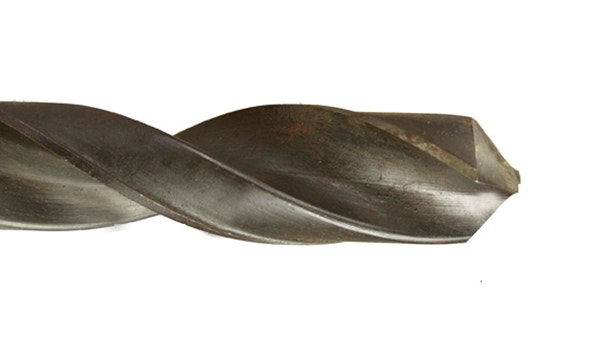
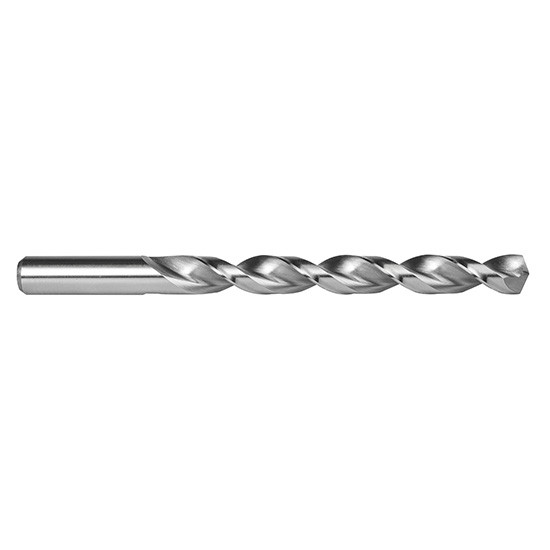
A twist drill bit is a cutting tool used to create round holes in various materials. It is called “twist” because of the spiral-shaped grooves, known as flutes, that run along its length. These flutes help remove chips and dust from the hole while you drill. The twist drill bit is the most common type of drill bit used worldwide. Its design has changed little since its invention in the late 1800s by Steven A. Morse, who wanted a more efficient way to cut holes in metal and wood.
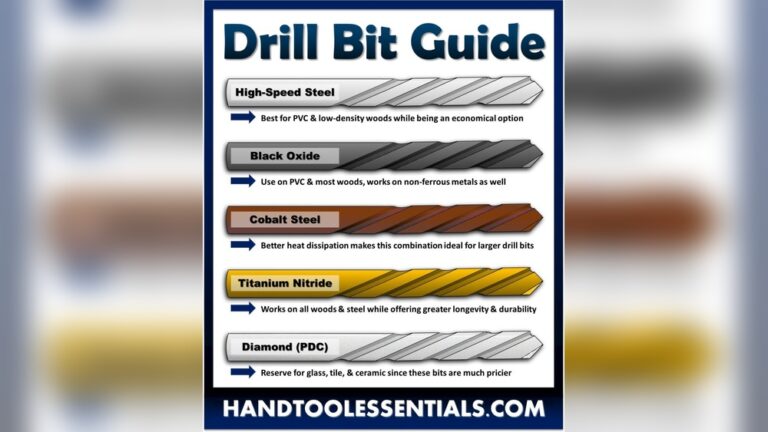
Twist drill bits are usually made from high-speed steel (HSS), though you can also find bits made from cobalt, carbide, or titanium-coated steel. These materials help the bit last longer, stay sharp, and resist heat when drilling through tough materials.
Parts Of A Twist Drill Bit
Understanding the different parts of a twist drill bit helps you see why it works so well. Each part has a specific job:
- Shank: The smooth end that fits into the drill’s chuck (the part that holds the bit).
- Body: The main section with spiral flutes that remove chips from the hole.
- Point: The sharp end that starts the hole. It usually has a conical shape.
- Cutting edges: The actual sharp edges at the tip that cut into the material.
- Web: The center part of the bit between the flutes. It gives strength to the bit.
Each of these parts affects how the drill bit performs. For example, a thicker web gives more strength but makes drilling slower, while a thinner web makes cutting easier but can break more easily.
How Does A Twist Drill Bit Work?
The twist drill bit rotates at high speed in a drill or drill press. As it spins, the cutting edges at the tip cut into the material, creating a round hole. The flutes carry away chips and dust, preventing the hole from clogging.
This action also helps cool the bit and reduces friction.
When you apply gentle, steady pressure, the bit moves deeper into the material. If you push too hard, the bit can overheat, dull, or even break. If you go too slowly, the bit may not cut efficiently and can wander off the mark.
Common Materials Used To Make Twist Drill Bits
The material of a twist drill bit is important. It affects how long the bit will last, how sharp it stays, and what materials it can drill.
- High-Speed Steel (HSS): Good for most general use. It is affordable and works on wood, plastic, and soft metals.
- Cobalt Alloy Steel: Stronger and more heat-resistant than HSS. Ideal for drilling harder metals like stainless steel.
- Carbide: Extremely hard and stays sharp longer. Used for very tough materials like hardened steel, ceramics, or composites. Usually more expensive.
- Titanium-Coated: These are HSS bits with a thin layer of titanium nitride. The coating reduces friction, extends life, and helps prevent overheating.
Choosing the right material depends on what you are drilling. For example, drilling into soft wood does not require carbide, but drilling into stainless steel does.

Credit: en.wikipedia.org
Main Types Of Twist Drill Bits
While all twist drill bits share the same basic design, there are several variations to suit different needs:
- Standard Twist Drill Bit: The most common, used for general-purpose drilling in wood, plastic, and metal.
- Jobber Length: The most popular length, offering a good balance between strength and reach.
- Stub or Screw Machine Length: Shorter bits with less flex. Used for more accurate drilling in thinner materials.
- Long Series or Aircraft Length: Extra-long bits for drilling deep holes or reaching into hard-to-reach places.
- Reduced Shank: The shank is smaller than the body, allowing you to use larger bits in drills with smaller chucks.
- Parabolic Flute: Specially shaped flutes for faster chip removal, especially in deep holes or soft materials.
Sizes And Dimensions
Twist drill bits come in many sizes. The diameter (width) of the bit decides how wide the hole will be. Length affects how deep you can drill.
- Diameter: Ranges from less than 1 mm (very fine) up to 25 mm or more (for larger holes).
- Length: Short bits are more stable; longer bits can reach deeper but may flex or break more easily.
There are three main sizing systems:
- Metric: Millimeters (mm), used worldwide.
- Fractional Inch: Inches (e.g., 1/8″, 1/4″), common in the United States.
- Number and Letter Sizes: Used for precision work, especially in metalworking.
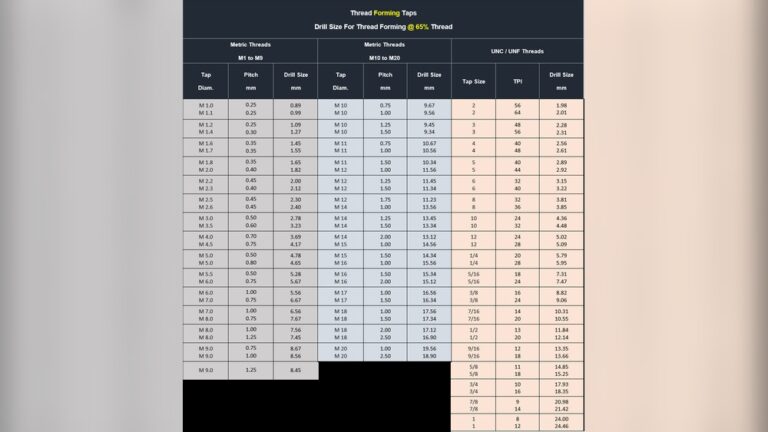
Here is a quick comparison of sizing systems for some common drill bit sizes:
| Metric (mm) | Fractional Inch | Number Size | Letter Size |
|---|---|---|---|
| 3.0 | 1/8″ | #30 | F |
| 6.35 | 1/4″ | #1 | G |
| 10.0 | 25/64″ | #7 | K |
Selecting the right size is key to getting a clean, accurate hole.
Applications Of Twist Drill Bits
Twist drill bits are everywhere. Their versatility makes them the first choice for many types of work:
- Woodworking: Drilling holes for screws, dowels, or joinery.
- Metalworking: Creating holes for bolts, rivets, or fasteners.
- Plastic fabrication: Clean holes in plastic sheets or parts.
- DIY and home repairs: Hanging shelves, assembling furniture, or installing hardware.
Professionals in construction, automotive repair, aerospace, and electronics all rely on twist drill bits for daily tasks.
Comparing Twist Drill Bits To Other Types
You might wonder why twist drill bits are so popular when there are so many other types. Let’s look at how they compare to a few other common drill bits:
| Type | Main Use | Strengths | Weaknesses |
|---|---|---|---|
| Twist Drill Bit | General purpose (wood, metal, plastic) | Versatile, widely available | Can wander on hard surfaces |
| Brad Point Bit | Wood | Accurate, clean holes in wood | Not for metal or plastic |
| Masonry Bit | Concrete, brick | Can drill stone, brick, cement | Not for metal or wood |
| Spade Bit | Wood (large holes) | Fast, wide holes in wood | Rough finish, not for metal |
This shows that twist drill bits are the best all-rounder but may not always be the best choice for every job. For example, a brad point bit gives cleaner holes in wood, while masonry bits are needed for concrete.
How To Select The Right Twist Drill Bit
Choosing the correct twist drill bit can save time and prevent problems. Here’s how to make the best choice:
- Material: Pick a bit made from the right material for your job (HSS for wood, cobalt or carbide for hard metals).
- Size: Make sure the diameter matches the hole you need. Double-check sizes if you need a tight fit.
- Length: Use shorter bits for shallow holes and better accuracy. Choose longer bits for deep or hard-to-reach places.
- Point Angle: Standard twist bits have a 118-degree point, good for most jobs. For hard metals, a 135-degree split point reduces wandering.
- Coating: Consider titanium or black oxide coatings for better durability and less friction.
- Flute Shape: Regular flutes are fine for most tasks, but parabolic flutes help remove chips faster when drilling deep.
A common mistake is using a wood bit for metal or vice versa. This can quickly ruin your bit or damage your workpiece. Always check the packaging or product details before buying.
Drilling Techniques And Tips
Using a twist drill bit may look simple, but some good habits will give you better results and protect your tools.
Marking And Center Punching
Always mark the spot you want to drill. For hard materials, use a center punch to make a small dent. This keeps the drill bit from wandering when you start.
Proper Speed And Pressure
Drill speed depends on the material and bit size:
- High speed for wood and small bits.
- Low speed for metal, plastic, or large bits.
Too much speed on metal causes heat buildup and dulls the bit quickly. Too much pressure can snap the bit, especially small ones.
Lubrication
For metal, use cutting oil or lubricant. This keeps the bit cool and extends its life. For wood, you usually do not need lubrication.
Clearing Chips
Pull the bit out regularly to clear chips, especially in deep holes. This prevents jamming and overheating.
Backing Material
When drilling through thin material, place a scrap piece behind it to prevent splintering or “blowout” as the bit exits.
Two-step Drilling
For large holes, start with a small pilot hole, then use the final size bit. This makes drilling easier and more accurate.
Credit: www.rockler.com
Caring For Twist Drill Bits
A well-maintained bit lasts longer and works better. Here are some care tips:
- Clean after use: Wipe off chips, dust, and oil.
- Store properly: Keep bits in a case or rack to prevent damage.
- Sharpen when dull: Use a bench grinder or a dedicated bit sharpener. Dull bits create heat and may damage your work.
- Check for damage: Throw away bits with bent shanks, broken flutes, or chipped points.
A good drill bit can be resharpened many times, especially HSS and cobalt bits.
Twist Drill Bit Innovations And Modern Features
Even though the basic design is old, manufacturers are always improving twist drill bits. Here are some recent innovations:
- Split point tips: These tips reduce wandering and make starting holes easier, especially on smooth or hard surfaces.
- Parabolic flutes: Improved chip removal for deep holes or soft materials.
- Multi-material coatings: New coatings like TiAlN (titanium aluminum nitride) offer even better heat resistance and less friction.
- Specialized geometry: Some bits are designed for specific materials, like plastics or composites, to prevent cracking or melting.
These features help both professionals and beginners get better results, save time, and reduce tool wear.
Non-obvious Insights: What Beginners Often Miss
- Bit Flex Can Ruin Accuracy: Long bits are more likely to flex, which can make your holes crooked. Always use the shortest bit that will do the job for better accuracy.
- Point Angle Matters: Many beginners use the same twist drill bit for all jobs, but the angle of the tip affects performance. A 135-degree split point is much better for hard metals, while 118 degrees is fine for wood and soft metals.
Another tip that beginners overlook: not all twist drill bits are created equal, even if they look similar. Cheaper bits often dull quickly and can break, leading to poor results and potential injury. Investing in a good set saves money in the long run.
Environmental And Safety Considerations
Drilling creates heat, noise, and dust. Always wear safety glasses to protect your eyes from flying chips. For metal or plastic, consider a dust mask. Secure your workpiece with clamps to prevent slipping. For large jobs, ear protection is a good idea.
Disposing of broken or worn-out drill bits can impact the environment. Some bits (especially carbide or cobalt) can be recycled at metal recycling centers.
Credit: allindustrial.com
When To Replace A Twist Drill Bit
It’s easy to keep using an old bit, but this can cause problems. Replace your bit if:
- The tip is chipped or broken.
- The bit is bent.
- It takes much longer to drill a hole, even after sharpening.
- The bit overheats quickly, showing discoloration.
Regularly checking your bits keeps your work safe and efficient.
Buying Twist Drill Bits: What To Watch Out For
When buying, avoid these common mistakes:
- Ignoring the material: Some sets are only for wood or light metal. Read the label.
- Buying only the cheapest: Low-cost bits may break or dull fast.
- Not checking the shank size: Some drills only accept certain shank sizes.
- Skipping the case: Loose bits get lost or damaged easily. A storage case is worth it.
For most home users, a good HSS set covers basic needs. For heavy use, invest in cobalt or carbide for longer life.
You can find quality information about drill bits and their history at Wikipedia.
Frequently Asked Questions
What Is The Main Advantage Of A Twist Drill Bit?
The biggest advantage is versatility. Twist drill bits can drill wood, metal, and plastic with the same bit. Their spiral design helps remove chips, keeps the hole clean, and prevents overheating.
How Do I Sharpen A Twist Drill Bit?
You can sharpen most twist drill bits with a bench grinder or a special drill bit sharpener. Hold the bit at the correct angle (usually 59 degrees per side for a standard 118-degree point). Keep both sides even for a balanced tip.
Why Does My Twist Drill Bit Wander When I Start Drilling?
This often happens on hard or smooth surfaces. To fix this, use a center punch to make a small dent before drilling. You can also use a split point bit, which is designed to start holes more accurately.
Can I Use A Twist Drill Bit In A Hand Drill?
Yes, twist drill bits fit in all standard chucks of hand drills, cordless drills, and drill presses. Make sure the shank size matches your drill’s chuck, and use the right speed for your material.
What Is The Difference Between Hss And Cobalt Drill Bits?
HSS bits are good for general use (wood, soft metal, plastic). Cobalt bits contain more cobalt alloy, making them tougher and more heat-resistant. Use cobalt for hard metals like stainless steel.
A twist drill bit may look simple, but it is a powerful, precise tool. With the right knowledge and care, it can help you work faster, safer, and with better results—whether you’re building a house, fixing a car, or just hanging a picture on the wall.