Snap On Drill Vs Milwaukee: Detailed Comparison For Smart Buyers
Choosing a power drill is not just about picking a tool—it’s about finding a partner for your toughest jobs. For many professionals and serious DIYers, the debate often comes down to Snap-on vs Milwaukee. These two brands are respected in the world of power tools, but which is right for you? The answer depends on what you value most: durability, power, cost, or warranty support. This article breaks down everything you need to know, comparing Snap-on drills and Milwaukee drills side by side. Whether you’re a mechanic, contractor, or hobbyist, you’ll learn how these tools perform in real-world conditions, what makes each brand unique, and how to avoid common mistakes when buying. By the end, you’ll know exactly which drill fits your needs—and your budget.
Brand Background: Snap-on And Milwaukee
Understanding the history and reputation of each brand helps set the stage.
Snap-on is famous for its premium hand and power tools, especially in the automotive and industrial markets. Founded in 1920, Snap-on built its reputation on quality, durability, and professional support. Many mechanics and technicians consider Snap-on the “gold standard.” Their tools are usually sold through direct sales, often from a Snap-on truck that visits workshops and garages.
Milwaukee Tool, founded in 1924, is known for innovation and reliability in the construction and electrical industries. Milwaukee products are available in tool stores and online, making them easier for most buyers to find. Over the years, Milwaukee has pioneered features like the M18 and M12 battery systems, brushless motors, and advanced electronics.
Both brands have loyal fans. Snap-on is often seen as exclusive and top-tier. Milwaukee is known for pro-level quality at a more accessible price.
Drill Lineups Compared
Both Snap-on and Milwaukee offer several cordless and corded drill models, but their lineups focus on different users.
Snap-on Drills
Snap-on’s range is narrower, with fewer models but a strong focus on cordless drill/drivers, impact drills, and hammer drills. These are targeted at professionals who need tools that last years in tough conditions.
- CT761 Series: Compact 3/8″ cordless impact drill, very popular among mechanics.
- CT8850 Series: Heavy-duty 1/2″ cordless impact wrench/drill for major jobs.
- Hammer Drills: Designed for drilling into concrete, masonry, and metal.
Most Snap-on drills use 14. 4V or 18V lithium-ion battery platforms. The brand also sells specialty air-powered drills, but these are less common today.
Milwaukee Drills
Milwaukee offers a much wider range, appealing to both home users and professionals.
- M12 Series: Compact, 12V cordless drills for light tasks and tight spaces.
- M18 Series: 18V cordless drills, including brushless models and heavy-duty hammer drills.
- FUEL Models: The top-end line, with brushless motors for longer life and better power.
- Corded Drills: Still available for those who want unlimited runtime.
Milwaukee covers everything from compact drivers to high-torque hammer drills, often with more than one model per category.
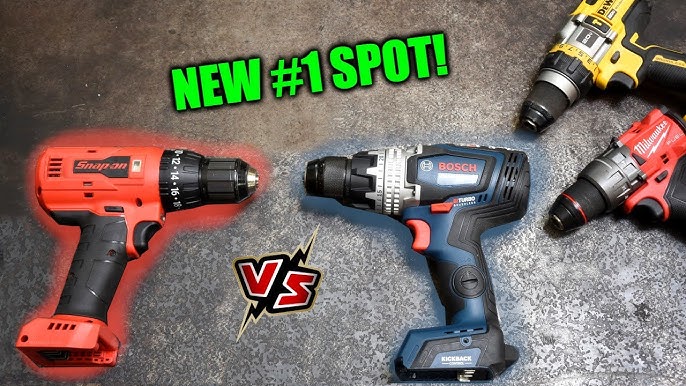
Credit: www.youtube.com
Build Quality And Durability
A major reason people pay more for Snap-on is build quality. But how does it really compare to Milwaukee?
Snap-on
Snap-on drills are built with premium metal housings, high-quality switches, and heavy-duty chucks. The weight feels balanced, and the grip is designed for all-day use. These tools are often dropped, banged, and pushed to their limits in auto shops, but they keep working for years.
The company uses strict quality control and backs up most tools with a long warranty. It’s common to see a Snap-on drill still working after 10 years, with only minor wear.
Milwaukee
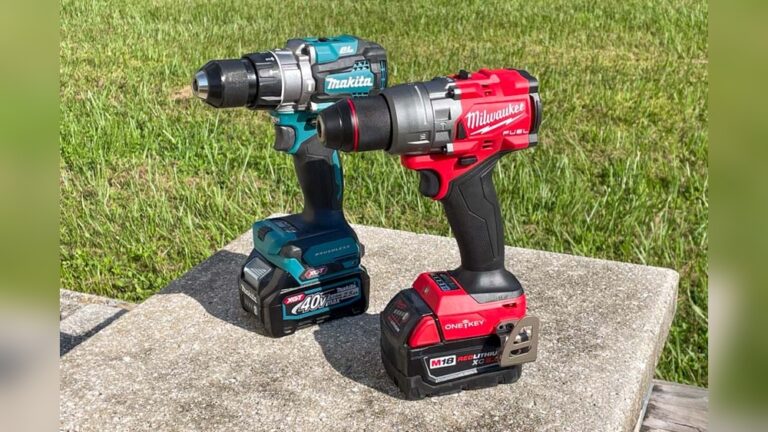
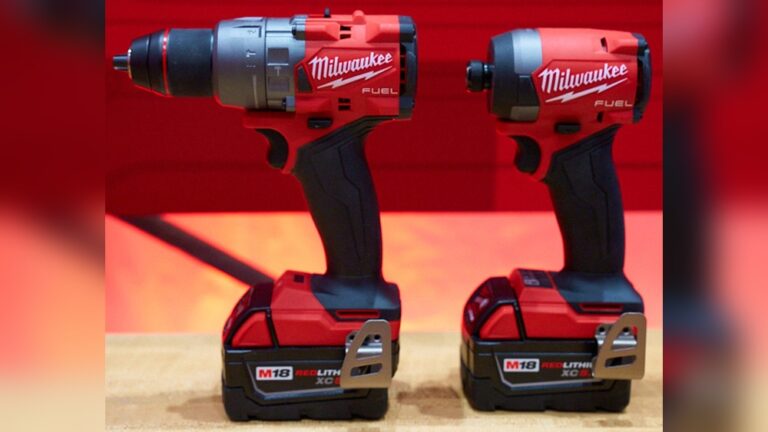
Milwaukee’s top models, especially the FUEL line, are also built to last. They use reinforced polymer and metal gearboxes for strength without adding too much weight. The fit and finish are excellent, and their drills survive drops and rough use on construction sites.
Some entry-level Milwaukee tools use more plastic and may not feel as solid as Snap-on. But their pro-grade drills compete closely with Snap-on for toughness.
Real-world Example
A mechanic might use a Snap-on CT761 every day, removing hundreds of bolts, and only need a battery replacement after years. An electrician might use a Milwaukee M18 FUEL hammer drill to drive hundreds of anchors into concrete, with the same high reliability.
Power And Performance
Power is not just about numbers on a box—it’s about how well the drill works in real tasks.
Snap-on
Snap-on drills are known for high torque. For example, the CT8850 delivers up to 600 ft-lbs of breakaway torque. Their cordless hammer drills can drive big bits through steel or concrete without stalling.
Speed settings are designed for control, which matters when working with delicate materials or in tight spaces. Battery management is optimized for steady power, not just peak numbers.
Milwaukee
Milwaukee offers a range of power options. The M18 FUEL hammer drill can deliver up to 1,200 in-lbs of torque (about 100 ft-lbs), with up to 2,000 RPM. Some Milwaukee impact wrenches can reach over 1,000 ft-lbs in heavy-duty models—surpassing Snap-on in raw numbers.
Brushless motors in the FUEL line give more power and longer life. For most users, Milwaukee’s performance will match or beat Snap-on, especially if you compare the latest models.
Side-by-side Power Data
Here’s a look at two popular models:
| Feature | Snap-on CT8850 | Milwaukee M18 FUEL 2804-20 |
|---|---|---|
| Torque | 600 ft-lbs (breakaway) | 1,200 in-lbs (drill), over 1,000 ft-lbs (impact) |
| Max RPM | 1,900 | 2,000 |
| Battery Voltage | 18V | 18V |
| Brushless Motor | No | Yes |
Insight: While Snap-on delivers steady, reliable torque, Milwaukee’s FUEL models push the limits of cordless power thanks to advanced electronics and brushless motors. But in real use, both are more than enough for most tasks.
Battery Technology
Cordless drills live or die by their batteries. Both brands use lithium-ion, but the systems are different.
Snap-on
Snap-on uses proprietary battery packs, typically 14.4V or 18V. These batteries are designed for long life and reliability. However, they are often more expensive, and you can only use Snap-on tools with Snap-on batteries.
Tip: Many users overlook the cost of spare batteries when buying Snap-on. Always check the price for extras.
Milwaukee
Milwaukee’s M12 and M18 battery platforms are among the most popular in the industry. You can use the same battery in dozens of tools—drills, saws, lights, vacuums, and more. Milwaukee batteries are widely available and more affordable than Snap-on’s.
Pro Insight: Milwaukee offers “High Output” batteries for even longer runtime and higher power, which can be a game changer for heavy users.
Battery Comparison
| Feature | Snap-on | Milwaukee |
|---|---|---|
| Battery Type | Proprietary Li-Ion (14.4V/18V) | M12/M18 Li-Ion |
| Compatibility | Only Snap-on tools | Many Milwaukee tools |
| Price (per pack) | High ($100+) | Medium ($40–$80) |
| Availability | Snap-on trucks only | Online and in stores |
Ergonomics And User Experience
A tool can be powerful, but if it’s uncomfortable, you won’t want to use it all day.
Snap-on
Snap-on drills are known for their excellent balance and comfortable grips. The weight distribution feels natural, so you get less fatigue. Many users say Snap-on tools “just feel right” in the hand, especially for long tasks.
Extra Detail: Snap-on designs their triggers and switches for easy use, even with gloves on. This is a small detail many beginners miss.
Milwaukee
Milwaukee’s pro-level drills also offer comfortable, rubberized grips and smart control layouts. The FUEL models have a slightly bulkier feel, but the controls are responsive and precise.
Some Milwaukee drills are lighter, which helps if you’re working overhead or in tight spaces. The compact M12 line is especially good for one-handed use.
Non-Obvious Insight: Milwaukee’s LED lights near the chuck are brighter and better positioned than most Snap-on models. This can be a big help in dark work areas.
Credit: www.reddit.com
Features And Technology
Both brands add features to make drilling easier and safer.
Snap-on
- Variable speed triggers for precise control
- LED work lights (but sometimes dimmer than Milwaukee)
- All-metal chucks for durability
- Battery fuel gauges on most models
- Electronic brakes for quick stops
Snap-on keeps the focus on reliability and core features, not flashy extras.
Milwaukee
- Brushless motors (FUEL line) for longer life
- Redlink Plus Intelligence: Advanced electronics to prevent overload and overheating
- Multiple clutch settings for different materials
- Superior LED lighting at the chuck
- All-metal gearboxes for strength
- Belt clips and bit holders (standard on many models)
Milwaukee often leads with new features, especially in their FUEL line.
Price And Value For Money
Price is where the biggest difference shows up.
Snap-on
Snap-on drills are much more expensive. A typical Snap-on cordless kit (drill, two batteries, charger, case) can cost $400–$600 or more. Even a single replacement battery is over $100.
You’re paying for top-tier build quality, long warranties, and in-person service. For full-time mechanics, this can be worth it. For most homeowners or DIYers, it’s hard to justify unless you want the absolute best.
Milwaukee
Milwaukee offers more options at different price points. An M18 FUEL kit can cost $250–$350, with batteries and charger. Entry-level Milwaukee drills start under $100. Accessories and batteries are less expensive and easy to find.
Important Note: If you already own other Milwaukee M18 tools, adding a drill is much cheaper, since you can use the same batteries.
Warranty And Customer Support
Warranties can protect your investment—but they work differently for these brands.
Snap-on
Snap-on offers a lifetime warranty on most hand tools, but power tools usually get a 1–2 year warranty. However, Snap-on’s in-person service is famous: if you have a problem, the local Snap-on truck often replaces the tool or battery right away.
Hidden Detail: Many buyers don’t realize Snap-on’s warranty is easier to use if you have regular access to a Snap-on truck. If you buy secondhand or online, support may be slower.
Milwaukee
Milwaukee offers a 5-year limited warranty on most cordless drills, and 2–3 years on batteries. You can get support at tool stores, online, or through authorized service centers.
Milwaukee’s system is more accessible for most buyers, but repairs may require shipping or waiting for parts.
Availability And Buying Experience
How you buy matters more than people think—especially for support and returns.
Snap-on
Snap-on tools are usually bought direct from the Snap-on truck. The salesperson visits auto shops and garages, offering payment plans and personal service. You can see and try the tool before buying.
Beginner Mistake: Some people think Snap-on tools are available everywhere. In reality, they’re hard to find in stores, and buying online can risk warranty issues.
Milwaukee
Milwaukee tools are sold in major hardware stores, online retailers, and specialty tool shops. You can often find sales, combos, or refurbished deals. If you need a replacement part or extra battery, it’s easy to find.
Milwaukee’s wide availability is a big plus for DIYers and pros who want to buy quickly or compare in person.
Applications: Who Should Choose Each Brand?
Not every user needs the most expensive tool—or the cheapest. Here’s how to match the right brand to your needs.
Snap-on Is Best For:
- Automotive professionals who need tools that work every day, under tough conditions
- People who value long-term durability and personal service over low price
- Buyers who already use other Snap-on tools and want to keep everything compatible
Milwaukee Is Best For:
- Contractors, electricians, and carpenters working in construction or home improvement
- DIYers who want pro-level features without the highest price tag
- Anyone who wants a wide range of compatible tools and batteries
Common Mistakes When Choosing
Many buyers regret their purchase because they overlook these points:
- Ignoring battery compatibility. If you already have Snap-on or Milwaukee tools, it’s often cheaper to stay in the same “family” to use the same batteries.
- Underestimating future needs. Buying a drill that’s “just enough” now can limit you later. Consider future tasks.
- Focusing only on price. The cheapest drill may cost more in the long run if it breaks or lacks features.
- Not testing the grip. Comfort matters. If possible, try the tool in person before buying.
- Missing out on sales or bundles. Milwaukee often has deals with extra batteries or accessories—this can save money.
Expert Tip: For most users, Milwaukee’s balance of price, features, and availability wins. But for all-day, everyday pro use (especially in auto repair), Snap-on’s service and build quality are hard to beat.

Credit: www.reddit.com
Real User Stories
To give you a clearer picture, here are two real-world examples:
- Tom, a master mechanic: “My Snap-on CT761 has survived five years of daily use, drops, and spills. The local Snap-on guy replaced a bad battery with no questions. It’s expensive, but it never lets me down.”
- Sarah, a general contractor: “I switched to Milwaukee M18 for my crew. The batteries work in all our tools, and the FUEL drills have power for anything. When something breaks, I just go to the hardware store for support.”
Final Comparison Table
Let’s sum up the key differences for quick reference:
| Feature | Snap-on | Milwaukee |
|---|---|---|
| Build Quality | Top-tier, metal-heavy | High (FUEL), good (others) |
| Power | High torque, steady | Very high (FUEL), wide range |
| Battery System | Proprietary, expensive | Flexible, affordable |
| Warranty | 1–2 years, strong service | Up to 5 years |
| Price | Very high | Medium to high |
| Best For | Mechanics, auto pros | Construction, DIY |
Frequently Asked Questions
What Makes Snap-on Drills So Expensive?
Snap-on drills use premium materials and have strict quality control. The higher price also covers in-person service, fast warranty support, and the brand’s reputation among professionals. You pay for tools that often last a decade or more.
Is Milwaukee As Good As Snap-on For Heavy Use?
For most heavy-duty jobs, Milwaukee’s FUEL drills match or beat Snap-on in power and features. Milwaukee’s brushless motors and advanced electronics give long life and top performance. However, Snap-on’s build quality and service can be better for daily, abusive shop use.
Can Milwaukee Batteries Work In Snap-on Drills?
No. Milwaukee and Snap-on use different battery systems. You cannot swap batteries between the two brands. Always check compatibility before buying extra batteries or tools.
Are Snap-on Drills Worth The Money For Diy?
For most DIYers, Snap-on drills are overkill. Milwaukee offers similar performance at a lower price, with easier support and more tool options. Snap-on is best for professionals who need the highest durability and in-person service.
Where Can I Learn More About Power Drill Performance?
You can find trusted reviews and technical details on the official manufacturer websites or sites like Wikipedia, which explain drill types, features, and technology in depth.
Choosing between Snap-on and Milwaukee is about matching the tool to your work style, budget, and expectations. Both brands are top choices, but the smart buyer looks beyond the logo and finds the drill that delivers the best value in the long run.