Choosing the right drill bit can make your work faster, cleaner, and safer. If you’re using a Dewalt drill, you’ve probably seen two common types: titanium and black oxide. At first, they may look similar, but they are not the same. Each type offers its own pros and cons, and the best choice depends on your needs, materials, and budget. Many beginners only look at price or brand, but understanding the real differences helps you avoid mistakes, wasted time, and even broken tools. This detailed guide will help you choose confidently between Dewalt’s titanium and black oxide drill bits, whether you’re a DIY enthusiast or a professional contractor.
What Are Drill Bit Coatings And Why Do They Matter?
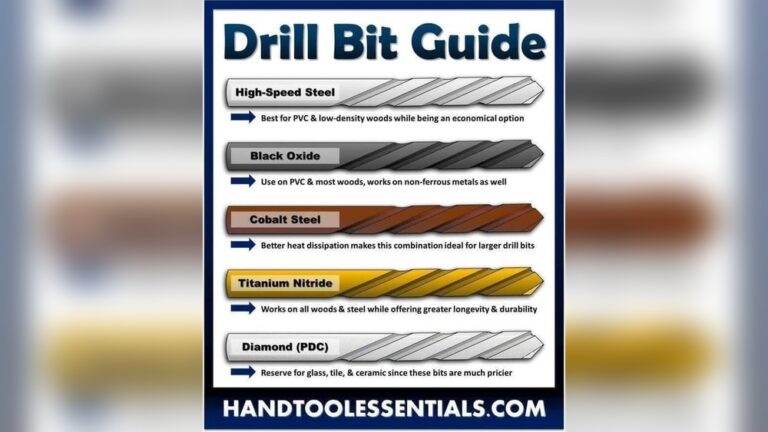
Coatings are thin layers added to the surface of a drill bit. They change how the bit acts—how long it lasts, how fast it drills, and what materials it handles best. The two most popular coatings from Dewalt are titanium nitride (often just called “titanium”) and black oxide.
A coating is not just for looks. It can make a bit:
- Last longer before dulling
- Reduce friction and heat
- Resist rust and corrosion
- Drill faster and cleaner holes
The wrong bit can get hot, lose its edge, or even snap in tough material. That’s why choosing the right coating is important for safety and efficiency.
Understanding Dewalt Titanium Drill Bits
Dewalt’s titanium bits are high-speed steel (HSS) with a layer of titanium nitride. This coating is hard, gold in color, and gives the bit special properties.
Key Features
- Harder surface: Titanium nitride makes the bit’s surface much tougher than plain steel.
- Longer sharpness: They keep their edge longer, which means cleaner holes.
- Low friction: Titanium reduces heat and friction, so you can drill faster.
- Corrosion resistance: The gold coating resists rust better than bare steel or black oxide.
Best Uses
Titanium bits work very well on:
- Wood (all types)
- Plastic
- Non-ferrous metals (like aluminum, copper, brass)
They can also drill mild steel and thin sheets of harder metals, but they are not ideal for very hard metals like stainless steel.
Limitations
- Cannot be sharpened easily: Sharpening removes the coating, so the bit loses its benefits.
- Not for concrete or masonry: These bits will dull or break quickly in stone.
- Cost: Titanium bits are usually more expensive than black oxide.
Practical Example
If you are building a wooden deck and need to make hundreds of screw holes, a titanium bit will stay sharp and cut cleanly. You’ll spend less time changing bits and more time working.
Understanding Dewalt Black Oxide Drill Bits
Dewalt’s black oxide bits are also made from high-speed steel, but they are heat-treated and given a black oxide finish.
Key Features
- Heat-treated: This process toughens the bit and gives it a deep black color.
- Some corrosion resistance: Better than bare steel, but not as good as titanium.
- Lower cost: These bits are often more affordable.
- Less friction than plain steel: The finish makes them slip through material with less heat.
Best Uses
Black oxide bits are great for:
- Woodworking (soft and hardwood)
- Plastics
- Light metals (like aluminum, brass, copper)
- General home repairs
They can drill mild steel, but will wear out faster than titanium in tougher materials.
Limitations
- Less durable: They dull faster when drilling metal.
- Not for masonry: Like titanium, these are not made for concrete or brick.
- Coating wears off: The black oxide layer can fade with heavy use, especially on metals.
Practical Example
If you need to hang shelves and drill into wood studs or drywall, a black oxide bit is a smart, budget-friendly choice.
Titanium Vs Black Oxide: Side-by-side Comparison
To help you see the main differences, here is a comparison:
| Feature | Titanium Drill Bits | Black Oxide Drill Bits |
|---|---|---|
| Material | HSS with titanium nitride coating | HSS with black oxide finish |
| Color | Gold | Black |
| Durability | High | Moderate |
| Corrosion Resistance | Excellent | Good |
| Cost | Higher | Lower |
| Best For | Wood, plastic, non-ferrous metals, mild steel | Wood, plastic, light metals |
| Sharpenable? | No (coating wears off) | Yes (but performance drops) |
Performance In Different Materials
Not all projects use the same materials. Here’s how each bit performs:
Wood
Both titanium and black oxide bits drill wood well. Titanium bits stay sharp longer, so they are better for big jobs. Black oxide is fine for small tasks or occasional use.
Metal
Titanium is much better for drilling metals, especially if you do it often. Black oxide bits will work, but dull faster and might cause rough holes.
Plastic
Either bit works for plastic. If you drill many holes or need smooth edges, titanium is a better choice.
Masonry
Neither titanium nor black oxide is right for brick, concrete, or stone. For those, use masonry bits with a carbide tip.
Cost Comparison: Is Titanium Worth The Extra Money?
Titanium bits usually cost 1.5 to 2 times more than black oxide. But price is not the only thing to consider. Here are some points to help you decide:
- Durability: Titanium bits can last up to 6 times longer than plain HSS, while black oxide may last 2-3 times longer. If you drill a lot, titanium will save you money in the long run.
- Project size: For quick home repairs or one-off jobs, black oxide is more budget-friendly.
- Mistake to avoid: Some people buy titanium bits, then use them on concrete or brick. This ruins the bit quickly and wastes your investment.
Here is a sample price comparison for a common 21-piece Dewalt drill bit set:
| Set Type | Average Price (USD) | Expected Lifespan (wood/metal) |
|---|---|---|
| Titanium | $25–$35 | Hundreds of holes |
| Black Oxide | $14–$22 | Dozens to 100+ holes |
Non-obvious insight: Even though titanium bits cost more, they can actually save money for people who drill regularly. But for one-time users, the savings may not be worth the upfront cost.
Drill Bit Maintenance And Longevity
How you care for your bits matters as much as what type you buy.
Storage
- Keep bits dry and in a case to avoid rust.
- Store by size so you don’t lose or damage them.
Cleaning
- Wipe bits after use to remove dust and chips.
- For sticky residue, use a little oil and a cloth.
Sharpening
- Titanium bits: Don’t sharpen, as this removes the coating and reduces performance.
- Black oxide bits: Can be sharpened a few times, but each sharpening wears down the protective layer.
Drilling Technique
- Use the right speed: Metals need slower speeds, wood can use higher speeds.
- Do not force the bit. Let it cut at its own pace to reduce heat.
Hidden tip: Overheating is the main reason bits wear out early. If you see smoke or the bit feels very hot, let it cool down. For metal, use a drop of cutting oil to stay cool and sharp.
When To Choose Each: Practical Scenarios
It’s helpful to see real-life situations:
You’re A Homeowner Doing Occasional Repairs
You hang pictures, fix furniture, maybe drill a few holes for shelves. Black oxide bits are affordable and will do the job well.
You’re Building A Deck Or Remodeling
Lots of repeated drilling through wood and some metal brackets? Titanium bits will save you time, effort, and money in the long run.
You Work With Metal Often
If you need to drill into aluminum, mild steel, or brass regularly, go with titanium. Black oxide bits will dull too quickly and may leave rough holes.
You Need Maximum Versatility
For a mix of wood, plastic, and light metals, titanium is the best all-purpose choice. But if cost is a big factor, a black oxide set covers most home needs.
Common mistake: Some users keep drilling with a dull bit, thinking it’s “tough enough.” This strains your drill, damages the work, and can cause accidents. Always replace or sharpen dull bits.

Credit: simpleweld.com
Key Dewalt Drill Bit Sets: Titanium And Black Oxide
Dewalt offers several popular sets. Here are examples to help you choose:
Dewalt Titanium Drill Bit Set (21-piece, Model Dw1342)
- Sizes: 1/16″ to 1/2″
- Includes: All common sizes for home and shop use
- Features: Speed Tip reduces walking (bit slipping on start), long-lasting titanium coating
- Ideal for: Wood, plastic, non-ferrous metals
Dewalt Black Oxide Drill Bit Set (20-piece, Model Dw1177)
- Sizes: 1/16″ to 1/2″
- Includes: General-purpose sizes, tough case
- Features: Parabolic flute design for better chip removal, black oxide finish resists rust
- Ideal for: Wood, plastic, light metals
Pro tip: For most homeowners, the 20- or 21-piece sets cover nearly all drilling needs. Only buy larger sets if you need very specific sizes.
Common Myths And Mistakes About Titanium And Black Oxide Bits
Some beliefs can lead to wasted money or poor results. Here are facts to keep in mind:
- “Titanium bits are made of solid titanium.”
- False. They are steel with a thin titanium nitride coating.
- “Black oxide bits work as well as titanium on metal.”
- Not true. Black oxide wears out faster and loses sharpness on metal.
- “Once dull, all bits can be sharpened with no loss.”
- Sharpening removes the coating, especially on titanium bits.
- “Color is the only difference.”
- The coatings change how the bit performs, not just how it looks.
- “Expensive bits are always better.”
- The right bit depends on the job, not just price.
Non-obvious insight: Many people damage their bits by using the wrong drill speed. Always check your drill’s manual for speed settings for wood, metal, or plastic.
Environmental And Safety Considerations
Choosing the right bit is not only about speed or cost. It’s also about safety and waste.
- Safety: Dull bits can slip, jam, or break. This can injure your hand or damage your drill.
- Waste: Buying cheap bits that wear out quickly leads to more waste. Investing in a set that lasts is better for the environment.
If you use power tools often, consider recycling dull bits at a local metal recycling center.
How To Identify Quality Drill Bits
Not all Dewalt bits are created equal. Here’s what to look for:
- Packaging: Buy from trusted stores. Fake bits are common online and may not have real coatings.
- Weight and feel: Quality bits feel solid, not flimsy.
- Tip design: Dewalt’s “Speed Tip” reduces walking and starts holes faster.
- Flute design: Parabolic flutes clear chips better, reducing heat and jamming.
Pro tip: If you see chipping, flaking, or uneven color on a new bit, return it. True titanium or black oxide coatings are even and smooth.

Credit: www.reddit.com
Real-world Feedback: User Experiences
Many users share their stories online. Here’s a summary of common feedback:
- Titanium bits: Users say they last through many projects without dulling. Many appreciate how smooth and fast they cut, especially in wood and aluminum. Some complain about the higher cost, but most feel it’s worth it for large jobs.
- Black oxide bits: Users like the price and say they are good for “around the house” jobs. Some notice they dull fast on metal, but for wood and plastic, they are happy with the value.
A study by ToolGuyd compared the lifespan of titanium and black oxide bits in drilling steel. Titanium lasted about 250 holes before dulling, while black oxide lasted about 80 holes under the same conditions.
Expert Recommendations
If you are unsure, here’s a simple rule:
- For regular drilling in wood, plastic, or light metals, titanium is the best all-around choice.
- For occasional repairs or work mostly in wood, black oxide bits are a solid, budget-friendly option.
- For heavy-duty metal work or masonry, look at other types—like cobalt or carbide-tipped bits.
If your work changes often, it’s smart to keep both sets on hand. Use titanium for tougher jobs, and save black oxide for quick fixes.
For more technical details and a deep dive into drill bit materials, you can check this Wikipedia article on drill bits.

Credit: www.reddit.com
Frequently Asked Questions
What Is The Main Difference Between Dewalt Titanium And Black Oxide Drill Bits?
The main difference is the coating. Titanium bits have a hard titanium nitride layer, which makes them last longer and stay sharper. Black oxide bits have a heat-treated finish that provides some rust resistance but wears out faster.
Can I Use Titanium Or Black Oxide Drill Bits On Concrete?
No, neither type is made for concrete, brick, or stone. For masonry, use special masonry bits with a carbide tip.
Is It Worth Paying Extra For Titanium Drill Bits?
If you drill often or work with metal, titanium is worth the extra cost because it lasts longer and cuts faster. For simple home jobs, black oxide may be enough.
How Can I Make My Drill Bits Last Longer?
- Use the correct speed for the material.
- Keep the bit cool by drilling slowly or using cutting oil on metal.
- Clean and store bits properly after use.
Do Dewalt Titanium Drill Bits Work On Stainless Steel?
They can drill thin stainless steel, but for thick or repeated drilling, you need cobalt bits. Titanium bits may dull quickly on hard metals like stainless steel.
Choosing between Dewalt titanium and black oxide drill bits is not just about price or color. It’s about matching the tool to your project, your budget, and your long-term needs. With this guide, you now have the facts, insights, and expert tips to make a smart choice and get the best results from your Dewalt drill.