Drilling into concrete can be intimidating, especially if you want a solid hold for your fastener. One of the most common anchors for concrete and masonry is the Tapcon screw, known for its strength and reliability. But if you’re installing a 5/16 Tapcon, a simple mistake—using the wrong drill bit size—can make your anchor loose, break the concrete, or even ruin your project. This guide unpacks everything you need to know about selecting the right drill bit size for a 5/16 Tapcon, and dives deep into 16 essential details every installer, DIYer, and professional should understand for perfect results.
Whether you’re hanging shelves in your garage or securing heavy equipment, you’ll soon see why proper drill bit sizing is not just a small detail—it’s the difference between a job well done and a costly redo. Along the way, you’ll learn best practices, avoid common mistakes, and get answers to the most frequent questions about Tapcon anchoring.
What Is A 5/16 Tapcon?
A 5/16 Tapcon is a concrete screw anchor designed for direct installation into hard materials like concrete, brick, or block. The “5/16” refers to the screw’s diameter—about 7.94 mm. This size is often chosen for heavier-duty applications, such as mounting large brackets, machinery, or structural supports.
Tapcon screws feature a blue, corrosion-resistant coating, making them suitable for both indoor and outdoor use. Their threads cut directly into the base material, creating a strong mechanical hold without the need for plastic plugs or expansion anchors.
Why Drill Bit Size Matters For Tapcon Screws
Choosing the correct drill bit size is critical for several reasons:
- Too small a hole: The screw may not fit, or it could bind and break.
- Too large a hole: The anchor will not grip properly, leading to a weak hold.
- Damaged concrete: Incorrect holes can cause cracks or reduce holding strength.
- Time and money: Mistakes mean re-drilling, wasted anchors, and extra work.
The Tapcon’s design relies on tight, well-defined threads cutting into the concrete. The right hole size helps the threads bite securely, giving the best pull-out strength.
The Official Drill Bit Size For 5/16 Tapcon
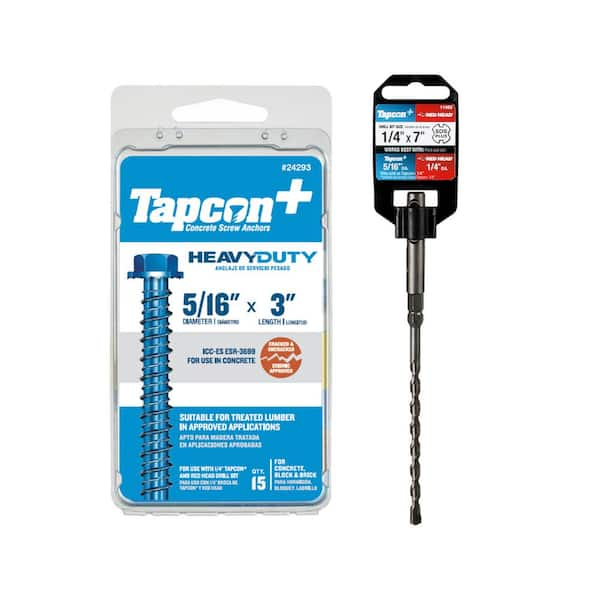
For a 5/16 Tapcon screw, the manufacturer recommends a 1/4-inch drill bit. This is a precise match—not 5/16, as many beginners mistakenly believe. The 1/4-inch hole is slightly smaller than the screw diameter, allowing the Tapcon’s threads to cut firmly into the concrete.
- Drill bit size: 1/4 inch (6.35 mm)
- Tapcon screw size: 5/16 inch (7.94 mm)
If you use a 5/16-inch drill bit, the hole will be too large, and the screw will not hold.
16 Key Details About Drill Bit Size For 5/16 Tapcon
Each of these 16 points covers a critical aspect of drill bit selection, installation, or application. Understanding all of them will help you achieve the strongest and safest results possible.
1. Manufacturer Specification Is Non-negotiable
Manufacturers like ITW Red Head (who own the Tapcon brand) have tested their products extensively. For a 5/16 Tapcon, they specify a 1/4-inch bit for a reason. Ignoring this can void warranties and lead to failure.
- Always check the packaging or manufacturer’s website for the latest sizing chart.
2. Why 1/4-inch Works For 5/16 Tapcon
It may seem odd that a smaller hole (1/4 inch) is recommended for a larger screw (5/16 inch). But this is intentional. The 5/16 Tapcon has aggressive threads designed to cut into the sides of the hole. A 1/4-inch hole leaves enough material for these threads to grip, while still letting the screw pass through.
Key insight: The holding strength comes from the threads biting into the base material—not from the screw filling the entire hole.
3. Concrete Density Matters
Not all concrete is the same. High-strength concrete (like 4000 psi or more) is much harder than older, lower-density mixes.
- In very hard concrete, you may need to “work” the bit more slowly or even use a slightly larger bit if the screw binds. But never oversize the hole beyond 1/4 inch for 5/16 Tapcon unless specified by the manufacturer.
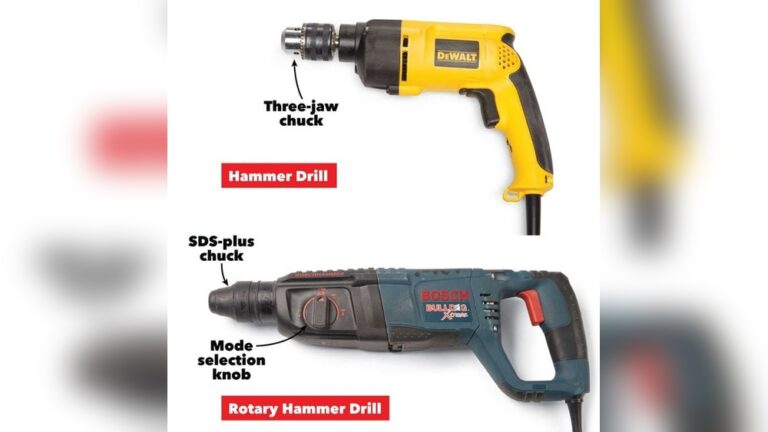
4. Hammer Drill Is Essential
Using a regular drill may not create a clean or accurate hole in concrete. A hammer drill delivers rapid blows, pulverizing the concrete as it spins.
- Using a hammer drill ensures the 1/4-inch hole is the correct size and depth, preventing slippage and premature wear on the bit.
5. Carbide-tipped Bits Are A Must
Standard steel bits can dull or snap quickly in concrete. For best results, always use a carbide-tipped masonry bit.
- These bits stay sharp longer and create a more precise hole, crucial for Tapcon anchors.
6. Depth Control Is Crucial
The hole must be deep enough for the full screw to enter, with a little extra for dust.
- For a 5/16 Tapcon, drill the hole at least 1/2 inch deeper than the screw’s embedment length.
- Example: For a 2-inch screw, drill 2.5 inches deep.
7. Avoid Reaming The Hole
Moving the bit in and out quickly or wiggling it can widen the hole unintentionally. This reduces holding strength.
- Keep the drill steady and perpendicular to the surface for a true 1/4-inch hole.
8. Clean Out The Hole Completely
Concrete dust left in the hole can stop the Tapcon from seating fully.
- Use a hole blower, compressed air, or a brush to remove all dust before inserting the screw.
9. Avoid Using Worn Drill Bits
As masonry bits wear, their diameter decreases. A bit that started as 1/4 inch may now be slightly smaller, making installation harder or impossible.
- Replace bits regularly, especially if you notice increased effort or burning smells.
10. Minimum Edge Distance
For the strongest hold, never drill too close to the edge of the concrete.
- Stay at least 1.5 inches away from any edge to prevent cracks.
- The correct hole size helps, but poor placement can still cause failures.
11. Minimum Spacing Between Holes
Placing Tapcons too close together can weaken the concrete between them.
- For 5/16 Tapcons, maintain at least 3 inches between holes.
- If you use the wrong drill bit size, this spacing becomes even more critical.
12. Temperature And Humidity Effects
Concrete expands and contracts with temperature. Drilling in very cold or hot weather can affect hole size slightly.
- In extreme cold, let the bit warm up to prevent cracking.
- Humidity can make dust clump, making it harder to clean out the hole.
13. Handheld Vs. Drill Press Accuracy
A drill press ensures a perfectly vertical hole of exact size. Most jobs use a handheld drill, but it’s easy to angle the bit accidentally.
- If possible, use a guide or jig to help keep the 1/4-inch bit perpendicular.
14. Anchor Length Selection
The drill bit size does not change with anchor length, but the depth does.
- For a 3-inch 5/16 Tapcon, you’ll still use a 1/4-inch bit—but drill deeper.
- The right depth ensures the anchor engages enough concrete for maximum strength.
15. Alternative Brands And International Sizes
Not all “concrete screws” are Tapcons, but most follow similar sizing rules.
- In metric systems, a 7.5 mm screw (close to 5/16 inch) typically uses a 6 mm drill bit.
- Always match the bit to the anchor’s instructions, not just the size.
16. Common Mistakes To Avoid
Beginners often make these errors:
- Using a 5/16 bit for a 5/16 screw: The hole is too big, and the anchor will spin without gripping.
- Using a wood or metal drill bit instead of masonry: These bits dull fast and don’t cut concrete properly.
- Not cleaning the hole: Dust acts like a lubricant, reducing holding power.
- Over-drilling: A hole that’s too deep may let the anchor “bottom out” before tightening.
Expert tip: When in doubt, check the packaging or the official Tapcon website for up-to-date information. For more technical data, visit the Tapcon Technical Information page.
Comparison Of Drill Bit Sizes For Tapcon Screws
To help you visualize how the 5/16 Tapcon compares to other common Tapcon sizes, see the following:
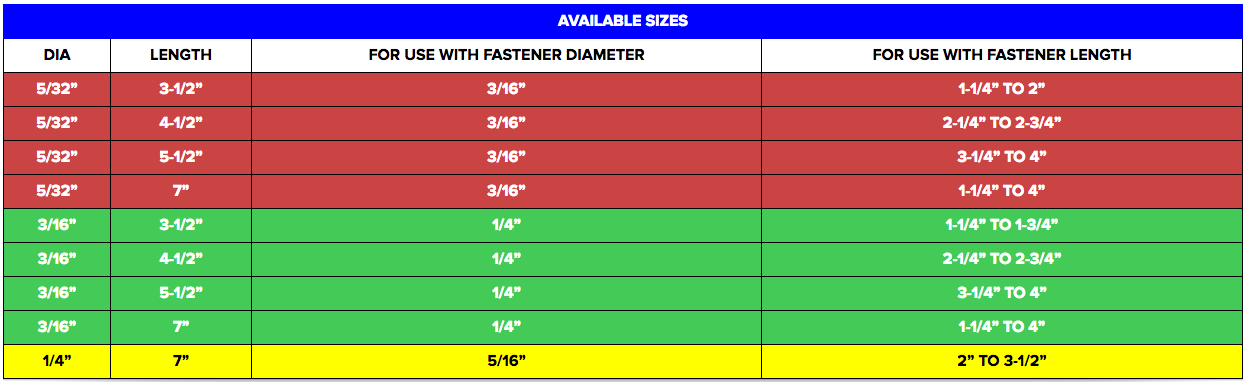
| Tapcon Screw Size | Drill Bit Size (Imperial) | Drill Bit Size (Metric) |
|---|---|---|
| 3/16 inch | 5/32 inch | 4 mm |
| 1/4 inch | 3/16 inch | 5 mm |
| 5/16 inch | 1/4 inch | 6.35 mm |
| 3/8 inch | 5/16 inch | 8 mm |
Notice how the drill bit is always slightly smaller than the screw diameter to ensure thread engagement.
Detailed Steps For Drilling And Installing A 5/16 Tapcon
A successful installation depends not only on using the right drill bit size but also on following a clear process:
- Mark the spot where you want to install the anchor.
- Insert the 1/4-inch carbide-tipped masonry bit into your hammer drill.
- Set the drill depth to the length of the screw plus 1/2 inch.
- Drill straight into the concrete at the marked spot, keeping the drill steady.
- Withdraw the bit and use compressed air or a hole brush to clean out all dust.
- Align your fixture over the hole.
- Insert the 5/16 Tapcon screw through your fixture into the hole.
- Drive the screw using an impact driver or strong drill until snug. Do not overtighten, as this can strip the hole.
Practical tip: If you hit rebar, stop and move the hole location if possible. Drilling through steel requires special bits and can reduce anchor strength.
Credit: www.homedepot.com
How Drill Bit Wear Affects Hole Size
A new 1/4-inch bit may produce a hole that is exactly 0. 250 inches. After repeated use, the bit’s diameter can shrink by 0. 01 inches or more, making it much harder to insert the Tapcon.
Here’s how bit wear affects installation:
| Bit Condition | Actual Hole Size | Effect on Installation |
|---|---|---|
| New | 0.250″ | Optimal thread engagement |
| Moderately worn | 0.240″ | Harder to drive, possible screw breakage |
| Severely worn | 0.230″ | Screw may not fit, risk of anchor failure |
Always inspect your bits before starting an important job.
How Depth And Hole Cleanliness Affect Holding Power
Pullout strength depends on both depth and cleanliness. Even with the correct 1/4-inch bit, a shallow or dusty hole reduces anchor effectiveness.
| Embedment Depth | Estimated Pullout Strength | Impact of Dust |
|---|---|---|
| 1 inch | ~ 1,000 lbs | Up to 30% reduction |
| 1.5 inches | ~ 1,500 lbs | Up to 30% reduction |
| 2 inches | ~ 2,000 lbs | Up to 30% reduction |
The numbers above are for reference only. Actual holding power depends on concrete quality and installation technique.
Non-obvious Insights Most Beginners Miss
- Do not use a “close enough” drill bit. Even a 7/32-inch bit (0.21875 inches) instead of 1/4 inch (0.25 inches) can make driving the screw far more difficult, risking breakage.
- Reusing holes is risky. If you remove a Tapcon, the hole will be larger and less able to grip a new screw. Always drill a fresh hole if possible.
Many beginners think a slightly oversized bit is “safer,” but this almost always leads to loose anchors.
Safety Tips When Drilling For Tapcons
- Wear safety glasses to protect eyes from flying dust and debris.
- Use gloves to reduce vibration and improve grip.
- Secure loose clothing and tie back long hair to prevent entanglement.
- Keep bystanders clear while drilling.
Credit: www.tapcon.com
When To Use Different Anchor Types
A 5/16 Tapcon is ideal for many jobs, but there are situations where a different anchor might be better:
- For hollow block: Consider sleeve or toggle anchors.
- For seismic or vibration-prone areas: Use wedge anchors or epoxy-set bolts.
- For soft or crumbly concrete: A larger diameter anchor may perform better.
Advanced Tips For Pros
- Test each new drill bit with a scrap block before starting your main project.
- Use a depth stop on your drill for consistent hole depths.
- Label your bits by size and replace them regularly.
- Keep a spare bit on hand for large jobs.

Credit: www.lowes.com
Frequently Asked Questions
What Happens If I Use A 5/16 Drill Bit For A 5/16 Tapcon?
If you use a 5/16-inch drill bit for a 5/16 Tapcon, the hole will be too large. The screw threads will not bite into the concrete, leading to a weak hold. The anchor may spin in the hole or pull out under load.
Always use the recommended 1/4-inch bit.
Can I Use A Regular Drill Instead Of A Hammer Drill For Tapcons?
While it’s possible to use a regular drill, it’s much harder and slower. The hole may not be as clean or true, increasing the risk of anchor failure. A hammer drill is strongly recommended for concrete or masonry.
How Deep Should I Drill The Hole For A 5/16 Tapcon?
Drill the hole at least 1/2 inch deeper than the length of the screw to allow for dust and full insertion. For example, for a 2-inch Tapcon, drill at least 2. 5 inches deep.
Is It Okay To Redrill The Same Hole If The Tapcon Doesn’t Grip?
No. Once the hole is enlarged, the threads will not hold as well. Move the anchor location or use a larger diameter Tapcon if possible. Reusing holes is not recommended for maximum strength.
Are Tapcons Removable And Reusable?
Tapcons can be removed but are not designed to be reused in the same hole. The threads cut into the concrete and will not grip as well a second time. For best results, always drill a new hole for each installation.
Concrete anchoring is about precision. When you use the correct 1/4-inch drill bit for your 5/16 Tapcon, you get maximum strength and durability. Taking time to understand the details—like bit wear, hole depth, and cleaning—sets your projects apart and makes your installations last. With these 16 key insights, you’ll work safer and more confidently every time you anchor to concrete.