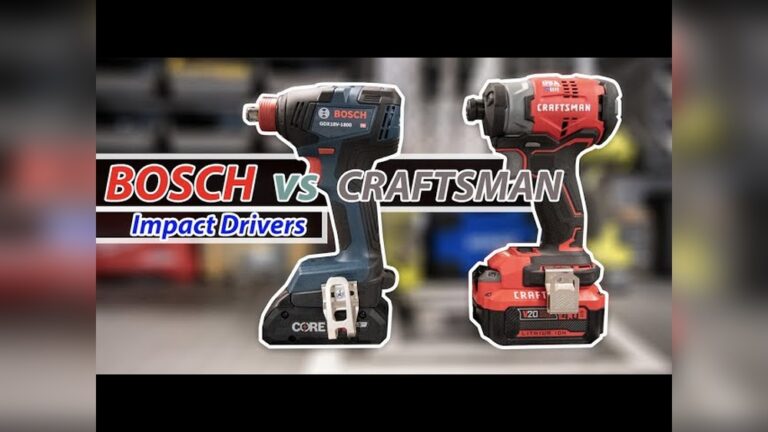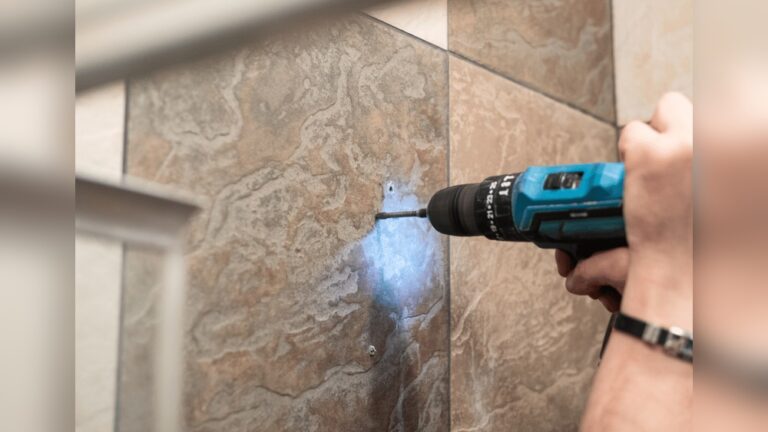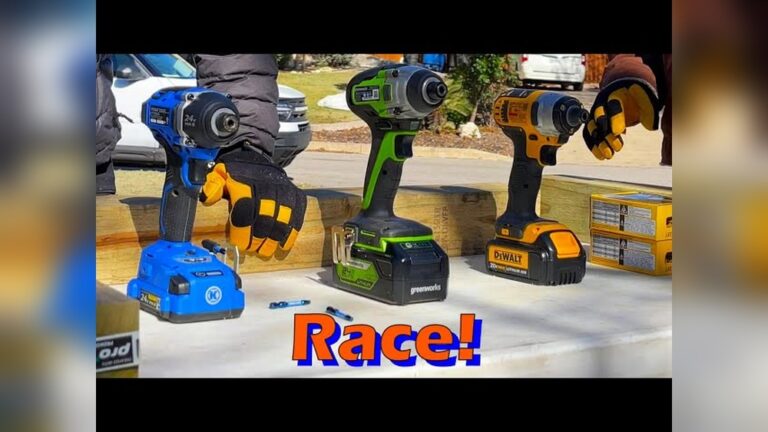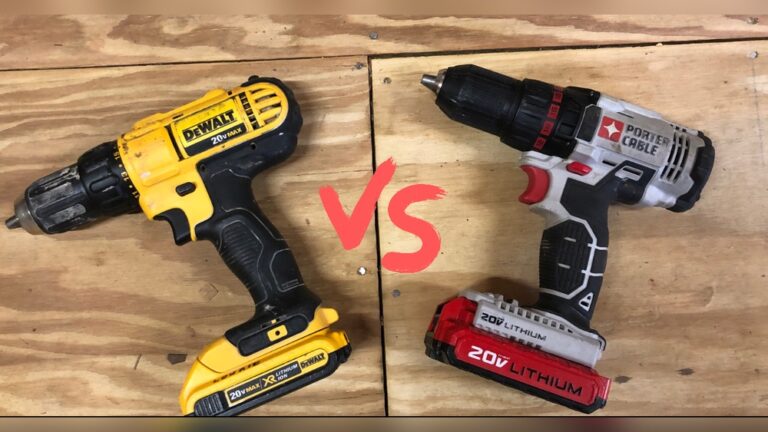
When you need to drill into concrete, brick, or hard stone, choosing the right tool makes a big difference. Both rotary hammers and rotary drills are popular options, but their designs and strengths are quite different. Many people confuse them, but using the wrong tool can slow you down, damage your project, or even hurt your equipment. Understanding the core differences helps you work faster, safer, and with better results.
This guide explains everything you need to know about rotary hammers and rotary drills. It covers how each tool works, what jobs they are best for, the pros and cons, and important buying tips. You’ll find real-world examples, practical insights, and answers to common questions.
Whether you’re a homeowner, a new contractor, or a DIY fan, this article will help you make an informed decision and avoid costly mistakes.
What Is A Rotary Hammer?
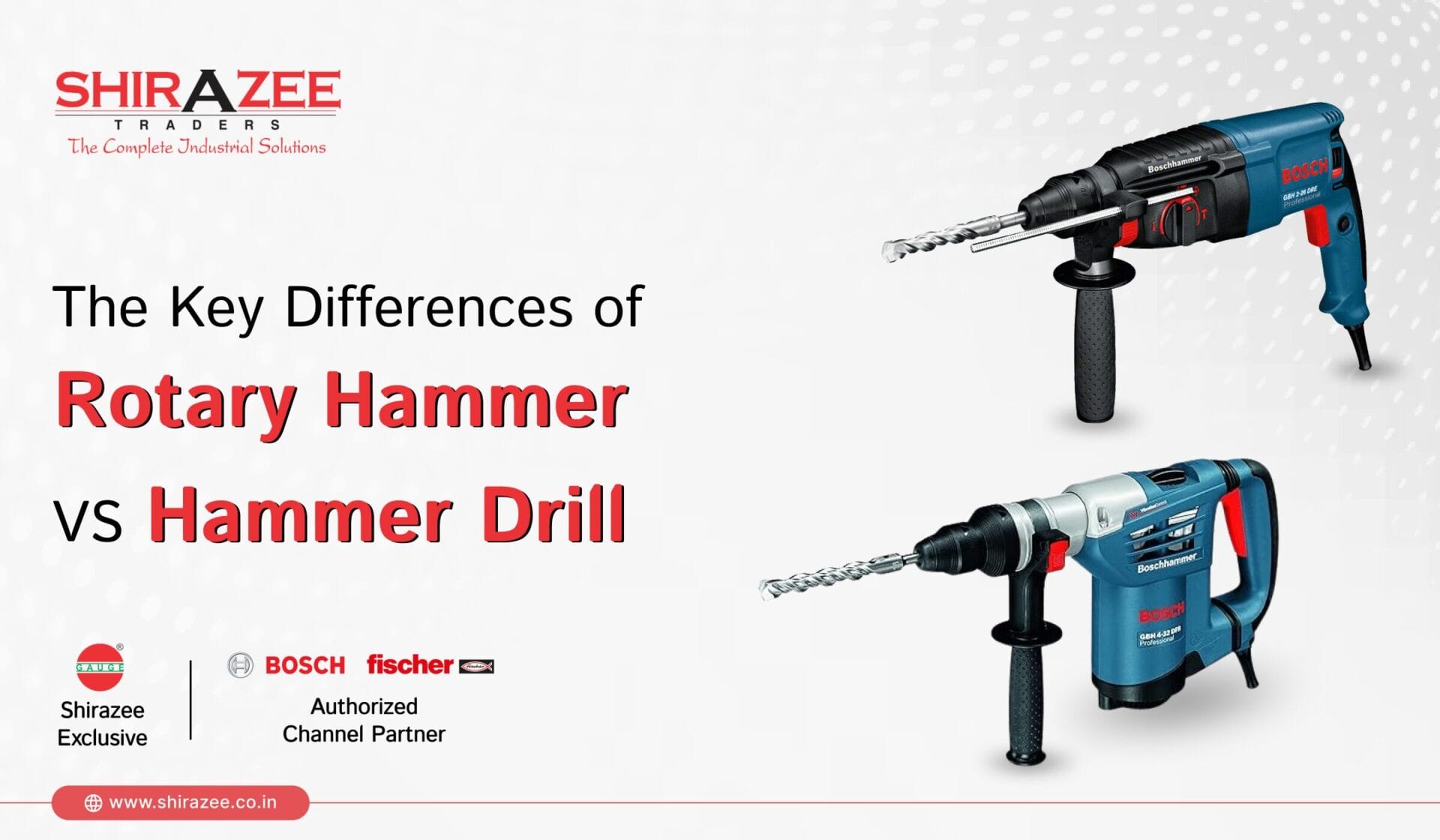
A rotary hammer is a heavy-duty power tool made for drilling and chiseling hard materials like concrete, stone, and masonry. Unlike a standard drill, it uses a special mechanism that combines rotation with a strong hammering action. This lets it break up tough surfaces much faster and with less effort.
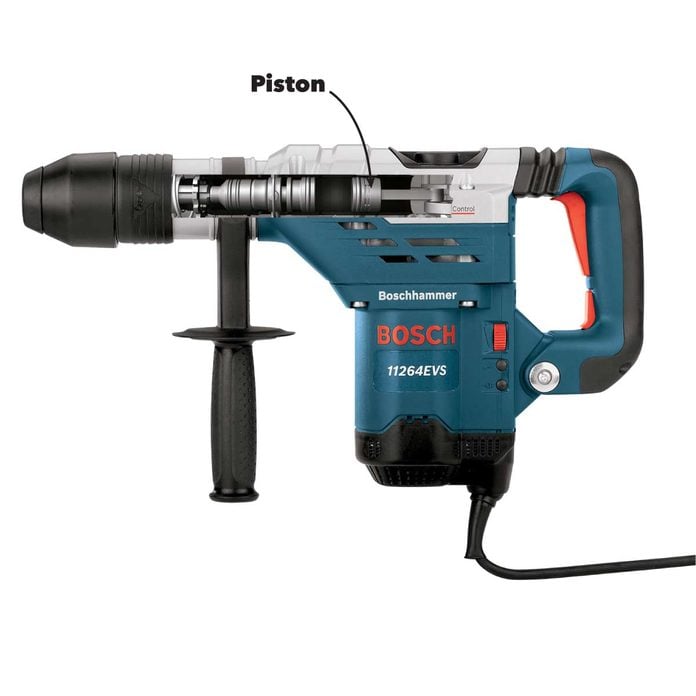
Rotary hammers use either a pneumatic piston or an electromechanical system to create rapid, powerful blows. Many models have a switch to change between different modes: drilling only, hammering only, or both together (hammer drilling). This flexibility is a big reason why professionals prefer rotary hammers for tough jobs.
Most rotary hammers use SDS (Slotted Drive System) bits. These bits slide in and lock securely, reducing slippage and making bit changes quick. SDS comes in several sizes, the most common being SDS-Plus and SDS-Max. SDS-Max is for the biggest, most powerful hammers.
A rotary hammer is not just for holes. With a chisel bit, you can remove tiles, break up concrete, or chip away at stone. This makes it one of the most versatile tools for construction, renovation, and demolition.
What Is A Rotary Drill?
A rotary drill (often just called a drill) is a common tool found in homes and workshops everywhere. It uses a motor to spin a drill bit, which creates holes in wood, metal, plastic, or sometimes softer masonry. Standard rotary drills are lighter, cheaper, and easier to control than rotary hammers.
Rotary drills usually have a keyed or keyless chuck that holds many types of bits. Most household drills are cordless, using a rechargeable battery. For tougher jobs, there are corded models with more power.
Some rotary drills have a hammer function (often called “hammer drills” or “percussion drills”). This feature adds a light, fast-tapping motion to help drill into brick or masonry. However, the hammering force is much weaker than in a rotary hammer. For small holes in soft brick, a hammer drill works fine, but it struggles with large holes or hard concrete.
Rotary drills are best for woodwork, metalwork, and general-purpose drilling. They’re essential for assembling furniture, hanging shelves, or installing light fixtures. Their lightweight design and wide range of attachments make them a must-have for most home tasks.

Credit: www.youtube.com
How Rotary Hammers And Rotary Drills Work
Understanding the internal mechanism helps you see why each tool performs differently.
- Rotary hammers have a piston inside that moves back and forth, hitting the bit with strong force. This creates the hammering action, which breaks up hard material as the bit rotates. The result: Deep holes in concrete with less effort from the user.
- Rotary drills spin the bit using just the motor. If they have a hammer setting, they use two metal discs that bump against each other, producing a fast but light tapping. This helps, but it’s not enough for very hard surfaces.
Here’s a simple comparison:
| Feature | Rotary Hammer | Rotary Drill |
|---|---|---|
| Hammering Power | High (Piston-driven) | Low (Disc-driven, if any) |
| Materials | Concrete, stone, masonry | Wood, metal, plastic, light masonry |
| Bit System | SDS (Plus/Max) | Keyed/Keyless Chuck |
| Weight | Heavier (3-15 kg) | Lighter (1-3 kg) |
| Price Range | Higher | Lower |
Key Differences: Rotary Hammer Vs. Rotary Drill
Choosing between these tools isn’t just about power or size. The differences cover several areas.
Power And Performance
- Rotary hammers deliver much more impact energy. They can drill large holes (16 mm and up) in hard concrete quickly.
- Rotary drills are best for small holes (under 13 mm), especially in softer materials.
A real-world example: Drilling a 20 mm hole 10 cm deep in reinforced concrete. With a rotary hammer, this takes less than a minute. With a rotary drill, it could take several minutes, wear out the bit, or even fail completely.
Applications
- Use a rotary hammer for:
- Installing anchors in concrete
- Running pipes or cables through walls
- Demolition and chipping tasks
- Removing tiles or masonry
- Use a rotary drill for:
- Woodworking
- Metal drilling
- Small holes in brick or block
- Everyday home repairs
Bit Attachment
Rotary hammers use SDS bits, which slide in and lock automatically. This design transfers more force without slipping and reduces user fatigue.
Rotary drills use standard bits gripped by the chuck. They’re widely available but can slip in tough materials.
Weight And Handling
Rotary hammers are bigger and heavier. This makes them tiring for overhead work or in tight spaces. Rotary drills are light and easy to use for long periods.
Noise And Vibration
Rotary hammers are loud and produce more vibration. Most have anti-vibration handles, but you still feel the force. Rotary drills are quieter and smoother.
Cost
On average, rotary hammers cost more, especially for SDS-Max models. They also need special bits, which are more expensive.
Rotary drills are cheaper and use less costly accessories.
Durability
Rotary hammers are built for tough jobs and last longer under heavy use. Rotary drills can wear out quickly if pushed beyond their limits.
Credit: shirazee.co.in
When To Choose A Rotary Hammer
If your work involves concrete, masonry, or stone on a regular basis, a rotary hammer is usually the best investment. Some typical situations:
- Construction sites: Installing rebar, anchor bolts, or running electrical lines.
- Renovation: Removing tiles, breaking up old concrete, or cutting through stone walls.
- Demolition: Chiseling, breaking floors, or tearing down walls.
- Heavy-duty DIY: Building retaining walls, patios, or foundations.
Rotary hammers also excel in situations where you need to drill many holes quickly, or when working with reinforced concrete. The SDS system makes bit changes fast, letting you switch between drilling and chiseling modes.
Non-obvious tip: Many beginners don’t realize that using the wrong bit (like a standard twist bit) in a rotary hammer can damage the tool and the bit. Always use SDS bits designed for your hammer model.
When To Choose A Rotary Drill
A rotary drill is the right choice for general-purpose drilling in wood, metal, plastic, and light masonry. It’s ideal for:
- Home repairs: Hanging pictures, assembling furniture, or fixing shelves.
- Woodworking: Building cabinets, decks, or fences.
- Metalwork: Drilling holes in brackets, hinges, or pipes.
- Small masonry jobs: Light drilling in brick or soft block.
Rotary drills are lighter and easier to control, making them perfect for jobs that need precision. If you only need to drill into concrete rarely, a hammer drill (rotary drill with hammer function) is sometimes enough.
Non-obvious tip: Even with a hammer setting, a rotary drill cannot match a rotary hammer for deep or large holes in concrete. Forcing the drill can overheat the motor and ruin the bit.
Pros And Cons
Here’s a quick overview of the main advantages and disadvantages:
Rotary Hammer
Pros:
- High power for hard materials
- Versatile (drilling, chiseling, demolition)
- Fast for large holes
- Durable and reliable
Cons:
- Heavy and bulky
- More expensive
- Noisy and vibrates more
- SDS bits cost more
Rotary Drill
Pros:
- Lightweight and compact
- Affordable
- Easy to use for many jobs
- Wide range of bits and accessories
Cons:
- Limited power for hard materials
- Not suitable for large holes in concrete
- Can wear out quickly if misused
- Hammer function (if present) is weak
Common Mistakes When Choosing
Many buyers make costly errors when selecting between a rotary hammer and a rotary drill. Here are some to avoid:
- Choosing by price only: A cheap rotary drill cannot replace a rotary hammer for concrete work. You’ll waste time and possibly break your tool.
- Assuming all “hammer drills” are equal: Rotary hammers and hammer drills are different. Hammer drills have a weaker hammer action.
- Using the wrong bits: SDS bits are for rotary hammers; standard bits are for drills. Using the wrong type can be dangerous.
- Ignoring tool weight: For overhead or long jobs, a heavy rotary hammer can cause fatigue. Choose wisely based on your needs.
- Underestimating vibration: Rotary hammers shake more. If you have joint issues, consider a lighter tool or anti-vibration features.
Practical Examples
Let’s see how these tools perform in real situations.
Example 1: Drilling anchor holes for a deck in concrete.
- Rotary Hammer: Makes 12mm x 100mm holes in seconds with little effort.
- Rotary Drill: Struggles, overheats, and may not finish the hole.
Example 2: Installing shelves in drywall and wood.
- Rotary Hammer: Overkill, may damage materials.
- Rotary Drill: Perfect for small, precise holes.
Example 3: Removing old tiles from a bathroom wall.
- Rotary Hammer: Use chisel mode to break and lift tiles quickly.
- Rotary Drill: Not suitable, lacks chisel function.
Example 4: Building a metal fence.
- Rotary Hammer: Use for anchor bolts in concrete base.
- Rotary Drill: Use for drilling holes in metal posts.
These examples show why tool choice matters. Using the right tool saves time, money, and frustration.
Rotary Hammer Vs. Rotary Drill: Side-by-side Comparison
Here’s a quick look at how these tools compare for common tasks.
| Task | Rotary Hammer | Rotary Drill |
|---|---|---|
| Drilling large holes in concrete | Excellent | Poor |
| Drilling small holes in wood/metal | Poor | Excellent |
| Tile removal/chiseling | Excellent | Not possible |
| General home repairs | Too heavy | Ideal |
| Demolition work | Excellent | Not suitable |
Choosing The Right Tool: What Matters Most
When buying a new drill or hammer, think beyond just power or cost. Here’s what to look for:
- Type of work: Will you mostly work with concrete, or with wood and metal? Let your main tasks decide.
- Hole size and depth: For large, deep holes in masonry, choose a rotary hammer. For small, shallow holes, a rotary drill is enough.
- Frequency of use: If you only need to drill concrete once a year, renting a rotary hammer is smarter.
- Weight and comfort: Heavy tools cause fatigue. Try holding the tool before buying.
- Bit compatibility: Make sure you have (or can get) the right bits for your tool.
- Budget: Don’t just buy the cheapest. Think about long-term value and durability.
Pro tip: Many hardware stores rent rotary hammers. This is a smart way to handle big jobs without the cost of ownership.
Maintenance And Safety
Both rotary hammers and rotary drills need care to last long and work safely.
- Keep bits sharp: Dull bits slow down work and strain the motor.
- Let the tool do the work: Don’t force the tool. Steady pressure is best.
- Check for hidden wires/pipes: Drilling into walls can be dangerous. Use a stud finder or detector.
- Wear safety gear: Eye protection, gloves, and ear defenders are important.
- Clean dust vents: Concrete dust can clog the motor. Clean after each use.
Rotary hammers need special grease for the SDS system. Check your manual and follow instructions.
Credit: www.familyhandyman.com
Which Brands Are Best?
Some top brands for rotary hammers include:
- Bosch
- Makita
- DeWalt
- Hilti
- Milwaukee
For rotary drills, popular choices are:
- Black+Decker
- Ryobi
- Bosch
- Makita
- DeWalt
Brand matters for quality, spare parts, and support. Choose a brand with a good reputation and service network.
Cost Comparison
Rotary hammers usually cost more because of their powerful motor and hammer system.
- Entry-level rotary hammers: $120–$300
- Professional rotary hammers: $400–$1,000+
- Basic rotary drills: $30–$100
- Cordless, high-end rotary drills: $150–$300
SDS bits and chisels are also more expensive than standard drill bits.
Environmental Impact
Both tools use electricity (corded) or batteries (cordless). Cordless models are more convenient, but batteries must be recycled responsibly. Rotary hammers often use more energy due to their power, but they work faster, so overall energy use can be lower for big jobs.
Interesting fact: Using the right tool reduces the time and energy needed, which means less wear on the tool and less waste over time.
Professional Vs. Home Use
- Professionals need both tools. Rotary hammers for heavy jobs, rotary drills for finishing and detail work.
- Homeowners can often manage with a rotary drill and rent a rotary hammer for occasional tough jobs.
If you plan to renovate or do a lot of masonry work, buying a rotary hammer makes sense. For basic repairs and building, a rotary drill is enough.
The Bottom Line
Choosing between a rotary hammer and a rotary drill is all about matching the tool to the job. Rotary hammers are best for heavy-duty concrete and demolition work, while rotary drills shine in woodworking, metalwork, and general repairs. Using the right tool improves safety, saves money, and gets the job done faster.
If you’re unsure, ask at your local hardware store or rent the tool first. Many people buy the wrong tool and regret it later. Invest in the right equipment and you’ll see better results, less frustration, and safer, more enjoyable work.
For more details on power tools and their uses, you can check out this Wikipedia page about hammer drills.
Frequently Asked Questions
What Is The Main Difference Between A Rotary Hammer And A Rotary Drill?
The main difference is the hammering mechanism. Rotary hammers use a piston to deliver powerful blows, making them ideal for concrete and masonry. Rotary drills rely on rotation and, if they have a hammer function, it’s much weaker.
Can A Rotary Drill Be Used For Concrete?
A rotary drill can drill small holes in soft concrete or brick, especially if it has a hammer function. For large holes or hard concrete, it will struggle or fail. A rotary hammer is the better choice for tough concrete jobs.
What Does Sds Mean In Rotary Hammers?
SDS stands for Slotted Drive System. It’s a special bit system that locks securely into the hammer, transfers more force, and makes changing bits quick and easy.
Are Rotary Hammers Safe For Home Use?
Yes, but they are powerful and require safety precautions. Wear eye and ear protection, use the right bits, and follow the manual. If you’re not experienced, start with small tasks or ask for help.
Should I Buy Or Rent A Rotary Hammer?
If you drill into concrete or do demolition often, buying makes sense. For one-time or rare jobs, renting is more economical. This way, you get the right tool without a big investment.
Choosing wisely between a rotary hammer and a rotary drill can make your work smoother, safer, and more efficient. Always match your tool to your project for the best results.