Milwaukee Drill Vs Ryobi: Which Power Tool Brand Wins for You?
Choosing the right drill can make every project easier, whether you’re hanging shelves at home or working on a construction site. Two brands you’ll see everywhere are Milwaukee and Ryobi. Both offer a wide range of drills, but they’re designed for different users and situations. If you’re unsure which is better for your needs, this guide will help you understand all the important differences, from power and design to price and long-term value.
Brand Backgrounds: Milwaukee And Ryobi
Understanding the brands gives you helpful context. Milwaukee Tool has been making power tools since 1924. It’s well-known among professionals for durability, performance, and innovation. Their red tools are a common sight on job sites, and they often lead the way with new features.
Ryobi, on the other hand, is part of the larger company Techtronic Industries (TTI). Ryobi focuses on providing affordable, reliable tools for homeowners, DIYers, and hobbyists. Their signature green color and wide selection of tools make them easy to spot in stores like Home Depot.
Both brands are respected, but they target different types of users. This basic difference influences everything from product quality to pricing.
Comparing Milwaukee And Ryobi Drills: Key Factors
1. Power And Performance
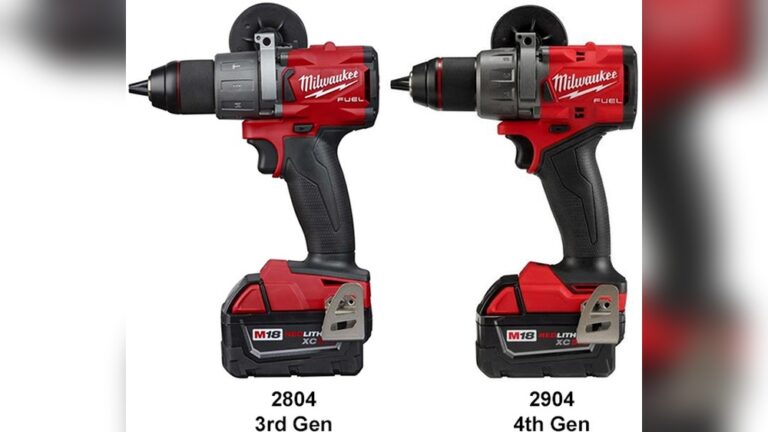
Milwaukee drills are designed for professionals who need high power and speed. Their brushless motors deliver more torque and longer runtime. For example, the Milwaukee M18 Fuel 1/2″ Hammer Drill produces up to 1,200 in-lbs of torque and up to 2,000 RPM. This makes it ideal for tough jobs like drilling into concrete or thick lumber.
Ryobi drills are generally less powerful but still more than enough for everyday tasks. The popular Ryobi 18V One+ Drill/Driver offers up to 340 in-lbs of torque and 1,750 RPM. It can easily handle drilling into wood, drywall, or light metals.
Non-obvious insight: Many beginners assume more power is always better. In reality, high-torque drills like Milwaukee’s can sometimes strip screws or damage soft materials if you’re not careful. For most home tasks, Ryobi’s moderate power is safer and easier to control.
2. Build Quality And Durability
Professionals often choose Milwaukee because their tools last longer under heavy use. Milwaukee drills use metal gear cases, robust chucks, and tough plastics. They’re built to withstand drops, dust, and frequent use. Some models are even rated for water and impact resistance.
Ryobi drills use more plastic in their construction, making them lighter but less durable. For casual weekend projects, this is fine. But if you plan to use your drill daily or in harsh conditions, Milwaukee will likely last longer.
Another detail: Milwaukee’s batteries are also known for their longevity and resilience. Ryobi batteries perform well but may not survive years of tough use.
3. Battery Systems And Compatibility
Both brands use 18V lithium-ion battery systems, but there are important differences.
- Milwaukee M18: The M18 battery platform supports over 200 tools. These batteries come in various sizes (capacity), and Milwaukee’s “RedLithium” technology helps them run cooler and last longer.
- Ryobi ONE+: The ONE+ system is famous for its backward and forward compatibility. Batteries made in 1996 still work with today’s tools. The system covers over 260 tools, from drills to fans and even outdoor equipment.
If you already own tools from one brand, sticking with that brand saves money. Buying into a battery ecosystem is a long-term decision.
Non-obvious insight: Not all Milwaukee batteries work with all Milwaukee tools. For example, M12 batteries do not fit M18 tools. Always check compatibility before buying.
4. Features And Innovation
Milwaukee invests heavily in new technology. Many of their drills include smart features such as:
- Brushless motors (longer life, more power)
- REDLINK PLUS intelligence (prevents overheating)
- All-metal chucks (better grip)
- Adjustable clutch settings
- Hammer drill function (on certain models)
Ryobi drills offer useful features as well, like built-in LED lights, magnetic bit holders, and easy-to-read battery gauges. However, they don’t include as many advanced controls or heavy-duty options.
Some Milwaukee drills also include ONE-KEY technology, which lets you track your tool and customize settings using a smartphone app—a feature rarely found on Ryobi tools.
5. Price And Value For Money
Ryobi wins easily on price. Their drills are much more affordable, with many basic kits (drill, battery, charger) costing around $60–$100. Even their higher-end brushless models rarely exceed $150.
Milwaukee drills are usually at least twice as expensive, with pro-grade kits often costing $200–$300 or more. However, you’re paying for extra power, durability, and features.
For homeowners and casual users, Ryobi provides excellent value. For professionals, the higher upfront cost of Milwaukee is often justified by years of reliable performance.
6. Product Range And Options
Both brands offer a wide range of drills, but there are differences:
- Milwaukee: Focuses on professional-grade tools, including compact, mid-size, and heavy-duty hammer drills, right-angle drills, and rotary hammers.
- Ryobi: Offers many drill/driver and hammer drill options, but fewer heavy-duty models. They also sell handy kits with multiple tools and accessories, perfect for new homeowners.
If you need specialty drills for tough jobs, Milwaukee offers more options.
7. Warranty And Customer Support
Warranties show how much faith a company has in its products.
- Milwaukee offers a 5-year limited warranty on most drills. This covers defects in materials and workmanship.
- Ryobi provides a 3-year limited warranty on most power tools. It’s shorter, but still respectable for the price.
Milwaukee’s customer support is known for being responsive and helpful, especially for tradespeople. Ryobi’s support is more focused on retail customers and DIYers.

Credit: www.youtube.com
Side-by-side Comparison: Milwaukee Vs Ryobi Drills
To help you compare, here’s a quick look at two popular models:
| Feature | Milwaukee M18 Fuel 1/2″ Drill | Ryobi 18V ONE+ Drill/Driver |
|---|---|---|
| Max Torque | 1,200 in-lbs | 340 in-lbs |
| Speed (RPM) | 0–2,000 | 0–1,750 |
| Motor Type | Brushless | Brushed/Brushless |
| Weight (with battery) | 3.5 lbs | 3.1 lbs |
| Warranty | 5 years | 3 years |
| Price (kit) | $200–$300 | $60–$100 |
Real-world Performance: How Do They Handle?
Milwaukee Drill Experience
If you’ve ever used a Milwaukee drill on a big project, you’ll notice the difference right away. The extra torque helps when drilling into tough materials. The tool feels solid, with less vibration, and the metal chuck holds bits tightly. Even after hours of use, the drill usually stays cool, and the battery lasts longer than most competitors. Many professionals mention that Milwaukee tools rarely slow down, even after years of daily work.
Ryobi Drill Experience
A Ryobi drill is light, easy to hold, and simple to use. For tasks like assembling furniture, installing curtain rods, or building a deck, it’s more than enough. The drill doesn’t feel as “heavy-duty,” but it’s also less tiring for long periods. DIYers appreciate the affordable batteries and the fact that every tool in the ONE+ system shares the same battery. One downside is that Ryobi drills can struggle with very dense materials or large drill bits.
User Profiles: Which Brand Is Right For You?
Choosing between Milwaukee and Ryobi depends on how you’ll use the drill.
Milwaukee Is Best For:
- Professional contractors
- Frequent heavy-duty tasks
- Jobsites with tough conditions
- Users who want the latest features
Ryobi Is Best For:
- Homeowners and DIYers
- Light to medium-duty tasks
- People on a tight budget
- Anyone building a tool collection
Non-obvious insight: Even some professionals own Ryobi tools as backups or for lighter work. Mixing brands is common if you want to save money on less critical tools.
Drill Types: What’s Available?
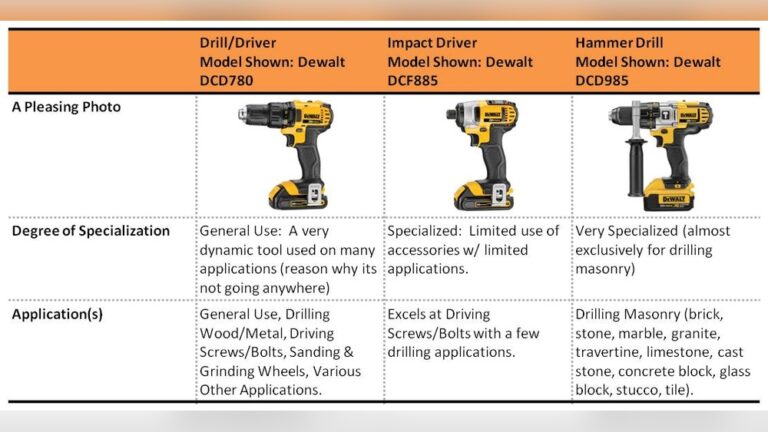
Both brands offer several drill types. Here’s a quick overview:
- Drill/Driver: Basic drill for drilling holes and driving screws.
- Hammer Drill: Adds a hammering action for drilling into masonry or concrete.
- Impact Driver: Designed for driving screws and bolts with high torque.
- Right-Angle Drill: Fits into tight spaces where a standard drill won’t.
- Rotary Hammer: Heavy-duty tool for drilling into concrete and stone.
Milwaukee offers more models for each type, especially in hammer drills and rotary hammers. Ryobi covers the basics but focuses on affordability and versatility.
Battery Life And Charging
Long battery life is crucial, especially for big projects. Here’s how Milwaukee and Ryobi compare:
| Brand | Typical Battery Sizes (Ah) | Estimated Run Time (light use) | Fastest Charger Time |
|---|---|---|---|
| Milwaukee M18 | 1.5–12.0 Ah | 2–8 hours | 30–60 min |
| Ryobi ONE+ | 1.5–9.0 Ah | 1.5–5 hours | 30–60 min |
Milwaukee’s high-capacity batteries (like 9. 0 or 12. 0 Ah) can run for a whole workday with light to medium use. Ryobi batteries offer good runtime for most home projects, but you may need a spare for longer jobs.
Practical tip: Battery life drops in cold weather or when drilling hard materials. Keep a backup charged, especially for larger jobs.
Accessories And Add-ons
Both brands offer a range of accessories:
- Milwaukee: Offers premium drill bits, impact-rated bits, tool bags, belt clips, and smart batteries with built-in fuel gauges.
- Ryobi: Sells affordable bit sets, storage cases, and multi-tool kits. Their accessory packs often cost less than Milwaukee’s.
Milwaukee accessories are usually higher quality, but Ryobi’s value kits are great for beginners.
Credit: stadedembour.com
Ergonomics And Usability
Comfort matters, especially during long tasks.
- Milwaukee drills: Often heavier but better balanced. Rubber grips reduce vibration. Some models have side handles for stability.
- Ryobi drills: Lighter with thinner handles, making them suitable for smaller hands. The controls are simple and clearly labeled.
Milwaukee tools are designed for all-day use. Ryobi is easier for quick jobs and less tiring for beginners.
Availability And Retail Support
You’ll find both brands at major hardware stores, but Ryobi is exclusive to Home Depot in the US. Milwaukee is sold at Home Depot, Lowe’s, tool specialty stores, and online.
Ryobi’s exclusive deal with Home Depot often leads to special bundles and discounts. Milwaukee’s wider distribution means you may find better deals if you shop around.

Credit: www.hugehandymansd.com
Tool Ecosystem And Expandability
Many users want more than just a drill. Both brands offer a large ecosystem:
- Milwaukee M18: 200+ compatible tools (saws, lights, vacuums, etc.)
- Ryobi ONE+: 260+ compatible tools (garden tools, fans, inflators, even glue guns)
If you plan to expand your collection (for example, add a saw, leaf blower, or light), consider which system fits your needs and budget.
Common Mistakes When Choosing
- Ignoring battery ecosystem: Mixing brands often means buying extra batteries and chargers, adding to costs.
- Buying too much power: High-torque drills can be harder to control for beginners, leading to stripped screws or damaged materials.
- Not considering warranty support: A longer warranty can save money if the tool fails.
- Focusing only on price: The cheapest tool isn’t always the best value if it doesn’t last or perform as expected.
- Overlooking comfort: A drill that’s too heavy or awkward can cause fatigue and mistakes.
Professional Reviews And User Feedback
Industry experts often rate Milwaukee drills higher for power, durability, and innovation. For example, Pro Tool Reviews found that Milwaukee outperformed Ryobi in every heavy-duty category, from speed to battery life. However, Ryobi consistently received praise for affordability and versatility.
User reviews on major retailers’ websites show that Ryobi drills satisfy most homeowners, while Milwaukee tools often get 5-star ratings from contractors.
Environmental Impact And Sustainability
Milwaukee and Ryobi have taken steps toward sustainability. Milwaukee’s battery recycling programs and energy-efficient manufacturing are a plus. Ryobi focuses on making battery systems backward compatible, reducing electronic waste.
Neither brand is perfect, but both are moving in the right direction.
Where To Buy And What To Watch Out For
For the latest models and best deals, Home Depot is the place for Ryobi. Milwaukee is available at more locations, both in-store and online. Always buy from authorized sellers to avoid counterfeit tools and ensure warranty coverage.
Pro tip: Watch for sales around holidays—power tool kits are often heavily discounted.
Summary Table: Strengths And Weaknesses
Here’s a final side-by-side summary:
| Category | Milwaukee | Ryobi |
|---|---|---|
| Power & Performance | High, pro-grade | Good for home use |
| Durability | Excellent | Good for light use |
| Price | Expensive | Budget-friendly |
| Features | Advanced, smart | Basic, practical |
| Battery System | M18, M12 | ONE+ |
| Warranty | 5 years | 3 years |
| Best For | Professionals | DIYers, homeowners |
Final Thoughts: Milwaukee Or Ryobi?
If you need a drill for daily, demanding work, Milwaukee is the clear choice. You’ll get more power, longer life, and advanced features. The upfront cost is higher, but the reliability pays off over time.
If you want a tool for home projects, Ryobi offers the best balance of price and performance. Their battery system is easy to expand, and you’ll find everything you need for most DIY tasks.
The most important thing is to match the tool to your needs and budget. Both brands have loyal fans for a reason. Consider what you’ll use the drill for, how often, and whether you plan to build a larger tool collection.
For further reading on power tool brands and their histories, check out the Wikipedia page on power tools.
Frequently Asked Questions
What Is The Main Difference Between Milwaukee And Ryobi Drills?
The main difference is target user and performance. Milwaukee drills are designed for professionals, offering more power, durability, and advanced features. Ryobi drills are aimed at homeowners and DIYers, with lower prices and user-friendly designs.
Are Milwaukee Drills Worth The Extra Money?
For frequent, heavy-duty use, yes. Milwaukee drills last longer and perform better under stress. For light tasks, the extra cost may not be necessary.
Can Milwaukee And Ryobi Batteries Be Used Interchangeably?
No, Milwaukee and Ryobi batteries are not compatible. Each brand’s tools require their own battery system.
Which Brand Offers More Tools In Their Battery System?
Ryobi’s ONE+ system has more than 260 compatible tools, covering everything from drills to garden equipment. Milwaukee’s M18 system has over 200 tools, focusing more on professional-grade options.
Is Ryobi Good Enough For Building Furniture Or Decks?
Yes, Ryobi drills are strong enough for most DIY woodworking and furniture projects. For very dense hardwoods or continuous use, a Milwaukee drill may make the job easier but is not required for most home projects.