Selecting the right drill bit for a screw may seem like a small detail, but it can make the difference between a perfect fit and a frustrating project. Many DIYers and even professionals have faced the struggle: you have a set of screws, and you’re unsure which drill bit size will give you the best result. If you’re asking, “What drill bit for 8 screw?” you’re not alone. The answer is more nuanced than just picking a bit that “looks about right.” Different materials, screw types, and job requirements mean you need to understand more than just a number.
Let’s break down exactly what you need for an #8 screw, which is one of the most commonly used screws in woodworking, construction, and home repairs. We’ll go deep into the details: what drill bit sizes match up, how pilot holes work, the role of countersinking, and how material type affects your choice. Whether you’re driving screws into wood, metal, or plastic, this guide will help you avoid stripped screws, split wood, or loose connections. By the end, you’ll have a full understanding of the eight key factors and steps to choosing the right drill bit for your #8 screw—plus some insights that even many experienced DIYers miss.
Understanding Screw Numbers And Drill Bit Sizing
Before you pick up your drill, it’s important to understand what “#8 screw” means. Screw sizes in the U.S. are often identified by a number, not just length. A #8 screw typically measures about 0.164 inches (4.17 mm) in diameter. However, screws come in different threads (coarse or fine), lengths, and head types, all of which affect which drill bit you should use.
The main goal is to drill a hole that’s just big enough for the screw’s shank (the solid center part), but not so big that the threads don’t grip. This is called a pilot hole. Get it right, and your screw will go in smoothly, hold tightly, and avoid damaging the material. Get it wrong, and you may split the wood, strip the screw, or end up with a weak joint.
Many people use charts to match drill bits to screw sizes. But there’s more to the story—especially when you consider different materials or specific applications.
1. Pilot Hole Drill Bit Size For 8 Screw
The most common and essential question is: What size pilot hole drill bit do you need for a #8 screw? The answer depends on the material and the type of screw (wood or sheet metal). For a standard wood screw:
- For softwoods (like pine): 1/8 inch (3.2 mm) drill bit
- For hardwoods (like oak): 9/64 inch (3.6 mm) drill bit
Why the difference? Hardwoods are denser and more likely to split if the hole is too small. In softwood, you want the threads to grip the wood tightly, so you can go a bit smaller.
For sheet metal screws, the required pilot hole is usually larger because the threads cut into the metal, not just press into it. For a #8 sheet metal screw, a 5/32 inch (4.0 mm) drill bit is typically used.
Here’s a quick comparison:
| Material | Drill Bit Size |
|---|---|
| Softwood | 1/8 in (3.2 mm) |
| Hardwood | 9/64 in (3.6 mm) |
| Sheet Metal | 5/32 in (4.0 mm) |
Using the right pilot hole size is the single most important step to avoid problems like splitting wood or stripping threads.
2. Countersink And Clearance Hole Sizing
A pilot hole only prepares the path for the screw’s shank, but many projects benefit from a countersink or clearance hole.
A countersink is a conical hole that lets the screw head sit flush with or below the surface. For a #8 flat head screw, a countersink bit with a 3/8 inch (9.5 mm) diameter is often ideal. This matches the standard head size.
A clearance hole is a bit wider than the screw’s threads, allowing the screw to slide through the top piece of material and pull it tightly against the piece below. For a #8 screw, the clearance hole size is typically 11/64 inch (4.4 mm).
Many beginners skip the clearance hole step, but it makes joints tighter and reduces the risk of wood splitting, especially in harder materials or when joining two boards.
3. Drill Bit Types For 8 Screw Applications
Not all drill bits are created equal. For a #8 screw, the bit material and design matter based on your project:
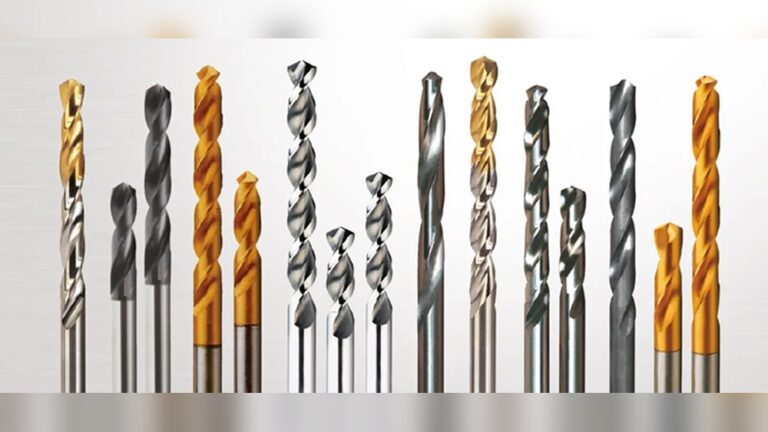
- Twist bits: The most common and versatile, good for wood, plastic, and metal.
- Brad-point bits: Best for wood, as they start precisely and reduce wandering.
- High-speed steel (HSS): Works well for metal and hard plastics.
- Cobalt or carbide-tipped: For drilling into very hard metals or masonry.
If you’re only working with wood, a brad-point bit is best. For metal, choose HSS or cobalt. Using the wrong bit type can dull the bit quickly or even break it.
4. Material-specific Considerations
The type of material you’re drilling into changes everything. Here’s why:
- Wood: Softer and more forgiving, but can split. Use the correct pilot and clearance holes.
- Metal: Requires more precise sizing. The bit must be sharp and heat-resistant.
- Plastic: Can crack easily if drilled too fast or with the wrong bit. Use slower speeds and a bit designed for plastic.
For wood, you can sometimes get away with a slightly smaller pilot hole to maximize grip. For metal, never try to force a screw without a pilot hole—it’s almost impossible and will likely break the screw.
One non-obvious insight: If you’re working with plywood or particleboard, go up one size in your pilot hole, as these materials are prone to splitting.
5. The Importance Of Thread Type
There are two main thread types for #8 screws:
- Coarse thread: More common for wood, provides better grip and resists pulling out.
- Fine thread: Used in metal or hard plastics, as it cuts through the material more efficiently.
The thread type changes your drill bit choice. For coarse threads in wood, stick closely to the pilot hole sizes above. For fine threads in metal, a slightly larger pilot hole may be needed—always check the manufacturer’s recommendations.
Many people overlook thread type and assume all #8 screws are the same, but this is a mistake that can lead to loose joints or damaged materials.
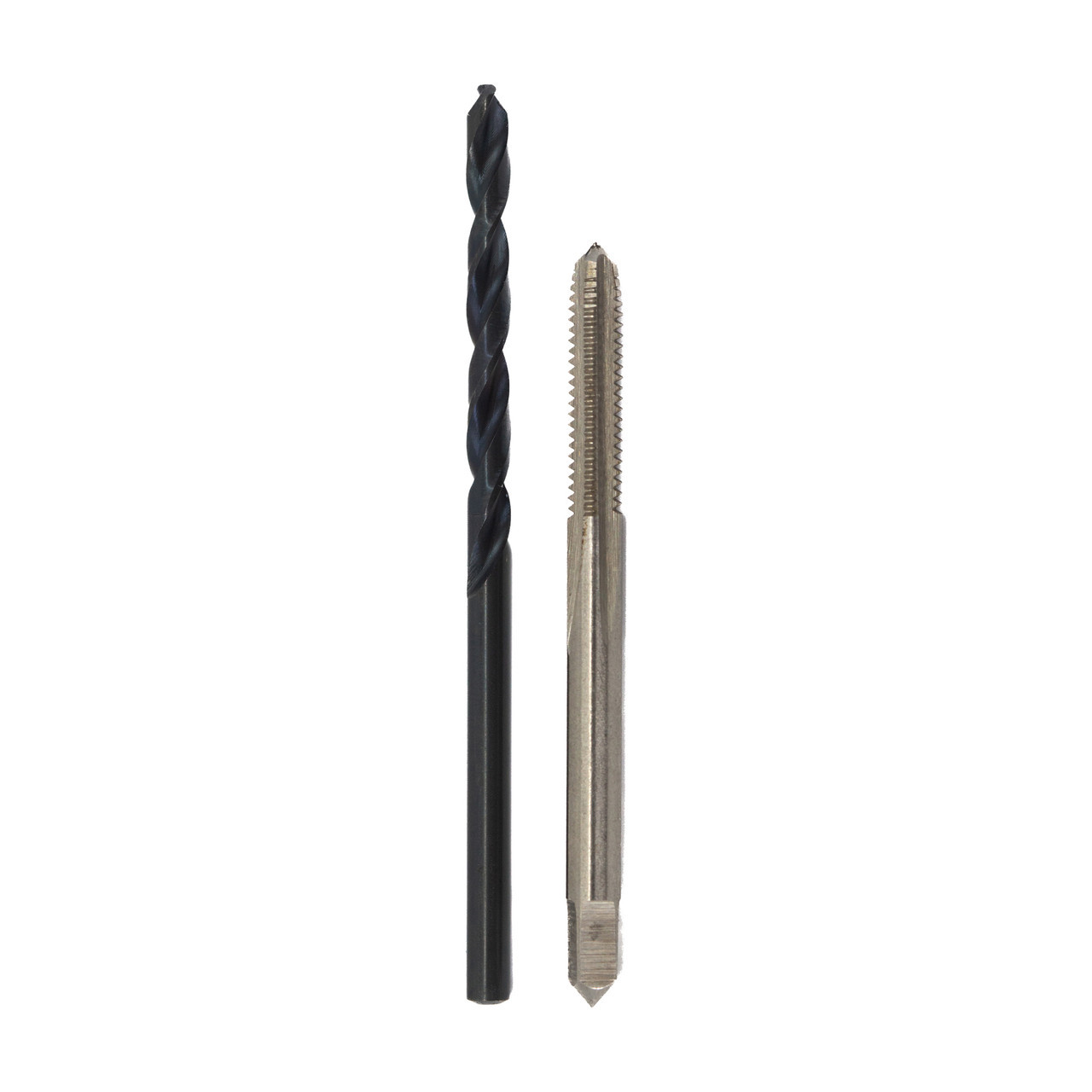
Credit: drillsandcutters.com
6. Screw Length And Depth Control
A #8 screw can come in many lengths, from 1/2 inch to over 3 inches. The pilot hole should be as deep as the screw will go, but not much deeper. If you drill too shallow, the screw can bind and break.
Too deep, and you lose holding power.
A good tip: use a piece of tape wrapped around the drill bit at the desired depth as a visual marker. This simple trick helps avoid over-drilling, especially if you don’t have a depth stop on your drill.
If you’re working with thin material, make sure the bit doesn’t break through the other side. For thick material, drill in short bursts and remove the bit often to clear chips.
7. Using Combination Drill And Countersink Bits
For speed and accuracy, combination drill bits that create both the pilot hole and countersink in one step are popular. These are sometimes called “countersink bits” or “combo bits.” For a #8 screw, choose a combination bit labeled for #8 or with a pilot diameter of 1/8 inch (for softwood) or 9/64 inch (for hardwood).
These bits save time and ensure the screw sits flush every time. However, they can be expensive and break more easily if pushed too hard.
Here’s a quick comparison of standard vs. combination bits:
| Bit Type | Best Use | Speed | Finish Quality |
|---|---|---|---|
| Standard Twist/Brad-Point | Pilot hole only | Slower | Good |
| Combo Countersink Bit | Pilot + countersink | Faster | Excellent |
A non-obvious tip: Combo bits can sometimes create a rough edge in very softwood; sand lightly after drilling for a perfect finish.
8. Common Mistakes And How To Avoid Them
Even with the right drill bit, mistakes can happen. Here are the most common issues and how to avoid them:
- Using the wrong size bit: Too large, and the screw won’t hold. Too small, and you risk splitting or stripping.
- Skipping the pilot hole: Especially in hardwood or near the edge of the board, this almost always causes problems.
- Not clearing chips: Drill bits can clog, especially in deep holes. Pull the bit out every few seconds to clear debris.
- Drilling at the wrong speed: Go slower in metal and plastic to prevent overheating and melting.
- Forgetting the clearance hole: This is essential when joining two pieces of wood to avoid gaps.
- Not using a depth stop or tape: Leads to over-drilling and reduced holding strength.
- Ignoring screw thread type: As discussed, this changes the ideal pilot hole size.
- Not checking screw quality: Cheap screws can snap even with a perfect hole. Always use quality fasteners.
By being aware of these pitfalls, you’ll improve both the strength and appearance of your finished project.
Real-world Example: Installing A Shelf With 8 Screws
Imagine you’re mounting a wooden shelf to a wall using #8 wood screws. The shelf is pine (a softwood), and you want the screws to sit flush.
- Measure and mark screw locations.
- Use a 1/8 inch brad-point bit to drill a pilot hole through the shelf.
- Switch to a 3/8 inch countersink bit to create a recess for the screw head.
- Drill a 11/64 inch clearance hole in the part of the shelf that will be pressed against the wall.
- Drive the screw until it’s flush with the surface.
By following these steps, you avoid cracking the shelf, and the screw holds tightly. If you were mounting into hardwood, you’d switch to a 9/64 inch pilot bit.
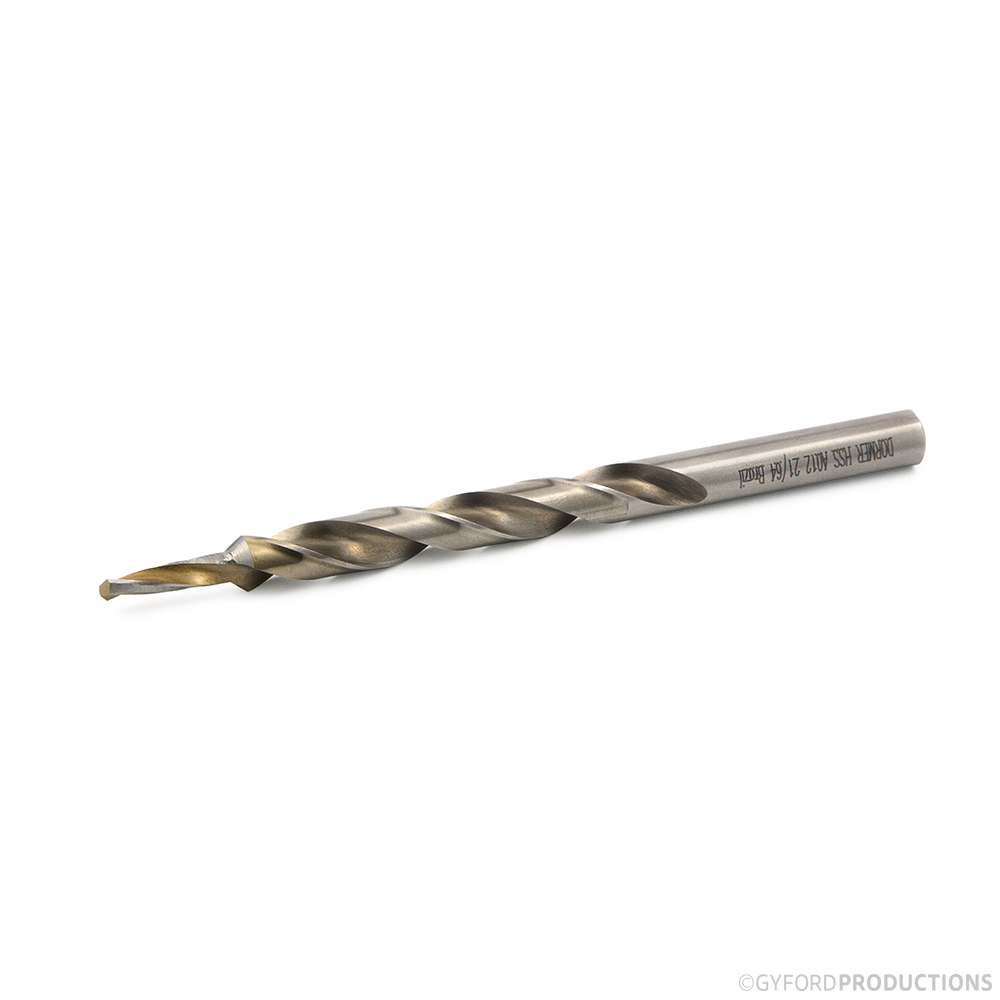
Credit: www.standoffsystems.com
Matching Drill Bits To Screws: A Quick Reference
Matching the right drill bit to a #8 screw can be confusing with so many options. Here’s a practical quick-reference guide for common scenarios:
| Application | Pilot Hole Bit Size | Countersink Bit Size | Clearance Hole Bit Size |
|---|---|---|---|
| Softwood (Wood Screw) | 1/8 in (3.2 mm) | 3/8 in (9.5 mm) | 11/64 in (4.4 mm) |
| Hardwood (Wood Screw) | 9/64 in (3.6 mm) | 3/8 in (9.5 mm) | 11/64 in (4.4 mm) |
| Sheet Metal | 5/32 in (4.0 mm) | Not needed | Not needed |
This reference helps avoid common mistakes and saves time on the job.
When To Adjust Drill Bit Size
Sometimes, the standard sizes don’t work perfectly. Here’s when you should adjust:
- Old or brittle wood: Increase pilot hole size by 1/64 inch to reduce splitting.
- Very soft material: Decrease pilot hole size by 1/64 inch for better grip.
- Oversized or undersized screws: Always measure the screw’s shank and threads and match the bit accordingly.
- If using glue: Larger pilot holes allow glue to fill the gap and create a stronger bond.
Trust your judgment and, when in doubt, drill a test hole in scrap material first.
Tools That Make The Process Easier
Having the right tools improves both speed and accuracy:
- Drill bit gauge: Lets you check bit and screw sizes quickly.
- Combination countersink bits: For fast, professional-looking holes.
- Depth stop collars: Attach to your bit to ensure consistent hole depth.
- Quality drill/driver: Variable speed is best for different materials.
A drill bit gauge is especially helpful and often overlooked. It allows you to match a bit to a screw instantly, preventing guesswork.
Why The Right Drill Bit Matters
Using the proper drill bit for a #8 screw does more than just make the job easier. It:
- Prevents damage to materials and screws
- Improves holding strength
- Speeds up installation
- Delivers a cleaner, more professional finish
These benefits become more obvious over time, especially if you work on larger projects.
Advanced Tips For Perfect Results
- Lubricate screws for hardwood: Rubbing screws on a bar of soap or wax can reduce friction and prevent snapping.
- Pre-drill at an angle for extra holding power: When joining two boards, angling the pilot hole can improve grip.
- Avoid over-tightening: Use a hand driver for final tightening to prevent stripping.
- Use a clamp to hold pieces together: This keeps holes aligned and prevents slipping.
Many professionals use these tricks for reliable, repeatable results.
Selecting Quality Screws
Even with the right bit, poor screws can ruin your work. Look for:
- Sharp threads
- Strong, consistent material
- Uniform heads
Cheap screws are more likely to break or strip, wasting your time and materials. Investing in quality fasteners pays off in the long run. For more on fastener standards, see this helpful Wikipedia resource.

Credit: www.reddit.com
Frequently Asked Questions
What Happens If I Use A Drill Bit That Is Too Small For My 8 Screw?
If the drill bit is too small, you risk splitting the wood or breaking the screw as you drive it in. The screw may also bind and not pull the joint tight. Always match the bit to the screw’s shank size for best results.
Can I Use The Same Drill Bit Size For 8 Screws In All Materials?
No. The right bit size depends on the material. Softer woods can use a smaller pilot hole, while hardwoods and metals need a slightly larger hole to prevent damage or ensure proper thread cutting.
Should I Always Use A Countersink For 8 Screws?
Not always, but it’s recommended if you want the screw head to sit flush or below the surface. For visible projects or where appearance matters, a countersink creates a clean, finished look.
What’s The Best Way To Avoid Stripping 8 Screws?
Use the right pilot hole size, a quality screwdriver or bit, and apply steady, even pressure. Don’t overtighten, especially in soft materials. Lubricate the screw if working with hardwood.
How Do I Know If My Screw Is A Wood Screw Or Sheet Metal Screw?
Wood screws usually have a tapered body and coarse threads. Sheet metal screws are often uniform in diameter with finer threads. The type affects both the pilot hole size and the best drill bit to use.
Getting the right drill bit for a #8 screw doesn’t have to be complicated, but paying attention to the details pays off. With the right knowledge and a little preparation, you’ll get stronger, cleaner, and longer-lasting results every time.