A step drill bit is one of the most versatile tools in the modern toolbox, yet it remains a mystery to many people outside the professional trades. Whether you’re a seasoned machinist, an avid DIYer, or simply curious about specialty drill bits, understanding the step drill bit’s purpose, unique design, and optimal usage is essential for precision work.
Unlike standard twist drill bits, step drill bits are engineered to create holes of varying diameters in thin materials like sheet metal, plastic, and even wood, often in a single pass. This efficiency makes them invaluable for tasks ranging from electrical installations to automotive repairs.
The popularity of step drill bits has grown rapidly due to their ability to simplify complex drilling jobs. With a single tool, users can eliminate the need for multiple drill bits, reduce setup times, and achieve clean, burr-free holes with greater control.
As industries strive for increased productivity and accuracy, step drill bits have become standard in fabrication shops and home workshops alike. This article explores the step drill bit in detail, its anatomy, how it works, real-world applications, comparative advantages, and expert tips for maximizing performance and longevity.
Key Takeaways
- Step drill bits are specialized tools designed for drilling multiple hole sizes in thin materials.
- They eliminate the need for multiple standard drill bits, saving time and effort.
- Step drill bits are widely used in electrical, automotive, HVAC, and fabrication industries.
- Choosing the right step drill bit depends on material, hole size, and project requirements.
- Proper technique and maintenance extend the life and efficiency of step drill bits.
Anatomy And Function Of Step Drill Bits
Understanding the construction of a step drill bit is fundamental to appreciating its capabilities. These tools are engineered for efficiency, precision, and durability, which is reflected in their unique design and functional properties.
Step Drill Bit Design
A step drill bit features a conical shape with multiple stepped cutting edges along its length. Each “step” corresponds to a specific diameter, allowing the bit to enlarge the hole as it progresses. The steps are typically marked with size indicators, making it easy to know the exact diameter being drilled at any point.
Materials commonly used for step drill bits include:
- High-speed steel (HSS): Known for its toughness and heat resistance.
- Cobalt steel: Offers enhanced durability for drilling harder metals.
- Titanium-coated: Provides a longer lifespan by reducing friction and wear.
The tip is often self-centering, reducing the likelihood of the bit wandering and ensuring accurate hole placement.
How Step Drill Bits Work
Step drill bits operate by gradually cutting through material with each step. The conical design allows the bit to start with a small pilot hole and then expand it with each successive step. This process reduces the pressure on the material, minimizing deformation and producing smoother edges.
Key operational benefits include:
- Multiple hole sizes: One tool covers a range of diameters.
- Deburring: The stepped edges also help remove burrs as the hole is enlarged.
- Reduced chatter: The gradual cutting action lowers vibration, resulting in cleaner holes.
Comparison With Standard Drill Bits
To illustrate the differences, consider the following table:
| Feature | Step Drill Bit | Twist Drill Bit |
|---|---|---|
| Hole Size Range | Multiple (per bit) | Single (per bit) |
| Material Suitability | Thin metals, plastics | All materials |
| Deburring | Integrated | Requires separate tool |
| Accuracy | High for thin materials | High for all materials |
| Chatter Reduction | Yes | No |
Example: Electrical Panel Installation
In my experience, using a step drill bit to install cable glands in an electrical panel dramatically reduced setup time. Instead of switching between several twist bits, I used one step bit to create perfectly sized holes for each gland, resulting in cleaner finishes and fewer metal burrs.
Common Uses And Applications
Step drill bits are prized for their versatility across a range of trades and industries. Their ability to create multiple hole sizes makes them indispensable for professionals and hobbyists alike.
Electrical Work
Electricians frequently use step drill bits to create holes in metal junction boxes, panels, and enclosures. The bit’s design ensures clean, burr-free edges, which is crucial for cable entries and connectors.
Typical tasks include:
- Drilling knockouts for conduit fittings
- Enlarging existing holes for larger connectors
- Installing cable glands and strain reliefs
Automotive And Mechanical Fabrication
Step drill bits are essential for automotive repairs and fabrication, especially when working with sheet metal. They allow mechanics to enlarge holes for wiring, sensors, or mounting brackets without damaging the surrounding material.
Example tasks:
- Modifying dashboards for instrument installation
- Creating holes for custom exhaust mounts
- Drilling body panels for fasteners
Hvac And Plumbing
In HVAC and plumbing, step drill bits are used to create precise holes in ducts, pipes, and fittings. Their stepped cutting edges reduce the risk of deforming thin materials, ensuring a proper fit for pipes and valves.
Common uses include:
- Installing vent outlets in ductwork
- Making holes in sheet metal for drain pipes
- Creating access points for sensors or gauges
Diy And Hobby Projects
For hobbyists and DIYers, step drill bits simplify tasks like assembling furniture, creating custom enclosures, or working with acrylic and plastics.
Typical applications:
- Building electronics project cases
- Modifying plastic containers
- Installing hardware in thin wood panels
Case Study: Maker Workshop
A local maker workshop reported that switching to step drill bits for their electronics enclosure projects reduced their drill bit inventory by 60%. With fewer tools to manage and faster drilling times, their productivity noticeably improved.

Credit: www.youtube.com
Types Of Step Drill Bits
Not all step drill bits are created equal. Manufacturers offer various designs to suit different materials and hole size requirements. Understanding these types helps users select the right tool for their specific application.
Single-flute Vs. Multi-flute Step Drill Bits
- Single-flute: Features one cutting edge; preferred for softer materials like plastics and aluminum due to less friction and smoother cuts.
- Multi-flute: Multiple cutting edges; ideal for harder metals, providing faster drilling and improved chip removal.
Straight Vs. Spiral Flute
- Straight flute: Standard design for general-purpose drilling; effective in thin metals.
- Spiral flute: Enhanced chip evacuation, reducing heat buildup; preferred for thicker or tougher materials.
Specialty Coatings
Manufacturers often apply specialty coatings to improve performance:
- Titanium nitride (TiN): Increases hardness and reduces wear.
- Black oxide: Provides corrosion resistance.
- Cobalt alloy: Designed for high-temperature and abrasive applications.
Comparison Table: Step Drill Bit Types
| Type | Flute Design | Best For | Coating |
|---|---|---|---|
| Standard HSS | Straight | General metals | None |
| Titanium-Coated | Straight/Spiral | Harder metals | Titanium nitride |
| Cobalt Alloy | Spiral | Stainless steel | None |
| Single-Flute | Single | Plastics, aluminum | Black oxide |
Example: Choosing For Stainless Steel
When drilling through stainless steel, I found that using a cobalt alloy spiral flute step drill bit with a titanium nitride coating produced the best results. The bit stayed cool and sharp, allowing for repeated drilling without excessive wear.

Credit: www.midlandtool.com
Selecting The Right Step Drill Bit
Selecting the appropriate step drill bit involves considering several factors, including material type, required hole sizes, and the project’s complexity. Making the right choice ensures optimal performance and minimizes tool wear.
Material Compatibility
Step drill bits are primarily designed for thin materials, generally up to 1/8 inch (3 mm) thickness. Common materials include:
- Sheet metal
- Plastics
- Wood
- Aluminum
For thicker materials, standard twist bits or hole saws may be more effective.
Hole Size Range
Step drill bits are available in a variety of size ranges, typically covering diameters from 1/8 inch to 1-3/8 inches (3 mm to 35 mm). Users should select a bit that includes all needed sizes for the project, reducing the need for multiple tools.
Shank Type
The shank is the portion of the bit that fits into the drill chuck. Step drill bits come with:
- Straight shank: Compatible with standard drill chucks.
- Hex shank: Provides improved grip, especially in impact drivers.
Key Selection Criteria
- Project material and thickness
- Required hole diameter(s)
- Drill or driver compatibility
- Budget and tool longevity
Comparison Table: Step Drill Bit Selection
| Project Type | Material | Recommended Step Drill Bit | Shank Type |
|---|---|---|---|
| Electrical Panel | Sheet metal | Titanium-coated, multi-flute | Straight |
| Automotive Dash | Aluminum | Single-flute, HSS | Hex |
| HVAC Duct | Galvanized steel | Cobalt alloy, spiral flute | Straight |
| DIY Plastic Enclosure | Plastic | Single-flute, black oxide | Hex |
Example: Home Workshop Use
A home workshop owner reported that investing in a titanium-coated, multi-flute step drill bit enabled them to tackle a variety of projects, ranging from metal shelving assembly to custom electronics, using just one tool, resulting in significant savings and reduced tool clutter.
How To Use A Step Drill Bit
Proper usage of a step drill bit is crucial for achieving clean, accurate holes and ensuring the longevity of the tool. The following guidelines cover setup, drilling technique, and common mistakes to avoid.
Drill Setup
- Select the correct bit: Ensure your step drill bit matches the material and desired hole size.
- Secure the workpiece: Use clamps or a vise to stabilize the material and prevent movement.
- Mark the hole location: Use a center punch to create a small indentation, guiding the bit and preventing wandering.
Drilling Technique
- Start slow: Begin at a low speed to allow the bit to center and cut smoothly.
- Increase speed gradually: Once the pilot hole is established, increase speed as needed.
- Apply steady pressure: Let the bit do the work; excessive force can cause overheating or dulling.
- Monitor progress: Stop at the desired step size, using the size markings as a guide.
Deburring And Finishing
Step drill bits inherently deburr as they cut, but for a perfectly smooth finish, lightly sand or file the hole edge after drilling.
Common Mistakes
- Using excessive speed or pressure, which causes heat buildup and rapid wear.
- Skipping the center punch, resulting in inaccurate holes.
- Attempting to drill thick materials, leading to poor results or damaged bits.
Example: Diy Electronics Box
When I tested a step drill bit for creating holes in a plastic electronics enclosure, the process was quick and precise. A center punch ensured accurate starts, and the bit effortlessly advanced through each step, producing clean holes for switches and LEDs.
Maintenance And Longevity
Maintaining step drill bits is essential for maximizing their lifespan and performance. Proper care reduces downtime and replacement costs.
Cleaning And Storage
- Clean after use: Remove metal shavings and debris using a brush or compressed air.
- Lubricate: Apply light oil to prevent corrosion, especially for uncoated bits.
- Store properly: Keep bits in a case or organizer to avoid damage and loss.
Sharpening Step Drill Bits
Unlike twist bits, step drill bits require specialized sharpening techniques. Use a fine file or grinding tool to restore the cutting edges, maintaining the original angle for best results.
Signs Of Wear
- Dull cutting edges
- Excessive heat during drilling
- Poor hole quality or increased vibration
Replacement Guidelines
When sharpening no longer restores performance or the bit shows signs of cracking, replace it to maintain safety and efficiency.
Example: Professional Workshop Practice
A fabrication shop implemented routine cleaning and sharpening, resulting in step drill bits lasting up to 30% longer than average. Proper maintenance also reduced the risk of tool failure during critical projects.
Safety Considerations
Safety is paramount when using step drill bits, especially in professional environments. Observing best practices reduces injury risk and ensures consistent results.
Personal Protective Equipment (ppe)
- Safety glasses: Protect eyes from flying debris.
- Gloves: Prevent cuts from sharp edges and burrs.
- Hearing protection: Recommended for high-speed drilling.
Workpiece Security
Always secure the material with clamps or a vise. Loose workpieces can lead to inaccurate holes and potential injury.
Drill Handling
- Maintain a firm grip on the drill.
- Avoid wearing loose clothing or jewelry.
- Keep hands clear of the rotating bit.
Pro Tip:
Always check for hidden wires, pipes, or fasteners before drilling in walls or panels to prevent accidents and tool damage.
Step Drill Bit Brands And Market Overview
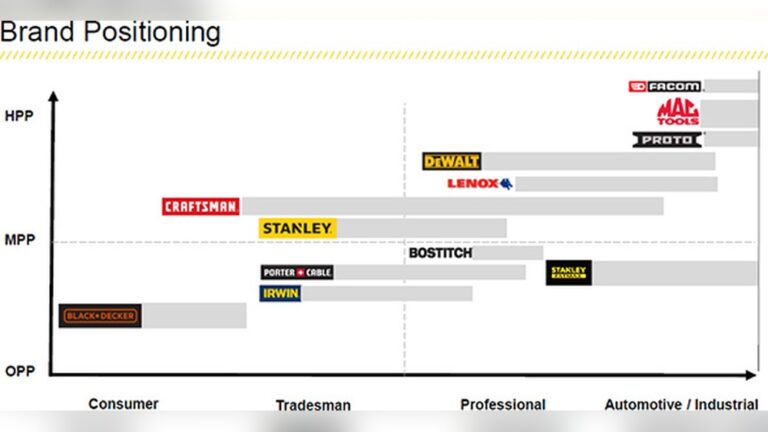
The step drill bit market includes a wide range of brands, each offering tools with varying quality, pricing, and features. Selecting a reputable brand ensures reliability and long-term performance.
Leading Brands
- Irwin Tools: Known for high-quality, durable bits suitable for professional use.
- DEWALT: Offers a range of step drill bits with specialty coatings and advanced flute designs.
- Milwaukee Tool: Renowned for precision engineering and longevity.
- Bosch: Provides reliable bits for both hobbyist and industrial applications.
Pricing
Step drill bits typically range from $10 to $50, depending on material, coating, and brand. Premium models with cobalt alloy or titanium coatings command higher prices due to their durability.
Market Trends
Recent trends indicate a shift toward multi-flute and specialty-coated step drill bits, as users demand faster drilling speeds and longer tool life. The global step drill bit market is projected to grow steadily, driven by increased adoption in electrical, automotive, and DIY sectors (Market Research Source).
Example: Brand Comparison
A local electrical contractor compared Irwin and Milwaukee step drill bits for panel installation tasks. The Milwaukee bit outperformed in hole precision and lifespan, while Irwin offered better value for routine jobs.
Real-world Examples And Case Studies
Step drill bits are utilized in diverse environments, from professional workshops to home garages. The following examples highlight their impact across various industries.
Electrical Contractor Success Story
An electrical contractor working on a commercial renovation used step drill bits to install over 100 cable glands in metal panels. The efficiency and precision of the bits minimized downtime, and the integrated deburring feature eliminated the need for secondary tools.
Automotive Restoration
A classic car restoration project required custom holes in thin metal panels for wiring and sensors. Step drill bits ensured clean, accurate holes without damaging the paint or metal, preserving the vehicle’s appearance.
Diy Maker Innovation
A maker used step drill bits to create a modular electronics enclosure from acrylic sheets. The ability to drill multiple hole sizes with one tool streamlined the design process and reduced errors.
Industry Reference
Step drill bits are recommended by the Sheet Metal Workers’ International Association for projects requiring clean, burr-free holes in thin materials (Wikipedia).
Frequently Asked Questions
What Materials Can Step Drill Bits Be Used On?
Step drill bits are best suited for thin materials such as sheet metal, aluminum, plastics, and wood. They are not recommended for thick materials or masonry, as the stepped design is optimized for gradual cutting in softer, thinner substrates.
How Do I Sharpen A Step Drill Bit?
Sharpening a step drill bit requires a fine file or grinding tool. Carefully follow the original cutting angle of each step. For best results, consult the manufacturer’s sharpening guidelines or use a professional sharpening service to avoid altering the bit’s geometry.
Can Step Drill Bits Be Used In A Drill Press?
Yes, step drill bits can be used in both handheld drills and drill presses. In a drill press, secure the workpiece firmly and use a slow to moderate speed setting. This ensures accurate hole placement and reduces vibration, especially in thin materials.
Are Step Drill Bits Suitable For Stainless Steel?
Some step drill bits, especially those made from cobalt alloy or with a titanium nitride coating, are suitable for stainless steel. Always use lubricant and low speeds to prevent overheating and extend the bit’s lifespan. For thick stainless steel, a standard twist bit may be more effective.
What Is The Difference Between A Step Drill Bit And A Hole Saw?
A step drill bit creates multiple hole sizes with a single tool and is ideal for thin materials. A hole saw is designed for larger holes in thicker materials, using a circular cutting edge. Step drill bits offer cleaner edges and integrated deburring, while hole saws are better for bulkier substrates.
Advancements in step drill bit technology continue to enhance their effectiveness and expand their range of applications. Whether you’re a professional tradesperson or a DIY enthusiast, mastering the use of step drill bits can significantly improve your productivity and the quality of your work.
The tool’s unique design, flexibility, and efficiency make it a staple in modern toolkits, and ongoing innovations promise even greater utility in the years ahead.