When you need to make holes in materials, choosing the right drill bit is crucial. Many people ask, “What’s the difference between a wood drill bit and a metal drill bit? ” This question matters, whether you’re a DIY beginner, a professional, or just fixing things at home.
Using the wrong bit can damage your tools, ruin your project, and even cause safety problems. Understanding the differences can save you time, money, and frustration.
Let’s explore everything you need to know about wood drill bits vs metal drill bits. You’ll learn how each works, their designs, their best uses, and practical tips for choosing and using them. By the end, you’ll have the confidence to pick the right bit every time.
What Makes Drill Bits Different?
Drill bits are not all the same. The material, shape, and tip design are made for specific tasks. If you try to use a wood drill bit on metal, or a metal drill bit on wood, you might not get the result you want.
In some cases, you could even break the bit or damage your drill.
Why Does Material Matter?
Wood and metal are very different. Wood is softer, has grain, and can splinter. Metal is harder, sometimes tough, and can get hot when drilled. That’s why drill bits are designed with the material in mind. They must cut smoothly, clear away debris, and stay strong.
Wood Drill Bits: Features And Best Uses
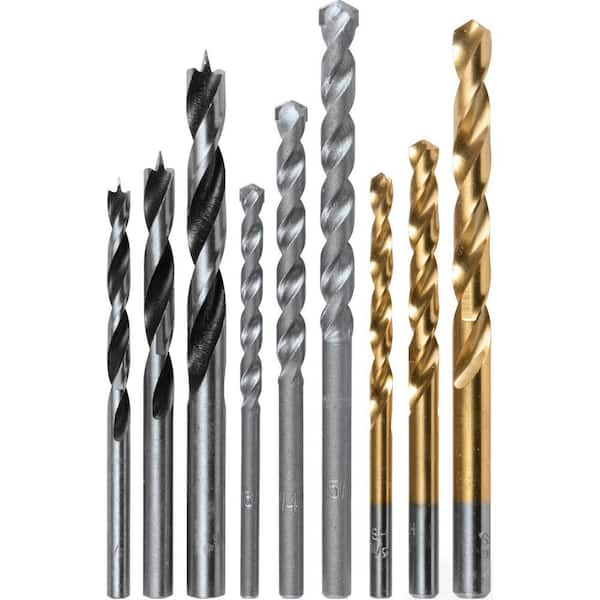
Wood drill bits are designed for speed and clean results in soft or hard woods. They usually have a sharp point that helps position the bit exactly where you want to start.
Common Types Of Wood Drill Bits
1. Brad Point Bits
The most popular for wood. The sharp tip (brad) keeps the bit steady and prevents wandering. The wide spiral flutes quickly remove wood chips.
2. Spade Bits
Flat, paddle-shaped bits for making large holes fast. They are great for rough work, like running wires through studs.
3. Auger Bits
Have a screw tip that pulls the bit through wood. The spiral design removes chips efficiently. Excellent for deep, clean holes.
4. Forstner Bits
Ideal for making flat-bottom holes or overlapping holes. Used in cabinet making and woodworking for precise work.
5. Hole Saws
Used for cutting larger circles in wood, like making holes for door hardware.
Key Features Of Wood Bits
- Sharp center point for accurate starts
- Wide, deep flutes for fast chip removal
- Made from high-carbon steel (tough, but not as hard as bits for metal)
- Designed to cut cleanly with minimal splintering
Where Wood Bits Excel
- Drilling into softwood, hardwood, plywood, and chipboard
- Projects like building furniture, installing shelves, or framing walls
- Creating smooth holes without burning or tearing the wood
Pro Tip: If you see a bit with a sharp spike in the center, it’s probably made for wood.

Credit: www.wikihow.com
Metal Drill Bits: Features And Best Uses
Metal drill bits must handle much harder materials. They need to stay sharp, resist heat, and cut through tough surfaces.
Common Types Of Metal Drill Bits
1. Twist Drill Bits (hss)
The most common for metal. Made from High-Speed Steel (HSS), they have a pointed tip and spiral flutes. Good for aluminum, steel, and softer metals.
2. Cobalt Bits
These are stronger and stay sharp longer. They are great for stainless steel and hard alloys.
3. Titanium-coated Bits
Standard HSS bits with a titanium nitride coating. This helps them last longer and resist heat.
4. Step Drill Bits
Cone-shaped bits that can drill different hole sizes in thin metal sheets. Useful for electrical work or auto projects.
5. Carbide-tipped Bits
Extremely hard tips for drilling into very tough metals or abrasive materials.
Key Features Of Metal Bits
- No center spike (usually), but a split point to start holes without wandering
- Tighter, shallower flutes to control heat and clear metal shavings
- Made from HSS, cobalt, or carbide for hardness and heat resistance
- Can handle high speeds without dulling quickly
Where Metal Bits Excel
- Drilling steel, iron, aluminum, copper, and brass
- Automotive repairs, metal fabrication, and home improvements (like hanging shelves on metal studs)
- Making precise, smooth holes in tough materials
Practical Insight: Metal bits can work on wood in a pinch, but wood bits usually fail fast on metal.
How To Tell The Difference: Visual And Physical Clues
Sometimes you find a bunch of bits in a toolbox and you’re not sure which is which. Here’s how to spot the differences:
Comparing Shapes And Tips
| Feature | Wood Drill Bit | Metal Drill Bit |
|---|---|---|
| Tip Shape | Sharp center point (brad), sometimes a screw tip | Often conical, split point, no spike |
| Flute Design | Wide, deep for quick chip removal | Narrower, spiral for metal shaving control |
| Material | High-carbon steel | HSS, cobalt, carbide, titanium-coated |
| Coating | Usually uncoated | Often gold or black (titanium, black oxide) |
Weight And Feel
Metal bits are sometimes heavier, especially cobalt or carbide. Wood bits can feel lighter and sometimes have a rougher surface.
Markings
Some bits are labeled. Look for “HSS” or “wood” stamped on the shank. If you see gold coloring, it’s likely titanium-coated for metal.
Beginner Mistake Alert: Many new DIYers grab whatever bit “looks about right.” Always check the tip design and material to be sure.

Credit: www.youtube.com
Performance Comparison: Wood Bit Vs Metal Bit
It’s not just about the appearance. How a bit cuts, how long it lasts, and what kind of hole it leaves all matter.
Drilling Speed
- Wood bits cut faster in wood because of their aggressive tip and flute design.
- Metal bits move slower but more steadily through metal to avoid overheating.
Hole Quality
- Wood bits leave clean, splinter-free holes.
- Metal bits create smooth holes in metal, but may leave burrs on the exit side that need to be filed or sanded.
Durability
- Using a wood bit on metal can dull it instantly.
- Metal bits last much longer if used properly and kept cool.
Heat Resistance
- Metal bits are designed to handle much higher temperatures.
- Wood bits can burn if used too fast or on the wrong material.
Table: Side-by-side Performance
| Performance Factor | Wood Drill Bit | Metal Drill Bit |
|---|---|---|
| Best Speed | High (in wood) | Moderate (in metal) |
| Heat Handling | Low | High |
| Clean Hole in Wood | Excellent | Fair to poor |
| Clean Hole in Metal | Poor | Excellent |
| Material Versatility | Wood only | Metal, sometimes wood/plastic |
Choosing The Right Bit For Your Project
Making the correct choice isn’t always obvious. Here’s what you should consider:
1. Material You’re Drilling
- For wood, plywood, MDF: Use a wood drill bit.
- For steel, aluminum, brass: Use a metal drill bit.
2. Hole Size And Depth
- For deep holes in wood, auger bits are best.
- For precise, wide holes, Forstner or hole saws work well.
- For thin metal, step bits are a smart choice.
3. Drill Speed
- Use higher speeds for wood.
- Use lower speeds for metal, especially harder metals.
4. Drill Type
- Cordless drills are fine for wood.
- Corded or heavy-duty drills are better for metal, especially thick steel.
5. Cooling And Lubrication
- Metal drilling often needs cutting oil to keep things cool.
- Wood drilling usually does not need extra lubrication.
Extra Insight: Using a metal bit on wood won’t usually hurt, but the hole may be rough and slow to make.
How To Use Each Drill Bit Safely And Effectively
Wood Drill Bit Tips
- Always clamp the wood securely to prevent movement.
- Use a backer board (a scrap piece underneath) to avoid splintering on the exit.
- Start slowly, then increase speed once the bit is positioned.
- Pull the bit out often to clear chips and prevent clogging.
Metal Drill Bit Tips
- Mark the spot with a center punch to keep the bit from wandering.
- Use cutting oil to reduce heat and extend bit life.
- Drill at a slow, steady speed—this prevents overheating.
- Wear eye protection; metal shavings are sharp.
- Clamp the metal tightly and never hold it in your hand.
Common Mistake: Skipping cutting oil on metal often leads to dull bits and burnt material.
Signs You’re Using The Wrong Drill Bit
- The bit dulls quickly or loses its tip.
- The drill smokes or smells burnt.
- The hole is rough, splintered, or off-center.
- The bit binds or jams inside the material.
If these happen, stop and check your bit before continuing.
Cost, Value, And Longevity
Some people try to save money by buying one set for “everything. ” In reality, you need both types for good results.
Cost Comparison
- Wood bits are usually cheaper, especially in bulk sets.
- Metal bits cost more, especially cobalt or carbide types, but last longer if used correctly.
Value Over Time
- Good wood bits can last years if only used on wood.
- Metal bits can drill hundreds of holes in steel if cooled and sharpened.
Table: Cost And Value At A Glance
| Bit Type | Average Price (per bit) | Expected Lifespan (typical use) |
|---|---|---|
| Wood Bit | $2 – $8 | Hundreds of holes in wood |
| Metal Bit (HSS) | $3 – $12 | Tens to hundreds of holes in metal |
| Metal Bit (Cobalt/Carbide) | $8 – $25 | Hundreds to thousands of holes in hard metals |
Useful Tip: If you drill lots of metal, invest in cobalt or carbide bits. For occasional use, HSS bits are enough.
Sharpening And Maintenance
Keeping your bits sharp makes a big difference. Dull bits are dangerous and slow.
Sharpening Wood Bits
- Brad point bits can be touched up with a small file.
- Spade bits are easy to sharpen with a flat file.
- Forstner bits need care; use a diamond file or get them sharpened by a pro.
Sharpening Metal Bits
- Twist drill bits can be sharpened with a bench grinder or a special jig.
- Cobalt and carbide bits are harder to sharpen at home; replacement is often easier unless you have the right tools.
Maintenance Tips
- Clean bits after use—wipe off dust and oil.
- Store them in a case or holder to avoid dulling the tips.
- Check for rust, especially on high-carbon steel bits.
Environmental Impact And Recycling
Drill bits are small, but over time, they add up. Most metal bits can be recycled as scrap metal. Wood bits, if made from steel, can also be recycled. Using the right bit means fewer replacements, which is better for the environment.
Myths And Misunderstandings
Many people think “a bit is a bit.” That’s not true. Here are two common myths:
- Myth: “Metal bits are always better, even for wood.”
- Fact: Metal bits are not optimized for wood—they cut slower and can tear fibers.
- Myth: “You can make any bit work if you push hard enough.”
- Fact: Forcing the wrong bit can break tools, damage material, and even cause injury.
When Can You Use One For Both?
In some cases, you can use a metal bit on wood or plastic if you don’t need a perfect hole. But never use a wood bit on metal; it will dull quickly and probably won’t work at all.
Non-obvious insight: If you’re drilling both wood and metal in one project (like a wood frame with metal brackets), use a metal bit, but drill slowly in the wood to avoid burning.
Where To Buy And What To Look For
Quality matters more than brand. Look for bits with clear material labels. If you’re unsure, ask for advice at a tool shop or check manufacturer guides. For more details, see this Wikipedia article on drill bits.
Credit: www.homedepot.com
Frequently Asked Questions
What Happens If I Use A Wood Drill Bit On Metal?
A wood drill bit will usually dull very quickly and may not even make a hole in metal. It can also overheat, lose its sharpness, or even break. Using the correct bit keeps your tools and material safe.
Can I Use A Metal Drill Bit On Wood?
Yes, you can use a metal bit on wood, but the hole may not be as clean. It will work in a pinch, but you might see rough edges or splintering. For best results, use the bit designed for the material.
How Do I Know If A Drill Bit Is For Wood Or Metal?
Check the tip shape and markings. Wood bits usually have a sharp center point or screw tip. Metal bits have a flatter or split point and are often marked “HSS,” “cobalt,” or “titanium.” Color can also help—gold or black coatings are for metal.
How Long Do Drill Bits Last?
It depends on use, material, and care. A wood bit can last for years in softwood. Metal bits can last for hundreds of holes in metal if cooled and sharpened. Dull or damaged bits should be replaced.
What Safety Tips Should I Follow?
Always wear safety glasses. Clamp your work securely. Use cutting oil for metal. Start slow, let the bit do the work, and never force the tool. Keep bits sharp and store them safely.
Whether you’re building a bookshelf or repairing a car, the right drill bit makes the job easier and safer. Remember, using the right tool means better results, less frustration, and more enjoyment in your projects. With this guide, you’ll never wonder which drill bit to choose again.