Drilling through hardened steel is a task that challenges even seasoned professionals. Whether you’re a machinist, fabricator, or a DIY enthusiast, you’ll quickly discover that ordinary bits, basic drills, and conventional techniques are rarely effective. Hardened steel’s unique properties, exceptional strength, toughness, and resistance to abrasion, make it one of the most difficult metals to penetrate. Yet, with the right tools, techniques, and preparation, it’s entirely possible to create clean, precise holes in hardened steel without damaging your equipment or compromising the workpiece.
This guide provides a comprehensive, evidence-based roadmap for drilling through hardened steel. We’ll cover everything from selecting the ideal drill bits and lubrication methods to understanding the physics of steel hardening and the best practices for safety and accuracy. Drawing on real-world examples, data, and expert advice, this article is tailored for those who want reliable results, whether you’re working with automotive parts, industrial machinery, or custom metalwork.
Read on to learn the proven strategies that make drilling hardened steel achievable, and efficient.
Key Takeaways
- Hardened steel requires specialized drill bits and slow drilling speeds to avoid damaging tools.
- Using proper lubrication and cooling methods is essential for preventing overheating and extending tool life.
- Carbide and cobalt drill bits are the best choices, while standard high-speed steel bits are ineffective.
- Safety precautions are vital due to risks of bit breakage and flying debris.
- Real-world case studies demonstrate the importance of preparation and patience.
- Understanding steel hardness ratings (Rockwell scale) helps in choosing the right approach.
Understanding Hardened Steel
What Is Hardened Steel?
Hardened steel is steel that has undergone a heat treatment process to increase its hardness and strength. The process typically involves heating the steel to a high temperature, quenching it rapidly, and then tempering it. This transformation makes the steel resistant to deformation, wear, and penetration.
Hardened steels are found in:
- Tooling (drill bits, dies)
- Automotive components (gears, shafts)
- Construction hardware (bolts, fasteners)
- Knife blades and cutting tools
Steel Hardness Ratings
The Rockwell Hardness Scale is commonly used to measure steel hardness. Standard mild steel rates between 60-70 HRB, while hardened steel often ranges from 55-65 HRC (Rockwell C).
| Steel Type | Rockwell Hardness (HRC) | Typical Use |
|---|---|---|
| Mild Steel | 60-70 HRB | General Fabrication |
| Hardened Tool Steel | 55-65 HRC | Machinery, Cutting Tools |
| Stainless Steel (Hardened) | 50-58 HRC | Automotive, Aerospace |
Why Hardened Steel Is Difficult To Drill
The crystalline structure of hardened steel is tightly packed, making it resistant to penetration and abrasion. Standard drill bits made from high-speed steel (HSS) often dull quickly or break when used on hardened steel. The friction generated during drilling can also cause excessive heat, further hardening the steel at the cutting edge, a phenomenon known as work hardening.
Pro Tip: Always verify the steel’s hardness rating before attempting to drill. This information is crucial for tool selection and technique.

Credit: www.youtube.com
Selecting The Right Drill Bits
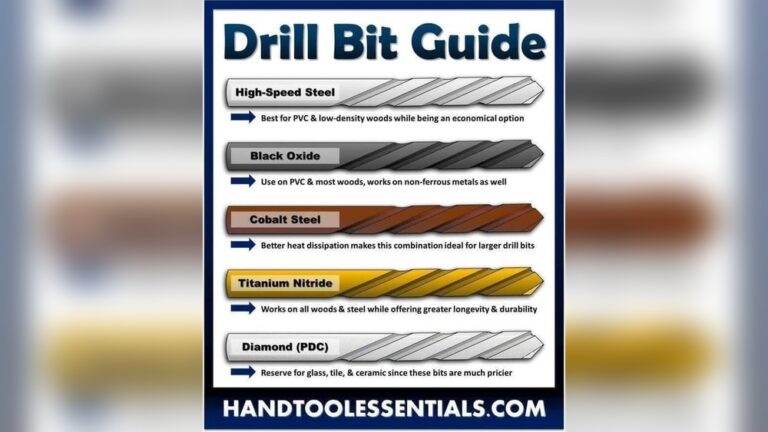
Drill Bit Materials
Choosing the right drill bit is the single most important factor. Hardened steel requires specialized bits that can withstand extreme stress and heat.
- Carbide Drill Bits
- Made from tungsten carbide, these bits are exceptionally hard and wear-resistant.
- Ideal for high-hardness steels (above 60 HRC).
- Require a rigid setup due to their brittleness.
- Cobalt Drill Bits
- Composed of high-speed steel with 5, 8% cobalt added.
- Excellent for drilling steels up to 55 HRC.
- Less brittle than carbide; more forgiving in handheld setups.
- Diamond-Coated Drill Bits
- Used for ultra-hard applications, but expensive and typically reserved for industrial use.
- Titanium-Coated Drill Bits
- Offer increased surface hardness but are not suitable for hardened steel unless used in conjunction with other techniques.
| Bit Type | Hardness | Best Use | Cost Range |
|---|---|---|---|
| Carbide | Very High | Industrial, Precision | $15, $100 |
| Cobalt | High | DIY, Professional | $8, $40 |
| Diamond-Coated | Highest | Specialized | $50, $250 |
| Titanium-Coated | Medium | General Metal | $5, $25 |
Drill Bit Geometry
The tip angle, flute design, and point geometry are also important:
- 135° Split Point: Reduces wandering and improves penetration.
- Parabolic Flute: Aids chip removal, reducing heat buildup.
- Reinforced Core: Provides extra strength for high-stress applications.
Drill Bit Sizes
For hardened steel, start with a small pilot hole (1/8″ or less) before enlarging to the desired diameter. This reduces stress on the bit and improves accuracy.
Example: Using Carbide Vs. Cobalt Bits
In my experience, carbide bits excel at penetrating hardened tool steels but are prone to chipping if not used with a rigid drill press. Cobalt bits, while slightly less hard, can withstand the vibration of handheld drills and are more forgiving for beginners.
.jpg)
Credit: ibuildit.ca
Preparing For Drilling
Safety Precautions
Drilling hardened steel poses risks not present with softer metals:
- Eye Protection: Always wear safety goggles to guard against flying chips.
- Gloves: Use cut-resistant gloves, but avoid loose-fitting varieties that can catch in rotating bits.
- Secure Workpiece: Clamp the steel firmly to prevent movement.
- Ventilation: Drilling produces fine metal dust; ensure adequate ventilation.
Marking And Center Punching
Accurate hole placement is critical. Use a center punch to create a small indentation where you want to drill. This prevents the bit from wandering, a common issue on hard, slippery surfaces.
- Mark the desired location using a permanent marker or scribe.
- Place the center punch at the mark.
- Strike with a hammer to create a visible dimple.
Setting Up The Drill
- Drill Press: Provides stability and accuracy; highly recommended for hardened steel.
- Handheld Drill: Use only for small jobs or where a press is unavailable. Apply steady, controlled pressure.
- Variable Speed: Choose a drill with adjustable speed to match the bit and material.
Example: Safety Setup In Automotive Repair
A mechanic working on hardened steel axles clamps the piece in a vise, marks the hole, and uses a drill press with cobalt bits at low speed. This setup prevented bit breakage and produced precise results.
.jpg)
Credit: ibuildit.ca
Effective Drilling Techniques
Drilling Speed And Feed Rate
The drilling speed (RPM) and feed rate (pressure applied) are crucial. Hardened steel requires:
- Low RPM: Typically 300, 500 RPM for carbide bits; 400, 900 RPM for cobalt bits.
- Steady Feed: Apply constant, moderate pressure. Excessive force causes overheating and premature bit failure.
Lubrication And Cooling
Lubrication is essential to reduce friction, dissipate heat, and prolong bit life.
- Cutting Oil: Most commonly used lubricant. Apply liberally to the drill site.
- Synthetic Lubricants: Specialized products designed for high-temperature metals.
- Water-Based Coolants: Used in industrial settings for continuous cooling.
Warning: Never drill hardened steel dry. Lack of lubrication increases heat, leading to work hardening and tool damage.
Peck Drilling
Peck drilling involves drilling in short bursts, advance the bit slightly, retract to clear chips, then repeat. This method:
- Prevents chip buildup
- Reduces heat accumulation
- Improves hole quality
Step-by-step Drilling Process
- Clamp the workpiece securely.
- Mark and center punch the hole.
- Install the correct drill bit.
- Apply cutting oil to the site.
- Set drill speed to recommended RPM.
- Begin drilling, using peck technique and steady feed.
- Periodically add more lubricant.
- Once through, clean the hole and inspect for accuracy.
Example: Industrial Machining Case Study
At a manufacturing facility, technicians drilled through hardened tool steel using a drill press, carbide bits, and synthetic coolant. The process involved peck drilling at 350 RPM, resulting in a smooth, accurate hole and minimal bit wear.
Troubleshooting Common Challenges
Bit Dulling And Breakage
If the bit dulls quickly or breaks:
- Reduce speed and feed rate.
- Ensure proper lubrication.
- Check for correct bit material and geometry.
Work Hardening
If drilling becomes harder partway through:
- Stop and allow the metal to cool.
- Use more lubricant.
- Switch to a higher-grade bit if necessary.
Chip Removal Issues
Poor chip evacuation causes overheating. Use bits with parabolic flutes and periodically retract the bit to clear chips.
Hole Misalignment
If the hole is off-center:
- Double-check center punch placement.
- Use a 135° split point bit to reduce wandering.
- Switch to a drill press for improved accuracy.
Example: Troubleshooting In Custom Knife Making
A bladesmith drilling tang holes in hardened stainless steel encountered rapid bit dulling. Switching from HSS to cobalt bits, reducing speed, and increasing lubrication solved the problem, resulting in clean holes without overheating.
Advanced Techniques And Alternatives
Annealing Before Drilling
Annealing is a heat treatment that softens steel, making it easier to drill. This method is suitable if you can tolerate reduced hardness in the drilled area.
- Heat the steel to 1000, 1200°F (540, 650°C).
- Allow to cool slowly in air or sand.
- Drill using standard bits, then re-harden if needed.
Warning: Annealing alters the steel’s mechanical properties and may affect its function.
Edm (electrical Discharge Machining)
EDM is an industrial process that uses electrical sparks to erode metal. It’s highly effective for hardened steel but requires specialized equipment and is not suitable for DIY applications.
Laser Drilling
Laser drilling is another industrial method, using high-intensity beams to melt and vaporize steel. This process produces precise holes but is costly and limited to specific environments.
Comparison Table: Conventional Vs. Advanced Methods
| Method | Equipment Needed | Precision | Cost | Suitability |
|---|---|---|---|---|
| Carbide/Cobalt Bit Drilling | Drill Press, Bits | High | Low, Medium | DIY, Professional |
| Annealing + Standard Bit | Torch, Drill | Medium | Low | DIY |
| EDM | EDM Machine | Very High | High | Industrial |
| Laser Drilling | Laser Equipment | Highest | Very High | Industrial |
Example: Annealing In Workshop Repair
A repair technician needed to drill through a hardened steel bracket. Unable to penetrate with cobalt bits, he annealed the area using a propane torch, then drilled successfully with a standard HSS bit.
Real-world Examples And Case Studies
Automotive Shaft Repair
A mechanic faced the challenge of drilling through a hardened steel transmission shaft to install a locking pin. Using a carbide bit, a drill press, and synthetic lubricant, he maintained low RPM and used peck drilling. The result was a perfectly centered, clean hole, saving the shaft from costly replacement.
Knife Maker’s Tang Hole
A custom knife maker needed to drill tang holes in hardened stainless steel. After multiple failed attempts with standard bits, he switched to cobalt bits and slowed the drill speed. With careful lubrication and peck drilling, he completed the task without damaging the blade.
Industrial Tooling Facility
At a tooling facility, hardened steel dies required modification. Technicians used an EDM machine to create precise holes that would have been impossible with conventional drilling. The process was expensive but offered unmatched accuracy for high-value parts.
Maintenance And Care Of Tools
Cleaning Drill Bits
After each use, clean drill bits with a wire brush and solvent to remove metal shavings and lubricant residues. Store in a dry, organized container to prevent rust and accidental damage.
Sharpening Drill Bits
Carbide and cobalt bits can be resharpened using specialized grinding equipment. For best results, consult a professional sharpening service.
Inspecting For Wear
Regularly inspect bits for:
- Chips or cracks in the tip
- Excessive dullness
- Flute blockages
Replace bits at the first sign of damage to avoid poor performance and safety risks.
Storing Bits Properly
Keep drill bits in a padded case or organizer. Avoid contact with other tools to prevent chipping, especially for brittle carbide bits.
Safety Tips And Best Practices
Personal Protective Equipment
Always use:
- Safety goggles
- Cut-resistant gloves
- Hearing protection (if using high-power drills)
- Dust mask (for prolonged drilling or confined spaces)
Proper Workspace Setup
- Ensure good lighting.
- Keep the workspace free from clutter and distractions.
- Use a stable table or bench for mounting the drill press.
Handling Lubricants
Store lubricants in sealed containers away from heat or open flames. Dispose of used oil in accordance with local regulations.
Emergency Procedures
Be prepared for bit breakage or accidental slips. Keep a first aid kit nearby and know the location of the nearest eye wash station.
Frequently Asked Questions
What’s The Best Drill Bit For Hardened Steel?
The most effective drill bits for hardened steel are carbide and cobalt bits. Carbide bits provide superior hardness and wear resistance, but are brittle and require a rigid setup, such as a drill press. Cobalt bits are more forgiving and suitable for handheld drilling, offering excellent performance for steels up to 55 HRC.
Can I Use A Regular Hss Bit To Drill Hardened Steel?
Standard high-speed steel (HSS) bits are not recommended for hardened steel. They dull quickly and can break under the stress of drilling hard materials. If you must use HSS, consider annealing the steel first, but be aware this alters the steel’s properties.
How Do I Prevent Overheating When Drilling?
To prevent overheating, use cutting oil or synthetic lubricants liberally, drill at low RPM, and employ peck drilling to clear chips. Overheating not only damages the bit but can cause work hardening, making the steel even more difficult to drill.
Is It Safe To Drill Through Hardened Steel At Home?
Drilling hardened steel at home is feasible if you follow strict safety precautions: wear protective gear, secure the workpiece, use the right bits, and operate at low speeds with proper lubrication. For complex or high-precision work, consider professional assistance.
What Alternatives Exist If I Can’t Drill Through Hardened Steel?
If drilling proves impossible, alternatives include annealing the steel, using EDM (Electrical Discharge Machining), or laser drilling. Annealing can be done at home but changes the steel’s hardness. EDM and laser drilling are industrial techniques requiring specialized equipment and expertise.
Resources And Further Reading
For more detailed information on steel hardness and drilling techniques, consult reputable sources such as Wikipedia: Drill Bit and Engineering Toolbox: Metal Hardness. These resources provide in-depth guidance and technical specifications.
Drilling through hardened steel is a demanding process that rewards thorough preparation, patience, and the right equipment. By understanding the material’s properties, selecting the correct tools, and following proven techniques, you can achieve precise, clean results while minimizing risk. Whether you’re a professional or a dedicated DIYer, mastering these methods will expand your capabilities and ensure your work stands up to scrutiny.