Cobalt Vs Black Oxide Drill Bits: Which Should You Choose?
When you walk down the tool aisle or shop online, you see a wide range of drill bits. Two common types—cobalt drill bits and black oxide drill bits—often leave people confused. Which one is better for your work? What’s the real difference? The answer depends on what you plan to drill, your budget, and how long you want your tools to last. If you make the wrong choice, you might waste time, damage your tools, or even ruin your project.
This guide will help you understand every important detail about cobalt and black oxide drill bits. You’ll learn how they are made, what materials they work best with, how durable they are, and what mistakes to avoid. You’ll also get real examples and practical tips, so you can pick the right drill bit with confidence.
Let’s dig into the world of drill bits and help you become a smarter buyer and user.
What Are Cobalt Drill Bits?
Cobalt drill bits look similar to other metal drill bits, but their material sets them apart. These bits are made from high-speed steel (HSS) with a percentage of cobalt alloy—usually 5% (M35) or 8% (M42). The cobalt is mixed throughout the metal, not just coated on the surface.
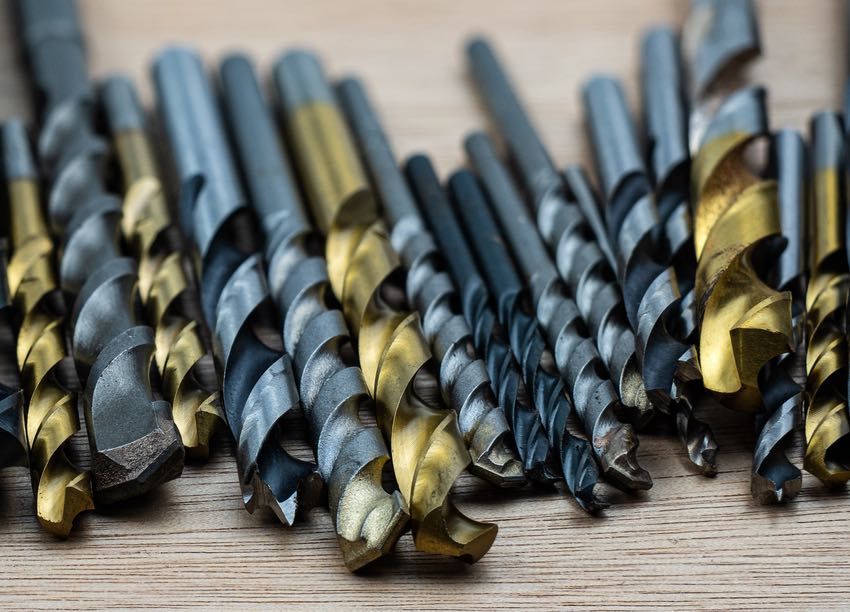
This mix makes cobalt bits harder and more heat-resistant than regular HSS bits. Because of this, they’re a favorite for drilling into tough metals like stainless steel, cast iron, and titanium. Cobalt bits are often gold or bronze in color, which can help you spot them in your toolbox.
Key Features Of Cobalt Drill Bits
- Material: High-speed steel with 5-8% cobalt
- Color: Gold or bronze
- Strength: Extremely hard; resists dulling
- Heat resistance: Can handle high temperatures, up to 1,100°F (593°C)
- Durability: Lasts much longer when drilling hard metals
When To Use Cobalt Drill Bits
If you work with stainless steel, cast iron, or other hard alloys, cobalt bits are the smart choice. Regular bits may smoke, dull, or break quickly. Cobalt bits keep their edge and resist heat, so you can drill more holes without stopping to cool down or sharpen.
Real-world Example
Imagine you’re building a metal fence and need to drill dozens of holes in stainless steel posts. Using a cheap bit, you might get through one or two holes before it dulls. With a cobalt bit, you can finish the job with fewer pauses and less frustration.
What Are Black Oxide Drill Bits?
Black oxide drill bits start as standard high-speed steel bits. They are then treated in a black oxide bath, which is a chemical process that gives them a black finish. This coating is not just for looks—it gives the bit some important benefits.
Black oxide makes the steel more resistant to rust and corrosion. It also reduces friction, which means the bit stays cooler and lasts longer than plain steel. However, the black oxide is just a surface coating. Underneath, it’s still basic HSS.
Key Features Of Black Oxide Drill Bits
- Material: Standard high-speed steel
- Coating: Black oxide (surface only)
- Color: Deep black or dark gray
- Rust resistance: Improved over plain steel
- Friction: Lower, which means less heat build-up
- Price: Usually more affordable than cobalt
When To Use Black Oxide Drill Bits
These bits are best for wood, plastic, and soft metals like aluminum or mild steel. They are a good step up from basic steel bits but not the right choice for very hard metals.
Real-world Example
Let’s say you’re installing shelves and need to drill into wood studs and a few thin metal brackets. Black oxide bits offer better durability than basic steel, and you don’t need the added expense of cobalt bits.
Cobalt Vs Black Oxide Drill Bits: Head-to-head Comparison
It’s easy to get overwhelmed by technical terms. To help, here’s a clear side-by-side comparison that covers the most important factors.
| Feature | Cobalt Drill Bits | Black Oxide Drill Bits |
|---|---|---|
| Material | HSS with 5-8% cobalt alloy | Standard HSS with black oxide coating |
| Best For | Stainless steel, cast iron, hard metals | Wood, plastic, soft metals |
| Heat Resistance | Very high (up to 1,100°F / 593°C) | Moderate (up to 500°F / 260°C) |
| Durability | Long-lasting, stays sharp | Better than basic steel, but less than cobalt |
| Cost | More expensive | Affordable |
| Color | Gold/bronze | Black/dark gray |
This table shows that cobalt drill bits excel in hard materials and high-heat jobs, while black oxide bits are better for everyday tasks in wood or soft metal.
Durability And Lifespan: Which Lasts Longer?
When you buy tools, you want them to last. Durability depends on both the material and how you use the drill bit.
Cobalt Drill Bits: Built For Tough Jobs
Cobalt bits are known for their long lifespan. Because the cobalt is mixed into the steel (not just coated), they keep their hardness even after sharpening. If you drill into hard metals often, cobalt bits can last 2 to 4 times longer than black oxide bits, especially if you use the right speed and cooling.
Black Oxide Drill Bits: Good For General Use
Black oxide bits are a big upgrade over basic steel. The coating helps them resist wear and rust, but it does wear off over time—especially if you use them on hard metals. Most black oxide bits last about 50% longer than standard HSS bits when used on wood or soft metal.
Real Data And Insights
In industry tests, cobalt drill bits often made 200-300 holes in stainless steel before dulling, while black oxide bits dulled after 50-75 holes in the same material. On wood, both types can last hundreds of holes, but cobalt bits are overkill for soft materials.
Non-obvious insight: If you mainly drill wood or plastic, you may not notice a big difference in lifespan between these bit types. The real durability benefit of cobalt appears only with hard metals.

Credit: eldoradotools.com
Cost: What Should You Expect To Pay?
Price is a major factor for many buyers. You want value for your money, but not everyone needs to buy the most expensive option.
Typical Prices
- Cobalt drill bits: A single 1/8” cobalt bit costs about $3-$6. A set of 29 sizes can range from $60-$150.
- Black oxide drill bits: A single 1/8” bit costs about $1-$2. A set of 29 sizes usually costs $20-$40.
You pay 2-4 times more for cobalt, but you get better performance on hard jobs.
Mistake To Avoid
A common beginner mistake is buying expensive cobalt bits for simple home repairs in wood or drywall. In these cases, you pay extra without getting much extra value.
Performance On Different Materials
How a drill bit performs depends on what you’re drilling. Here’s a quick guide.
| Material | Cobalt Drill Bits | Black Oxide Drill Bits |
|---|---|---|
| Wood | Works well, but not necessary | Excellent choice |
| Plastic | Works, but can chip if not careful | Very good |
| Aluminum | Excellent | Good |
| Stainless Steel | Excellent | Poor (dulls quickly) |
| Cast Iron | Excellent | Fair to poor |
| Mild Steel | Excellent | Good |
Practical tip: If you drill a mix of materials, it’s best to own both types. Keep black oxide for everyday jobs, and save your cobalt bits for tough metals.
Credit: www.protoolreviews.com
Sharpening And Maintenance
Drill bits get dull over time. Knowing how to sharpen and care for them can save you money.
Sharpening Cobalt Bits
Because cobalt runs through the entire bit, you can sharpen them several times without losing the benefit. Use a bench grinder or a special bit sharpener. Be careful not to overheat the tip while grinding—this can ruin even a cobalt bit. Dipping it in water during sharpening helps keep it cool.
Sharpening Black Oxide Bits
Black oxide bits can also be sharpened, but each time you do, you remove some of the coating. After a few sharpenings, the tip may lose its black finish, and the bit won’t resist rust as well. However, for wood and soft metals, this isn’t a big concern.
Storage Tips
- Store bits in a dry box to prevent rust.
- Wipe bits with a light oil after use, especially black oxide bits if their coating wears off.
Non-obvious insight: Overheating is a bigger risk than most realize. Dull bits generate more heat. Always replace or sharpen bits before they get too dull, or you risk damaging both your bit and the workpiece.
Pros And Cons: Quick Summary
Let’s look at the main advantages and disadvantages of each type.
Cobalt Drill Bits
Pros:
- Handles hard metals with ease
- Lasts long, even after sharpening
- Stays sharp under heat
Cons:
- More expensive
- Brittle; can snap if bent or twisted
- Not needed for wood or soft metals
Black Oxide Drill Bits
Pros:
- Affordable
- Good for most home and light metal jobs
- Resists rust better than plain steel
Cons:
- Not for hard metals
- Coating wears off with heavy use
- Shorter lifespan in tough conditions
Choosing The Right Drill Bit For Your Project
The best drill bit depends on what you’ll use it for. Here are some practical scenarios:
- Building Furniture (Wood): Black oxide bits are perfect. No need for cobalt.
- DIY Home Repairs (Mixed materials): Start with black oxide, but keep a cobalt bit handy for thicker metal brackets or pipes.
- Auto Repair (Stainless steel parts): Cobalt bits save time and frustration.
- Sheet Metal Work: For aluminum, black oxide is enough. For stainless steel, go cobalt.
- Regular Drilling in Hard Metals: Invest in a set of cobalt bits—they pay off quickly.
Pro tip: If you only drill metal once or twice a year, you can buy single cobalt bits in the sizes you need, instead of a full set.
Common Mistakes To Avoid
Even experienced users make mistakes that waste money or cause accidents. Here are some to watch out for:
- Using black oxide bits on hard metals: They’ll dull fast and may break.
- Drilling too fast: High speed causes heat, which dulls all bits. Use slower speeds for metal, especially with cobalt bits.
- Skipping lubrication: When drilling metal, always use oil to keep the bit cool.
- Not clearing chips: Letting metal or wood shavings pile up increases heat and friction.
- Forcing a dull bit: This overheats both the bit and the workpiece. Sharpen or replace dull bits quickly.
Environmental Impact And Safety
You might not think much about the environment when shopping for drill bits, but it’s worth considering.
Environmental Impact
- Cobalt mining: Some cobalt is mined in ways that harm the environment. If you use a lot of cobalt bits, look for brands that use recycled or responsibly sourced cobalt.
- Black oxide process: The coating is less harmful, but the bits wear out faster and may be replaced more often, creating more waste.
Safety Tips
- Always wear eye protection when drilling.
- Secure your workpiece to prevent slipping.
- Let the bit do the work—don’t force it.
Expert Buying Advice
When you choose between cobalt and black oxide, think beyond just the price. Here are some expert tips:
- Buy quality over quantity: One good cobalt bit can outlast several cheap black oxide bits when drilling hard metal.
- Mix and match: Most professionals keep both types on hand.
- Check the bit’s tip angle: A 135-degree split-point is best for metal, as it reduces walking and starts holes more easily.
- Read user reviews: Some brands use poor-quality steel or coatings. Pick trusted names for best results.
- Don’t forget pilot holes: When drilling large holes in metal, start with a small pilot hole using a cobalt bit, then enlarge with a bigger bit.
For more on drill bit materials and performance, see the detailed guide on Drill Bit Types.
Credit: www.reddit.com
Frequently Asked Questions
What Is The Main Difference Between Cobalt And Black Oxide Drill Bits?
The biggest difference is in material and performance. Cobalt bits are made with cobalt alloy all the way through, making them much harder and better for drilling into tough metals like stainless steel. Black oxide bits are standard steel with a special coating, making them good for wood and soft metals but less durable for hard jobs.
Can I Use Black Oxide Drill Bits On Stainless Steel?
You can, but it’s not recommended. Black oxide bits will dull quickly and may even break when used on stainless steel. Cobalt bits are much better for this material.
Are Cobalt Drill Bits Brittle?
Yes, cobalt drill bits are hard but more brittle than other types. This means they can break if you bend them or use too much side pressure. Always drill straight and avoid twisting the bit.
How Do I Know When To Replace My Drill Bit?
If your bit is dull, chipped, or making smoke while drilling, it’s time to sharpen or replace it. Dull bits are less safe and can damage your work.
Is It Worth Paying Extra For Cobalt Drill Bits?
If you often drill into hard metals, cobalt bits are worth the higher price. For occasional wood or soft metal jobs, black oxide bits offer better value.
Whether you’re a DIYer or a pro, choosing the right drill bit makes your work faster, safer, and more enjoyable. Now that you know the real differences between cobalt and black oxide drill bits, you can make smarter choices—and get the results you want every time.