Choosing the best drill bits can make the difference between a frustrating, time-consuming project and a smooth, efficient one. Whether you’re a professional contractor, a hobbyist woodworker, or a DIY homeowner, the right drill bit set can dramatically impact the speed, precision, and finish quality of your work.
With so many materials, coatings, and styles on the market, identifying the best drill bits for your needs can be overwhelming.
This guide demystifies drill bits, covering the most effective types for different materials, the leading brands, and expert recommendations on choosing, maintaining, and maximizing the lifespan of your bits. Drawing on real-world examples, performance data, and authoritative sources, we’ll help you make informed decisions and achieve professional results every time you pick up your drill.
Key Takeaways
- Drill bit material and coating directly impact performance and durability for specific tasks.
- The best drill bits vary based on application (wood, metal, masonry, multi-purpose).
- Trusted brands like DeWalt, Bosch, and Irwin consistently produce top-rated bits.
- Proper maintenance and correct usage extend drill bit life and improve results.
- Investing in a quality set saves money and time in the long run.
Credit: www.protoolreviews.com
Understanding Drill Bit Materials And Coatings
The foundation of drill bit performance lies in the materials and coatings used in their construction. These factors determine not just how well a bit cuts, but also its resistance to heat, wear, and breakage.
High-speed Steel (hss) Drill Bits
High-Speed Steel (HSS) is the most common material used for general-purpose drilling. HSS bits offer a balance of toughness and affordability, making them ideal for wood, plastic, and soft metals like aluminum.
- Pros: Inexpensive, versatile, widely available.
- Cons: Prone to dulling when used on hard metals or masonry.
Cobalt Drill Bits
Cobalt drill bits are crafted from an alloy containing 5-8% cobalt, increasing heat resistance and hardness. These bits excel at drilling through stainless steel and other tough alloys.
- Pros: Retain sharpness, resist heat, ideal for metalwork.
- Cons: More brittle, higher cost.
Example: When working on a kitchen remodel, I used cobalt bits to drill through stainless steel sink brackets. The difference in cutting speed and edge retention compared to standard HSS bits was immediately noticeable.
Carbide-tipped Drill Bits
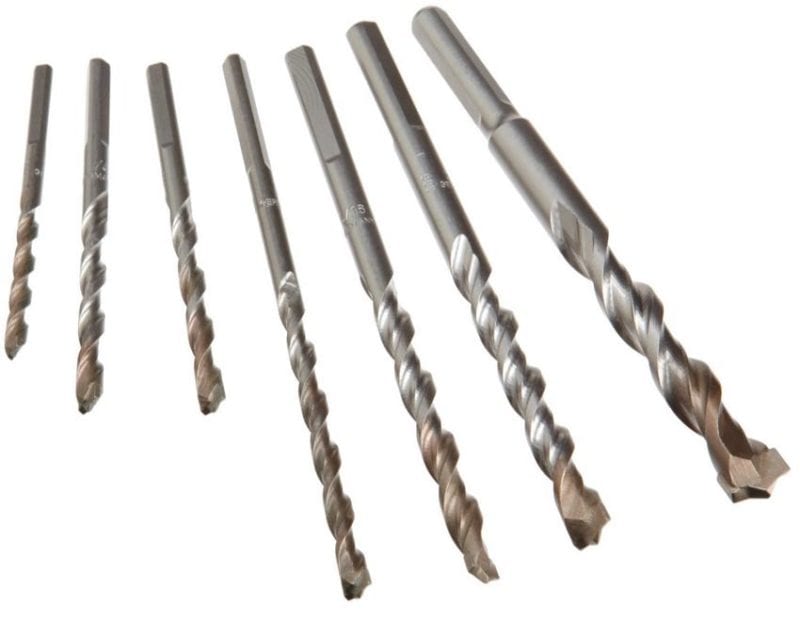
Carbide-tipped bits are the industry standard for masonry, tile, and concrete. The carbide tip, often brazed onto a steel shaft, delivers exceptional hardness and durability.
- Pros: Long lifespan, withstands abrasive materials.
- Cons: Expensive, can chip if misused.
Black Oxide And Titanium Coatings
Coatings further enhance performance:
- Black oxide: Increases corrosion resistance and reduces friction.
- Titanium nitride (TiN): Extends bit life by up to 3x compared to uncoated HSS, especially in wood and soft metals.
Comparison Table: Drill Bit Materials
| Material/Coating | Best For | Durability | Price |
|---|---|---|---|
| HSS | Wood, plastic, soft metals | Moderate | Low |
| Cobalt | Stainless steel, hard metals | High | Medium |
| Carbide-Tipped | Masonry, tile, concrete | Very High | High |
| Titanium-Coated | Wood, plastic, soft metals | High | Medium |

Credit: www.youtube.com
Best Drill Bits For Different Materials
Different materials require specialized drill bits to achieve clean, accurate holes and avoid damaging your tools or workpiece.
Wood Drill Bits
For woodworking, the best bits are designed to prevent splintering and deliver smooth, accurate holes.
- Brad Point Bits: Feature a sharp center point and spurs for precise entry, ideal for hardwoods and softwoods.
- Spade Bits: Fast for rough holes in framing lumber, though they can cause tear-out in finish work.
- Auger Bits: Excellent for deep holes in timber; aggressive cutting action.
Example: On a furniture-building project, I relied on brad point bits for dowel holes, achieving splinter-free edges that required minimal sanding.
Metal Drill Bits
Metal drilling demands bits that can handle heat and hard materials.
- Cobalt Bits: Best for stainless steel and alloys.
- Step Bits: Effective for enlarging holes in thin sheet metal (e.g., electrical boxes).
- HSS and Titanium-Coated Bits: Suitable for softer metals like aluminum and brass.
Pro Tip: Always use cutting fluid and moderate speed when drilling metal to prolong bit life.
Masonry Drill Bits
Masonry bits have a carbide tip and spiral shaft, designed to pulverize brick, concrete, or stone.
- Standard Masonry Bits: For brick, block, and mortar.
- SDS Bits: For rotary hammer drills; essential for reinforced concrete.
Multi-material Drill Bits
Multi-material bits are engineered for versatility, drilling through wood, metal, plastic, and masonry without changing bits. These are valuable for repair work in mixed-material walls.
Warning: While multi-material bits offer convenience, they typically don’t match the performance of specialized bits for heavy-duty tasks.
Comparison Table: Best Drill Bits By Material
| Material | Recommended Bit Type | Notes |
|---|---|---|
| Wood | Brad Point, Spade, Auger | Clean holes, reduced splintering |
| Metal | Cobalt, HSS, Step Bit | Cutting fluid recommended |
| Masonry | Carbide-Tipped, SDS | Hammer action needed |
| Tile/Glass | Carbide, Diamond-Coated | Low speed, water cooling |
| Multi-Material | Universal Multi-Purpose | Convenient, but less specialized |
Top-rated Drill Bit Brands And Sets
Choosing the right brand can be as important as selecting the bit type. Established manufacturers invest in quality control, advanced metallurgy, and precision engineering.
Dewalt
DeWalt is synonymous with professional-grade tools. Their Titanium Pilot Point and Cobalt sets are highly rated for durability and precision. The bits come in rugged cases with clear size markings, making them a favorite among contractors.
Bosch
Bosch offers innovative solutions such as Impact Tough and MultiConstruction bits. Their carbide-tipped masonry bits are a top choice for concrete and tile. Bosch’s spiral flute designs help with fast chip removal and extended bit life.
Irwin
Irwin is known for its Cobalt M-35 metal bits and Speedbor spade bits for wood. Their step bits are widely used in electrical and plumbing work.
Example: While rewiring a basement, I used Irwin’s step bit to enlarge existing holes in electrical panels with minimal burrs.
Milwaukee
Milwaukee focuses on durability with its Red Helix and Shockwave Impact Duty lines. The Thunderbolt Black Oxide set is a popular general-purpose choice.
Makita
Makita offers comprehensive sets for wood, metal, and masonry. Their high-speed steel and carbide-tipped bits are praised for consistent performance and value.
Comparison Table: Leading Drill Bit Brands
| Brand | Best For | Notable Features |
|---|---|---|
| DeWalt | Professional, all-purpose | Durable cases, titanium & cobalt options |
| Bosch | Masonry, multi-material | Carbide tips, spiral flute design |
| Irwin | Metal, wood | Cobalt, Speedbor spade bits |
| Milwaukee | Heavy-duty, impact rated | Red Helix, Shockwave lines |
| Makita | General, value sets | Comprehensive kits, HSS & carbide |

Credit: www.reddit.com
Specialized Drill Bits: When To Use And Why
Some projects require more than standard twist bits. Specialized bits are engineered for specific tasks, ensuring clean results and reducing tool wear.
Step Drill Bits
Step bits are conical and allow for drilling holes of various diameters in sheet metal, plastic, and thin materials without changing bits. Essential for electricians and HVAC technicians.
Forstner Bits
Forstner bits create flat-bottomed holes, often used in cabinetry for concealed hinges and dowel joints. They excel in hardwoods and plywood.
Hole Saws
Hole saws are ring-shaped bits used to cut large-diameter holes in wood, drywall, plastic, and even thin metals. Common for installing door hardware, plumbing pipes, and recessed lighting.
Example: When adding a new bathroom vent, I used a bi-metal hole saw to cut through both drywall and thin steel siding in one pass.
Glass And Tile Bits
These bits feature a spear-shaped carbide or diamond tip, designed to prevent cracking in brittle materials like glass, ceramic, and porcelain.
Countersink And Plug Cutter Bits
- Countersink bits create a cone-shaped recess for screw heads, improving appearance and preventing wood splitting.
- Plug cutters produce wooden plugs to hide screw holes for a seamless finish.
How To Choose The Best Drill Bit Set
Selecting the best set requires evaluating your most common tasks, budget, and drill compatibility.
Assess Your Needs
- For woodworkers, prioritize brad point, Forstner, and spade bits.
- Metalworkers should invest in cobalt or titanium-coated HSS sets.
- Homeowners benefit from a mixed-material starter set.
Bit Size Range
A comprehensive set should cover common diameters (1/16” to 1/2” for twist bits) and include specialty sizes for regular tasks.
Storage And Organization
Quality sets come in durable cases with labeled slots, reducing the risk of lost or damaged bits.
Shank Compatibility
Check if your drill accepts round, hex, or SDS shanks. Most modern cordless drills use 1/4” hex bits for quick changes.
Pro Tip: If you often use an impact driver, select impact-rated bits to prevent premature wear or breakage.
Budget And Value
While premium bits cost more upfront, they last longer and deliver better results. For occasional DIYers, a mid-range set may suffice.
Drill Bit Maintenance And Longevity
Proper care extends the life of your drill bits, saving money and ensuring consistent results.
Sharpening Drill Bits
Dull bits generate heat, cause rough holes, and increase the risk of breakage. Bits can be sharpened using bench grinders, specialized jigs, or handheld sharpeners. For HSS and cobalt bits, basic sharpening restores performance; carbide bits typically require professional grinding.
Storage Tips
- Store bits in their original case or a dedicated organizer to prevent damage.
- Keep bits dry to avoid rust.
Cleaning And Lubrication
Remove debris after use. For metal drilling, apply a few drops of light oil to prevent corrosion and reduce friction.
Proper Usage
- Match speed and pressure to the material.
- Use pilot holes for large diameters.
- Let the bit do the work, avoid excessive force.
Example: Bit Longevity In Practice
In my experience, regularly cleaning and lightly oiling bits after drilling metal doubled their usable life, especially for expensive cobalt sets.
Real-world Examples: Drill Bit Performance In Action
Case Study 1: Renovating A Historic Home
A contractor faced with 100-year-old hardwood framing found standard HSS bits dulled quickly. Switching to titanium-coated brad point bits not only sped up the process but produced clean, tear-out-free holes for new wiring runs.
Case Study 2: Electrical Panel Upgrade
An electrician needed to enlarge knockouts in an electrical panel. Using an Irwin step bit, he was able to cut burr-free holes in galvanized steel without changing bits or resorting to a nibbler tool, saving over an hour on the job.
Case Study 3: Tiling A Bathroom
Drilling holes for plumbing fixtures in porcelain tile can be challenging. A remodeler chose Bosch diamond-grit tile bits, using water as a coolant. The bits drilled 10+ holes each with minimal chipping, outperforming cheaper carbide alternatives.
Safety Tips For Using Drill Bits
Safety is paramount when drilling, as high speeds and sharp edges can cause injuries.
Eye And Hand Protection
Always wear safety glasses to guard against flying debris. Heavy gloves can protect your hands during bit changes or when handling sharp bits.
Secure The Workpiece
Clamp down materials to prevent spinning or shifting, reducing the risk of bit breakage or injury.
Correct Speed And Pressure
Use the appropriate drill speed: lower for metals and tiles, higher for wood. Let the bit cut at its own pace, forcing it can cause overheating and breakage.
Cooling And Lubrication
For metal and tile, use cutting fluid or water to keep bits cool and extend their lifespan.
Drill Maintenance
Check the drill’s chuck and mechanism regularly. A loose chuck can cause bit wobble, damaging both bit and workpiece.
Frequently Asked Questions
What Is The Difference Between A Twist Bit And A Spade Bit?
A twist bit is a general-purpose bit with a spiral flute, ideal for small to medium holes in wood, metal, and plastic. A spade bit is flat with a pointed tip and two cutting edges, designed for quickly drilling larger holes in wood. Twist bits provide cleaner holes, while spade bits are faster for rough carpentry.
How Can I Tell If My Drill Bit Is Dull?
Signs of a dull bit include increased drilling force required, squealing noises, heat discoloration, and rough or ragged hole edges. If the bit tip is shiny or rounded, it’s time to sharpen or replace it.
Are Impact-rated Bits Necessary For Impact Drivers?
Yes, impact-rated bits are engineered to withstand the higher torque and percussive forces of impact drivers. Standard bits may break or deform under these conditions, leading to safety issues and poor performance.
Can I Use Masonry Bits On Wood Or Metal?
While masonry bits can physically drill into wood or thin metal, they are not designed for clean cuts in these materials and will produce rough, oversized holes. It’s best to use the correct bit for the material.
How Do I Safely Drill Glass Or Ceramic Tile?
Use a spear-pointed carbide or diamond-tipped bit, apply steady, moderate pressure, and keep the bit cool with water. Start drilling at a slow speed to prevent cracking. Never use standard wood or metal bits on tile or glass.
References
- For technical specifications on drill bit materials and standards, see Wikipedia – Drill bit.
- For authoritative reviews and tool comparisons, consult Pro Tool Reviews.
Selecting the best drill bits is a matter of matching material, application, and quality. With the right set, proper care, and attention to safety, you’ll achieve precise, professional results that stand the test of time. Whether you’re investing in a premium cobalt set for metalwork or a versatile multi-material kit for home repairs, making an informed choice pays dividends in performance and durability.