When you need to tap threads in a hole, choosing the correct drill bit size is essential. If you select the wrong size, your threads might not hold tight, or you could even break your tap. One of the common tapping sizes in mechanical, automotive, and DIY work is the 7/16 tap. But what drill bit size should you use for a 7/16 tap? This guide gives you a complete answer, explains why drill bit size matters, and covers every detail you need to work confidently.
Why Drill Bit Size Matters For A 7/16 Tap
Tapping creates internal threads in a hole. If your drill bit is too small, the tap may bind, break, or produce weak threads. If the hole is too big, the threads will not be strong, leading to loose or stripped screws. The 7/16 tap is typically used for 7/16-inch bolts, common in construction and machinery.
The correct drill bit size ensures:
- Thread engagement is strong
- The tap passes smoothly without extra force
- You avoid damaging both the tap and workpiece
Many beginners think “close enough” works, but even a small error can cause problems, especially with harder metals.
Understanding Taps And Threads
Before discussing exact drill bit sizes, it’s helpful to understand the types of taps and threads. Taps cut threads to fit a specific bolt or screw. The most common threads in the US are UNC (Unified National Coarse) and UNF (Unified National Fine). Each has its own recommended drill size.
- 7/16-14 UNC: 7/16-inch diameter, 14 threads per inch (coarse)
- 7/16-20 UNF: 7/16-inch diameter, 20 threads per inch (fine)
Other thread standards exist (like metric), but 7/16 is almost always an inch size.
Credit: www.fastenere.com
The Standard Drill Bit Size For A 7/16 Tap
The most common drill bit size for a 7/16 tap (using UNC 14 threads per inch) is 23/64 inch (0.3594 inch). For 7/16-20 UNF (fine thread), the standard size is 25/64 inch (0.3906 inch). These sizes are not guesses—they are calculated to leave the right amount of material for clean threads.
Here’s a quick reference:
| Tap Size | Thread Type | Threads Per Inch | Drill Bit Size (inches) | Drill Bit Size (mm) |
|---|---|---|---|---|
| 7/16-14 | UNC (Coarse) | 14 | 23/64 | 9.13 |
| 7/16-20 | UNF (Fine) | 20 | 25/64 | 9.92 |
16 Important Items About Drill Bit Size For 7/16 Tap
Each aspect below covers a critical point, tip, or detail. Understanding all 16 will help you make the right choice, avoid mistakes, and get strong threads every time.
1. Tap Type: Unc Vs. Unf
UNC (Unified National Coarse) threads are deeper and more widely spaced than UNF (Unified National Fine). For a 7/16 tap, UNC is 14 threads per inch, and UNF is 20 threads per inch. The drill bit size changes depending on which you use. Always check your tap or bolt to confirm the thread type before drilling.
2. Standard Drill Size For 7/16-14 Unc
The standard drill size for 7/16-14 UNC is 23/64 inch. This is the size recommended in machinist handbooks and tap drill charts. Using this size gives you the best balance between ease of tapping and strong threads.
3. Standard Drill Size For 7/16-20 Unf
For 7/16-20 UNF, the drill size is 25/64 inch. Fine threads need a slightly larger hole because the threads are shallower and closer together. Using a smaller bit can make the tap difficult to turn and increase breakage risk.
4. Metric Drill Bit Equivalents
Not everyone has fractional drill bits, especially outside the US. The closest metric equivalent for 23/64 inch is 9.1 mm, and for 25/64 inch, it’s 9.9 mm. It’s best to use the exact size, but these will work in a pinch. If you have both, always use the fractional bit for precision.
5. Tap Drill Formula
If you ever need to calculate a tap drill size, use this formula:
Tap Drill Size = Major Diameter – 1/Threads Per Inch
For 7/16-14:
- Major diameter = 0.4375″ (7/16″)
- 1/14 ≈ 0.071″
- 0.4375″ – 0.071″ ≈ 0.3665″ (closest standard: 23/64 = 0.3594″)
For 7/16-20:
- 1/20 = 0.05″
- 0.4375″ – 0.05″ = 0.3875″ (closest standard: 25/64 = 0.3906″)
This formula is a good double-check if you cannot find a chart.
6. Drill Bit Size Tolerance
Drill bits can vary slightly in size, especially after repeated use. If your bit is dull or worn, it may drill a smaller hole. Always use sharp, high-quality bits for tapping. If possible, measure your bit with calipers before drilling, especially for important projects.
7. Material Matters
Harder materials like stainless steel or cast iron require greater care. If tapping hard metal, you might go up by a hair—use a bit 0.003–0.005″ larger than standard. This makes tapping easier and avoids tap breakage. For soft metals like aluminum, stick with the standard size.
8. Thread Engagement
Thread engagement means how much of the bolt’s threads are actually gripping the material. For strong joints, aim for at least 65–75% engagement. The standard drill sizes above are chosen to give this range. If you use a larger drill bit, engagement drops, making the threads weaker.
9. Lubrication And Drilling Technique
Always use cutting fluid or oil when drilling and tapping, especially in steel. This reduces friction, makes drilling easier, and extends tool life. Drill slowly and keep the bit straight. After drilling, clean the hole before tapping to avoid jamming the tap with chips.
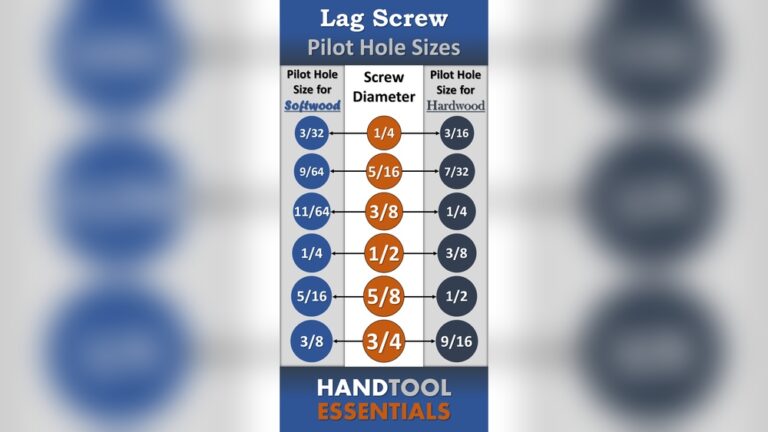
10. Pilot Holes
If drilling a deep hole, start with a smaller pilot hole. For example, a 1/8″ or 3/16″ bit first, then finish with 23/64″. This helps keep the hole straight and reduces bit wandering. It also lowers the chance of breaking the final drill bit.
11. Bottoming Vs. Taper Taps
A bottoming tap cuts threads almost to the bottom of a blind hole, while a taper tap starts gently, good for through holes or beginners. The drill size does not change between these tap types, but using the right tap style makes tapping easier and avoids broken tools.
12. Drill Bit Type
Use a high-speed steel (HSS) bit for most metals. For harder alloys, a cobalt or carbide bit works better. Avoid wood or masonry bits—they’re not accurate for metal tapping and can cause oversized, rough holes.
13. Clearance Holes
Sometimes you want a bolt to pass freely through the top part of a workpiece and thread only in the bottom. In this case, drill the upper part with a clearance hole (larger than the tap), then tap the lower part with the correct size. For 7/16 bolts, the clearance hole is usually 29/64″ (0.4531″).
14. Common Beginner Mistakes
Many beginners:
- Use the wrong drill bit size (too big or too small)
- Forget to check the thread type (UNC vs. UNF)
- Don’t use cutting oil, which leads to tap breakage
- Use dull or worn drill bits
- Tap too quickly or force the tap
Always double-check your tools and setup before starting.
15. Using Drill Bit Size Charts
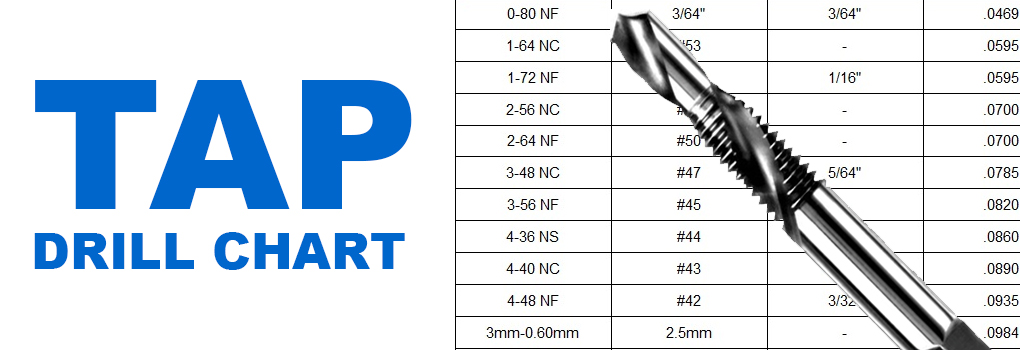
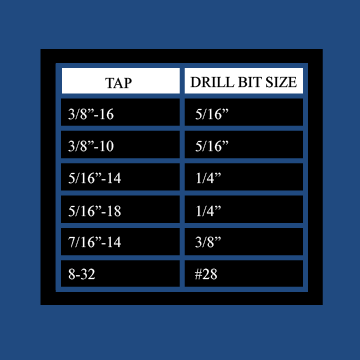
A drill bit size chart is a machinist’s best friend. Keep one in your toolbox or on your phone. These charts list tap sizes and matching drill bits for all common thread types and sizes. They also help you check metric and letter/number drill bit equivalents.
Here’s a sample table with common tap drill sizes for 7/16 and nearby taps:
| Tap Size | Thread Pitch | Recommended Drill Bit | Closest Metric |
|---|---|---|---|
| 7/16-14 UNC | 14 TPI | 23/64″ | 9.1mm |
| 7/16-20 UNF | 20 TPI | 25/64″ | 9.9mm |
| 1/2-13 UNC | 13 TPI | 27/64″ | 10.7mm |
| 3/8-16 UNC | 16 TPI | 5/16″ | 8.0mm |
16. Online Resources And Reference Tools
Many machinist and engineering websites have free tap drill calculators and charts. These are updated for all thread types, including specialty threads. One widely respected source is the Wikipedia Tap and Die page, which explains thread standards and gives reference sizes.
Credit: prathercue.com
Practical Example: Tapping A 7/16-14 Unc Hole
Let’s walk through a real scenario.
- Identify your bolt: You have a 7/16-14 hex bolt.
- Check the thread type: It says “14 TPI” on the box—so UNC.
- Get your tools: 23/64” drill bit, 7/16-14 tap, cutting fluid, wrench, safety gear.
- Mark and center punch: Mark the spot and use a center punch to prevent the bit from walking.
- Drill pilot hole: Start with 1/8″ to 3/16″, drill to full depth.
- Drill to final size: Use 23/64″ drill bit, go slow, use cutting oil.
- Clean hole: Remove chips with compressed air or a brush.
- Tap the hole: Add cutting fluid, insert tap, turn gently—quarter turn forward, half back, repeat.
- Remove tap and test: Clean threads, check with bolt. If snug but smooth, you did it right.
Small details matter, like keeping the drill and tap straight—this prevents angled threads.
Comparing Drill Bit Sizes: Why Precision Counts
Even a small difference in drill bit size changes thread strength. See how thread engagement changes:
| Drill Size | Thread Engagement | Difficulty of Tapping |
|---|---|---|
| 23/64″ | Good (70%) | Normal |
| 3/8″ (0.375″) | Very High (90%) | Hard (Risk of tap breakage) |
| 25/64″ | Low (50%) | Easy, but weak threads |
If you use the wrong size, you’ll either struggle to tap or end up with weak, stripped threads.
Non-obvious Insights Beginners Miss
Many new users think bigger holes are safer (“it’s easier to tap!”). In fact, too-large holes make the threads much weaker—bolts will strip or pull out. Also, using just any drill bit “close to the right size” is risky. The right size is based on decades of engineering, not guesswork.
Another common mistake is not checking the thread pitch—for example, using a 23/64” drill bit for a 7/16-20 tap. This will make tapping almost impossible in harder metals.
When To Adjust Drill Bit Size
Some situations need a slightly bigger hole:
- Tapping stainless steel (very hard): Go up by 0.003–0.005”
- Old, worn taps: Slightly larger holes reduce breakage risk
- Manual tapping in thick steel: A bit more clearance helps
However, never go more than 0. 01″ larger, or your threads will be too weak.

Credit: drillsandcutters.com
How To Check Your Work
After tapping, always:
- Inspect threads for sharpness and shape
- Test with a bolt: It should thread in smoothly but not wobble
- If threads are rough, the hole might be too small, or you need more cutting oil
- If the bolt is loose, the hole was drilled too large
Safety Tips For Drilling And Tapping
- Wear safety glasses: Metal chips can fly
- Clamp your workpiece securely
- Keep hands away from spinning bits
- Go slow, don’t force tools
- Clean up chips frequently to avoid jams
The Role Of Tap Handles
Use a proper tap handle (not pliers or a wrench). This keeps the tap straight and evenly loaded. Crooked taps cause poor threads and broken tools.
Tapping Blind Vs. Through Holes
- Through holes: Go all the way through; chips exit easily
- Blind holes: Stop inside material; clear chips often, use bottoming tap
Drill depth matters for blind holes—go at least 1.5 times the bolt diameter to give full thread strength.
Tap Drill Size For Other Thread Standards
In some industries, British or metric threads are used. Always check the thread standard first. For example, a metric M11 tap uses a different size than 7/16. Never assume sizes are interchangeable.
Frequently Asked Questions
What Is The Correct Drill Bit Size For A 7/16 Tap?
For 7/16-14 UNC, use a 23/64 inch drill bit. For 7/16-20 UNF, use a 25/64 inch drill bit. Always check your tap’s thread pitch to choose the right size.
Can I Use A Metric Drill Bit For A 7/16 Tap?
You can use 9.1 mm for 23/64″ and 9.9 mm for 25/64″ if you don’t have fractional bits. Metric bits are usually a little off, but close enough for most work.
What Happens If I Use The Wrong Drill Bit Size?
If the hole is too small, tapping will be difficult, and you might break the tap. If it’s too big, threads will be weak, and bolts may strip or pull out.
How Deep Should I Drill The Hole Before Tapping?
Drill at least 1.5 times the bolt diameter deep for strong threads. For a 7/16 bolt, that’s about 5/8–3/4 inch. For blind holes, go slightly deeper to allow chip clearance.
Do I Need Lubrication When Drilling And Tapping?
Yes. Always use cutting oil or fluid for metal. It keeps the drill bit and tap cool, makes cutting easier, and improves thread quality.
Choosing the correct drill bit size for a 7/16 tap is simple but essential for safe, strong, and professional results. By following the guidance above, you’ll avoid common mistakes, protect your tools, and get threads that last. With practice, this process becomes second nature—just remember that attention to detail is the key to success in any threading job.